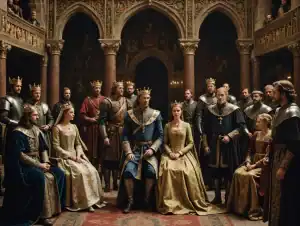
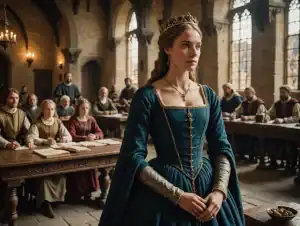
During the Middle Ages, numerous medieval queens played pivotal roles in shaping the political, cultural, and social landscape of Europe. From powerful reigning monarchs to influential queen consorts, these extraordinary women wielded significant authority, guided kingdoms through periods of war and peace, and left a lasting legacy that shaped dynasties for generations.
Beyond their political influence, many queens were also patrons of the arts, education, and religion, using their position to promote culture, build alliances, and advance the interests of their courts. In this article, we delve into the lives, responsibilities, and remarkable achievements of some of the most iconic and influential queens of medieval Europe, highlighting their enduring impact on medieval history, royal governance, and European heritage.
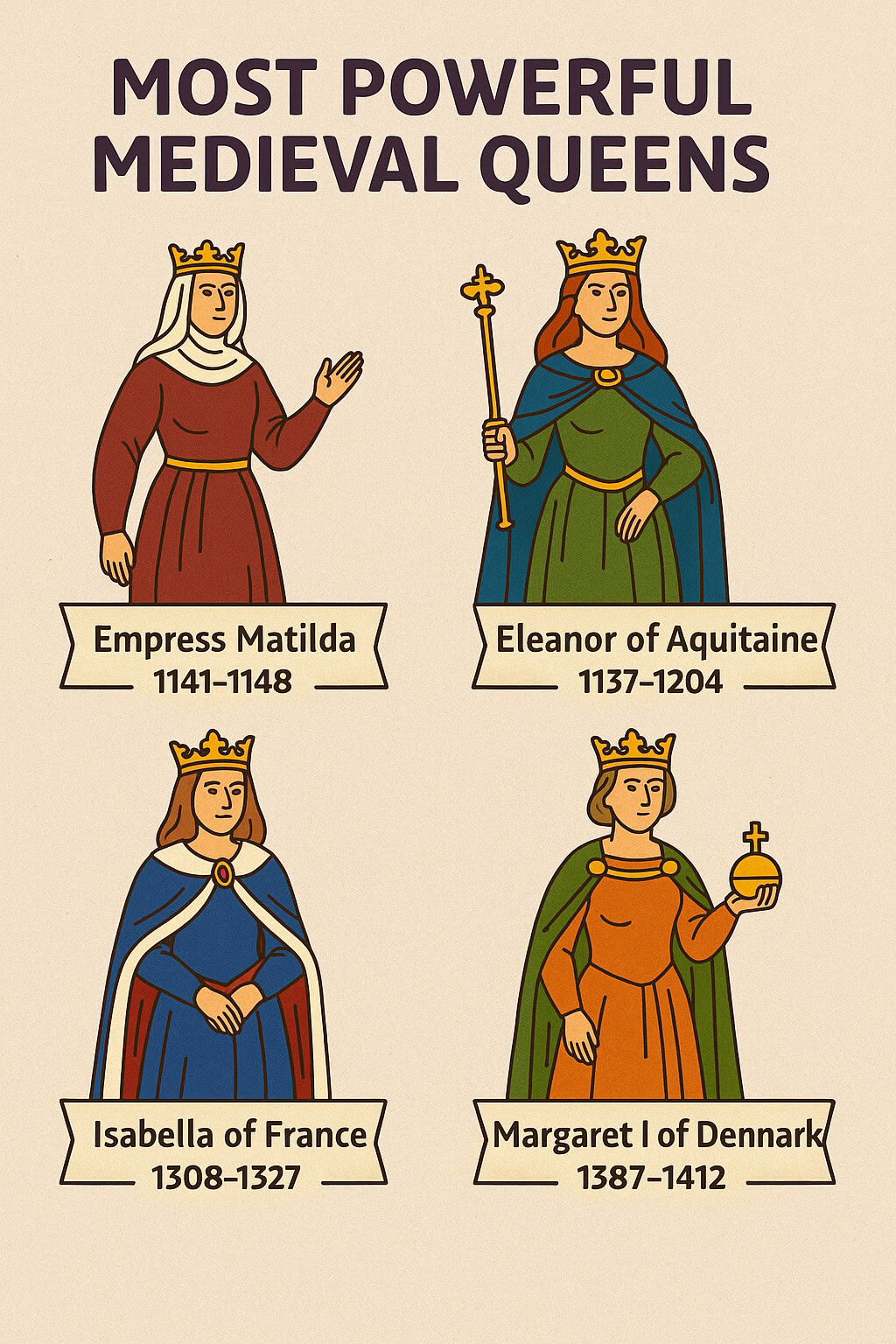
During the medieval era, queens were far more than decorative figures—they were influential leaders, diplomats, and cultural patrons. From powerful sovereigns to consorts who advised kings, these remarkable women shaped politics, society, and history across Europe. Explore the roles, duties, education, and daily life of some of the most iconic medieval queens.
Duties and Daily Life of a Medieval Queen
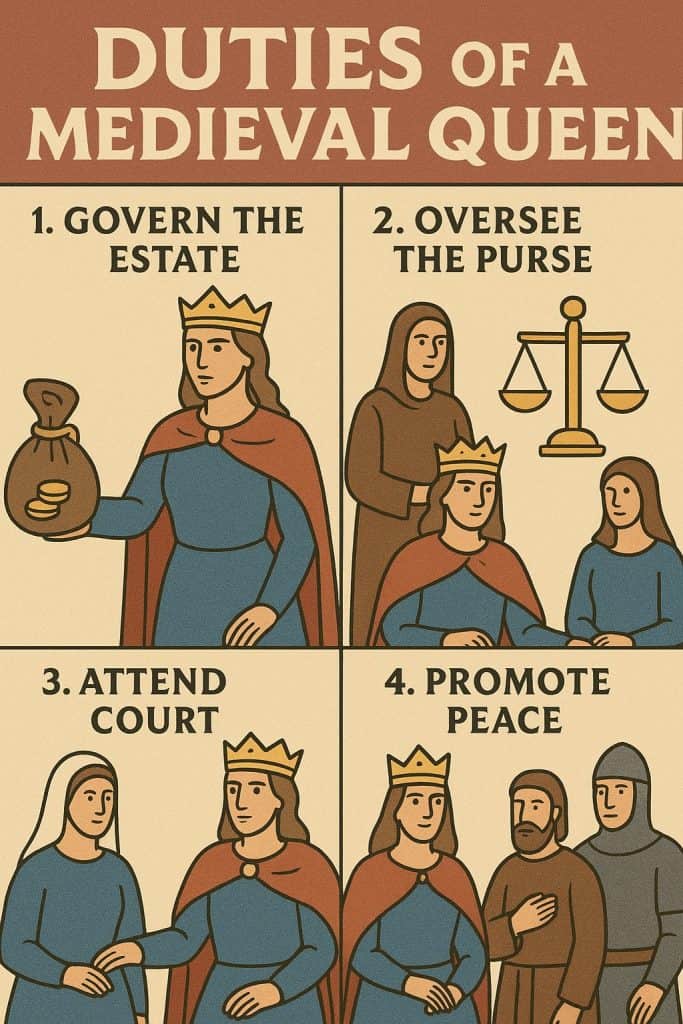
Queens in the high and late medieval periods had multifaceted responsibilities. Their day often began with morning prayers and religious observance, sometimes in the company of attendants or ladies-in-waiting. They attended mass, offered charity to the poor, and participated in court ceremonies.
Queens also influenced governance. They could attend royal councils, offer counsel to the king, negotiate on behalf of the crown, and manage domestic court affairs. A critical duty was ensuring the succession of the royal line, often by producing heirs, but they also acted as patrons, diplomats, and custodians of royal secrets.
Education and Skills
Education for queens typically took place within the royal household. They learned literacy, history, geography, etiquette, and languages, alongside religious studies. This education prepared them to navigate court politics, correspond diplomatically, and manage estates effectively.
Leisure and Pastimes
When not performing official duties, queens engaged in leisure activities such as reading, embroidery, music, and gardening. They socialized with noblewomen, discussed court fashion, and hosted gatherings, which often doubled as subtle venues for political influence.
Clothing and Appearance
Early medieval queens wore layered tunics, belted at the waist, often with simple cloaks and shoes reflecting modesty. By the late medieval period, queens donned floor-length gowns adorned with embroidery and jewels. Head coverings and veils reflected both fashion and social decorum.

Summary: The Influence of Medieval Queens
Medieval queens were central figures in the life of a kingdom. Beyond producing heirs, they influenced policy, patronized the arts, and protected royal interests. Their education, piety, and diplomatic skill allowed them to leave a lasting mark on European history.
👑 Frequently Asked Questions: Medieval Queens
What were the main duties of a medieval queen?
Medieval queens managed courtly affairs, acted as political advisors, represented the kingdom in diplomacy, and produced heirs to secure the royal lineage.
Did medieval queens have political power?
Yes, many queens influenced legislation, advised kings, mediated conflicts, and some even ruled as regents during their husbands’ absences or minority of heirs.
How were queens educated?
Queens received training in religion, history, languages, literature, and etiquette, often surpassing the education of most nobles and preparing them for governance.
What leisure activities did medieval queens enjoy?
Queens spent time socializing with noblewomen, reading, embroidery, music, and managing the household. Some also engaged in hunting or charitable activities.
Why were queens’ fashions so elaborate?
Clothing reflected wealth, status, and authority. Floor-length gowns adorned with jewels signaled a queen’s influence and political importance at court.
👑 Quiz: Medieval Queens
👑 Medieval Queens Glossary
Queen Consort
The wife of a reigning king who could wield influence through counsel, patronage, and courtly presence.
Regent
A queen who ruled temporarily on behalf of a king or heir, often exercising full political authority.
Dowager
A widow of a king who retained status, lands, and influence at court after her husband’s death.
Heir
The next in line to the throne, often a child or young adult whose legitimacy was crucial for dynastic stability.
Court
The royal household and political center where the queen managed her duties and engaged in diplomacy.
📜 References & Sources
These references and academic resources were consulted for accuracy in the research of medieval queens, their roles, and influence:
All sources were reviewed for credibility to ensure accurate representation of medieval queens and their historical context.