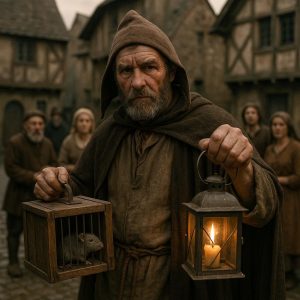
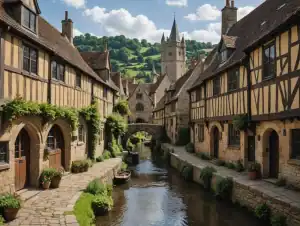
In the bustling and vibrant tapestry of a medieval town, numerous individuals held crucial roles and responsibilities that contributed to the smooth functioning and growth of the community.

From noble lords to skilled craftsmen, each person played a vital part in shaping the economic, social, and cultural landscape of the town.
In this article, we will explore the top 20 most important people in a medieval town, highlighting their roles and the impact they had on the community.
1. Lord/Lady/Mayor
The highest-ranking individual in the town, responsible for governance, administration, and maintaining law and order.
“In a medieval town, the interplay of power and influence was vital to its functioning. From noble lords to skilled craftsmen, these individuals shaped the social fabric and economic prosperity of the community, leaving a lasting impact on the pages of history.”
Dr. Katherine Turner, Medieval Historian and Research Fellow, University of Oxford.
2. Clergy/Priest
Spiritual leaders who oversaw religious affairs, conducted ceremonies, and provided guidance to the townsfolk.

3. Guild Master
Heads of guilds, associations of artisans or merchants engaged in the same trade or craft, responsible for regulating their respective industries.

4. Bailiff
A representative of the lord or local authority, responsible for collecting taxes, maintaining records, and enforcing laws.

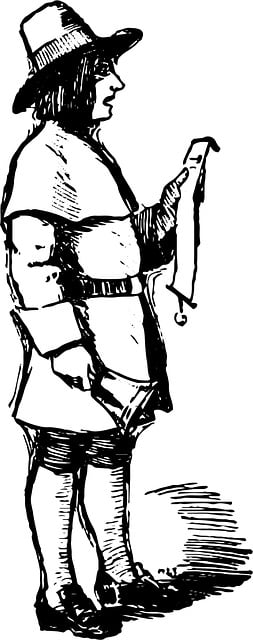
5. Town Crier
An official who made public announcements and disseminated important information to the townspeople.
6. Blacksmith
Skilled craftsmen who forged tools, weapons, and various metal items, essential for trade, agriculture, and defense.

7. Innkeeper
Operated an inn, providing accommodation, food, and a gathering place for travelers and locals.

8. Apothecary
Pharmacists and healers who dispensed remedies, herbs, and medical advice to the townspeople.

“Understanding the hierarchy and roles of the key figures in a medieval town unveils the intricate web of relationships that governed daily life. Through their actions, these individuals propelled economic growth, cultural development, and the resilience of the town, leaving an indelible mark on the medieval landscape.” –
Professor Jonathan Morgan, Medieval Studies Department Chair, University of California, Berkeley.
9. Miller
Operated the town’s mill, grinding grain into flour, a crucial resource for food production.

10. Town Watchman
Maintained the town’s security by patrolling the streets, ensuring safety, and responding to emergencies.

11. Judge
Presided over legal matters, settling disputes, and ensuring justice within the town.

12. Merchant
Engaged in trade, importing and exporting goods, contributing to the town’s prosperity.

13. Schoolmaster
Educated the town’s children, teaching basic reading, writing, and arithmetic.

14. Tanner
Processed animal hides into leather, a vital material for clothing, footwear, and other goods.

15. Baker
Produced bread and other baked goods, essential for sustenance and a staple of the medieval diet.

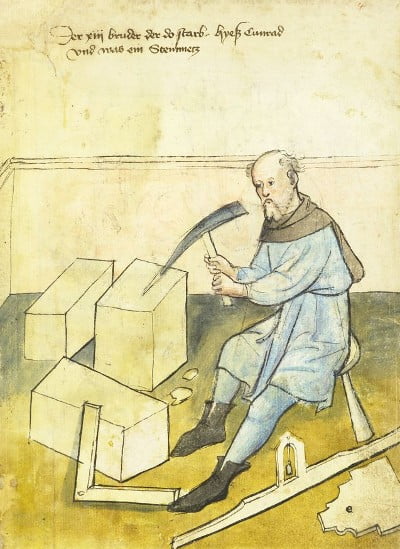
16. Mason
Skilled craftsmen involved in the construction and maintenance of buildings and structures.
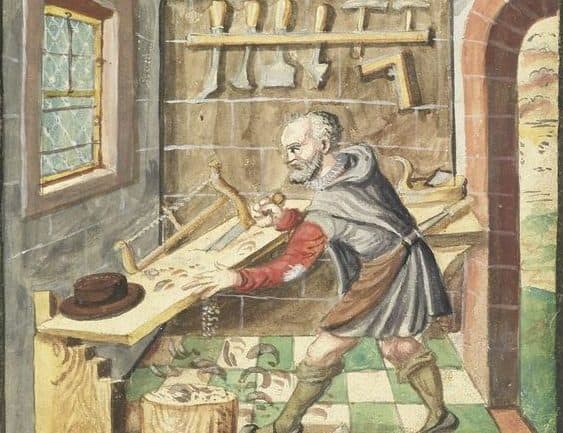
17. Carpenter
Crafted wooden items, including furniture, tools, and structures, contributing to the town’s infrastructure.
18. Town Physician
Provided medical care, treatments, and advice to the townspeople, tending to their health and well-being.

19. Moneylender
Facilitated financial transactions, provided loans, and managed the town’s monetary affairs.

20. Minstrel
Entertained the townspeople with music, songs, and storytelling, adding a touch of joy and merriment to their lives.

These individuals, among many others, formed the backbone of a medieval town, each fulfilling a vital function that contributed to the town’s prosperity, growth, and communal harmony.