
Step back into the Middle Ages and discover the fascinating world of medieval hairstyles — from the simple cropped cuts of peasant men to the braided elegance of noblewomen. Across Europe’s feudal society, headwear played as much of a role as hair itself, with styles like the tonsure for monks, chainmail coifs for knights, and kerchiefs and wimples for everyday women. Whether practical, symbolic, or status-driven, these historical hairstyles reveal a rich tapestry of medieval fashion, class, and culture.
What Were Common Medieval Hairstyles and Headwear?
Medieval hairstyles varied widely based on gender, class, and local custom, while headwear often signaled a person’s status, occupation, or marital role. From practical coverings worn by peasants to elaborate styles and veils favored by nobility, hair and headpieces were shaped by daily life, church norms, and changing fashion trends across the Middle Ages.
- Peasants & Workers – Hair was usually kept simple and practical. Men often wore short cuts or a pageboy-style trim, while women commonly braided hair and covered it with linen veils, wimples, or kerchiefs for work and modesty.
- Townspeople & Merchants – Styles tended to be neat and fashionable without being extravagant. Men might wear chin-length hair and trimmed beards, while women used braids, nets, and structured headwear like coifs or fillets.
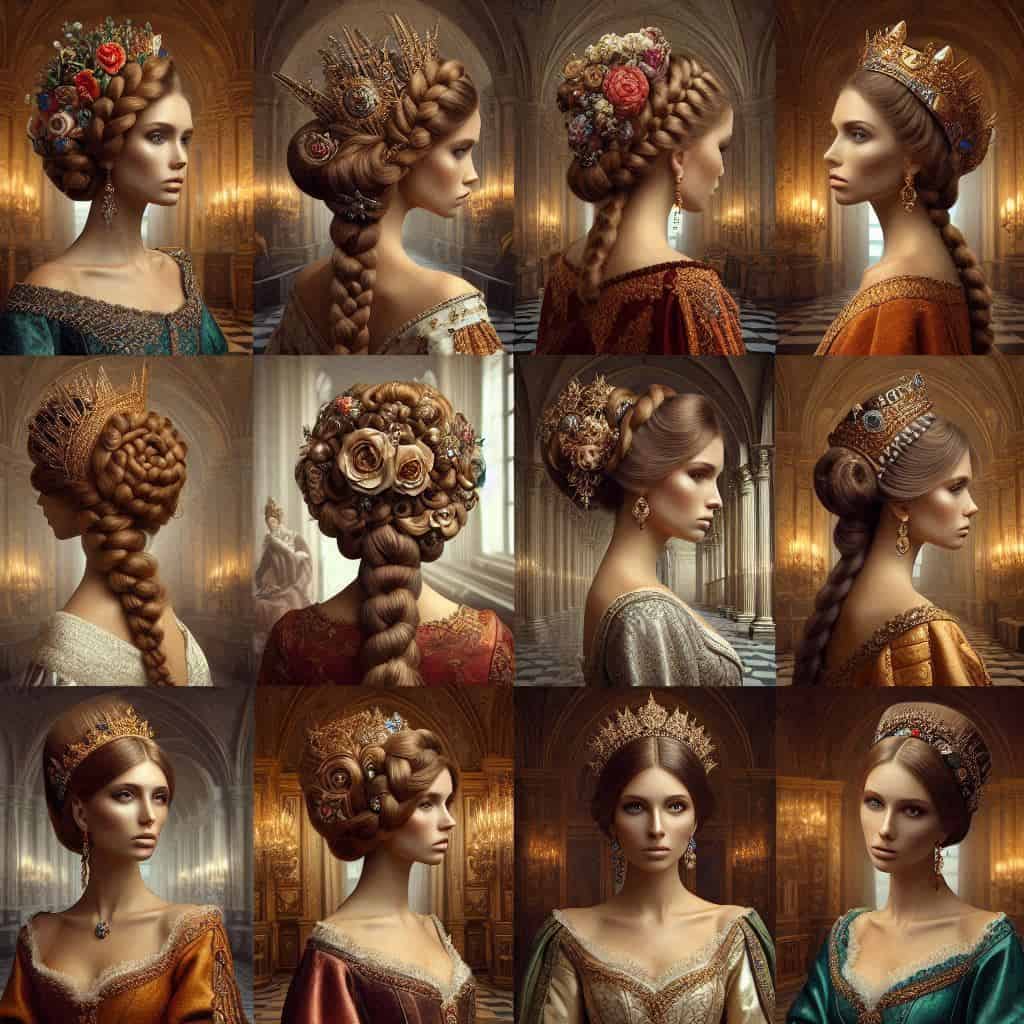
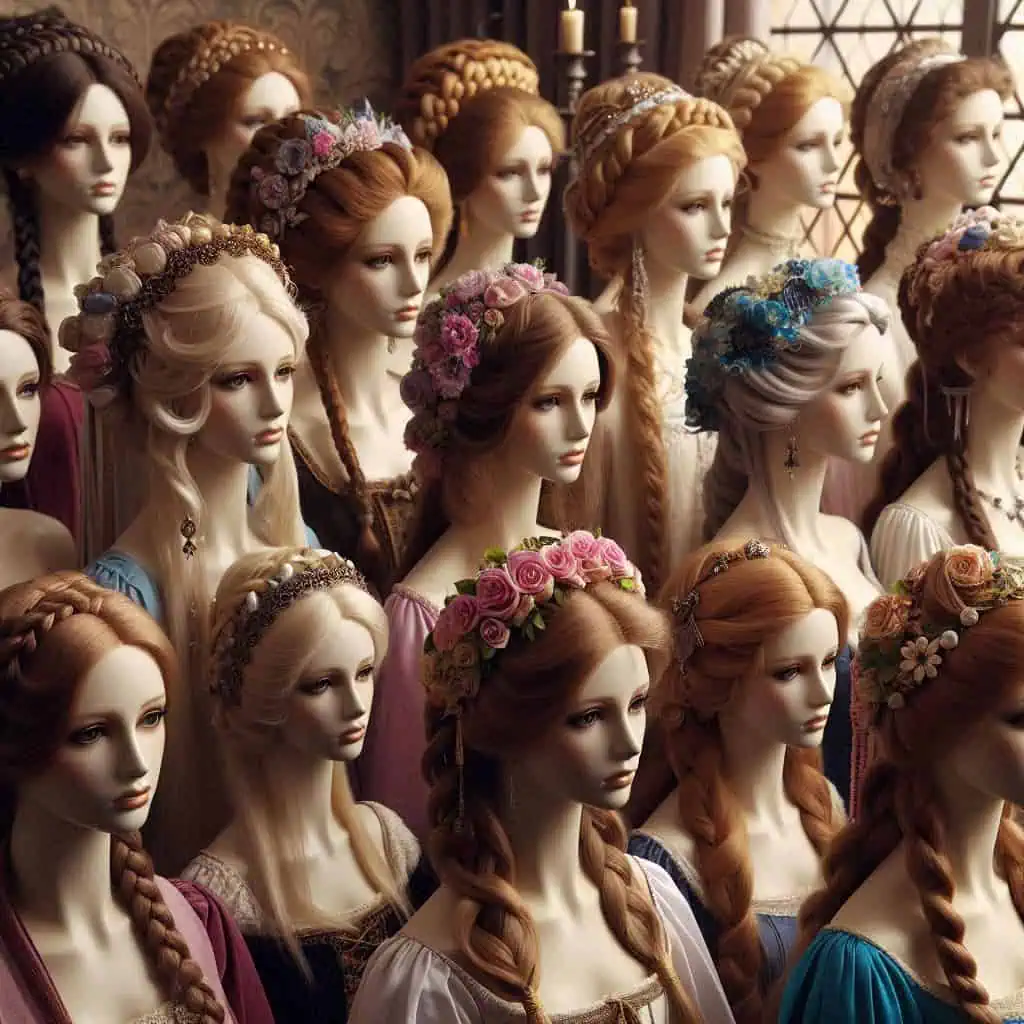
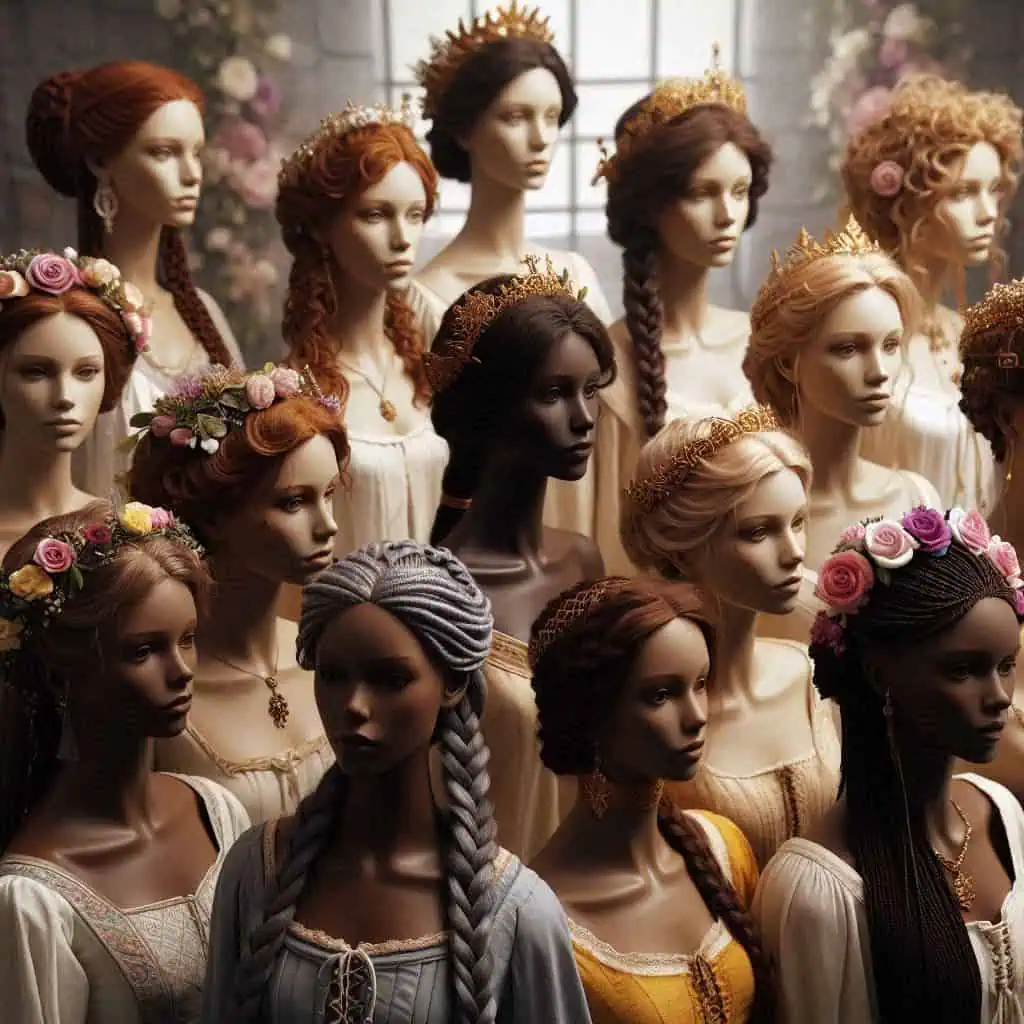
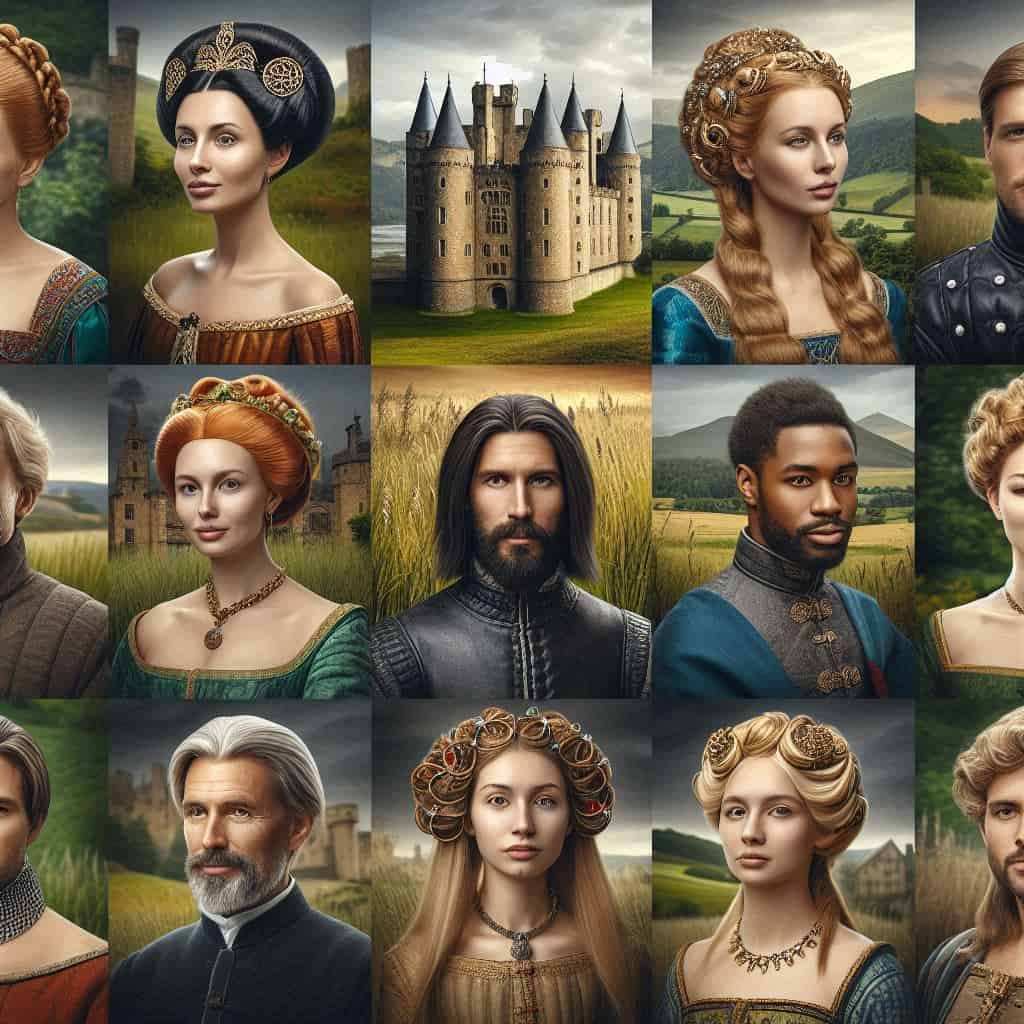
- Nobility & Court Fashion – Elite styles were often more elaborate and changed quickly with trends. Women might wear hair in decorated braids, rolled side buns, or under ornate pieces like barbettes, crespinets, veils, and later hennins. Noble men sometimes favored longer hair, styled with careful grooming and occasionally paired with fashionable hats or hoods.
In many medieval communities, head coverings were not just fashion—they were tied to religious expectations and social identity. Women were often expected to cover their hair in public, while distinctive hats, veils, and hoods could immediately indicate rank, region, or profession.
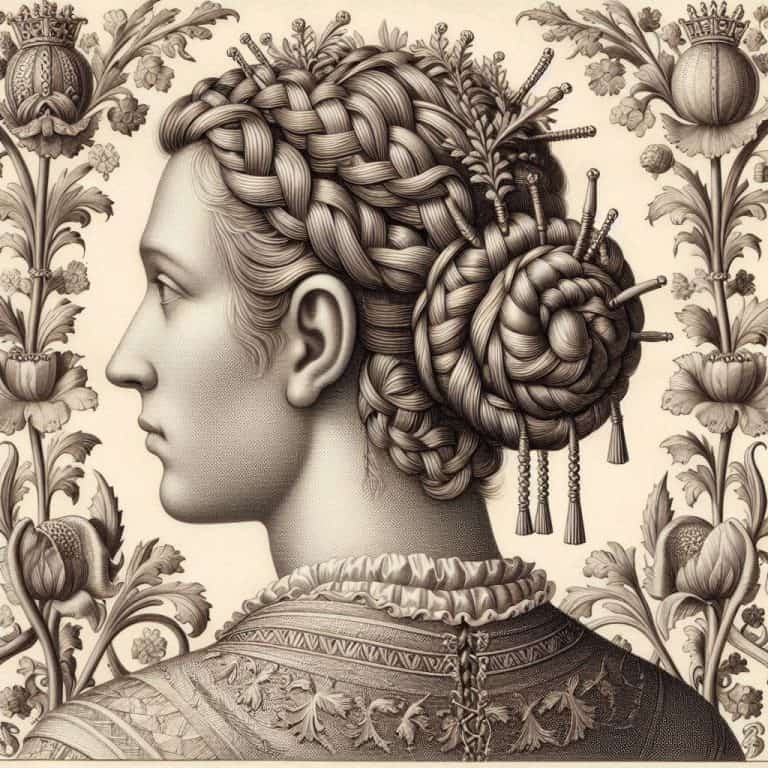
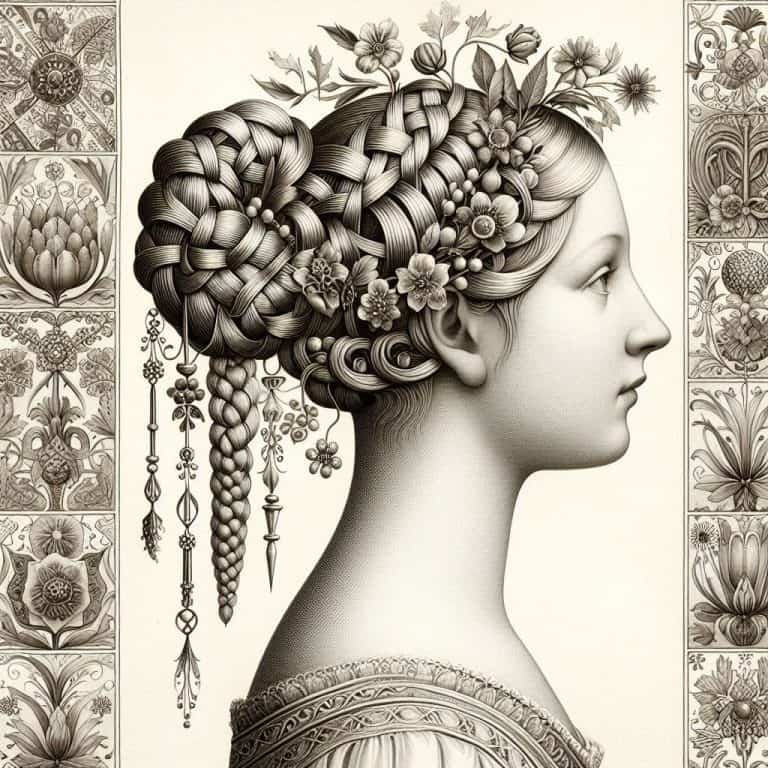
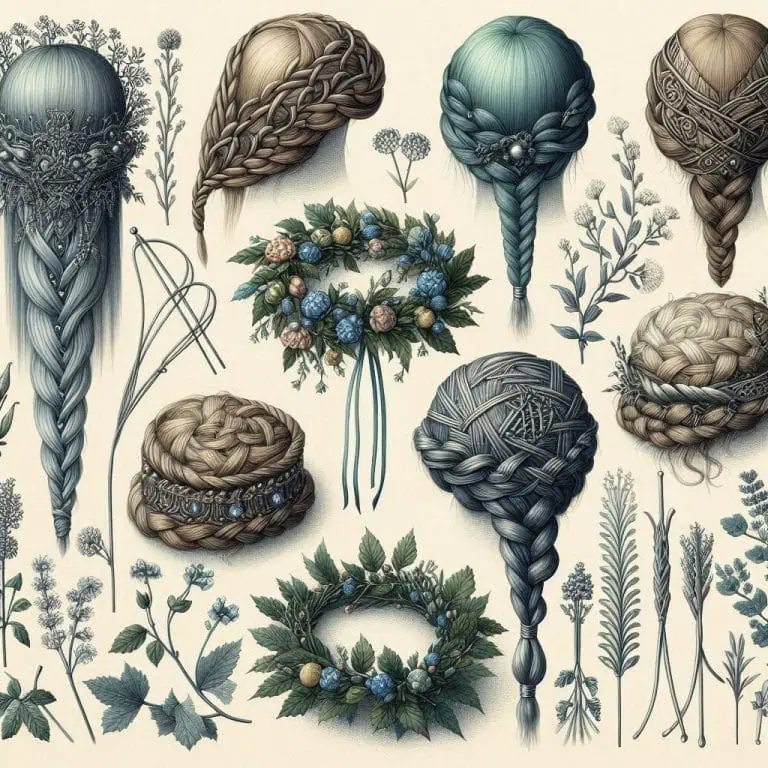
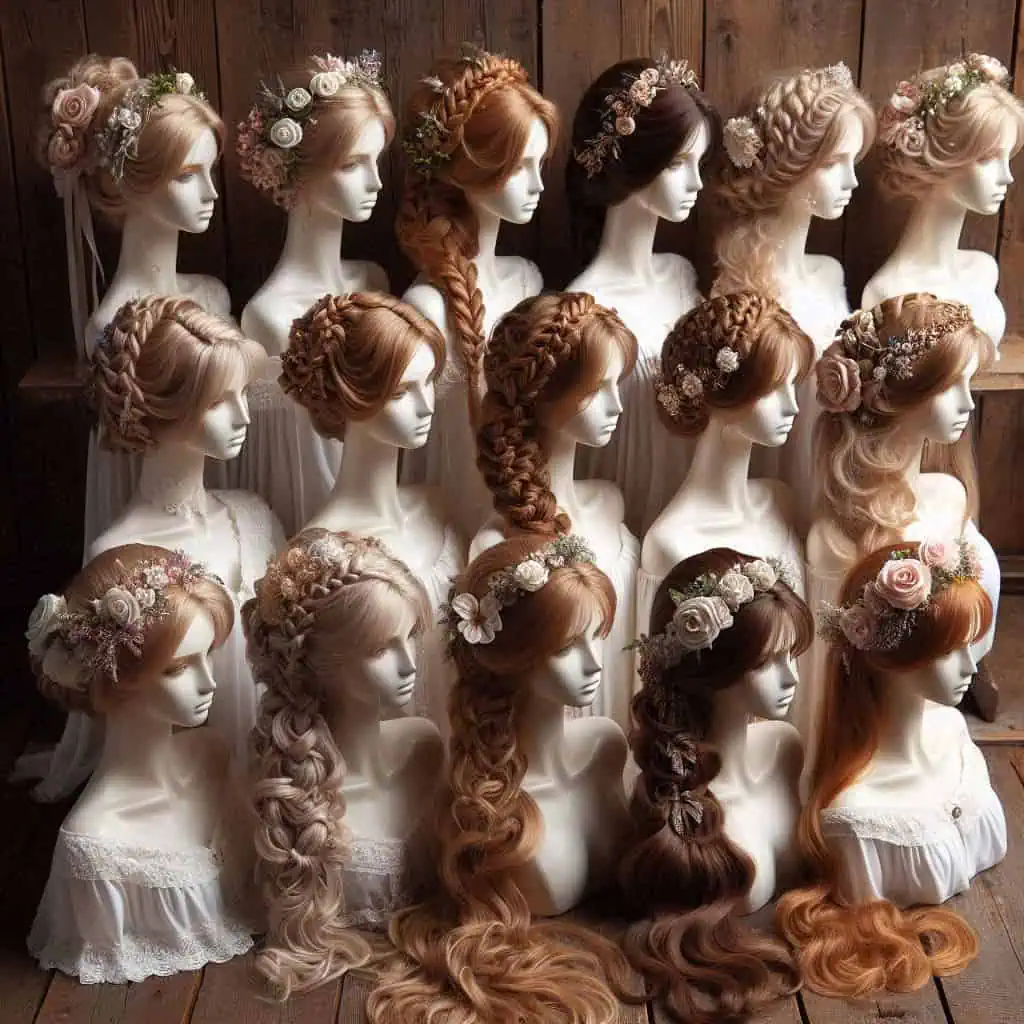
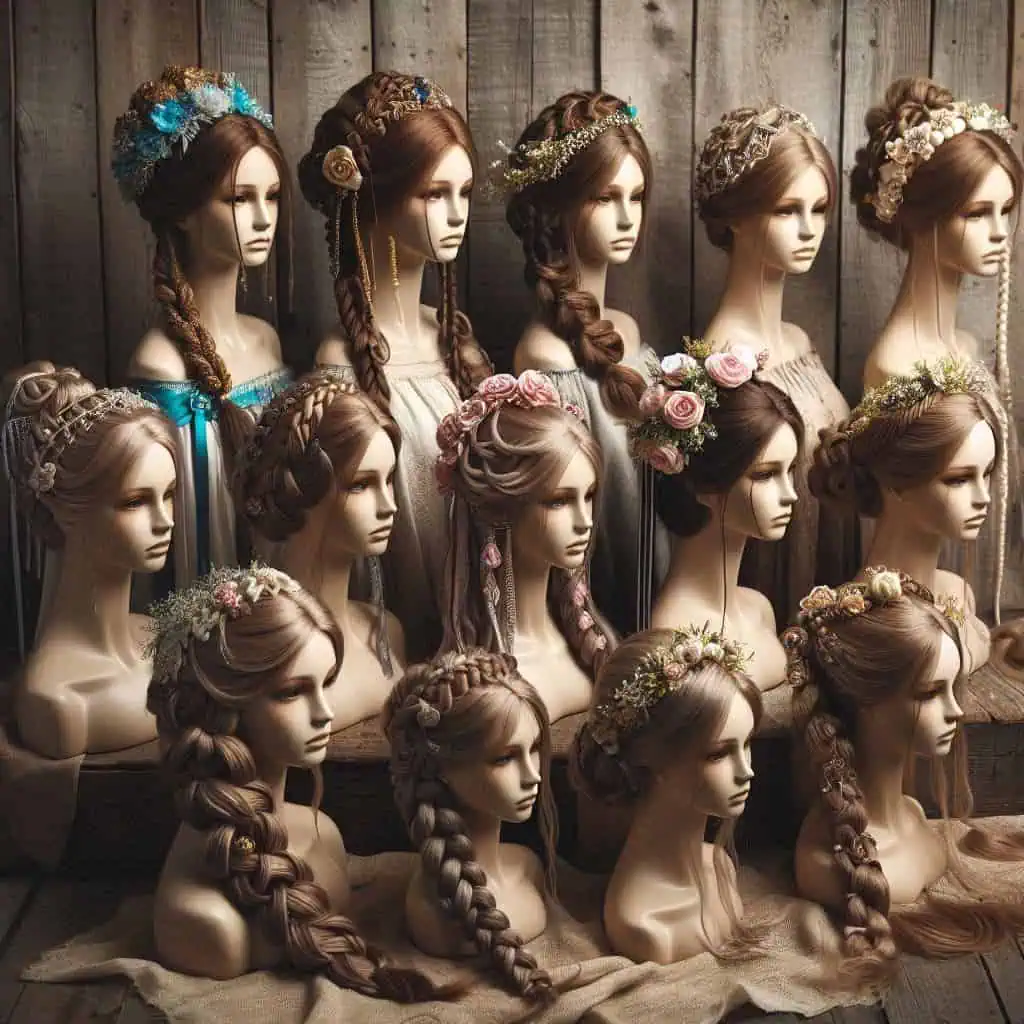
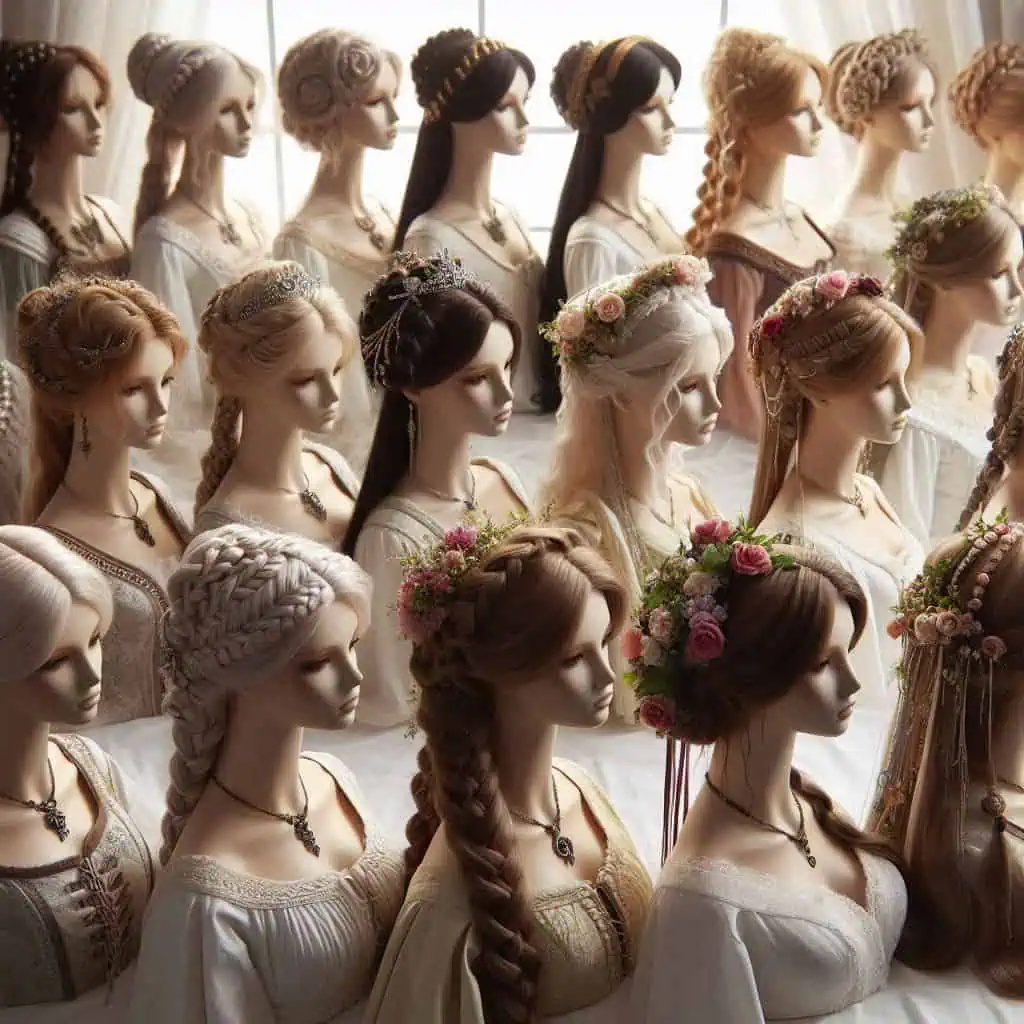
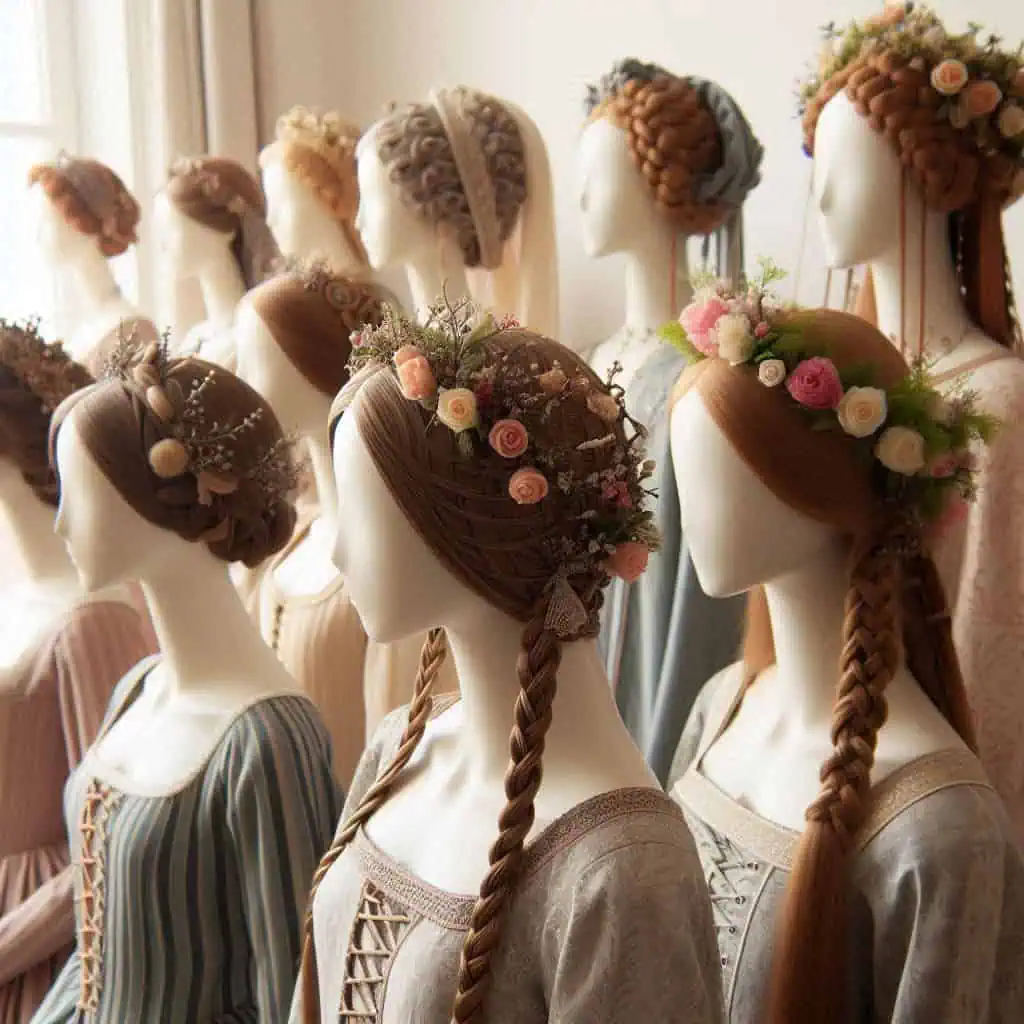
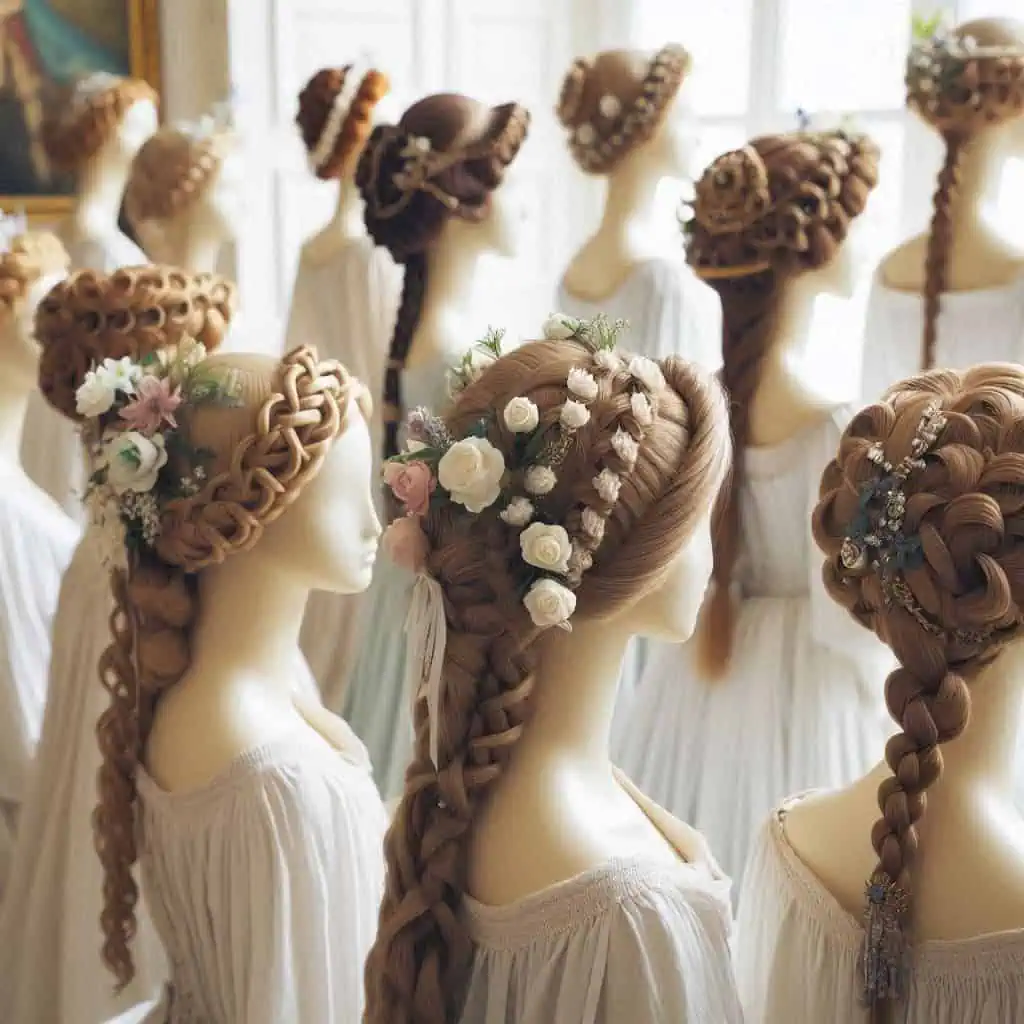
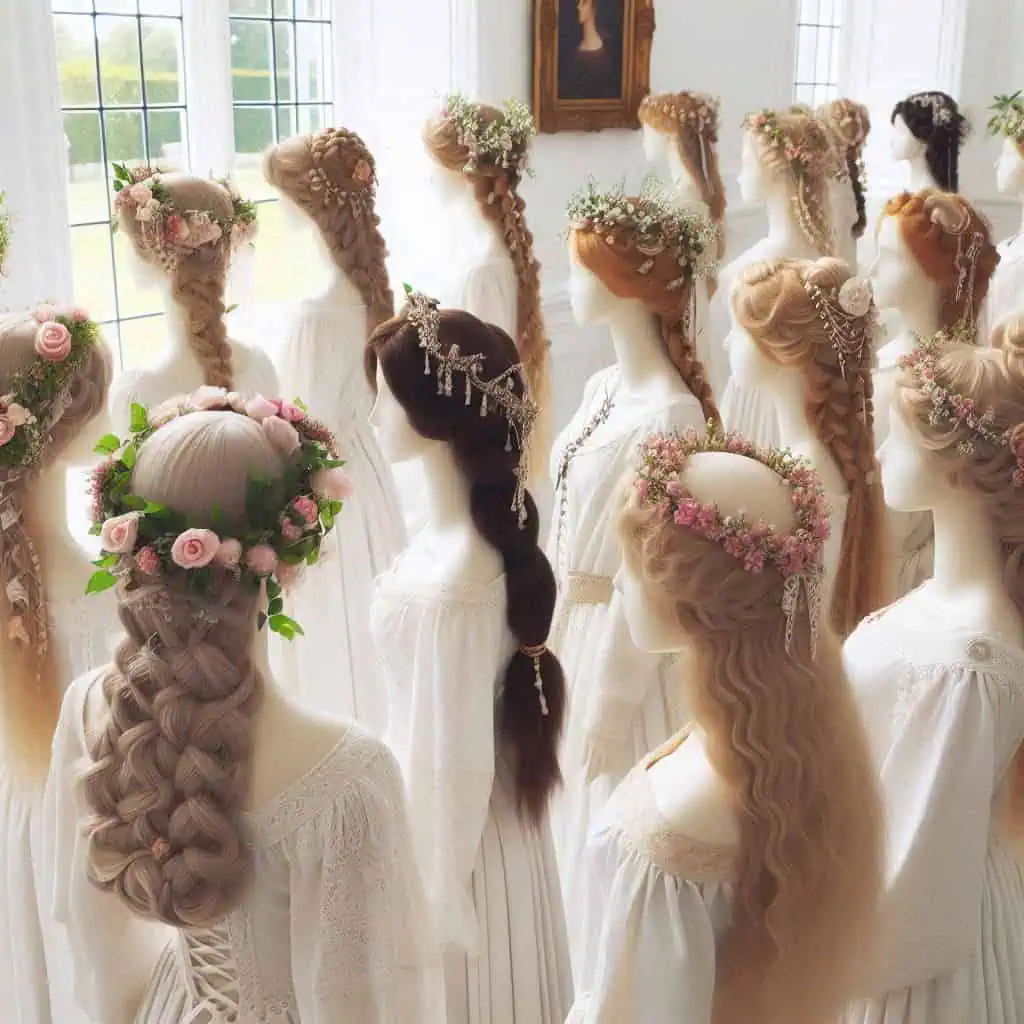
Among the upper classes, braids and buns were especially popular, often styled into elaborate forms using metallic wires and silk ribbons. Floral garlands, leaf bands, and decorative fabric were also commonly woven into these intricate medieval hairstyles, reflecting both fashion and social status.
The variety of medieval women’s hairstyles far exceeded that of men, thanks to greater freedom in styling options. Women often adorned their hair with colorful ribbons, fresh flowers, and crafted their locks into intricate braids and elegant arrangements, showcasing both creativity and social expression.

Medieval Peasant Women Hairstyles and Headwear – Simple Styles & Traditional Covers
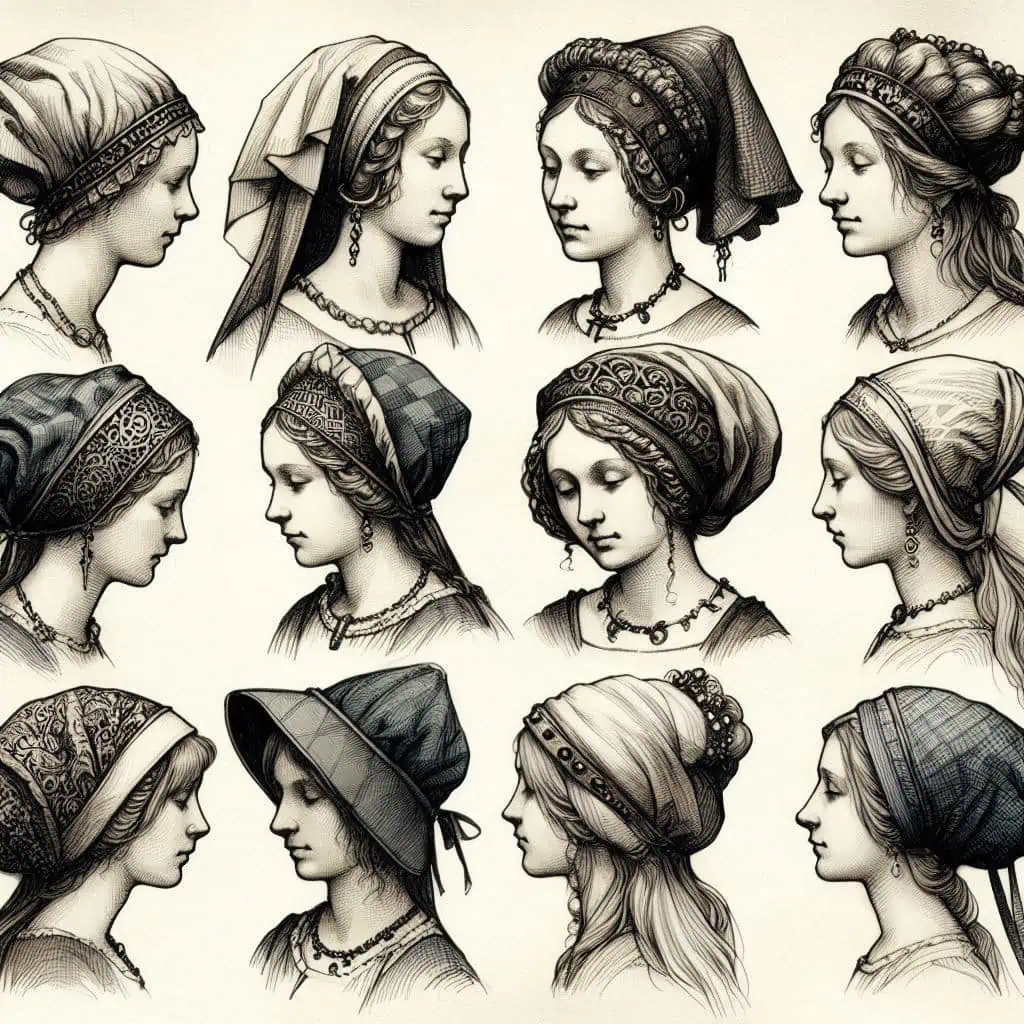
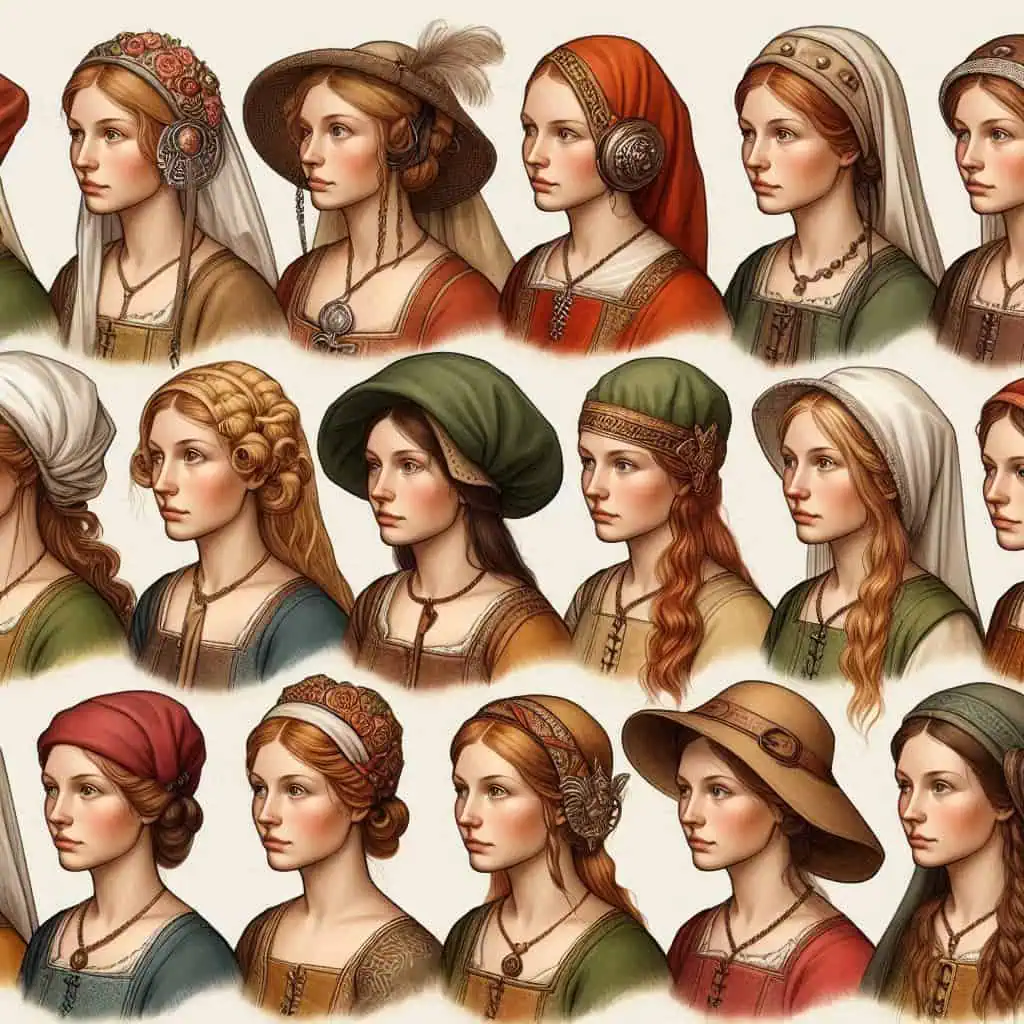
Among medieval peasants, women’s hairstyles were practical yet varied, shaped by daily labor and local customs. Typically, hair was braided or gathered into simple buns, often hidden beneath linen coifs or kerchiefs to keep it clean and protected. Unlike the elaborate styles of the nobility, peasant women favored modest headwear made from plain fabrics, reflecting their social standing while providing functionality. Despite their simplicity, these hairstyles and coverings were an essential part of medieval peasant identity and tradition.


Medieval Peasant Men Hairstyles and Headwear
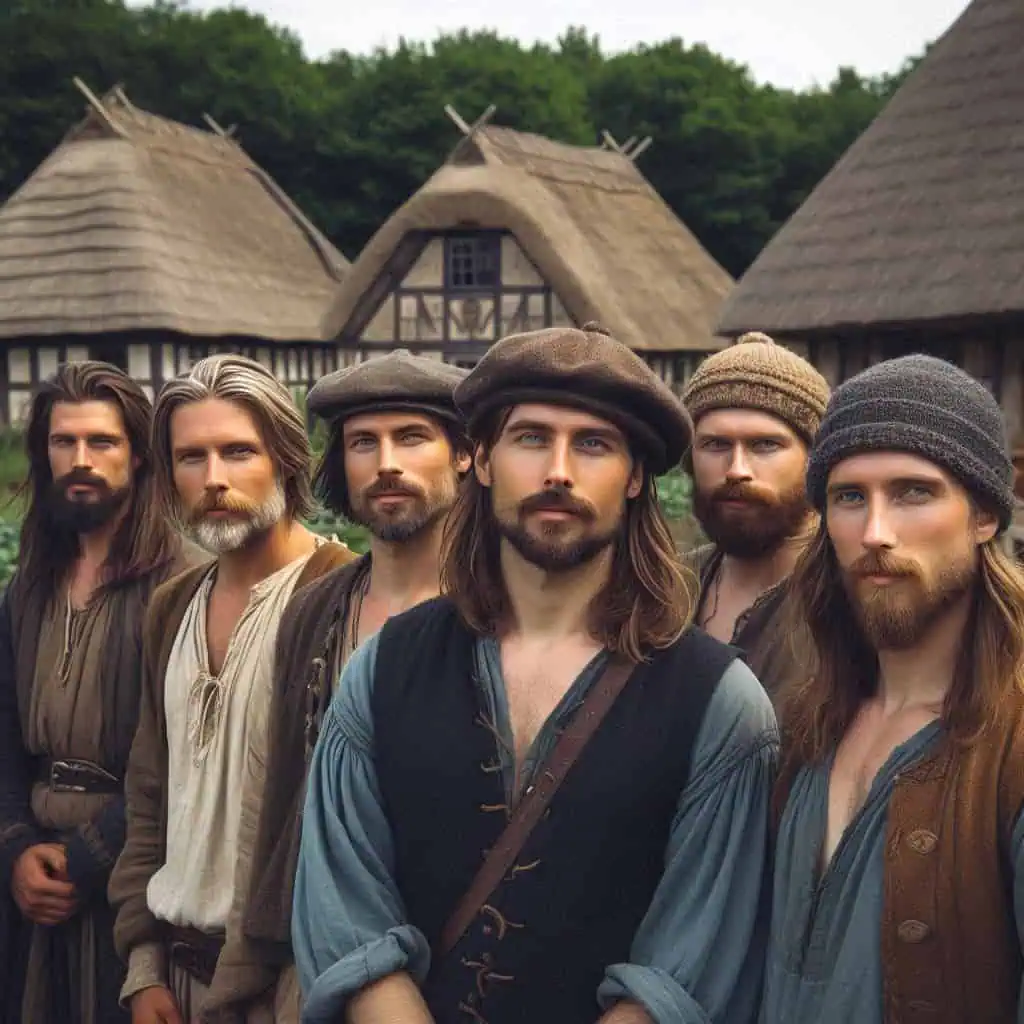
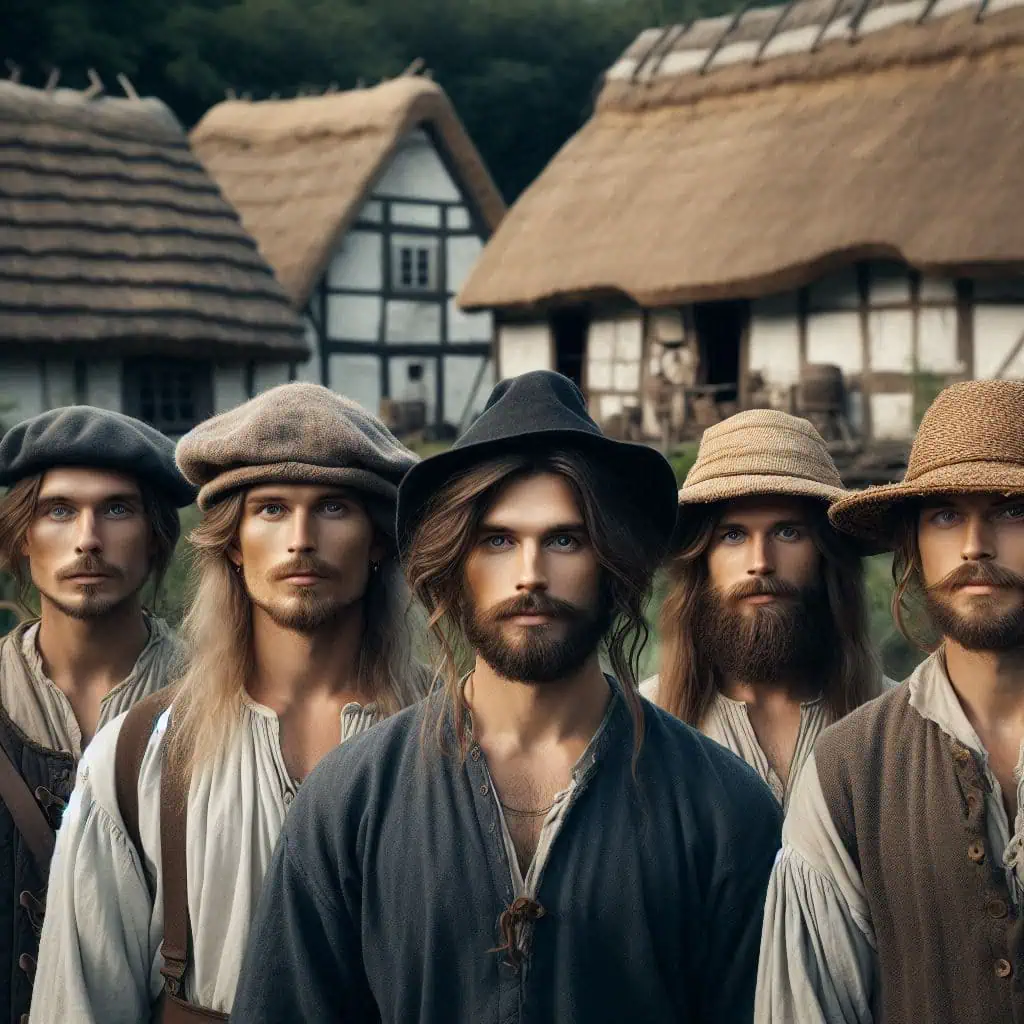
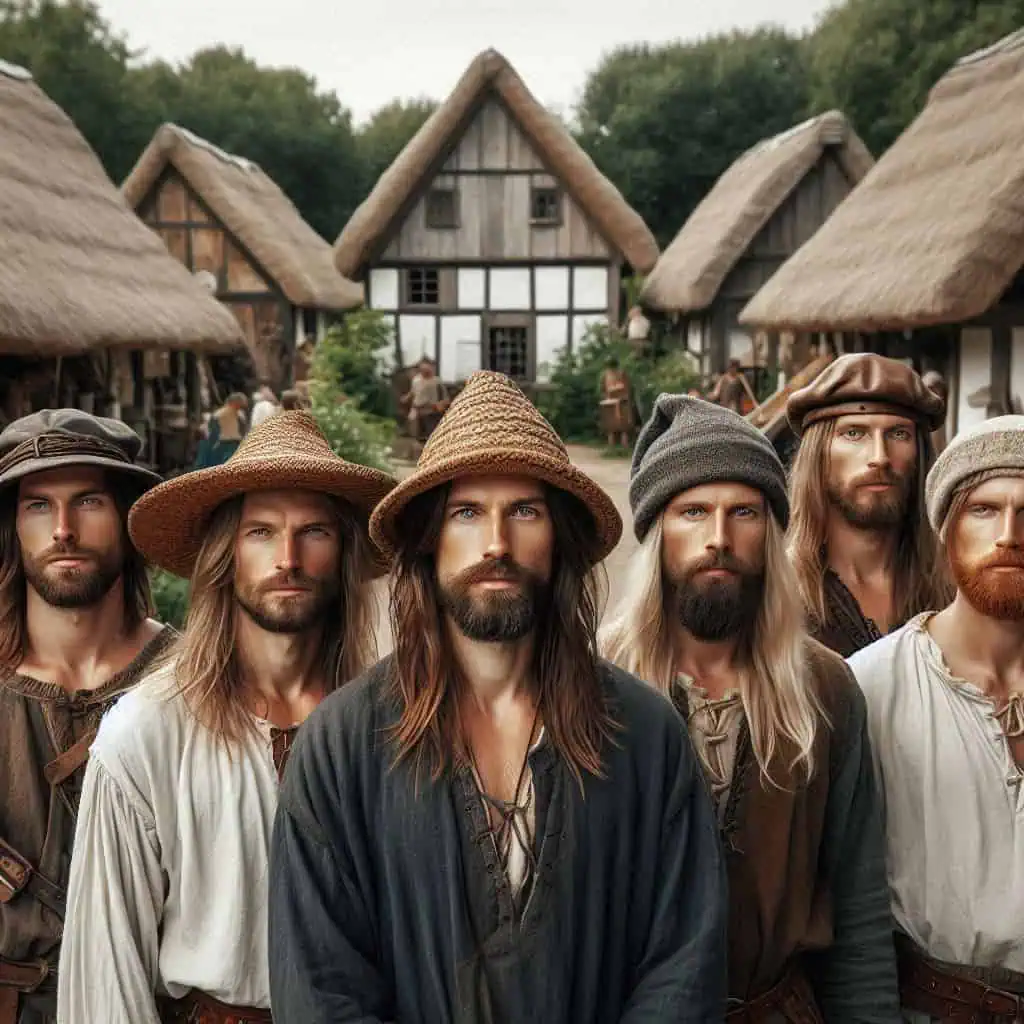
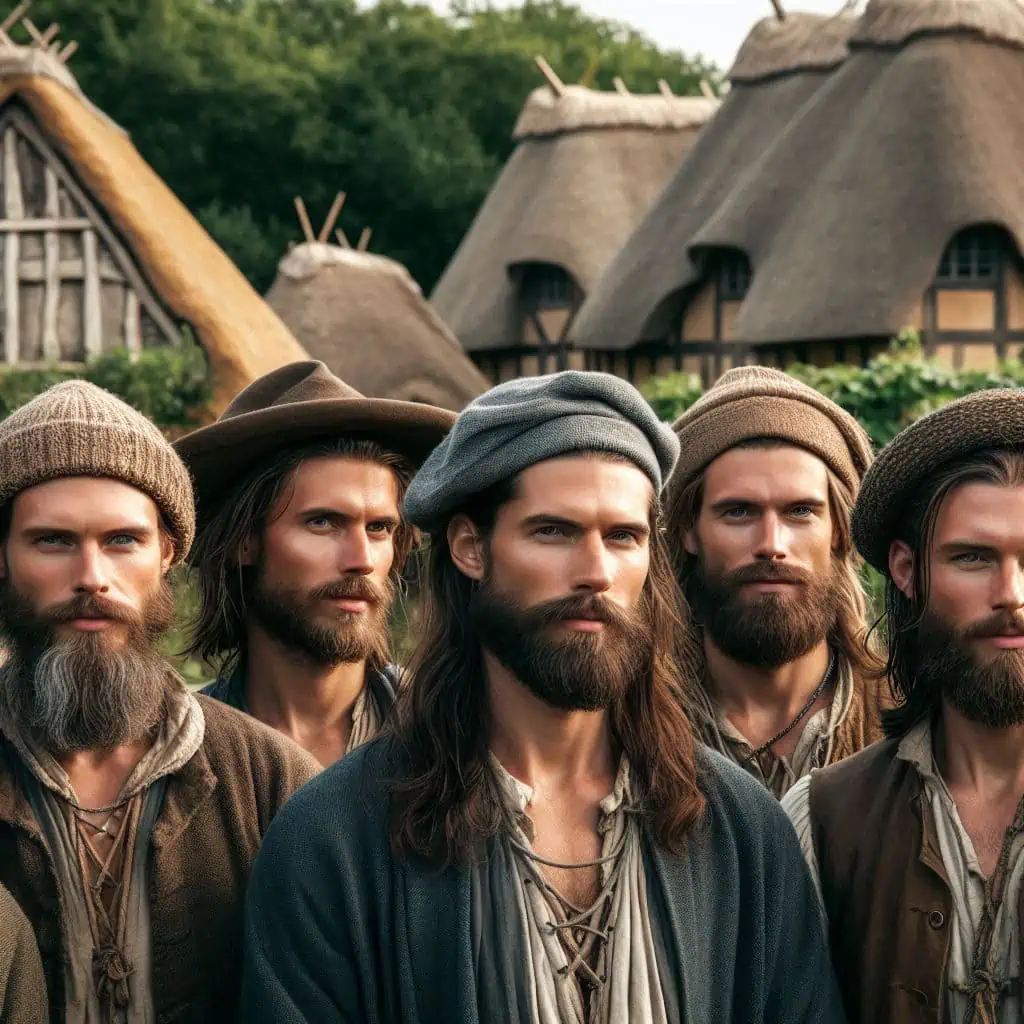
Medieval peasant men typically kept their hairstyles simple and practical, often sporting short or cropped haircuts that required minimal care. To protect their heads from the elements, men commonly wore woolen caps, linen coifs, or hoods, which also served as basic headwear during work and travel. Unlike the intricate styles of the upper classes, peasant men’s hairstyles and head coverings were focused on functionality and durability, reflecting their labor-intensive lifestyle and modest means.
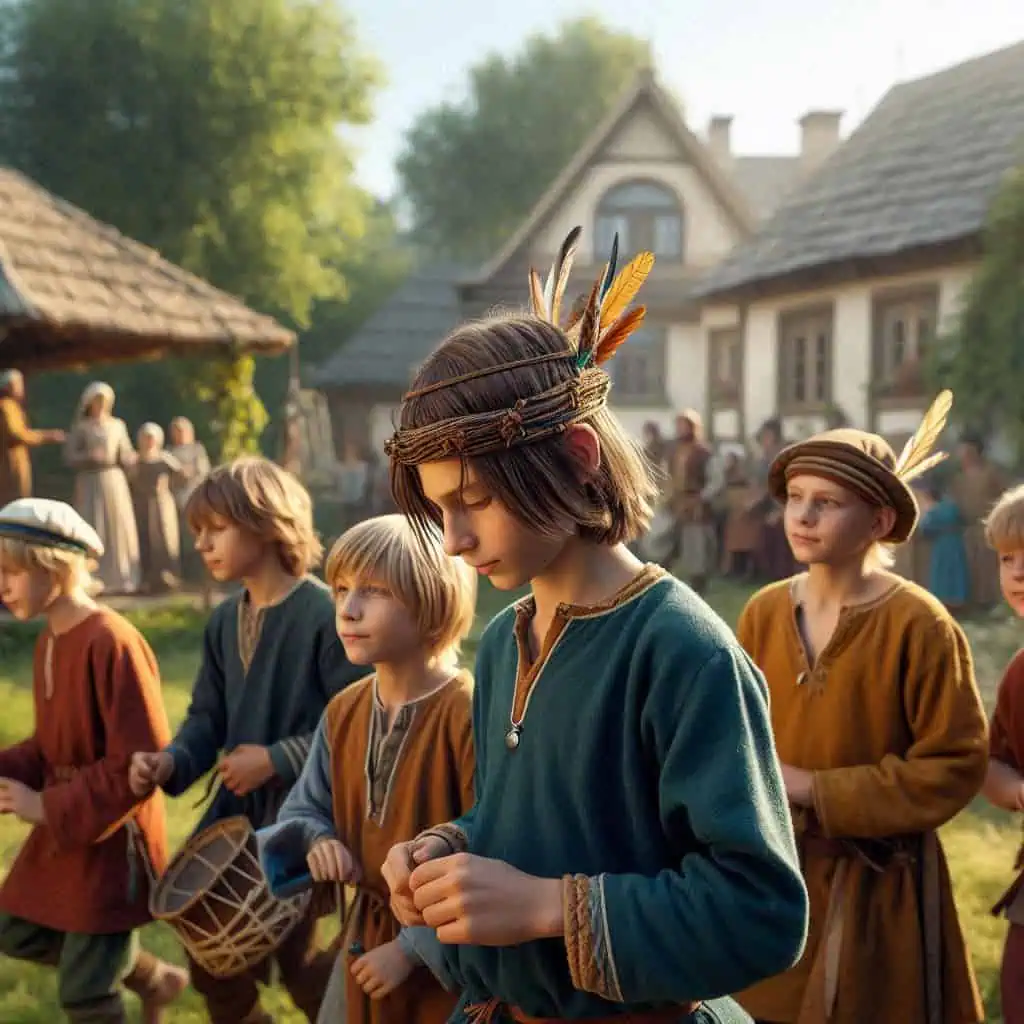
Medieval Peasant Boys Hairstyles and Headwear
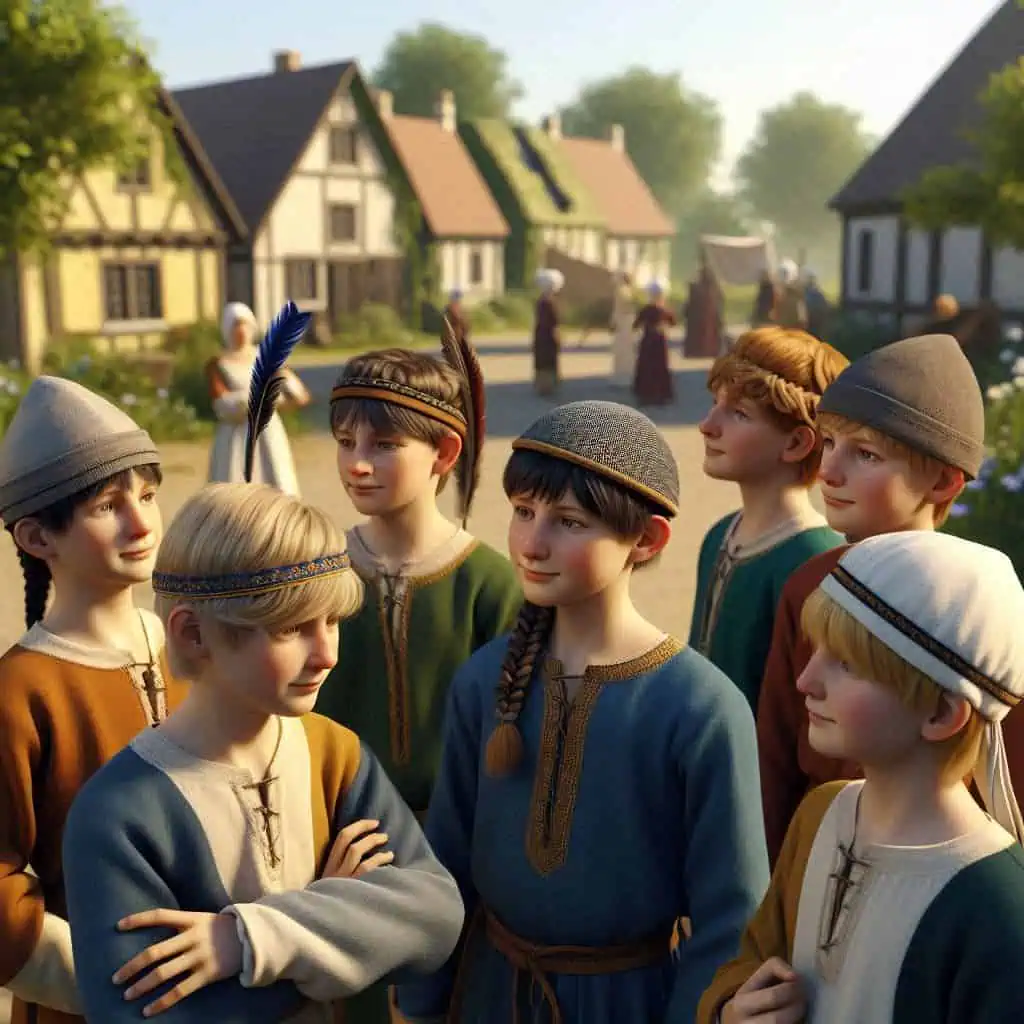
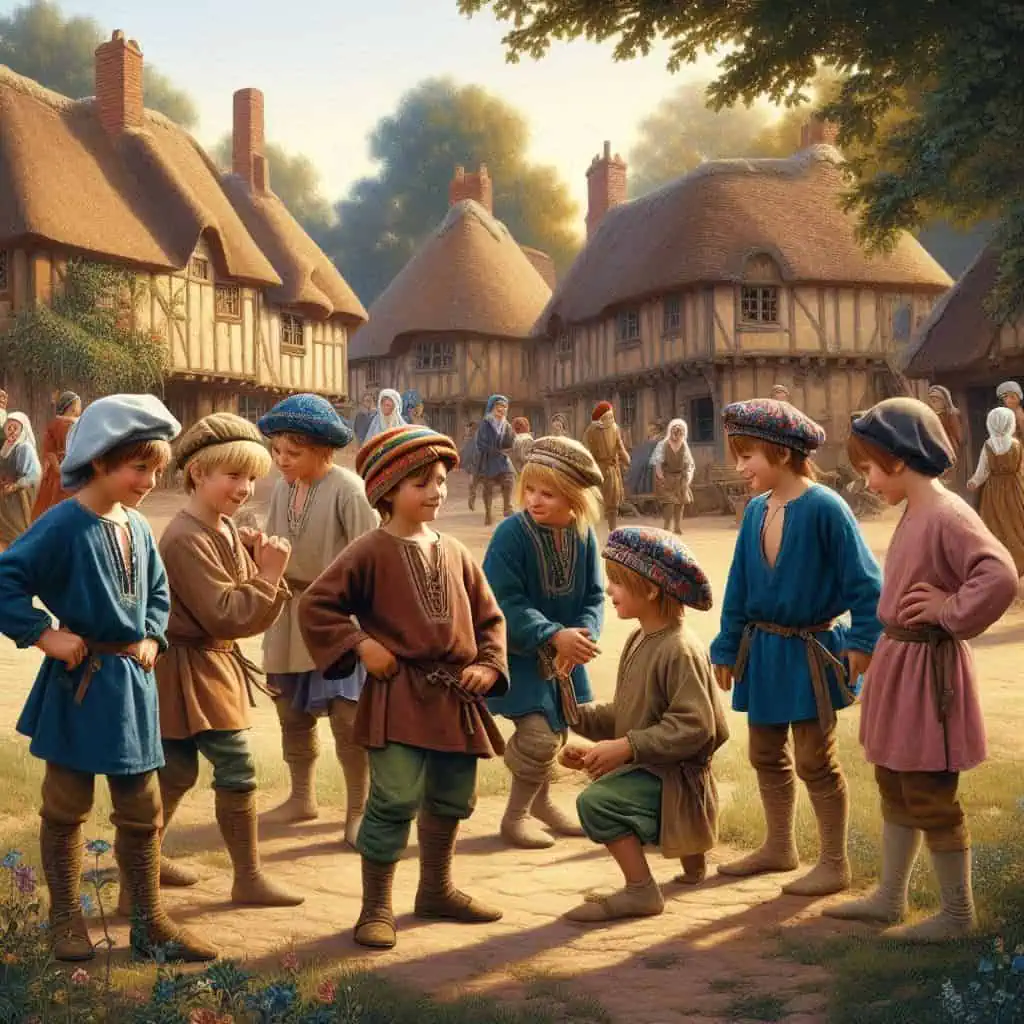
Medieval peasant boys wore simple and practical hairstyles that suited their active, outdoor lifestyles. Their hair was often kept short or in basic bowl cuts, easy to maintain and clean. Like adults, boys commonly wore linen caps, woolen hoods, or other modest headwear to protect them from the weather while working or playing. These straightforward hairstyles and coverings reflected the peasant class’s practical needs and limited resources, providing insight into the daily lives of medieval rural children.

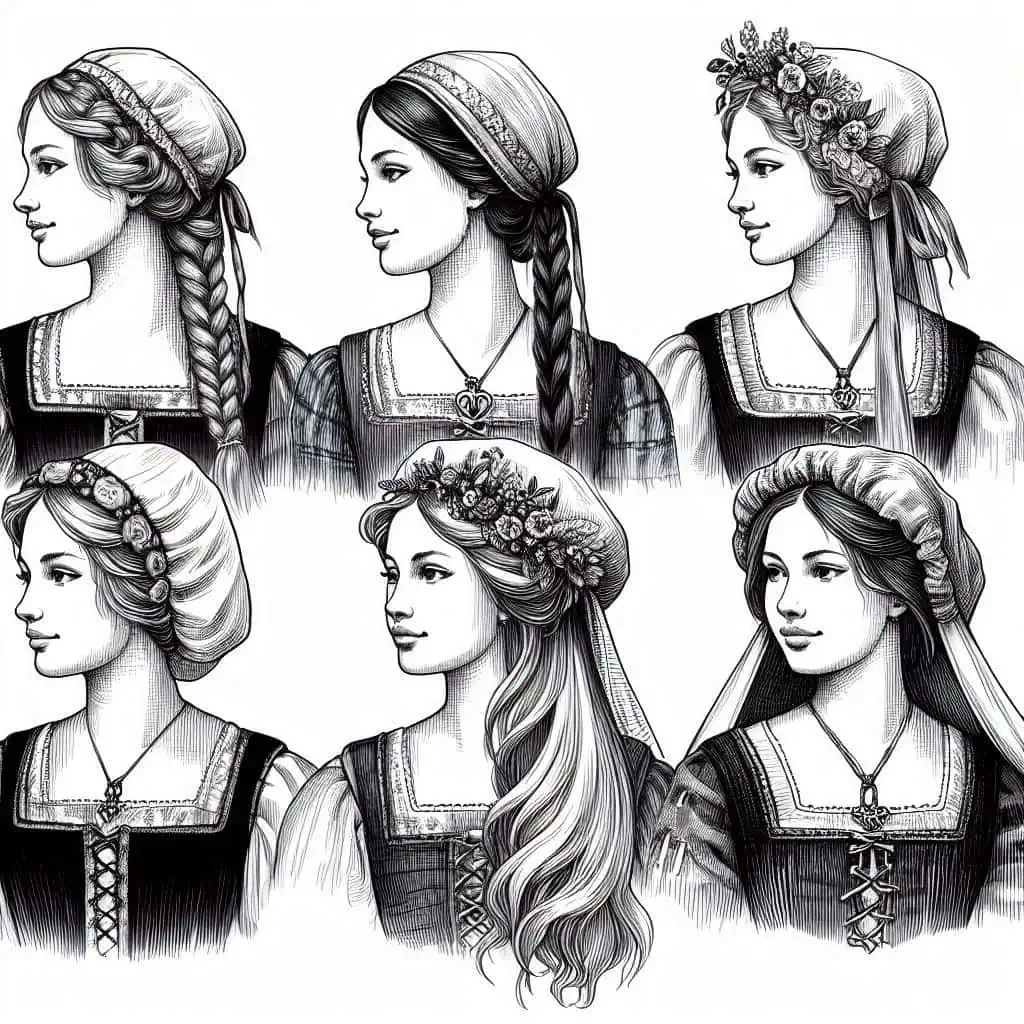
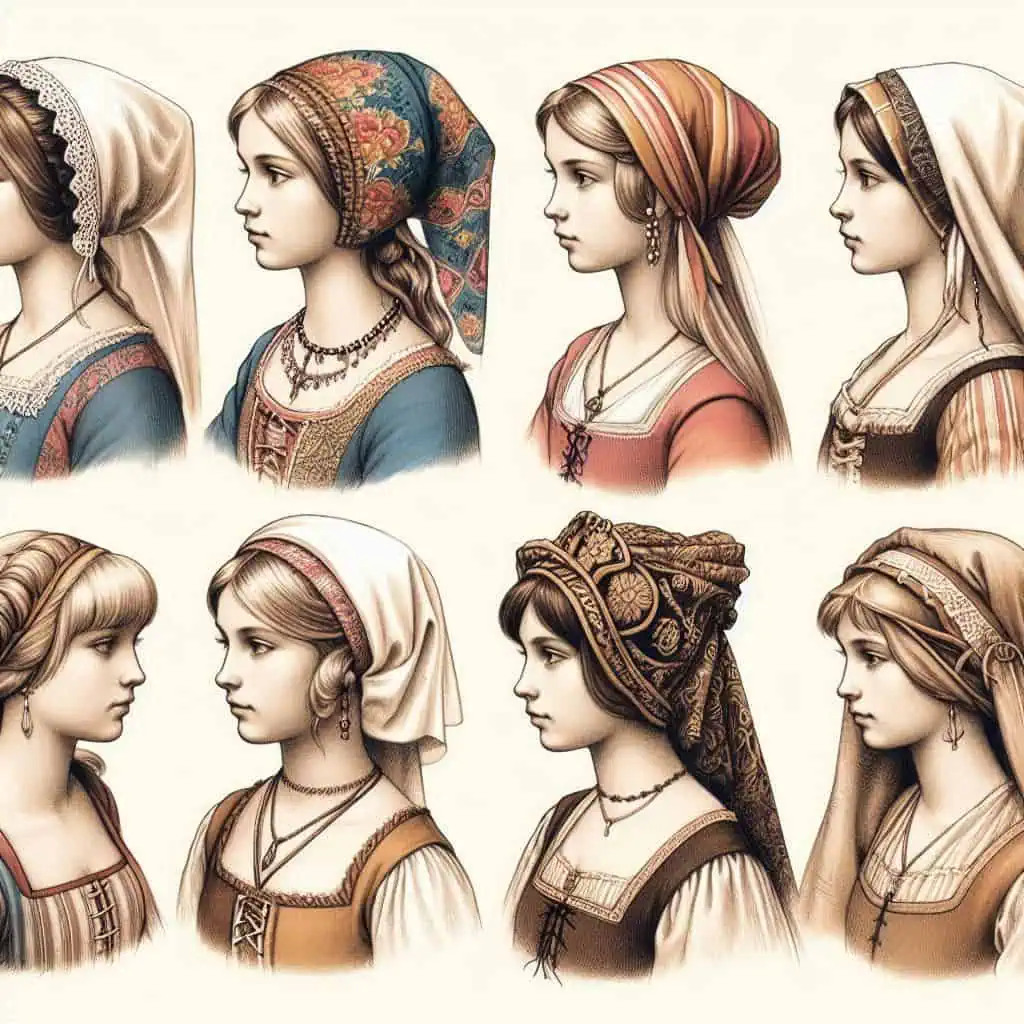
Medieval peasant girls typically wore their hair in simple braids or loose styles, often covered by practical kerchiefs, coifs, or soft caps to protect their hair during daily chores. These modest hairstyles and headwear reflected their rural lifestyle and social status, combining functionality with traditional customs. Understanding these everyday styles offers a glimpse into the fashion and culture of medieval peasant children.


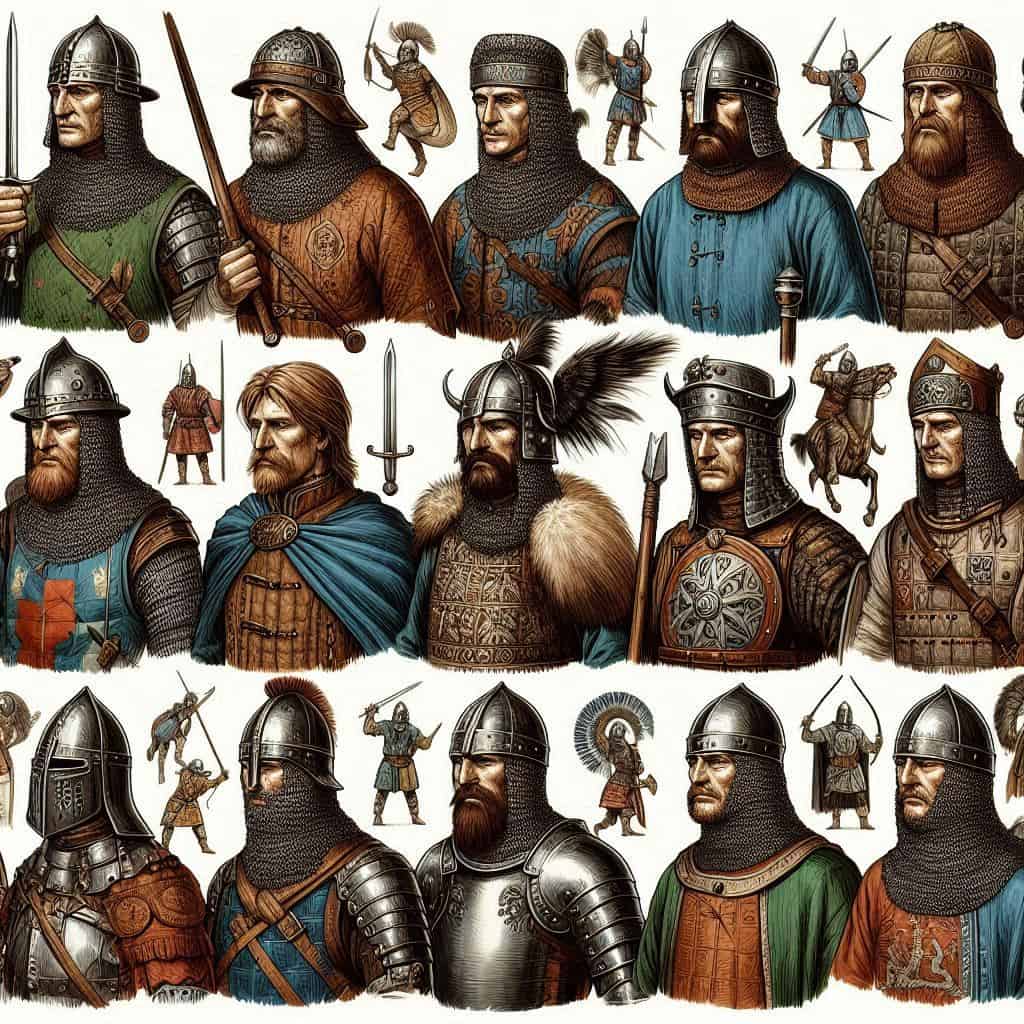
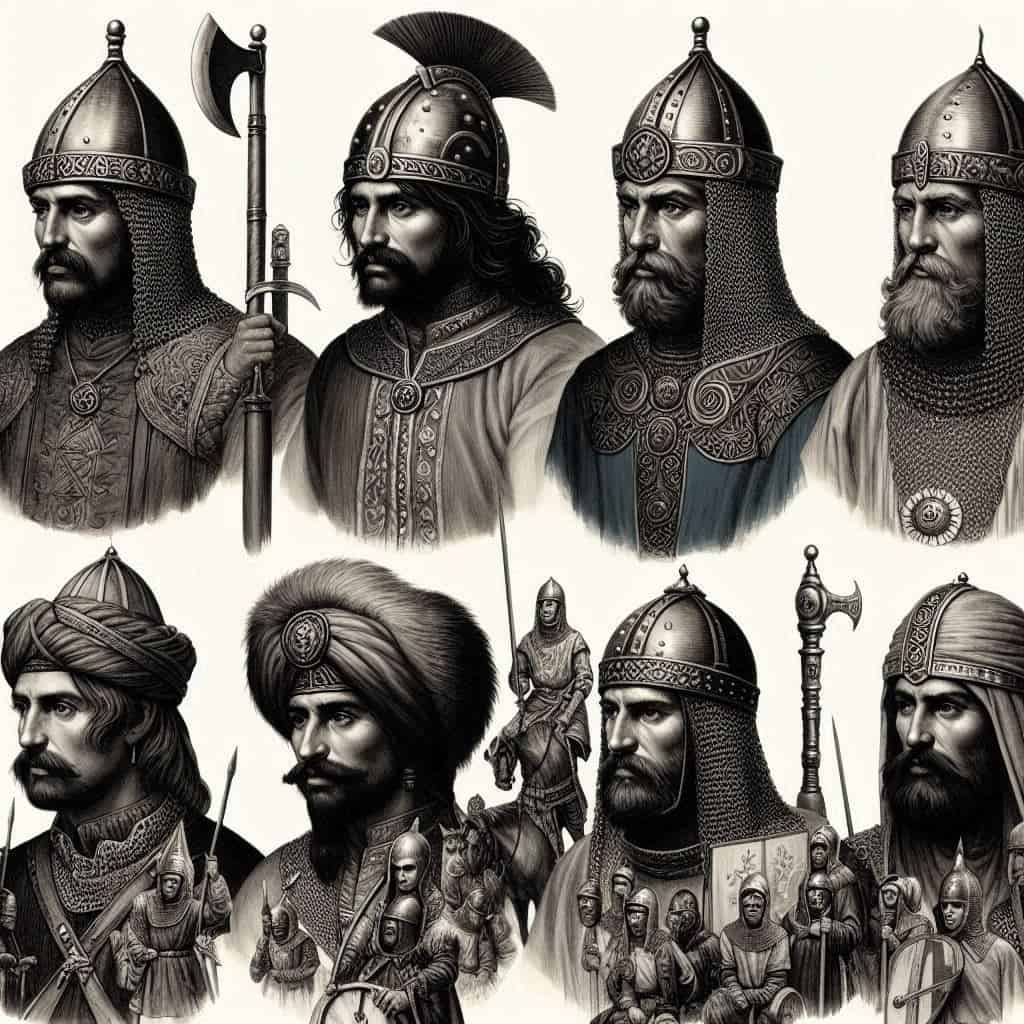
Medieval Warriors and Knights Hairstyles and Headwear
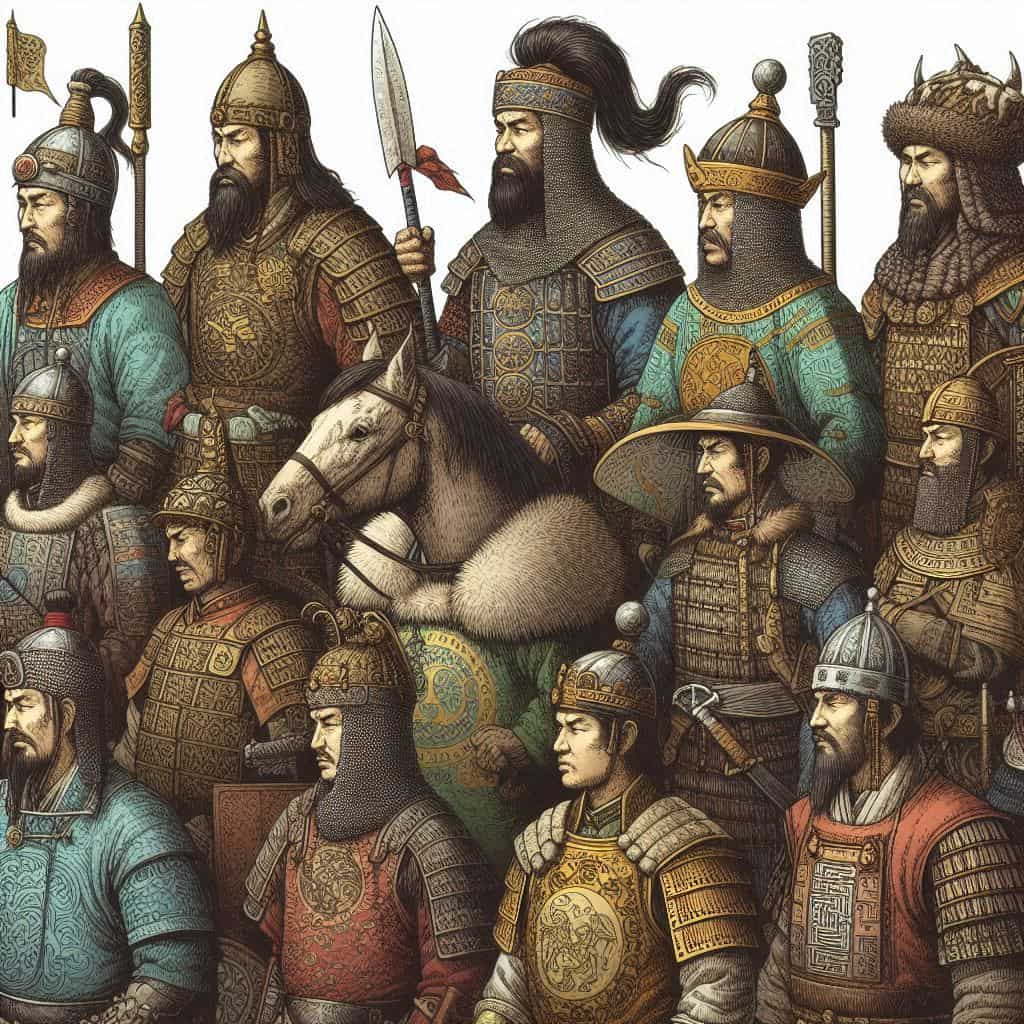
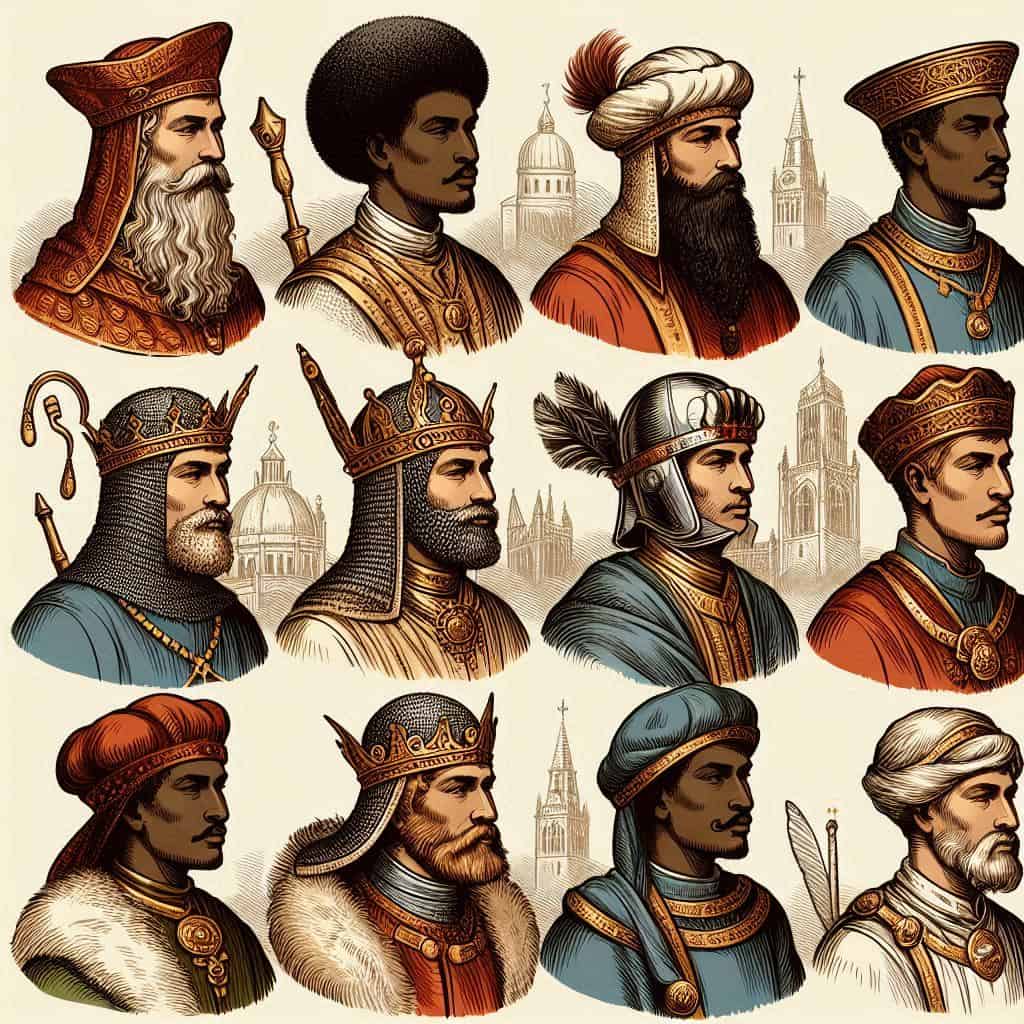
Medieval warriors and knights often wore practical yet distinctive hairstyles that balanced protection and style. Their hair ranged from short cuts to shoulder-length, typically worn under chainmail coifs, helmets, or leather hoods for battle. Beyond functionality, these head coverings and hairstyles also signified rank and identity on the medieval battlefield. Exploring their hair and headwear reveals much about the military culture and social status of medieval combatants.

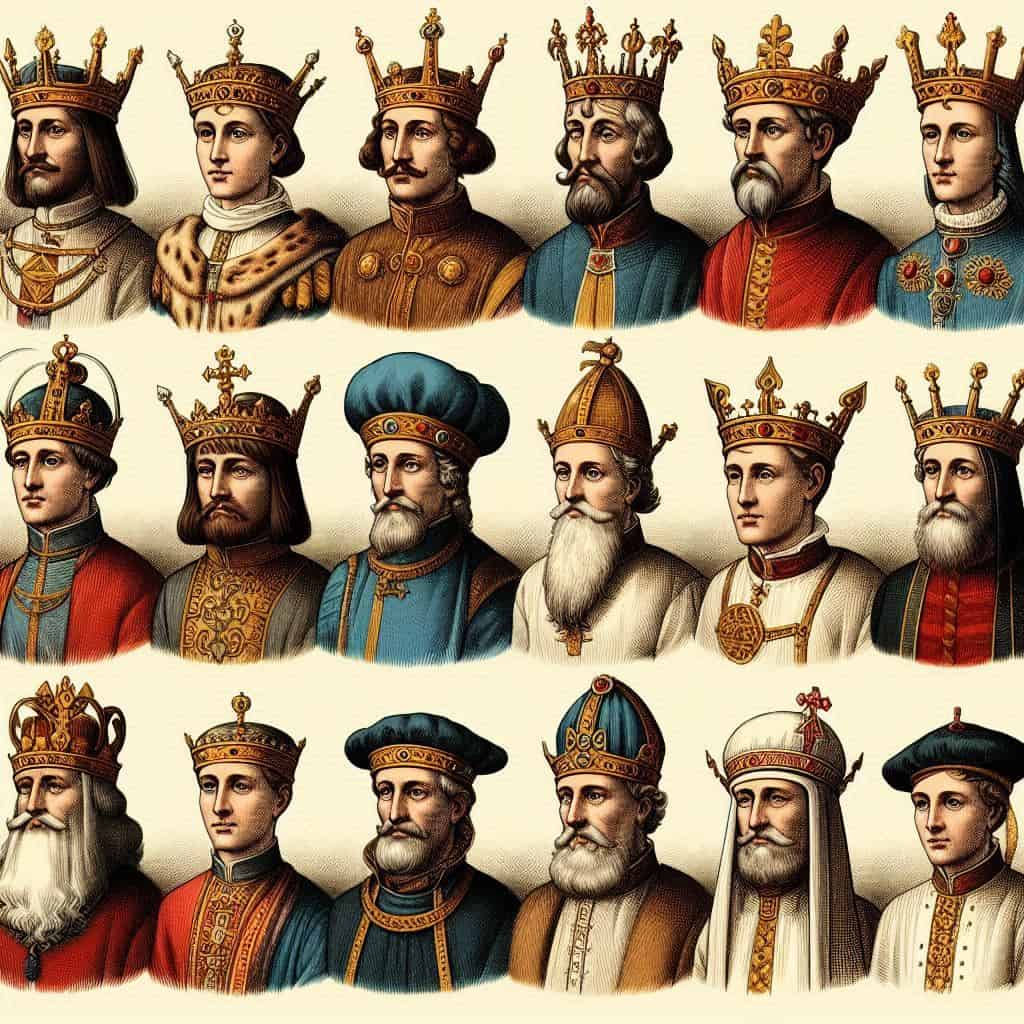
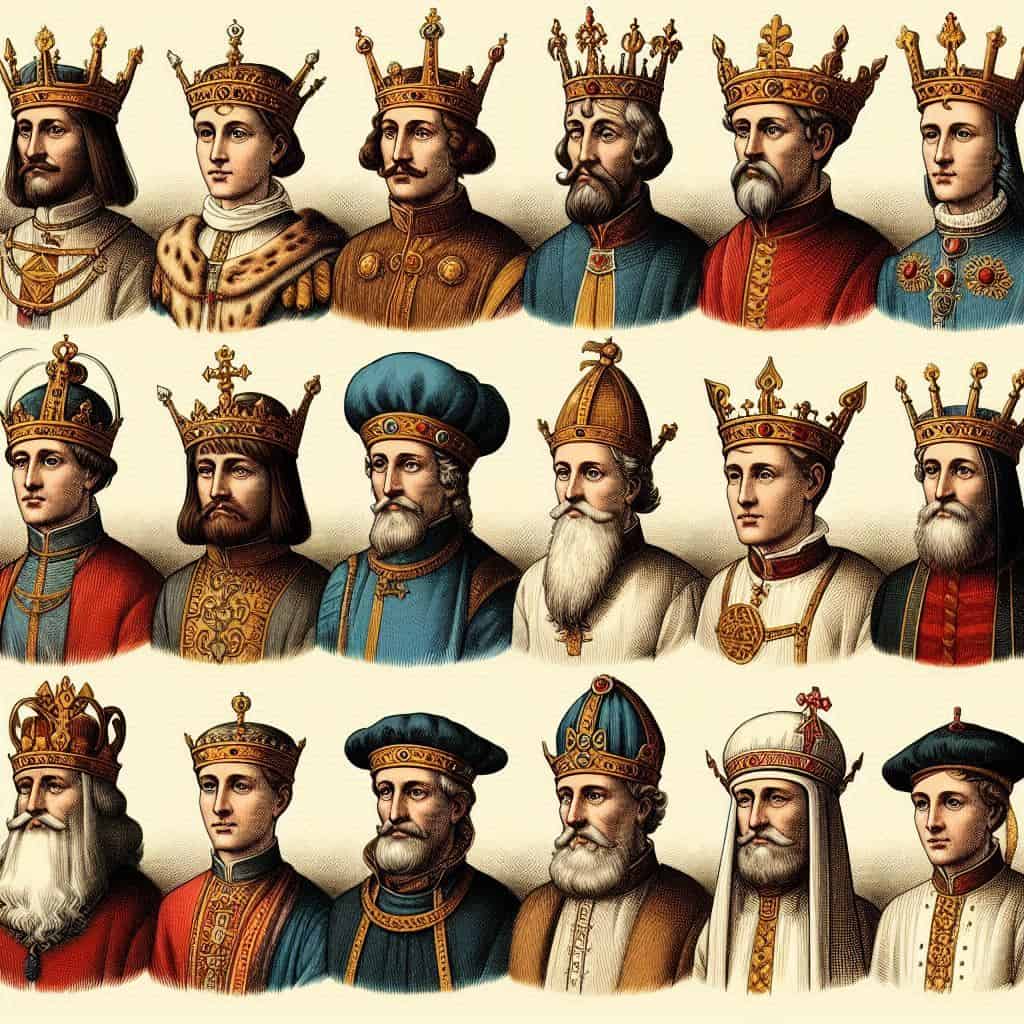
Medieval Nobility (Lords) Hairstyles and Headwear
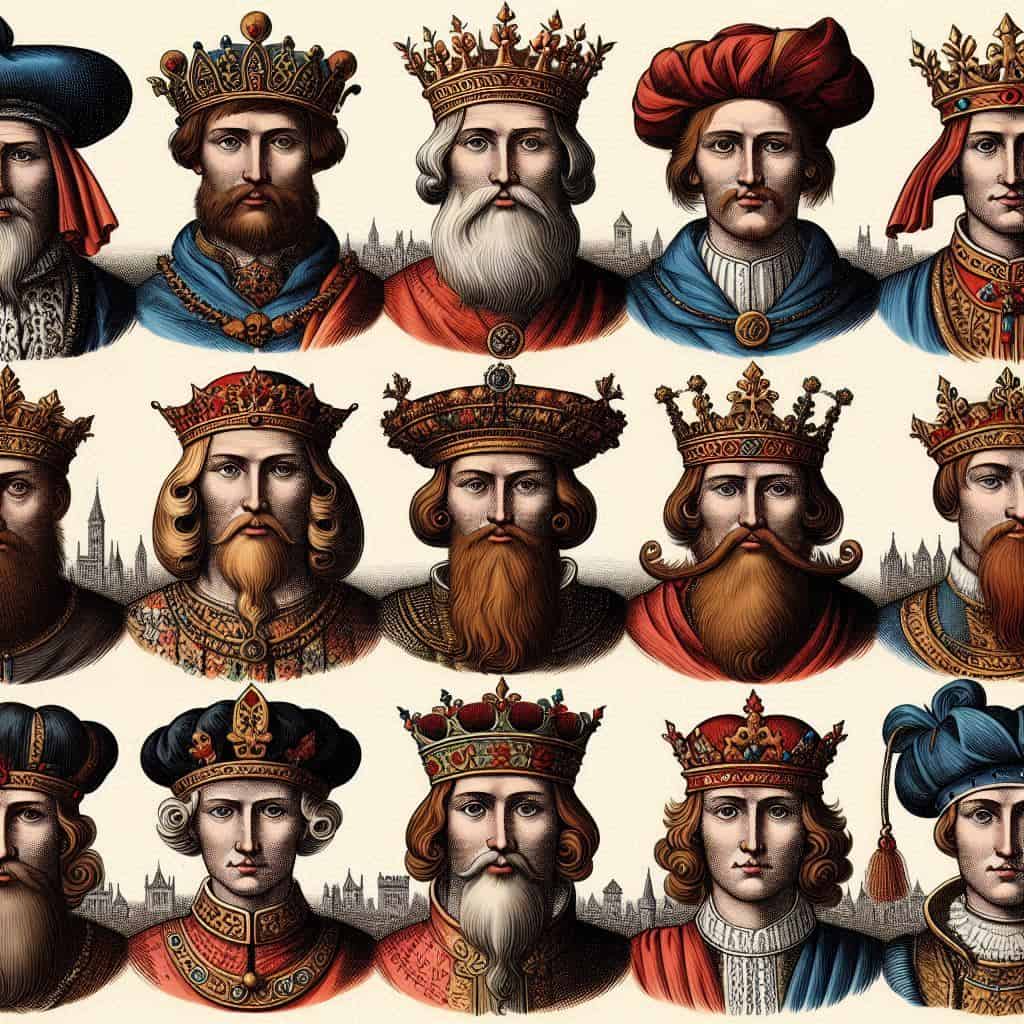
Medieval nobility, including lords and high-ranking aristocrats, displayed their wealth and power through elaborate hairstyles and ornate headwear. Styled with care, their hair was often curled, braided, or shaped into elegant forms, while their heads were adorned with crowns, circlets, or richly decorated hats made from fine materials like silk, velvet, and gold. These medieval hairstyles and headwear were more than just fashion—they were powerful symbols of status, lineage, and regional identity across the courts of Europe.
Medieval Clergy Hairstyles and Headwear
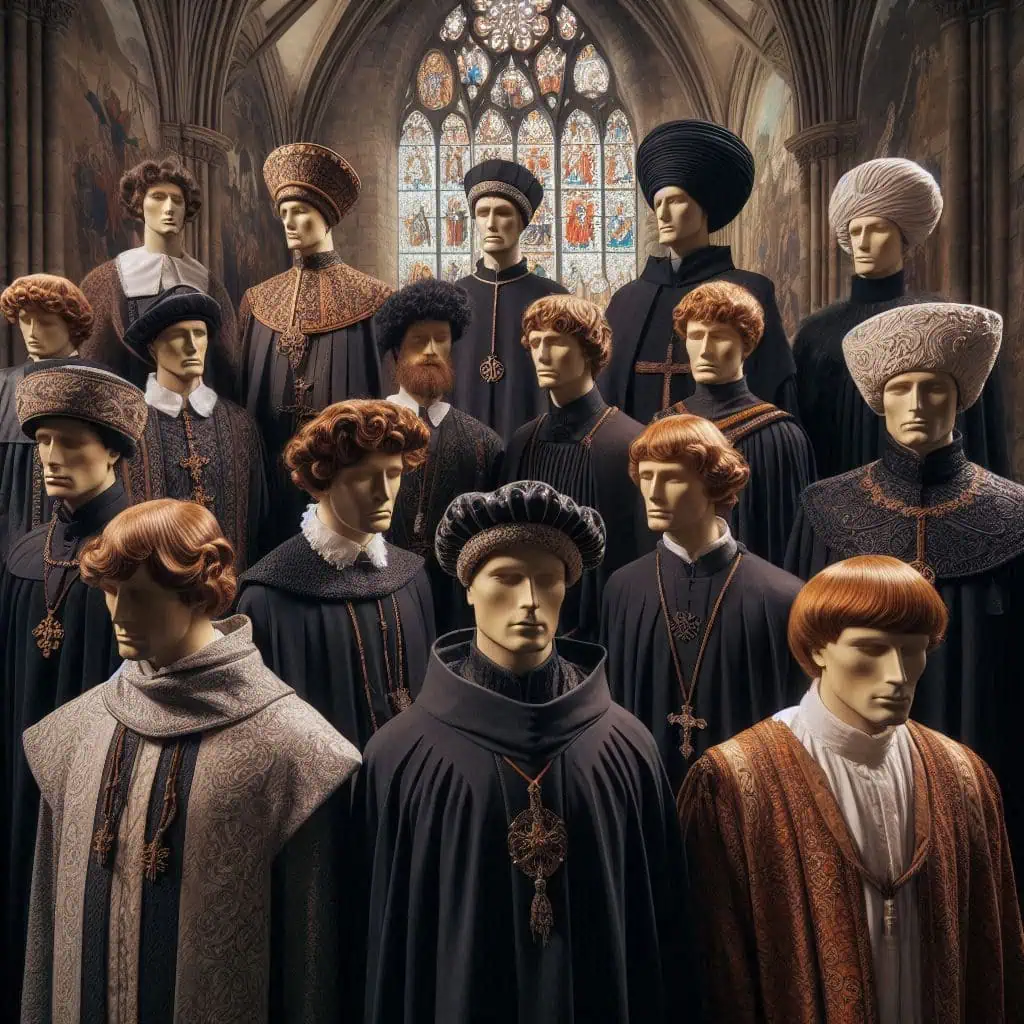
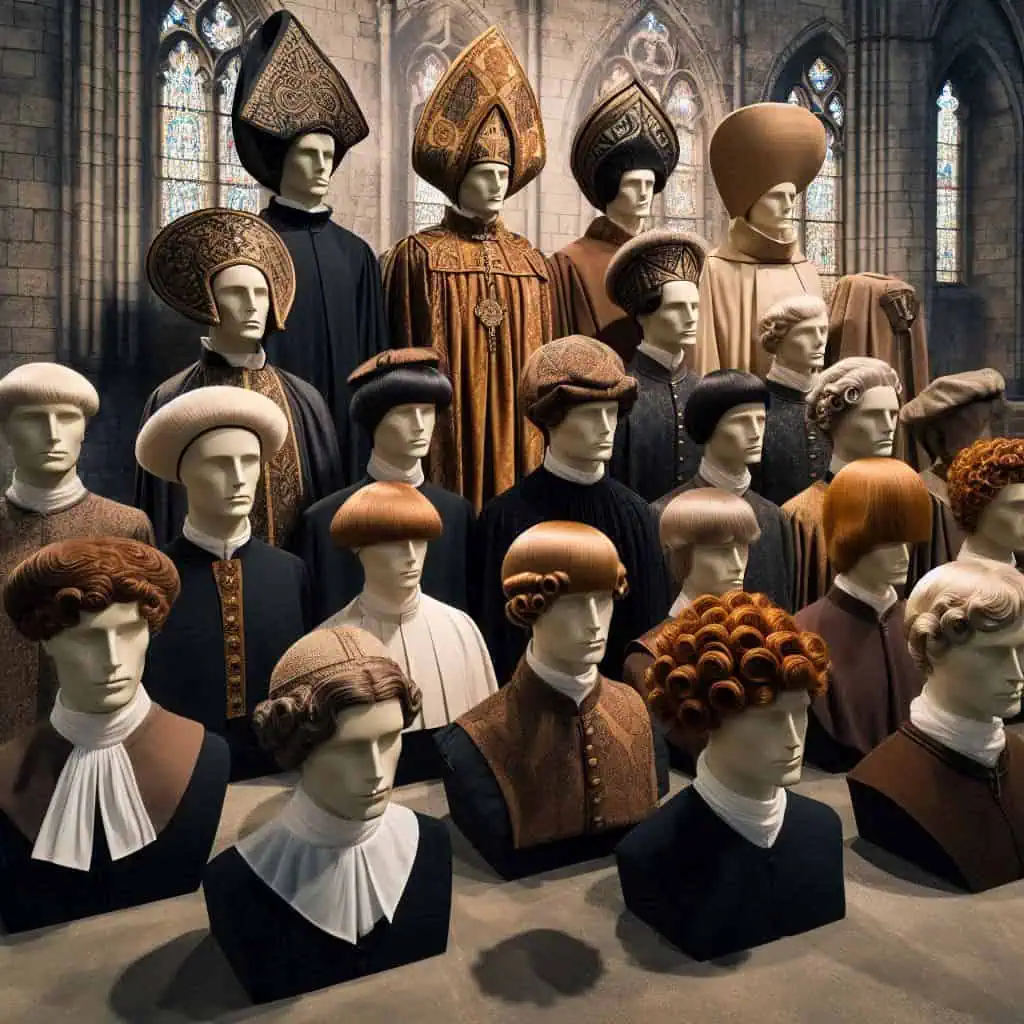
Medieval clergy members followed strict religious customs that influenced both their hairstyles and headwear. The most recognizable style was the tonsure—a symbolic haircut where the top of the head was shaved to show humility and devotion. In addition to this, clergy wore distinctive head coverings such as monastic hoods, coifs, and miters for higher-ranking officials. These styles were not just practical but deeply rooted in spiritual symbolism, reflecting the values and authority of the medieval Church.


From the simple, practical styles of peasants to the elaborate and symbolic hair fashions of the nobility, medieval hairstyles and headwear offer a fascinating glimpse into the culture, status, and daily life of the Middle Ages. Whether braided, covered with coifs, or adorned with crowns and ribbons, these styles reflected both social hierarchy and regional traditions. Understanding these historical looks helps us appreciate the rich diversity and significance of medieval fashion across Europe’s varied classes and professions.
More Medieval Hairstyles


❓ Medieval Hairstyles – Frequently Asked Questions
What were the most common medieval hairstyles?
Common medieval hairstyles were practical and reflected social rank. Men often wore short or chin-length hair, while women favored braids that were usually covered with veils or wimples. Among the nobility, styles became increasingly elaborate as fashion evolved.
Did medieval women have to cover their hair?
In many medieval societies, adult women were expected to cover their hair in public as a sign of modesty and religious propriety. Items such as veils, wimples, and barbettes were widely worn, especially by married women.
How did noble hairstyles differ from peasant styles?
Noble hairstyles were typically more decorative and time-consuming, sometimes incorporating ribbons, gold thread, or jeweled accessories. Peasants favored simple, functional styles suited to manual labor and everyday life.
What was a wimple?
A wimple was a cloth covering worn around the neck, chin, and sides of the head, often paired with a veil. It became especially popular between the 12th and 14th centuries and was associated with modesty and maturity.
What is a hennin?
The hennin was a tall, cone-shaped headdress popular among noblewomen during the Late Middle Ages. Often paired with flowing veils, it symbolized wealth and aristocratic fashion.
Did medieval men style their hair?
Yes. While styles were generally restrained, many men followed fashion trends such as the pageboy cut or shoulder-length hair. Facial hair also shifted in popularity depending on the era and regional influences.
📜 Medieval Hairstyles Glossary
A cloth head covering that wrapped around the neck and chin, worn by medieval women for modesty and widely used between the 12th and 14th centuries.
A tall, cone-shaped headdress popular among noblewomen in the Late Middle Ages, often paired with a flowing veil to signify aristocratic status.
A band of linen that passed under the chin and was fastened on top of the head, frequently worn with veils to create structured noble hairstyles.
A decorative hairnet, sometimes made with silk or metal thread, used to hold braided hair at the sides of the head and common in 13th–14th century court fashion.
A close-fitting linen cap worn by both men and women that kept hair tidy and protected the head, often used beneath hats or hoods.
A narrow band worn around the head to secure the hair, sometimes decorated and associated with youthful or noble styles.
A simple square cloth tied over the hair, commonly worn by working women for practicality and cleanliness.
A versatile hood that evolved into a fashionable wrapped hat for men during the later Middle Ages.
A straight, bowl-like hairstyle worn by medieval men that typically fell to the jawline and reflected practical grooming trends.
A lightweight fabric draped over the head, worn by women across social classes for modesty, protection from the elements, and adherence to cultural norms.


