
While knights often dominate popular images of the Middle Ages, it was medieval foot soldiers who truly formed the backbone of medieval armies. These infantry troops fought in disciplined formations, defended castles and strongholds, and played a decisive role in many of the most important medieval battles.
From English longbowmen and Swiss pikemen to crossbowmen and heavily armed men-at-arms, these soldiers developed tactics that could break enemy lines, withstand cavalry charges, and hold ground under pressure. Their effectiveness not only shaped battlefield outcomes but also transformed medieval warfare across Europe.
Medieval Foot Soldiers – Quick Overview
Medieval foot soldiers were the core of most armies, fighting in formations, defending positions, and supporting cavalry in battle.
- Included archers, pikemen, militia, and elite infantry
- Often determined the outcome of major battles
- Used discipline and tactics to counter knights and cavalry
- Played a key role in the evolution of warfare
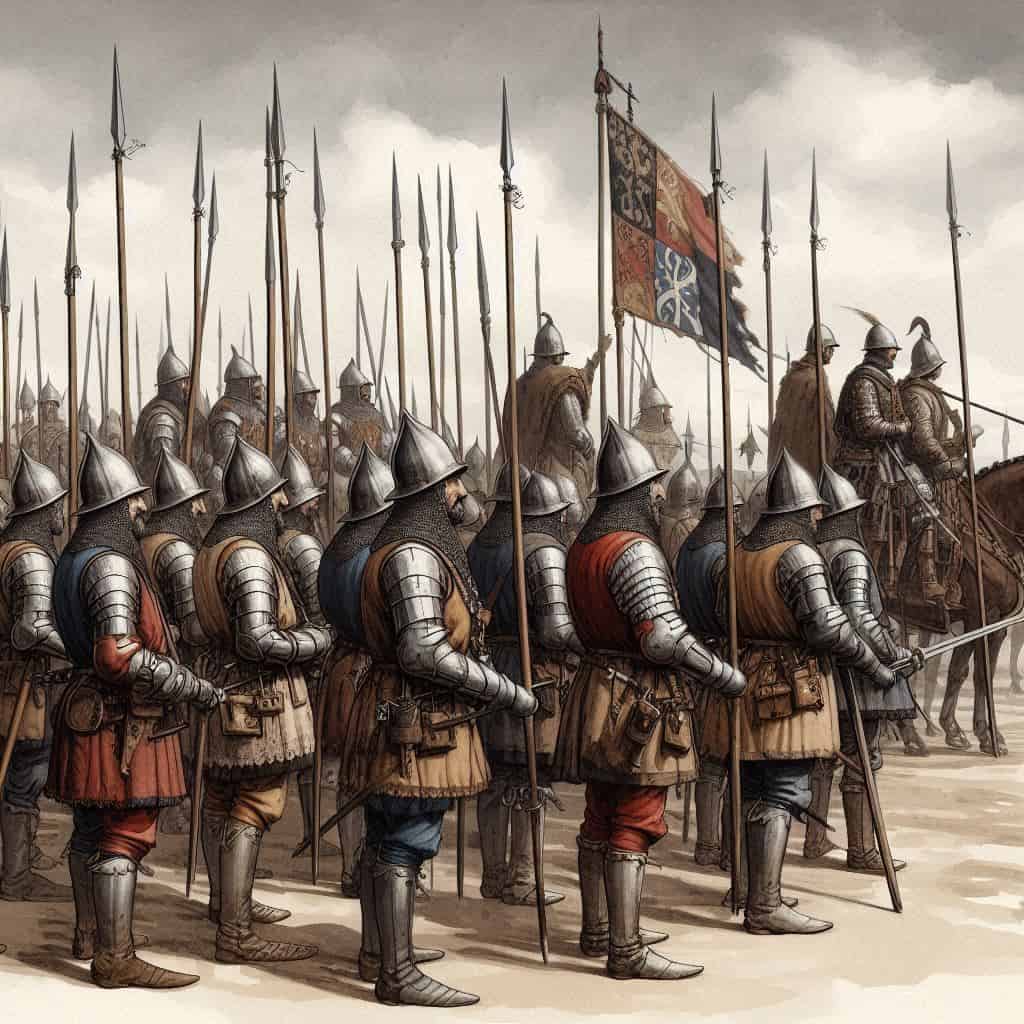
Quick Comparison of Medieval Foot Soldiers
Main Weapon: Longbow
Strength: Range & rapid fire
Role: Missile infantry
Main Weapon: Pike
Strength: Anti-cavalry formations
Role: Defensive & shock infantry
Main Weapon: Crossbow
Strength: Armor penetration
Role: Missile infantry
Main Weapon: Two-handed axe
Strength: Close combat power
Role: Elite heavy infantry
At the Battle of Agincourt (1415), English longbowmen helped defeat a much larger French army. Muddy ground and disciplined infantry tactics made heavily armored knights vulnerable to foot soldiers.
1. English Longbowmen
English longbowmen were among the most feared infantry units of the Middle Ages. Armed with powerful longbows, they could fire arrows rapidly over long distances with deadly accuracy.
Their ability to disrupt advancing armies made them a decisive force in battles. Positioned behind defensive stakes or terrain, they could weaken enemy lines before close combat even began.

2. Swiss Pikemen
Swiss pikemen became famous for their disciplined formations and aggressive tactics. Carrying long pikes, they formed dense infantry blocks capable of stopping cavalry charges.
Their success against mounted knights marked a turning point in medieval warfare, showing that organized infantry could defeat traditional feudal armies.

3. Flemish Infantry
Flemish infantry, often drawn from town militias, proved highly effective in battle. Armed with spears, axes, and pikes, they could hold strong defensive positions.
Their victory at the Battle of Courtrai demonstrated that disciplined infantry forces could overcome heavily armored knights under the right conditions.
- Cheaper to train than knights
- More effective in large formations
- Better suited to defensive warfare
- Could counter cavalry with proper tactics
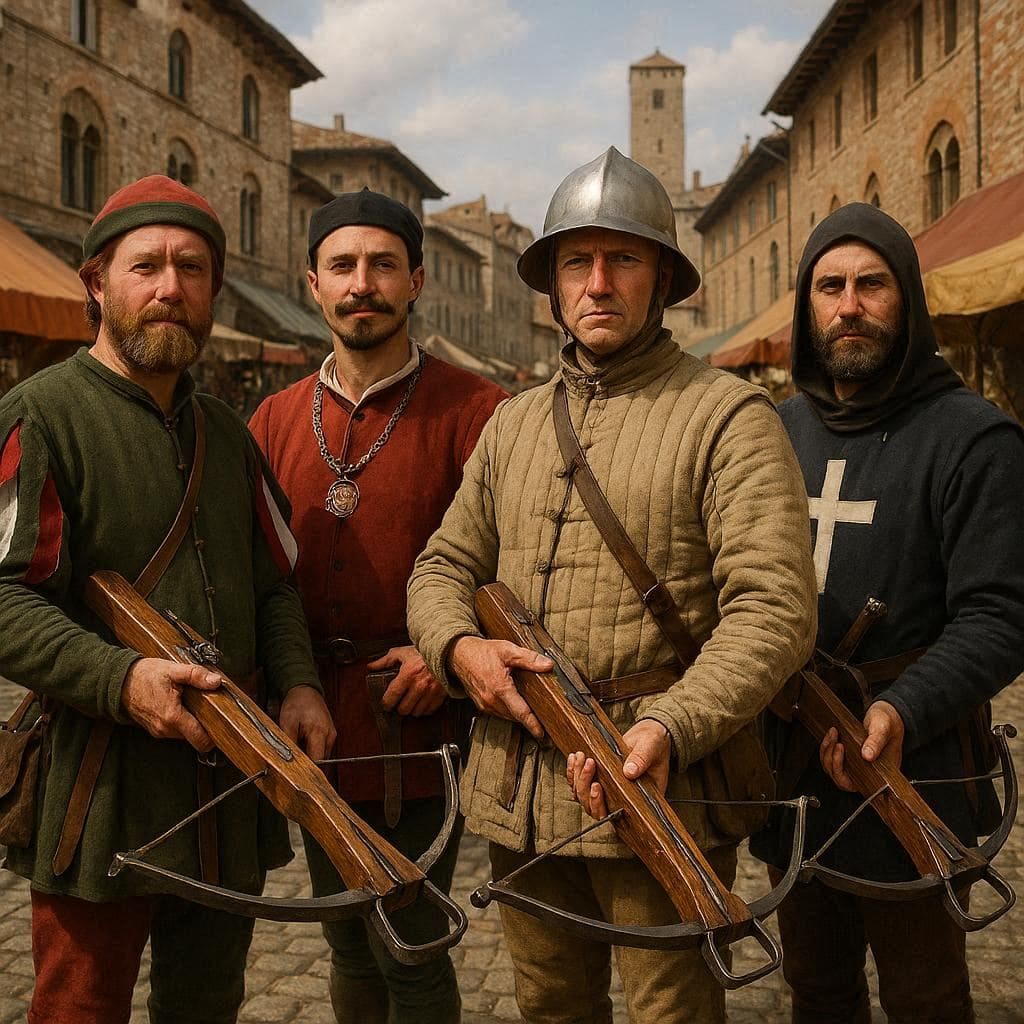
4. Genoese Crossbowmen
The Genoese crossbowmen were among the most skilled missile troops in medieval Europe. Their crossbows could penetrate armor and deliver accurate fire from defensive positions.
Although slower to reload than longbows, crossbows required less training, making them effective for professional soldiers and mercenaries.
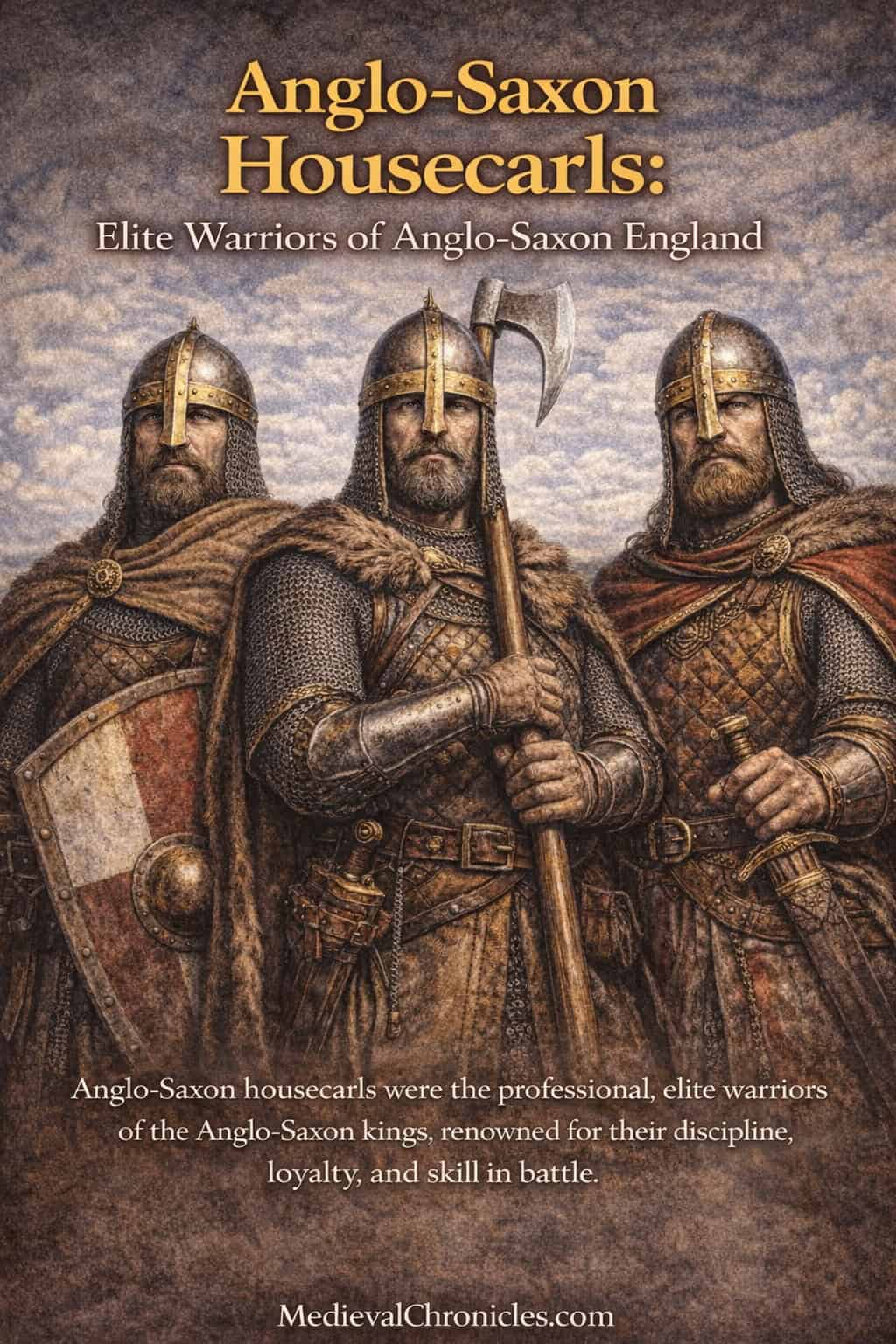
5. Anglo-Saxon Housecarls
Housecarls were elite infantry warriors serving Anglo-Saxon kings and nobles. Equipped with heavy armor and large axes, they were powerful fighters in close combat.
They were known for forming strong shield walls, making them highly effective in defensive battles.
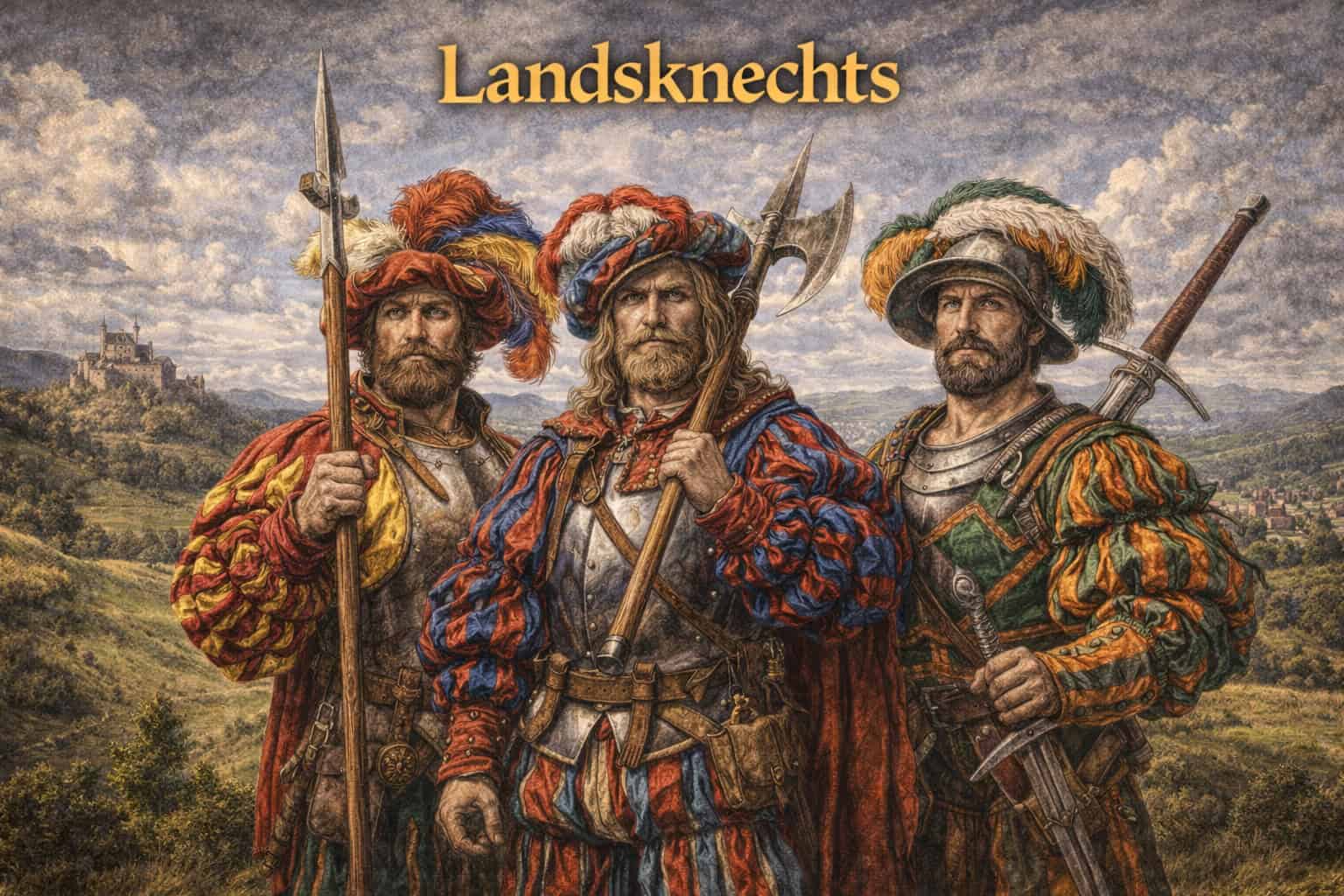
6. Landsknechts
Landsknechts were professional German mercenary infantry. They fought in disciplined formations using pikes, halberds, and swords.
Their organization and training made them one of the most effective infantry forces in late medieval Europe.
Many medieval battles were decided not by cavalry charges, but by which side’s infantry formation held together longest under pressure.
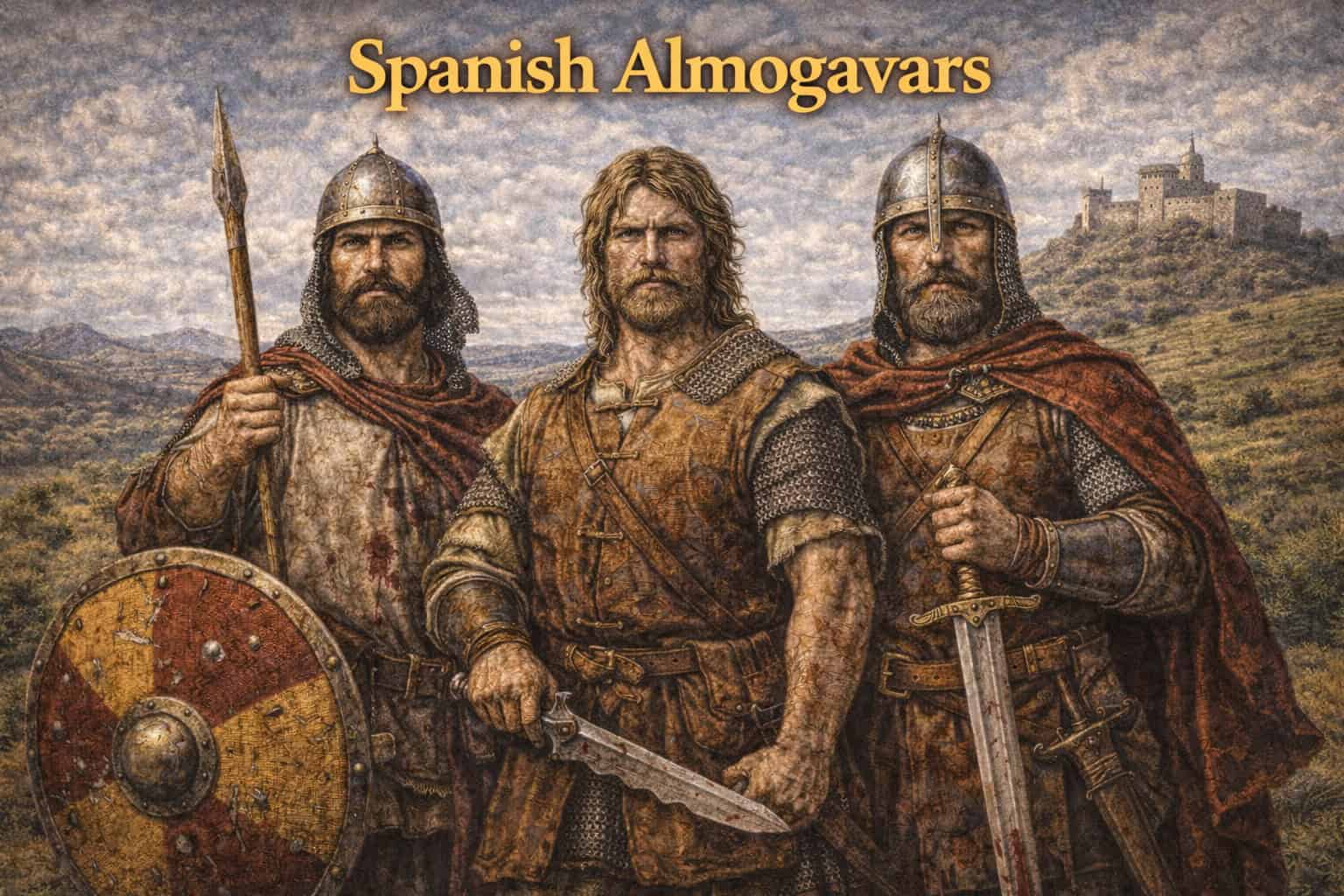
7. Spanish Almogavars
The Almogavars were light infantry known for their speed and aggressive tactics. They excelled in ambushes and rough terrain.
Unlike heavily armored soldiers, they relied on mobility and surprise, making them effective in guerrilla-style warfare.
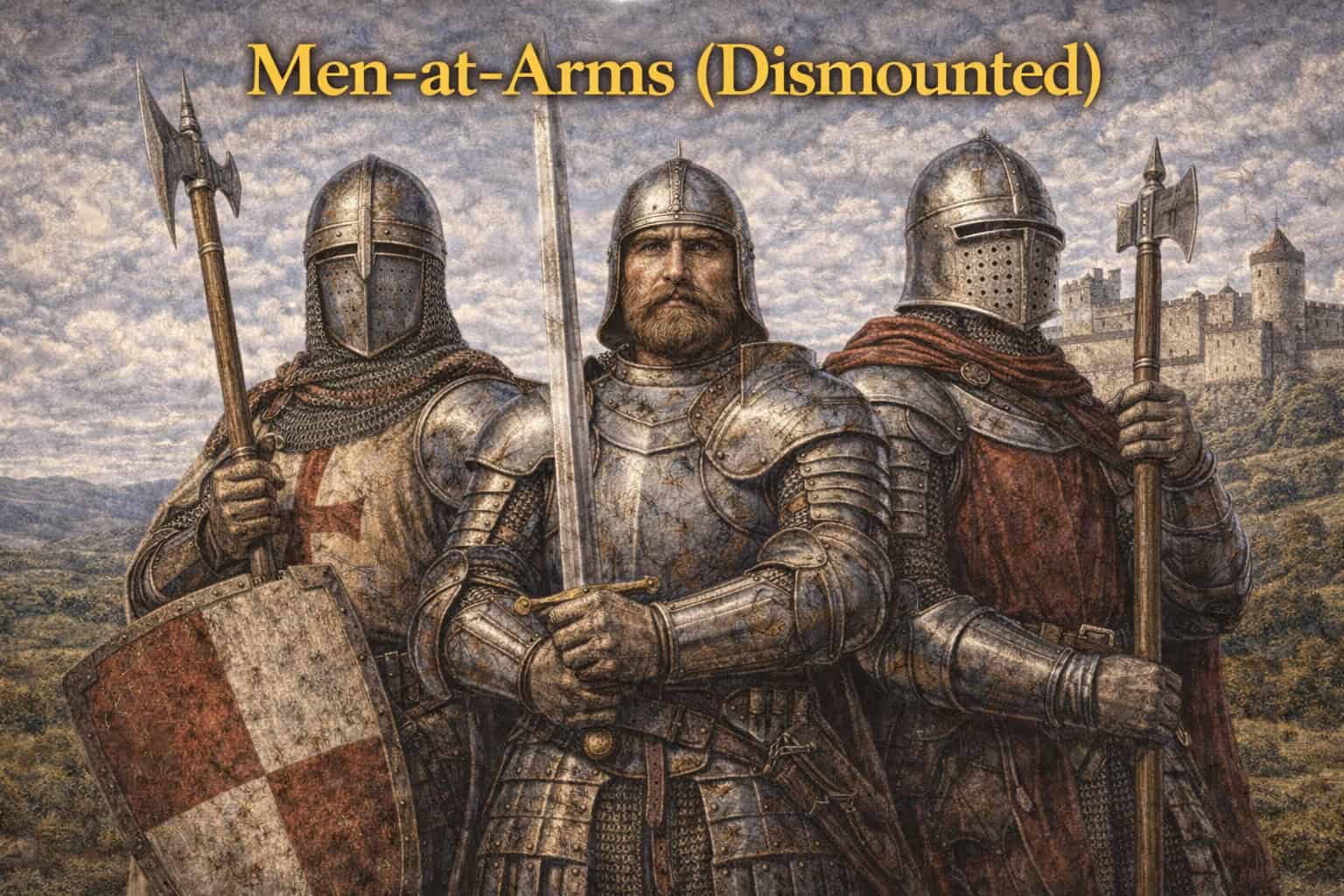
8. Men-at-Arms (Dismounted)
Although often associated with mounted combat, many men-at-arms fought on foot. These heavily armored soldiers formed a strong infantry core in many battles.
Fighting on foot allowed them to hold defensive positions and support other troops more effectively.
9. Viking Warriors
Viking warriors were skilled infantry fighters known for their use of axes, swords, and shields. They fought in shield wall formations and were highly effective in close combat.
Their influence extended across Europe during the early medieval period.

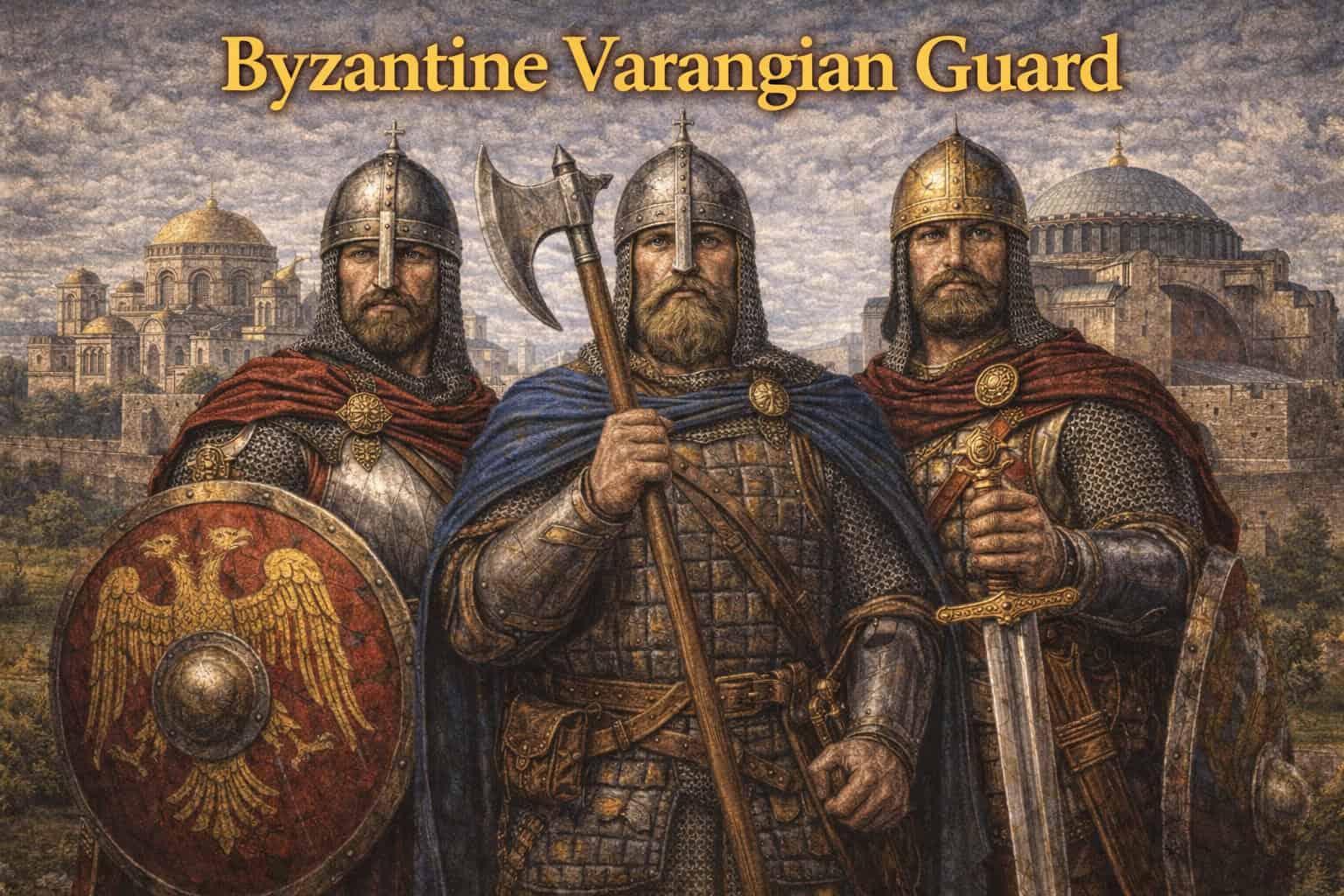
10. Byzantine Varangian Guard
The Varangian Guard served as elite infantry for the Byzantine Empire. Known for their loyalty and strength, they were often armed with heavy axes.
They protected the emperor and fought in key battles, earning a reputation as one of the most formidable infantry units of the medieval world.
Why Medieval Foot Soldiers Mattered
- They formed the majority of most armies
- They made disciplined formations possible
- They countered cavalry dominance
- They shaped the future of military tactics
Conclusion
Medieval warfare was not defined by knights alone. Foot soldiers—whether archers, pikemen, or elite infantry—played a decisive role in shaping battles and military strategy.
Their discipline, coordination, and adaptability allowed them to overcome even heavily armored opponents. Over time, their importance helped shift warfare toward organized infantry tactics, influencing the way battles were fought for centuries to come.
Medieval Foot Soldiers – Frequently Asked Questions
Foot soldiers were infantry troops who fought on foot rather than on horseback. They made up the majority of medieval armies and carried weapons such as spears, pikes, bows, and swords.
While knights were prestigious, foot soldiers were often more important in battle. Large infantry formations could defeat cavalry and were essential for holding ground and winning wars.
Common weapons included longbows, crossbows, pikes, spears, axes, and swords. Equipment varied depending on region, role, and wealth.
Infantry relied on tight formations such as shield walls or pike squares to defend against attacks and maintain discipline during battle.
No. Some infantry specialized in ranged combat, while others focused on close combat or defensive roles. Different armies developed unique tactics based on their strengths.
Glossary of Medieval Infantry Terms
Soldiers who fight on foot rather than on horseback.
A long spear used by infantry to defend against cavalry charges.
A defensive formation where soldiers stood side by side with overlapping shields.
A powerful bow used by English archers for long-range attacks.
A soldier who fights for payment rather than loyalty to a lord or nation.
A tight infantry formation designed to resist cavalry and hold position.
5 Great Books on Medieval Warfare
“The Art of Warfare in Western Europe During the Middle Ages: From the Eighth Century to 1340” by J.F. Verbruggen
A comprehensive study of medieval warfare, including infantry tactics and developments.
“A World Made by Hand: A Simple Path for Deep Thinking Humans” by Paul VanNess – Offers an in-depth examination of medieval warfare, including the role of infantry.
“Medieval Warfare: A History” edited by Maurice Keen
An anthology of essays exploring various aspects of medieval warfare, including infantry units.
“Arms and Armour of the Medieval Knight” by David Edge and John Miles Paddock
Although focusing on knights, this book provides valuable insights into medieval infantry equipment and tactics.
“Infantry Warfare Early Fourteenth Century: Discipline, Tactics, and Technology” by Kelly DeVries Focuses on the Hundred Years’ War and examines the evolution of medieval infantry warfare during this period.
These books offer valuable insights into medieval infantry units and the art of warfare during that time. They provide a fascinating glimpse into the tactics, equipment, and strategic importance of infantry in shaping medieval battles and conflicts.