
Medieval castle construction was one of the greatest architectural achievements of the Middle Ages. Built as symbols of power, military strength, and political control, castles combined advanced engineering with enormous labor forces to create structures capable of withstanding prolonged sieges.
Following the collapse of Roman authority, rulers across Europe needed fortified residences to defend territory and demonstrate authority. Over time, castle design evolved from simple wooden fortifications into massive stone strongholds featuring thick defensive walls, towers, gatehouses, and complex interior spaces.
Constructing a medieval castle was a costly and time-consuming undertaking. Some projects lasted several years, while the largest fortresses required decades to complete and employed thousands of workers. The result was not merely a residence but a fortified center of governance that shaped medieval warfare, politics, and society.
Medieval castles were constructed through carefully planned engineering that combined stone masonry, skilled labor, defensive design, and vast financial resources. Builders began with strategic site selection and strong foundations before raising thick curtain walls, towers, and gatehouses. Using materials such as stone, timber, lime mortar, and iron, castle construction often took 10 to 20 years and required hundreds of workers — resulting in fortified structures that symbolized power, security, and political control throughout the Middle Ages.
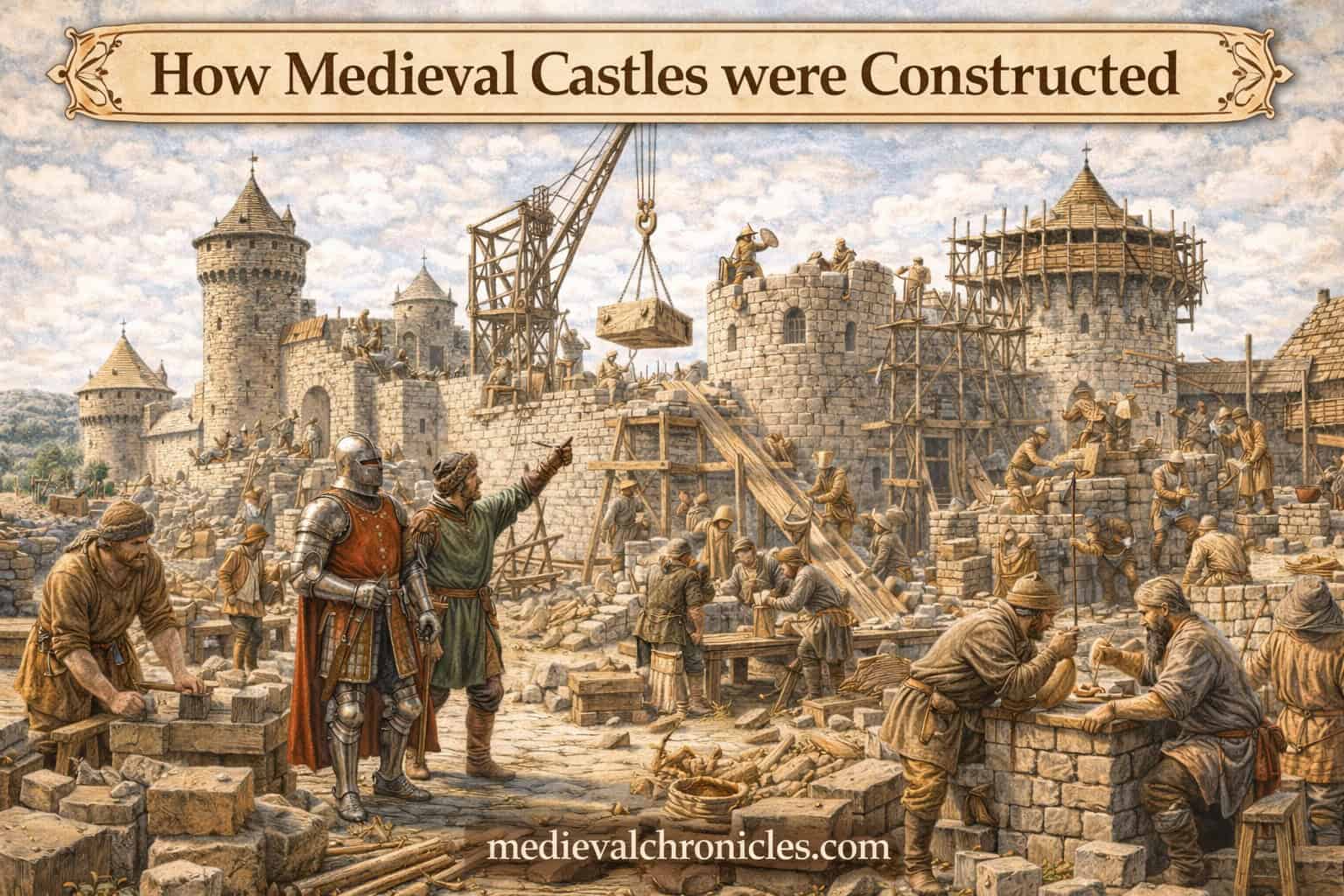
Explore More Medieval Castle Guides
Planning and Design
Every medieval castle began with careful planning. Lords selected locations that offered natural defensive advantages such as hilltops, river crossings, or rocky outcrops. Elevation improved visibility and made direct assaults far more difficult.
Master builders and engineers drafted the layout, balancing military function with domestic needs. Designs typically included:
- Defensive curtain walls
- Towers for surveillance
- Gatehouses controlling entry
- Inner courtyards
- Residential quarters
- Storage facilities
As warfare evolved, architects adapted castle designs to counter new siege technologies, making planning one of the most critical stages of construction.
Choosing the Location
Site selection could determine whether a castle survived an attack.
Builders prioritized locations that:
- Overlooked strategic roads or borders
- Controlled trade routes
- Protected river crossings
- Dominated surrounding countryside
Some castles were intentionally placed to project dominance over newly conquered regions, serving as visible reminders of authority.
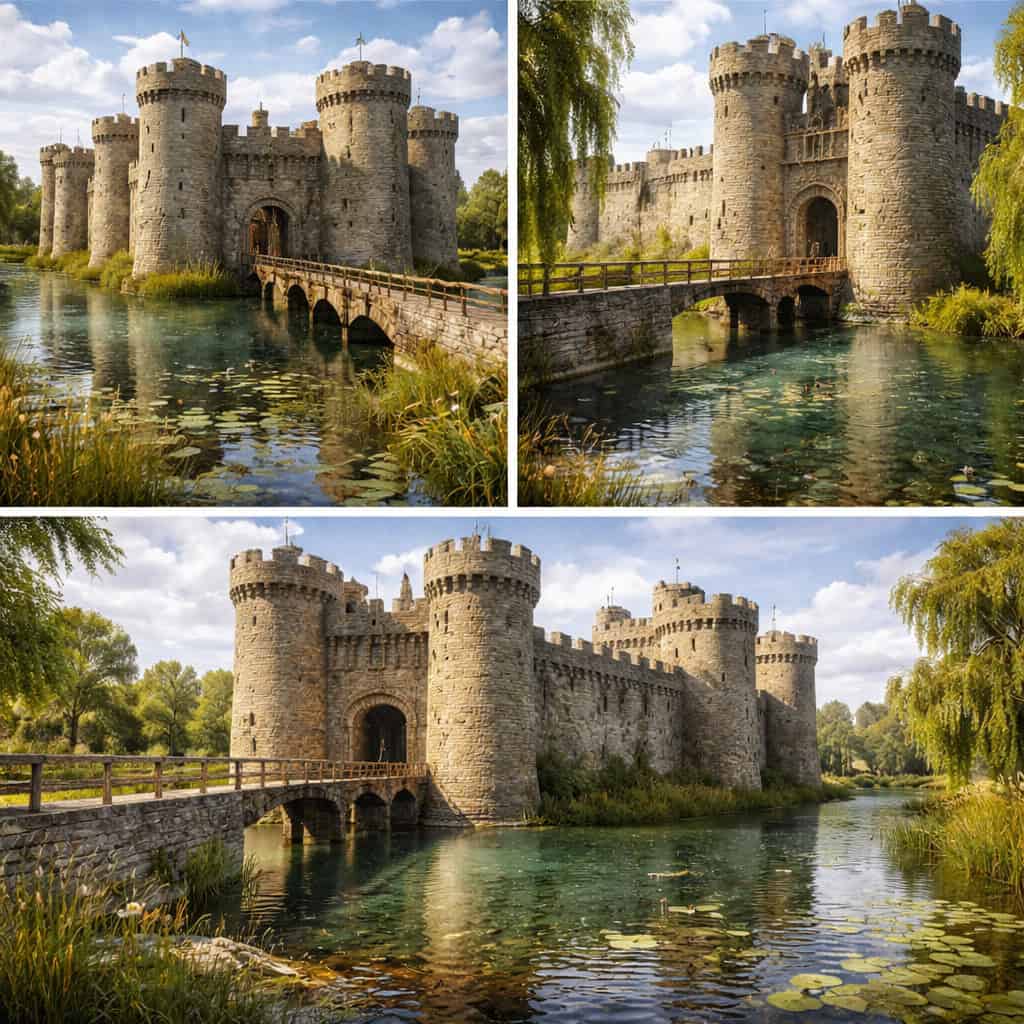
Natural barriers such as cliffs or water reduced the amount of construction required while significantly strengthening defenses.
Foundations and Earthworks
Before walls could rise, workers prepared the ground by leveling terrain and digging deep foundation trenches. Stability was essential because the immense weight of stone structures could cause collapse if poorly supported.
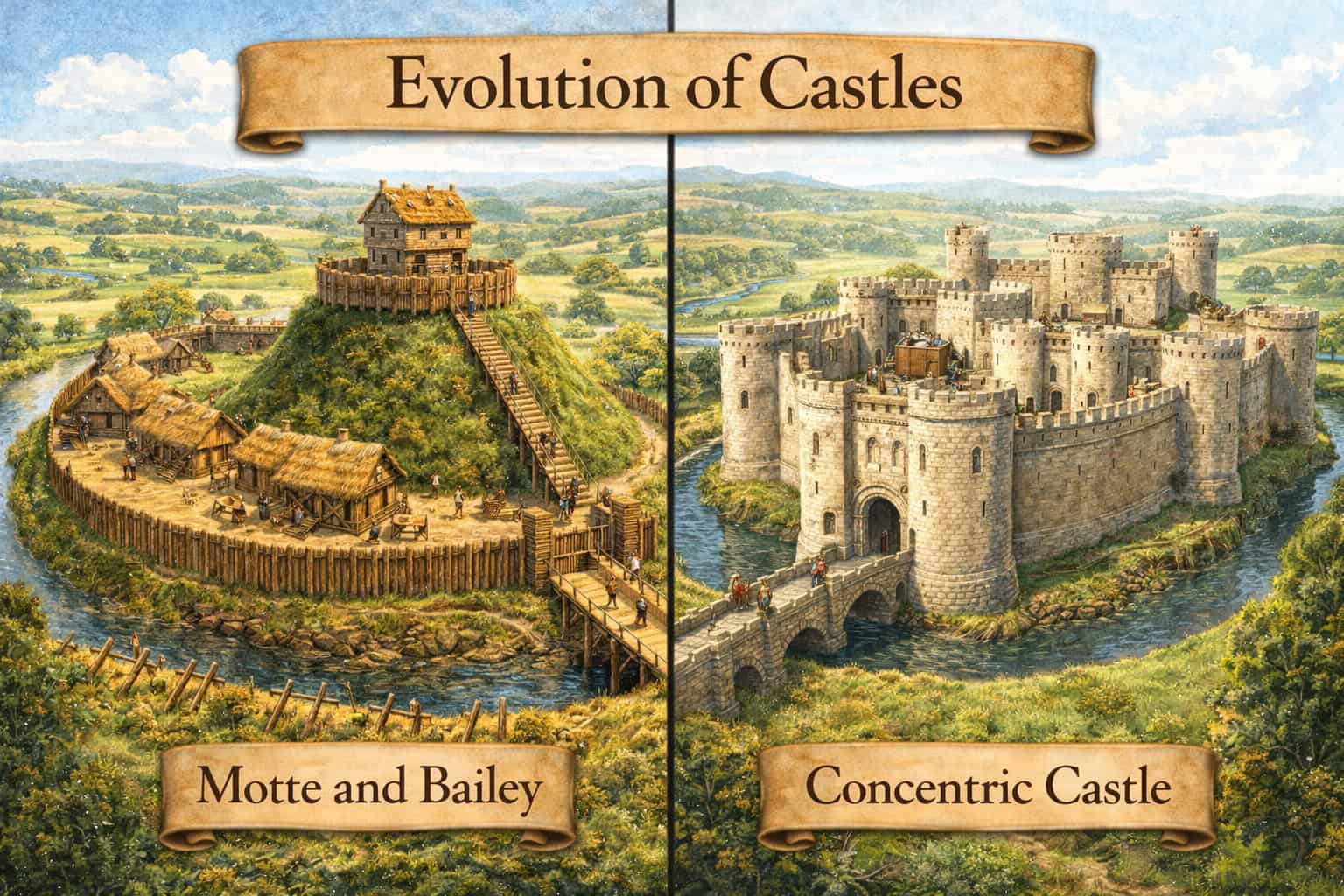
Early castles often used earthworks to enhance defense. In motte-and-bailey castles, laborers created an artificial mound known as a motte, topped with a defensive tower. Surrounding ditches sometimes became moats, adding another obstacle for attackers.
Transporting soil alone required massive manpower, demonstrating the scale of even the earliest castle projects.
Materials Used in Medieval Castle Construction
The materials selected for castle building influenced both defensive strength and overall cost. Supplying these resources required complex logistics, skilled labor, and significant financial backing — reinforcing why castles symbolized wealth and authority.
Stone
Stone became the preferred material because it resisted fire and harsh weather far better than timber. Quarrying demanded intensive labor, as blocks were cut and transported — sometimes from miles away — using ox-drawn carts. The result was unmatched durability and defensive strength.
Timber
Wood remained essential throughout construction. Builders relied on timber for scaffolding, roof frames, floors, and hoardings (temporary defensive galleries). Oak was especially prized for its strength and load-bearing capacity.
Mortar
Lime mortar bonded stone blocks together, ensuring structural stability. Producing mortar required heating limestone in kilns — a resource-heavy process that demanded both fuel and experienced supervision.
Iron
Blacksmiths forged hinges, portcullises, nails, reinforcements, chains, and weapon fittings. Although used in smaller quantities, iron was critical to a castle’s defensive infrastructure.
The coordination required to source and transport these materials reveals why medieval castle construction represented an immense economic investment — and a powerful statement of political authority.
Types of Castles and How Construction Evolved
Castle architecture changed significantly between the 10th and 15th centuries.
Motte-and-Bailey Castles
Among the earliest post-Norman designs, these castles featured a wooden or stone keep atop a raised mound with an enclosed courtyard below. They could be built relatively quickly, making them ideal for securing newly conquered territory.
Stone Keep Castles
As warfare intensified, builders replaced timber with stone keeps — massive central towers that served as both residence and final defensive refuge.
Concentric Castles
Considered the height of medieval military engineering, concentric castles featured multiple layers of walls. Attackers breaching the outer defenses still faced another fortified barrier within.
These designs demonstrate the continuous arms race between siege tactics and defensive innovation.
Stone Masonry and Wall Construction
Skilled stonemasons were among the most important figures on a castle site. After quarrying, stone blocks were shaped precisely to improve structural integrity.
Walls were often built with:
- A rubble-filled core
- Carefully cut outer stone faces
- Lime mortar binding the structure
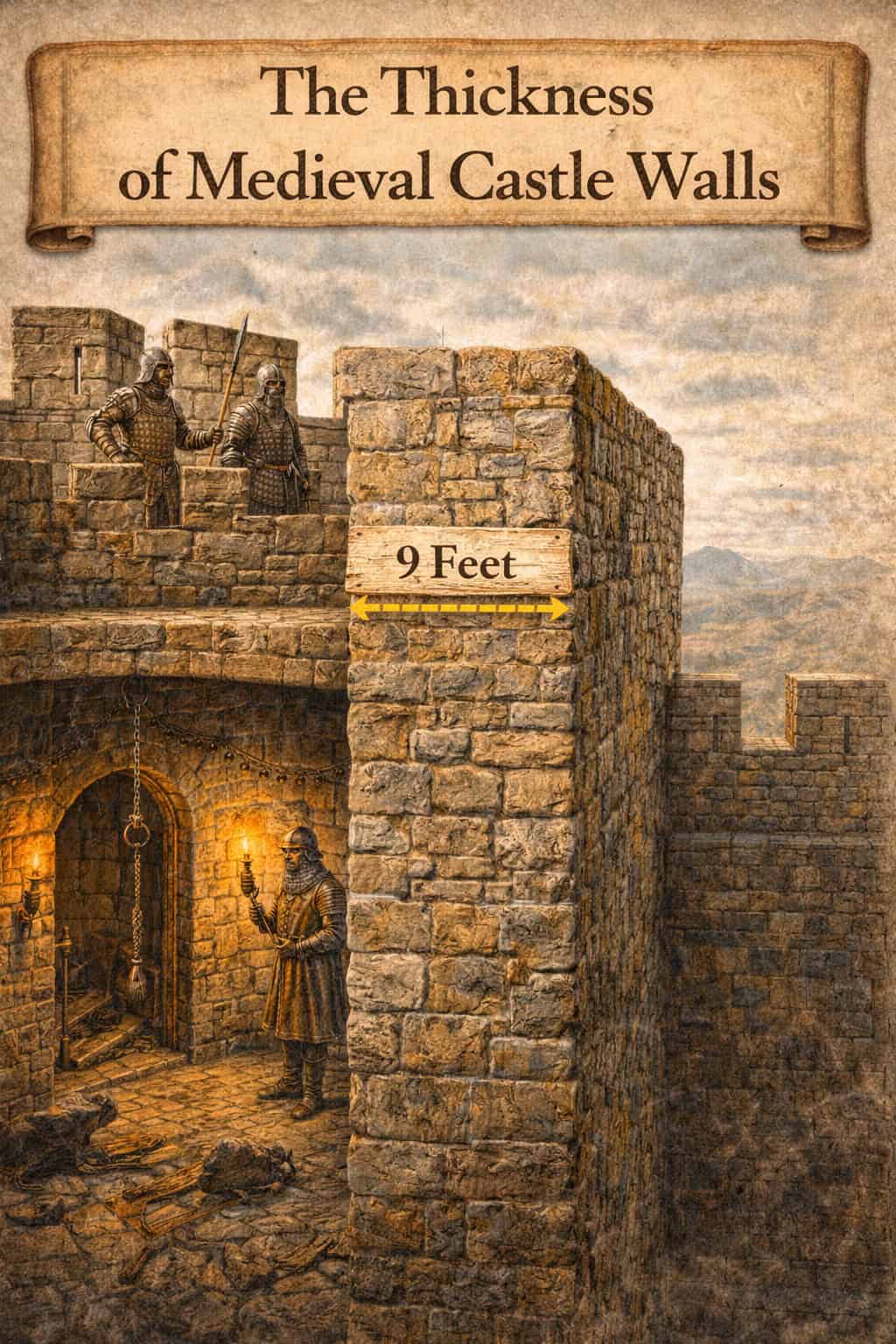
Many curtain walls reached thicknesses of over 10 feet, allowing defenders to patrol the top while resisting battering attempts.
Towers were positioned to eliminate blind spots, enabling archers to fire along the length of the walls.
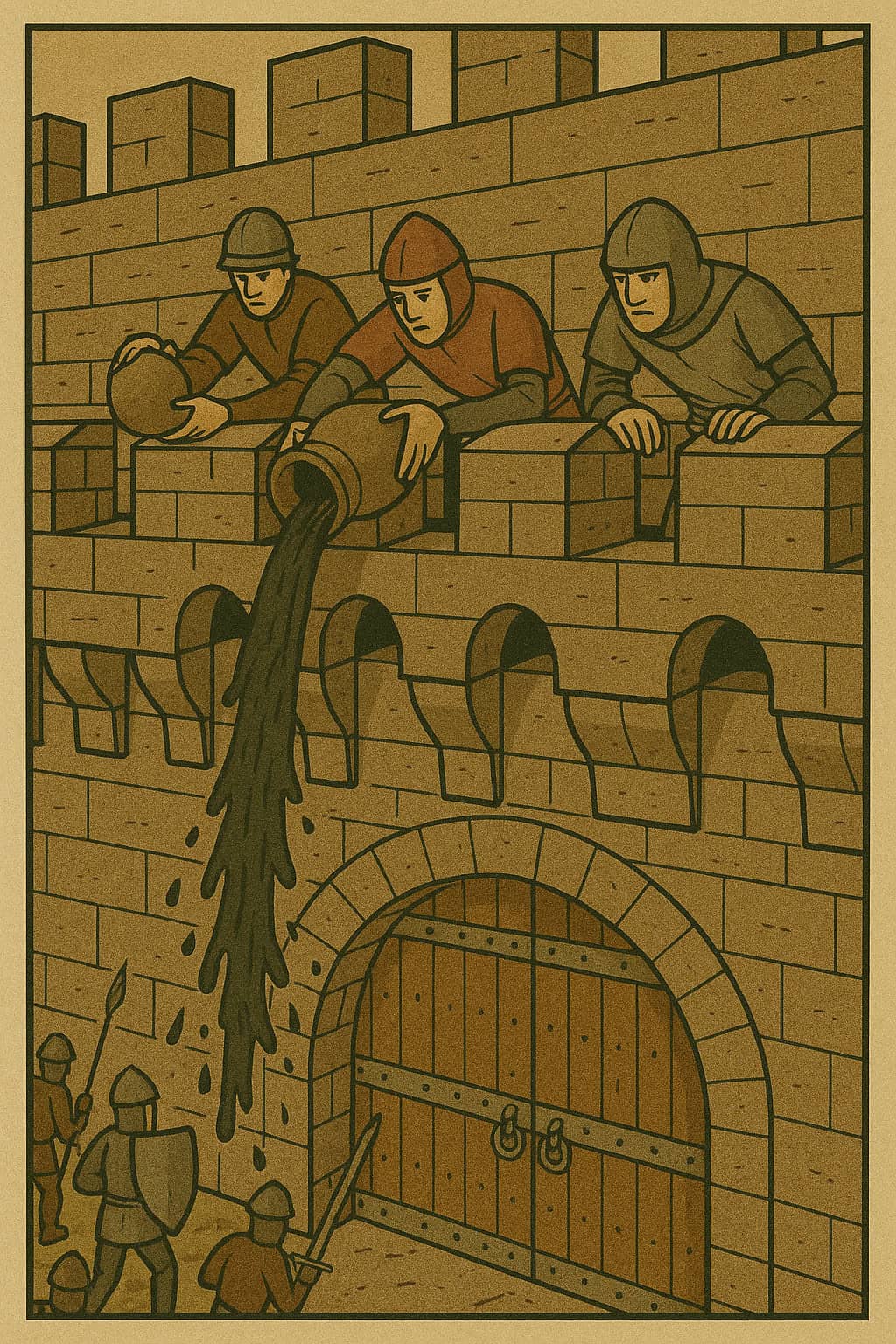
Defensive Features
A castle’s primary purpose was defense, and its architecture reflected that reality.
Common defensive elements included:
- Crenellations for protected archery
- Arrow slits designed to maximize firing angles
- Gatehouses with layered defenses
- Portcullises that could be dropped instantly
- Drawbridges controlling access
- Barbicans protecting entrances
Moats further complicated enemy assaults, forcing attackers into exposed positions.
Together, these features transformed castles into formidable military strongholds.
Who Built Medieval Castles?
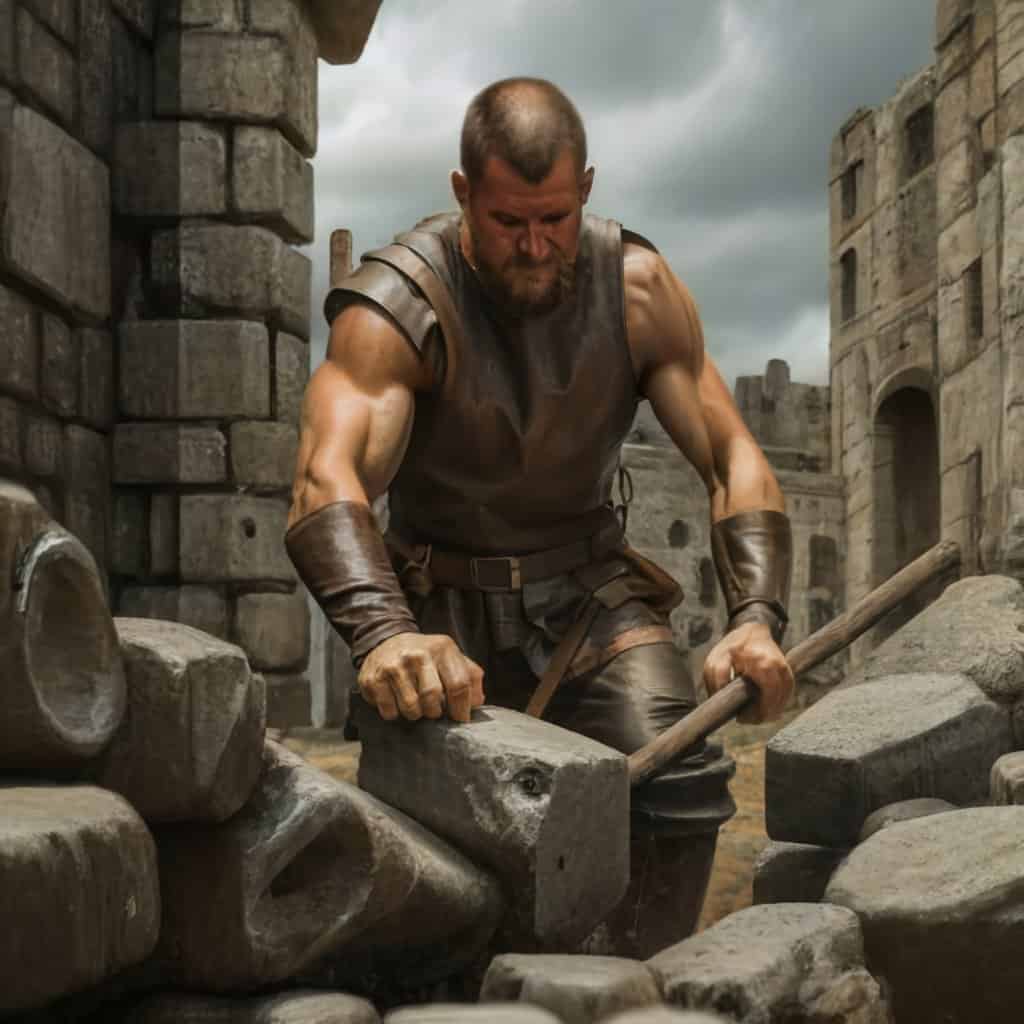
Castle construction relied on a diverse workforce.
Skilled Specialists
- Master masons
- Carpenters
- Engineers
- Blacksmiths
- Plasterers
Laborers
Large numbers of unskilled workers handled excavation, hauling materials, and basic assembly.
In some cases, local populations were required to contribute labor as part of feudal obligations.
Feeding and housing this workforce created logistical challenges comparable to running a small town.
Interior Construction and Daily Life Spaces
Although castles were defensive structures, they also functioned as residences and administrative centers.
Builders created spaces such as:
- Great halls for gatherings
- Private chambers
- Kitchens and bakeries
- Chapels
- Storerooms
- Barracks
Fireplaces and chimneys improved comfort, while glass windows — rare and expensive — appeared in wealthier castles.
Over time, interiors became more refined as rulers sought both security and prestige.
Decoration and Finishing Touches
Once major construction ended, craftsmen added decorative elements that reflected status and wealth.
These could include:
- Painted walls
- Stone carvings
- Tapestries
- Ornamental woodwork
- Colored tiles
Such details transformed castles from purely military structures into symbols of noble authority.
How Long Did It Take to Build a Medieval Castle?
Medieval castle construction timelines varied dramatically depending on the castle’s size, purpose, and available resources.
Smaller Fortifications
Basic defensive structures — particularly early timber castles — could sometimes be completed within just a few years, especially when rapid protection was required.
Large Stone Castles
Major stone fortresses often required 10 to 20 years to finish. Their thick walls, towers, and defensive systems demanded careful engineering and enormous labor.
Key Factors That Influenced Construction Speed
- Availability of materials
- Weather conditions that could halt building seasons
- Funding and political stability
- Workforce size and skill level
- Military urgency, especially in contested regions
Many castles were not truly “finished.” Instead, they were expanded, reinforced, and redesigned across generations as new defensive technologies emerged and political needs changed.
The Cost of Castle Building
Building a castle demanded extraordinary financial resources.
Expenses included:
- Quarry operations
- Skilled wages
- Timber procurement
- Iron production
- Transportation
- Food for workers
Many rulers funded construction through taxation, rents, or war spoils.
The scale of investment ensured that castles projected unmistakable power.
Why Medieval Castle Construction Still Matters
Today, surviving castles provide insight into medieval engineering, warfare, and political organization. Their durability reflects the sophistication of builders who worked without modern machinery yet produced structures that have endured for centuries.
More than defensive strongholds, castles shaped settlement patterns, controlled economies, and influenced the outcome of conflicts.
The legacy of medieval castle construction remains visible across Europe — towering reminders of an era defined by ambition, innovation, and the constant pursuit of security.
Frequently Asked Questions
Why did it take so long to build medieval castles?
Castle construction required skilled labor, heavy materials, and detailed defensive engineering. Large stone fortresses often took decades to complete.
Who built medieval castles?
Castles were built by master masons, engineers, carpenters, blacksmiths, and hundreds of laborers under the direction of a lord or monarch.
What was the strongest part of a castle?
The keep was typically the most fortified structure and served as the final defensive refuge.
Were castles built only for defense?
No. Castles also functioned as political centers, residences, and symbols of authority.
Castle Construction Summary
Medieval castles were engineering achievements that combined military strategy, architecture, and economic power. Built from durable materials and designed for defense, they dominated medieval landscapes and remain some of history’s most recognizable structures.
Castle Construction Glossary
A defensive stone wall surrounding a castle.
The strongest and most secure structure within the castle.
A heavy iron gate that could be lowered quickly to block entry.
An artificial earthen mound supporting early castle structures.
Medieval Castle Construction | Great Books
“The Architecture of Medieval Fortifications: From Castles to Keeps” by Matthew Johnson
This comprehensive book delves into the intricacies of medieval castle architecture, exploring the evolution of fortifications from early castles to more sophisticated keeps. It provides insight into the engineering and design principles that shaped these structures.
“Building the Medieval World: Castle Engineers and their Castles” by Malcolm Hislop
Malcolm Hislop’s work delves into the engineers and architects behind medieval castles. It explores the minds and techniques that created these iconic structures, shedding light on the people who made them a reality.
“Castle: A History of the Buildings that Shaped Medieval Britain” by Marc Morris
Marc Morris takes readers on a captivating journey through the history of castles in medieval Britain. This book not only discusses their construction but also their role in shaping the political and social landscape of the time.
“The Art and Architecture of English Castles: A Visual History” by Jean-Denis G.G. Lepage
This visually stunning book provides a detailed exploration of the art and architecture found in English castles. With a focus on visual representation, it offers a vivid portrayal of the aesthetics and design elements of these historic fortresses.
“The Medieval Fortress: Castles, Forts, And Walled Cities Of The Middle Ages” by J.E. Kaufmann and H.W. Kaufmann
J.E. Kaufmann and H.W. Kaufmann’s book takes a broader view, covering not only castles but also walled cities and forts of the Middle Ages. It provides a comprehensive overview of defensive structures during this era, shedding light on their construction and strategic importance.


