
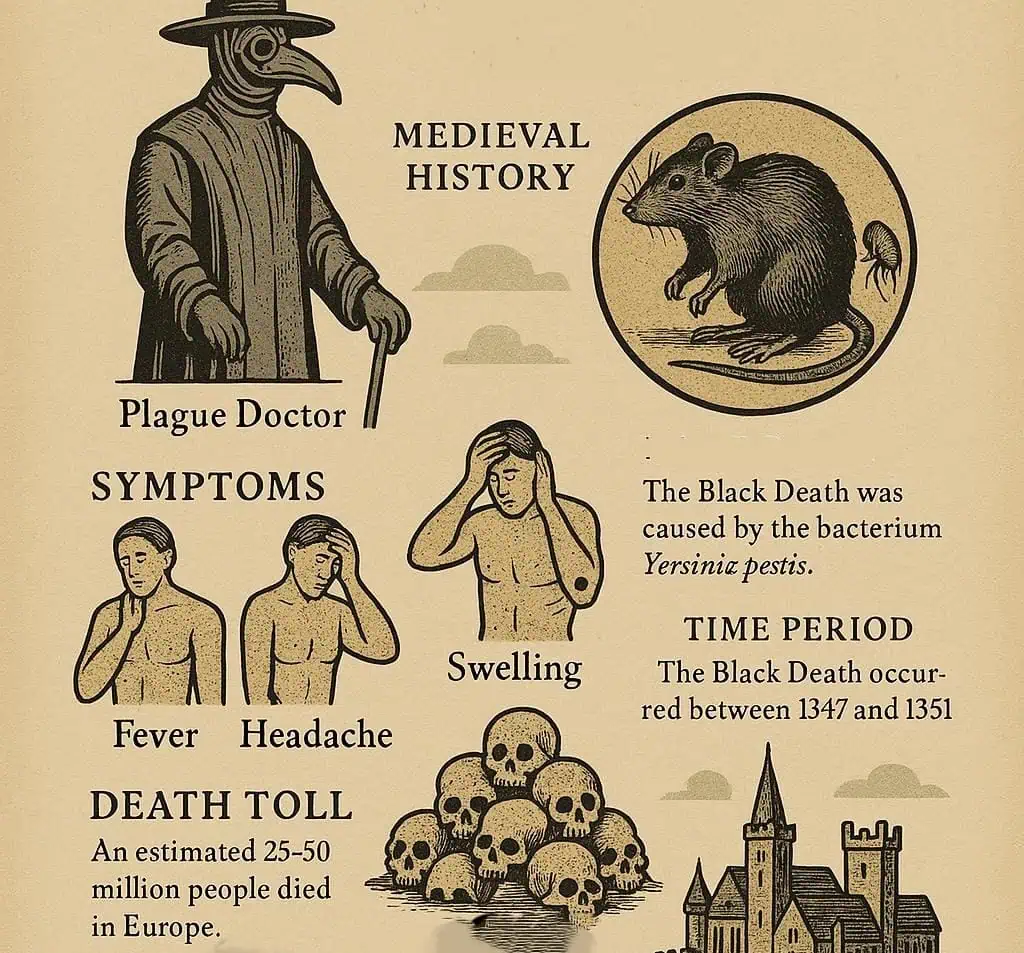
The Black Plague, also known as the Black Death or Bubonic Plague, was one of the most devastating pandemics in European history. Sweeping across the continent between 1347 and 1353, it killed millions, with some estimates suggesting up to 60% of the population in certain regions. While the immediate effects were catastrophic, the pandemic also led to significant long-term social, economic, and environmental changes. This article explores ten of the most important ways the Black Plague reshaped medieval Europe.

1. Massive Population Decline
The Black Plague caused an unprecedented population loss, decimating towns, villages, and cities. This decline had far-reaching consequences, reducing the number of laborers and reshaping the demographic structure of Europe.
2. Labor Shortages and Improved Working Conditions
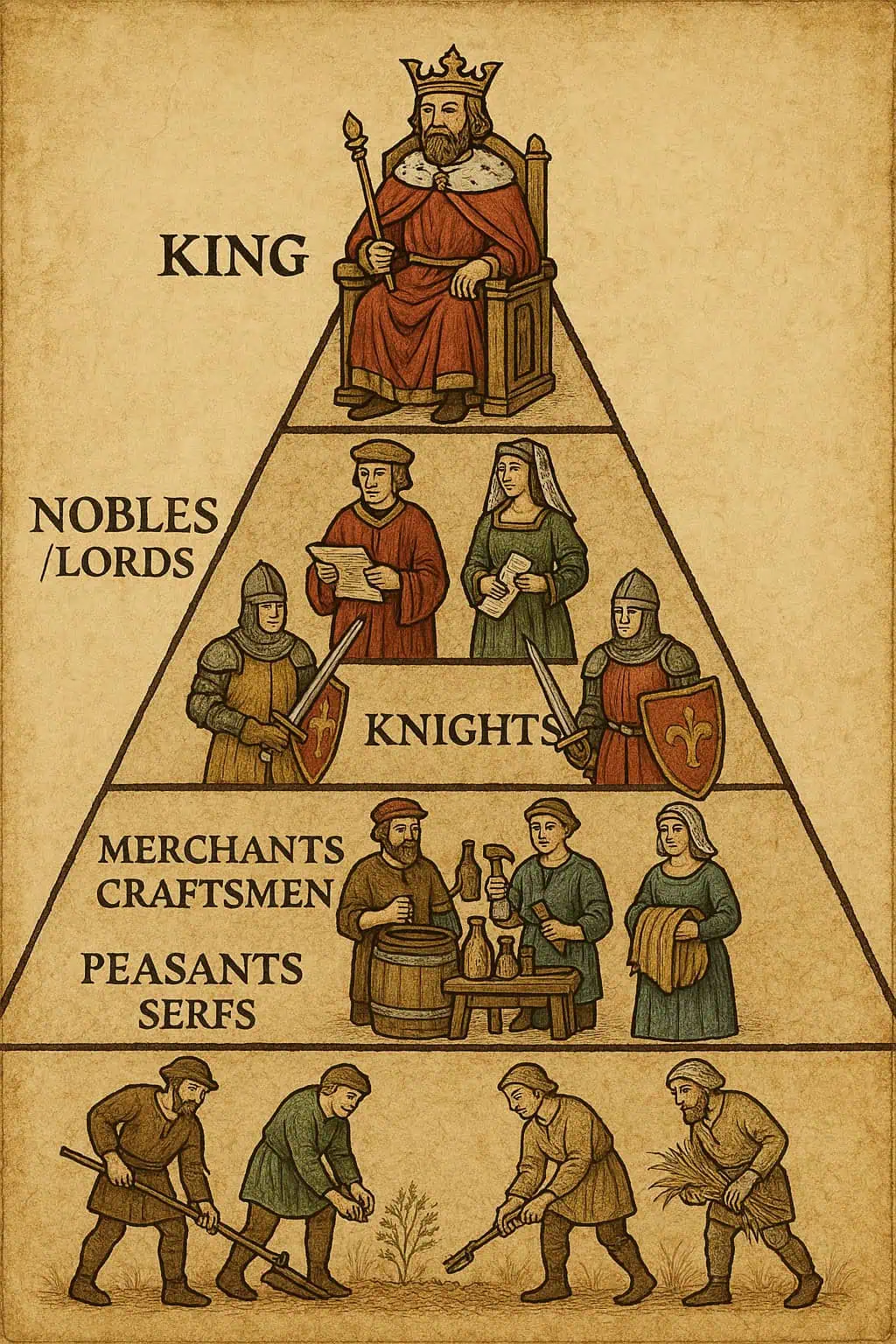
With so many people dead, the surviving population found themselves in high demand. Labor shortages led to higher wages for peasants and workers and gradually weakened the feudal system, allowing peasants more freedom and bargaining power.
3. Agricultural Innovation and Land Reclamation
The sudden shortage of farm labor forced landowners to adopt new agricultural techniques, such as crop rotation and more efficient tools. Large areas of abandoned land also returned to forest, allowing soils to recover and natural resources to regenerate.
4. Environmental Recovery
The depopulation caused by the plague allowed flora and fauna to flourish. With fewer humans farming and cutting wood, forests expanded, wildlife populations increased, and ecosystems began to restore themselves across Europe.
5. Decline of Feudalism
The social upheaval caused by the plague contributed to the gradual decline of feudalism. Peasants gained leverage over landlords, and traditional rigid hierarchies in rural areas began to loosen, paving the way for a more mobile labor force.
6. Rise in Urbanization and Trade Shifts
As survivors sought better opportunities, many migrated to towns and cities, stimulating urban growth. Trade networks also shifted, with some cities recovering faster than others due to population losses and labor shortages.
7. Advances in Medicine and Public Health Awareness
Although medieval medicine could not cure the plague, the pandemic highlighted the need for better hygiene, sanitation, and public health measures. Cities began paying closer attention to waste management and water supply, laying the foundations for later improvements in urban health.
8. Cultural and Religious Changes
The Black Plague deeply affected religion and culture. Many questioned the Church’s authority after seeing its inability to prevent or cure the disease. Art, literature, and philosophy began reflecting themes of mortality, suffering, and human fragility, influencing the cultural landscape of Europe.
9. Economic Transformation
With fewer workers, the economy shifted. Wages increased, labor became more valued, and some traditional taxes and feudal dues were reformed. The plague indirectly stimulated economic innovation and paved the way for early capitalism in Europe.
10. Indirect Influence on the Renaissance
By disrupting society, the Black Plague created conditions that contributed to the Renaissance. The combination of depopulation, social mobility, and economic transformation fostered new ideas, art, and scientific inquiry, ultimately changing the course of European history.
Conclusion
The Black Plague was undeniably catastrophic, causing immense suffering and loss. Yet its long-term effects reshaped medieval Europe in profound ways—economically, socially, and environmentally. From labor reforms to agricultural innovation and cultural transformation, the pandemic left a lasting imprint that influenced the course of European history for centuries to come.
Frequently Asked Questions about the Black Plague
Black Plague Quiz
1. What was the primary cause of the Black Plague?
2. How did the plague mainly spread to humans?
3. Which of the following was a long-term effect of the Black Plague?
Glossary of Terms
Bubonic Plague: A deadly disease caused by Yersinia pestis bacteria, transmitted via flea bites and responsible for the Black Death.
Yersinia pestis: The bacterium responsible for the Black Plague.
Black Death: Another name for the Black Plague, referring to the blackened appearance of victims’ skin due to internal bleeding.
Feudalism: The social and economic system in medieval Europe, based on land ownership and obligations between lords and peasants.
Flea: Small insects that acted as vectors for the plague by transmitting bacteria from rats to humans.
Plague Doctor: Medical practitioners hired during plague outbreaks, often wearing beaked masks, who treated or recorded victims.


