
Medieval Times
Medieval Times
The Judas Cradle was a gruesome torture device used during the Middle Ages to punish prisoners and extract confessions. The device featured a wooden or metal pyramid-shaped seat, upon which the victim was lowered slowly, usually with ropes suspending their arms or legs. The pointed tip of the pyramid was inserted into the anus or vagina, causing intense pain, tissue damage, and humiliation. Torturers could control the pressure and duration, prolonging the agony over hours or even days. The Judas Cradle was designed not only to inflict physical torment but also to break the spirit of the accused through degradation and fear.

The Judas Cradle derives its name from the biblical figure of Judas Iscariot, who betrayed Jesus Christ. It was believed that the torture device was named after Judas as a means of punishing those who were deemed to have betrayed their fellow man.

The Judas Cradle was designed to inflict excruciating pain on the victim. The pointed tip of the device was inserted into the victim’s anus or vagina, and the victim was slowly lowered onto the tip. The device was then twisted or rocked, causing the victim to experience intense pain and suffering.
The Judas Cradle was one of the most inhumane and brutal torture devices ever invented. It was designed to inflict excruciating pain on the victim, both physically and psychologically.”
John Julius Norwich, British historian.
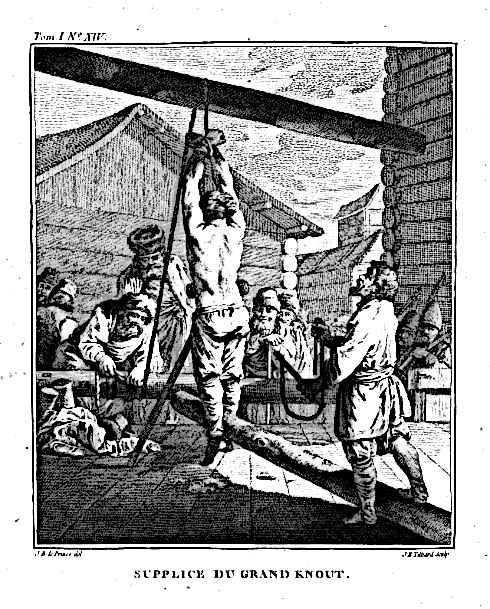
While the basic design of the Judas Cradle was consistent, there were variations in the way the device was used. Some versions of the device had weights attached to the victim’s feet, increasing the pressure on the tip. Other versions of the device had spikes or blades added to the tip, causing even greater injury.
The Judas Cradle was primarily used as a means of punishment and interrogation. It was often used to extract confessions or information from prisoners, particularly during the Spanish Inquisition. The device was also used as a form of public punishment, with victims being placed on display for all to see.
The Judas Cradle was a symbol of the barbarism and cruelty of the Middle Ages. Its use is a stain on human history and a reminder of the depths to which humanity can sink.”
Fernand Braudel, French historian.

The duration of use of the Judas Cradle varied depending on the severity of the crime or the information being sought. Victims were often left on the device for several hours at a time, with some being left on for days on end. The length of time the victim was left on the device often led to permanent injury or death.

The use of the Judas Cradle was not limited to Europe. Similar torture devices were used in other parts of the world, including China, India, and the Middle East. In some cultures, the device was used as a form of capital punishment.
“The Judas Cradle was not just a means of inflicting pain on the victim, it was also a means of asserting power and control over the population. Its use was designed to instill fear and obedience in others.”
Henry Kamen, British historian.
The use of the Judas Cradle not only caused physical pain but also psychological trauma. Victims often experienced feelings of shame and humiliation, which were intensified by the public display of the punishment. The use of the device was also designed to instill fear in others, creating a culture of terror.

While the Judas Cradle was effective in inflicting pain and suffering on victims, it was not always successful in extracting information. Victims often provided false information to end the torture, making it difficult to determine the accuracy of the information obtained.
“The Judas Cradle is a testament to the inhumanity of the past. Its use demonstrates the lengths to which people will go to inflict pain and suffering on others, and serves as a reminder of the importance of human rights and dignity.”
Bartolomé Bennassar, Spanish historian.
The use of the Judas Cradle has had a lasting impact on modern culture. The device has been featured in various forms of media, including films, television shows, and video games. Its use has also been referenced in popular music and literature.
The legacy of the Judas Cradle is one of brutality and inhumanity. Its use is a testament to the darker side of human nature and the lengths to which people will go to inflict pain and suffering on others. While the device is no longer in use, its memory serves as a reminder of the importance of justice, compassion, and human rights.
“A Question of Torture” by Alfred W. McCoy
This book examines the use of torture by the United States government and its impact on American democracy. It provides an in-depth analysis of the history of torture and its use in different contexts.
“The Body in Pain” by Elaine Scarry
This book explores the concept of physical pain and its role in human experience. It examines how torture and other forms of physical violence impact the human body and mind.
“The Torture Report” by Senate Intelligence Committee
This report provides a detailed account of the CIA’s use of torture after 9/11. It includes first-hand accounts from victims of torture and exposes the ethical and legal implications of the US government’s use of torture.
“A History of Torture” by George Riley Scott
This book provides a comprehensive history of torture throughout human history. It explores the use of torture in different cultures and contexts, from ancient times to modern-day practices.
The Judas Cradle is a medieval torture device used to inflict extreme pain by impaling the victim on a pyramid-shaped seat.
Victims were placed atop the pointed pyramid, and their body weight was slowly lowered, causing intense pressure and pain.
It was mainly used during the Spanish Inquisition and medieval Europe as a form of punishment and interrogation.
Because it caused excruciating pain and often led to severe injury or death over time, making it a terrifying tool of torture.
While many accounts exist, some historians debate the accuracy and prevalence of the Judas Cradle’s use.
The device’s name refers to Judas Iscariot, symbolizing betrayal and punishment for treason or sin.
Yes, some torture museums around the world display replicas or preserved devices, including the Judas Cradle.