
Some medieval kings were more than rulers—they were legacy-builders who shaped the future of their kingdoms and the course of European history. Through strategic leadership, military conquests, and visionary reforms, these monarchs left enduring marks that extended far beyond their reigns. From establishing laws and institutions to leading historic battles, these kings exemplified the qualities needed to create lasting impact. This article highlights the lives and achievements of the most influential medieval kings who shaped the future.
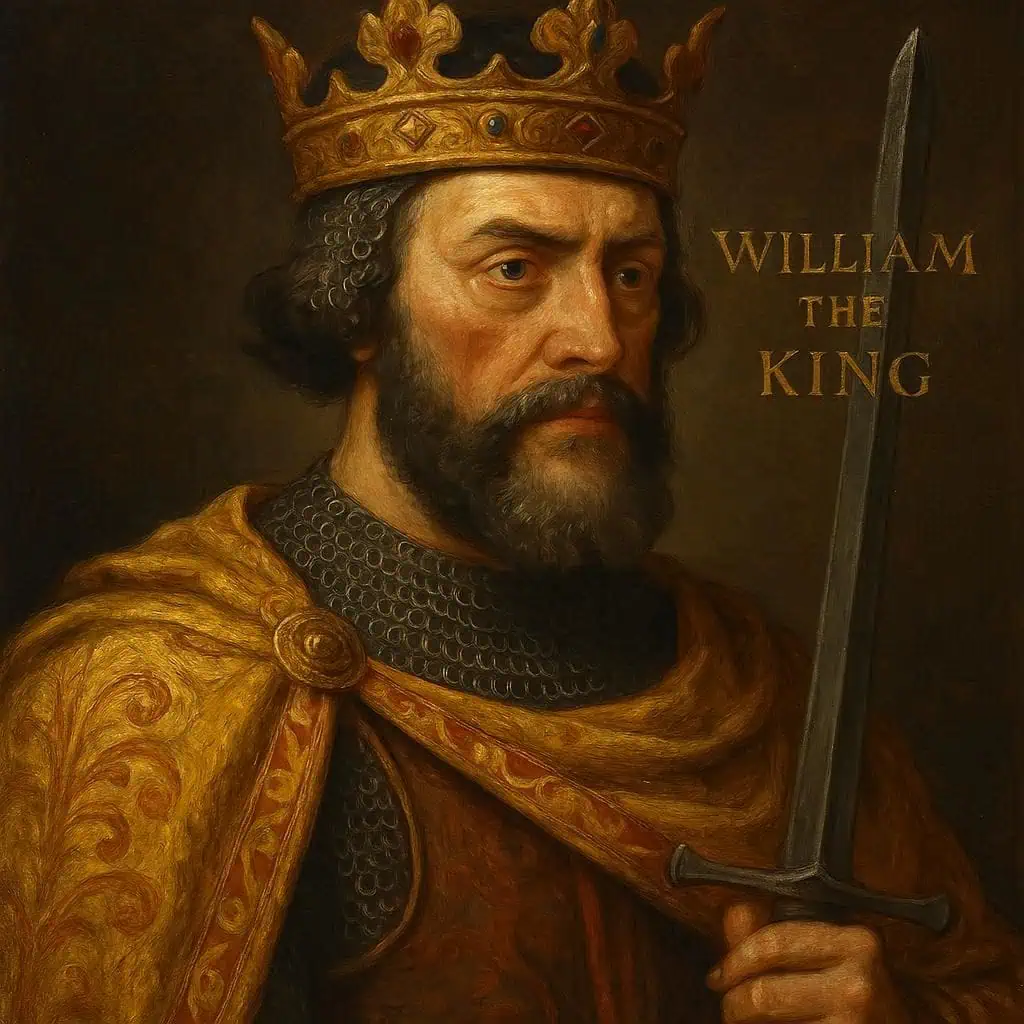
From Charlemagne to Henry II of England, these legacy-builders transformed their realms through innovation and reform, shaping the future of Europe and the world.
Charlemagne: Father of Europe
Perhaps the most iconic of these medieval kings was Charlemagne, who ruled over the Frankish Empire from 768 to 814 AD.
Charlemagne was a visionary leader who recognized the importance of education, culture, and governance in building a strong and prosperous realm. He established a system of schools and libraries across his empire, promoting learning and literacy among the clergy and nobility.
Charlemagne was also a devout Christian who sought to spread the faith throughout his realm. He was a patron of the arts, commissioning magnificent works of architecture and art that combined classical and Christian motifs. His crowning achievement was the construction of the Palatine Chapel in Aachen, a masterpiece of early medieval architecture that still stands today.

In addition to his cultural and religious innovations, Charlemagne was also a master of political and military strategy. He expanded the borders of his empire through a series of conquests, subduing neighboring peoples and establishing a vast and powerful realm that stretched from Spain to Hungary.
He also reformed the administration of his empire, creating a system of officials and advisors who helped him to govern more efficiently and effectively.
Charlemagne’s legacy was profound, both in his own time and for centuries to come. He was seen as a father of Europe, a ruler who had brought peace and stability to a continent torn by conflict and chaos. His ideas and innovations influenced countless monarchs and leaders who came after him, making him one of the most significant legacy-builders in medieval history.

William the Conqueror: Uniting England
Another medieval king who shaped the future was William the Conqueror, who ruled England from 1066 to 1087 AD. William was a Norman duke who invaded England in 1066, defeating the Anglo-Saxon king Harold Godwinson in the famous Battle of Hastings. He then set about consolidating his power and establishing a new order in England.
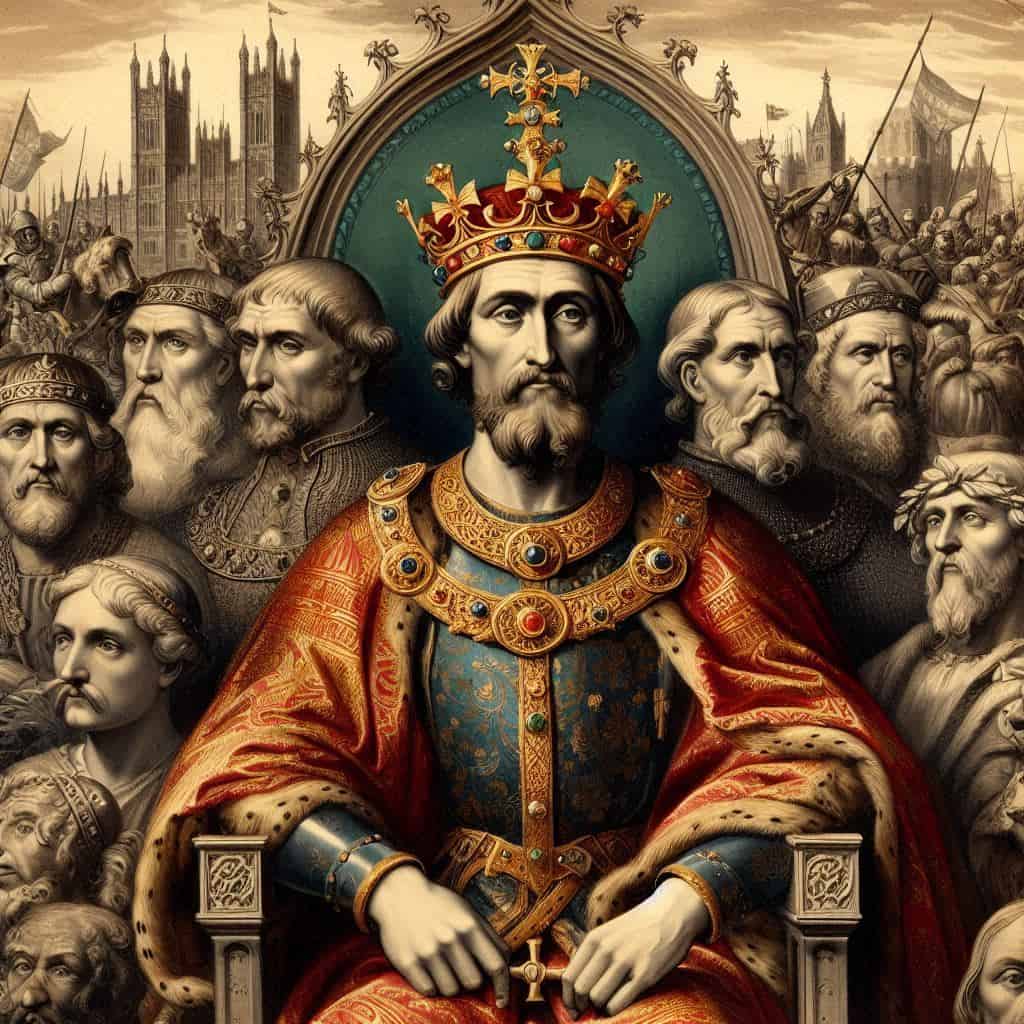
One of William’s most significant legacies was the Norman Conquest itself, which transformed the political and social landscape of England. The Normans brought with them a new language, culture, and legal system, which gradually replaced the Anglo-Saxon traditions that had prevailed before.
This laid the foundation for the development of English culture and identity in the centuries to come.
William was also a shrewd political operator who recognized the importance of centralizing power and authority in his realm.

He established a system of royal officials and advisers who helped him to govern more effectively, and he also created the Domesday Book, a comprehensive survey of England’s land and resources. This allowed him to better manage his realm and tax his subjects more efficiently, laying the groundwork for the modern British state.

William’s legacy was profound, shaping the course of English history for centuries to come. He is remembered as a transformative figure who brought stability and prosperity to England, setting the stage for its emergence as a major world power.
Frederick II: Renaissance Man
Another medieval king who shaped the future was Frederick II, who ruled over the Holy Roman Empire from 1220 to 1250 AD. Frederick was a complex and multifaceted figure, known for his intellectual curiosity, military prowess, and political acumen.

One of Frederick’s most significant contributions was his support for the arts and sciences. He was a patron of the arts and sciences, commissioning translations of classical works and founding the University of Naples. He was also a keen observer of nature and conducted numerous experiments in fields ranging from medicine to falconry.

Frederick was also a skilled diplomat and military commander who waged campaigns across Europe and the Middle East. He was known for his innovative tactics and strategies, such as his use of Arabic-speaking diplomats to negotiate with Muslim leaders during the Sixth Crusade.
Despite his many achievements, Frederick was also a controversial figure, known for his clashes with the papacy and his tendency to alienate his own nobles. He was excommunicated by the Pope multiple times and was forced to navigate a complex web of political alliances and rivalries throughout his reign.
Despite these challenges, Frederick’s legacy was profound. He was a true Renaissance man, embodying the intellectual curiosity and creative energy that would come to define the modern era. His support for the arts, sciences, and education laid the foundation for the intellectual and cultural flourishing of the Renaissance, making him one of the most important legacy-builders of medieval Europe.
Henry II: Father of English Law
Another medieval king who shaped the future was Henry II, who ruled England from 1154 to 1189 AD. Henry was a member of the Angevin dynasty and is remembered as one of the most important kings in English history.

One of Henry’s most significant contributions was his development of English law. He established a system of royal judges who traveled the country, enforcing the law and settling disputes. He also introduced the concept of the jury trial, which allowed common people to participate in the legal process.
Henry’s innovations in law laid the foundation for the English legal system that still exists today. His reforms established the principle of common law, which holds that legal decisions should be based on precedent and tradition rather than arbitrary decisions by rulers or officials.
This helped to create a more stable and predictable legal system, which in turn facilitated economic growth and social stability.

Henry was also a skilled politician and military commander, who expanded the borders of his realm through a series of successful campaigns in Ireland and Wales. He also navigated a complex web of political alliances and rivalries, forging alliances with other European powers and consolidating his power at home.
Henry’s legacy was profound, shaping the course of English history for centuries to come. He is remembered as the father of English law, a ruler who transformed his realm through innovation and reform, and a key figure in the development of English identity and culture.
Conclusion
These are just a few examples of the many medieval kings who shaped the future through their visionary leadership and innovative thinking. From Charlemagne to Henry II, these legacy-builders left an indelible mark on the political, cultural, and intellectual landscape of Europe and the world. They set the stage for the emergence of modernity and the development of the modern state, paving the way for the world we know today.
Here are five good books about the greatest kings of the medieval period
1. “Charlemagne: The Formation of a European Identity” by Rosamond McKitterick – This book provides a detailed look at the life and legacy of Charlemagne, one of the most important figures in medieval Europe.
2. “The Plantagenets: The Warrior Kings and Queens Who Made England” by Dan Jones – This book covers the history of the Plantagenet dynasty, which ruled England from 1154 to 1399 and includes such famous monarchs as Henry II, Richard the Lionheart, and Edward III.
3. “The Age of Charlemagne” by Johannes Fried – This book provides a comprehensive overview of the political, cultural, and intellectual developments of the Carolingian Empire under Charlemagne’s rule.
4.”The Angevin Empire” by John Gillingham – This book covers the history of the Angevin dynasty, which ruled England, Normandy, and parts of France from 1154 to 1216, and includes famous monarchs like Henry II and Richard the Lionheart.
5.”The Greatest Knight: The Remarkable Life of William Marshal, the Power Behind Five English Thrones” by Thomas Asbridge – This book tells the story of William Marshal, one of the most famous knights of the medieval period, who served as a trusted adviser to several English monarchs, including Richard the Lionheart and King John.
📜 Frequently Asked Questions
Who were some of the most influential medieval kings?
Influential kings include **Charlemagne, Alfred the Great, Richard the Lionheart, Henry II**, and others who left significant **political, military, and cultural legacies**.
What made a king a “legacy-builder”?
Legacy-builders were kings who implemented **lasting reforms, won crucial battles, expanded territories**, or established **institutions** that shaped the future.
Did all medieval kings leave a positive legacy?
Not all legacies were positive. Some kings are remembered for **tyranny, failed policies, or dynastic disputes**, yet all influenced history in some way.
How did wars affect a king’s legacy?
Wars often defined a king’s **reputation, territorial control**, and **political influence**, directly impacting their historical legacy.
Did kings build lasting institutions?
Yes, many kings established **laws, administrative systems, churches, and universities**, leaving structural legacies that lasted centuries.
Why is studying these kings important?
Studying legacy-building kings helps us understand the **political, social, and cultural development of medieval Europe** and how leadership decisions shaped history.
Did religion influence a king’s legacy?
Yes, religious support often **legitimized authority, influenced policy**, and sometimes led to the founding of **churches and monastic institutions**.