
Castle moats were more than just picturesque water features surrounding medieval fortresses—they were vital defensive structures designed to keep enemies at bay. Acting as the first line of defense, moats made sieges longer, riskier, and far less likely to succeed. From their clever engineering to the psychological advantage they gave defenders, moats played a decisive role in making castles nearly impossible to capture. In this article, we’ll explore 10 reasons why moats were so hard to breach.
These water-filled ditches surrounding castles were not merely decorative features but strategic defensive measures designed to thwart siege attempts.
In this article, we delve into the reasons why castle moats were so challenging for assailants to breach.
1. Width: Moats were typically wide expanses of water, ranging from a few meters to several dozen meters in width. This substantial distance made it arduous for attackers to bridge the gap, especially under fire from defenders.
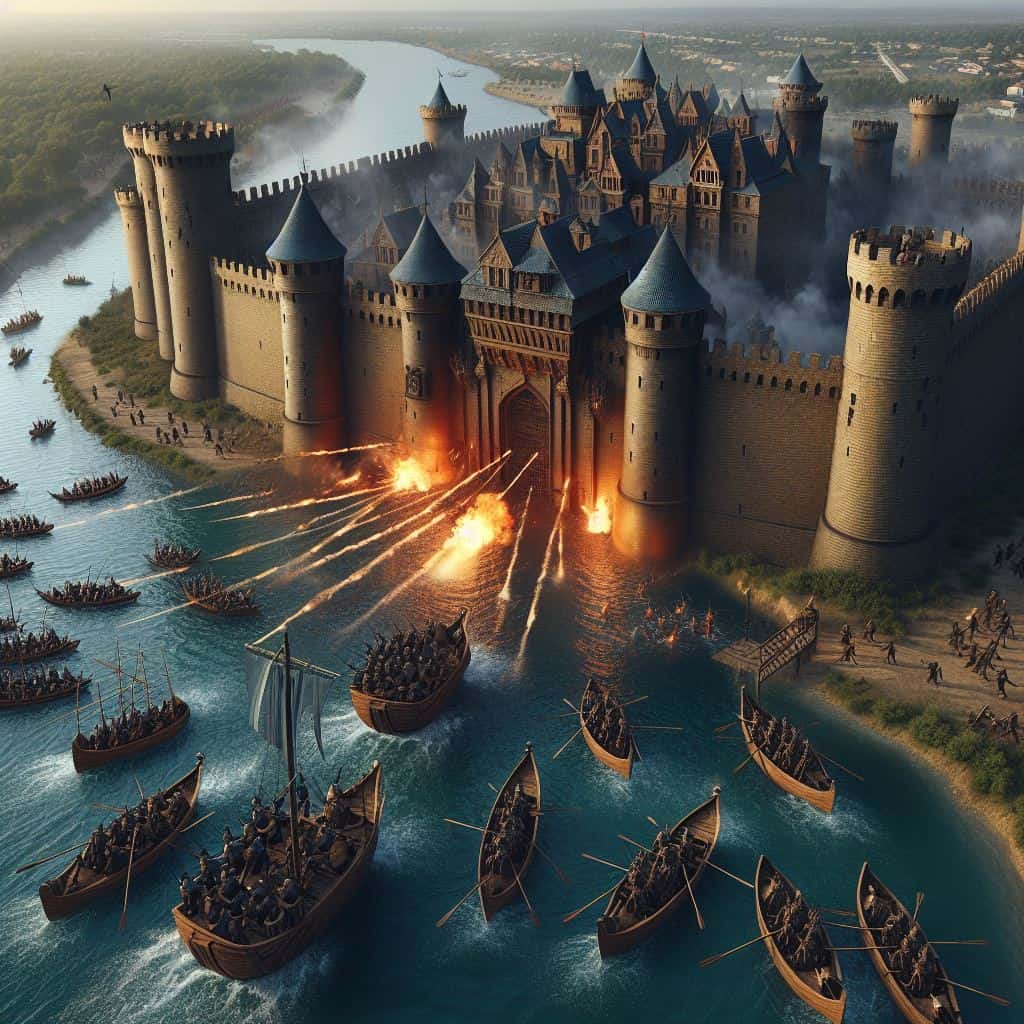
2. Depth: Often dug deep into the earth, castle moats presented a daunting obstacle for attackers. The depth of the water added a layer of difficulty for assailants attempting to navigate or cross the moat.
3. Water: Filled with water sourced from nearby rivers, streams, or purposely dug channels, moats presented a dual hazard for attackers. Not only did the water impede progress, but it also posed a drowning risk for those who fell in during the chaos of battle.
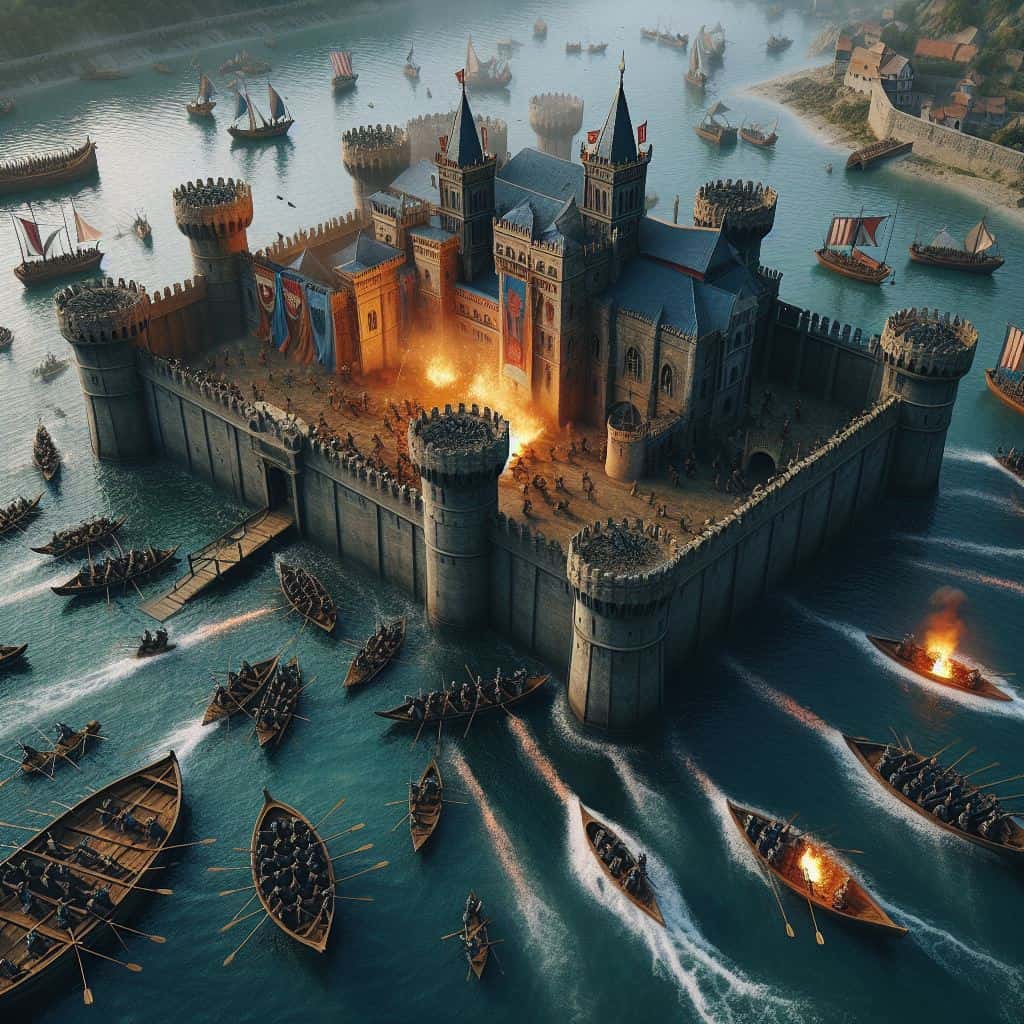
4. Defensive Positioning: Defenders stationed atop castle walls enjoyed a significant tactical advantage over attackers struggling to cross the moat. With clear lines of sight and protection, defenders could unleash a barrage of arrows, stones, or other projectiles upon the vulnerable assailants below.
5. Obstacles: Moats often contained hidden hazards strategically placed to impede progress. These obstacles could include submerged spikes, rocks, or wooden stakes, further complicating any attempts to breach the castle’s defenses.
6. Limited Access Points: Attackers could only traverse the moat via designated crossing points, typically bridges or causeways. These access points were heavily guarded and easily defended by the castle’s occupants, or alternatively, could be destroyed to prevent entry.

7. Undermining: Before attempting to breach the castle walls, attackers first had to contend with the moat. This additional layer of defense forced assailants to divert time and resources towards bridging or filling in the moat, delaying their siege efforts.

8. Slow Progress: Constructing siege engines or filling in the moat with materials to create a passage was a time-consuming endeavor for attackers. This slow progress allowed defenders within the castle ample time to prepare defenses or launch counterattacks.
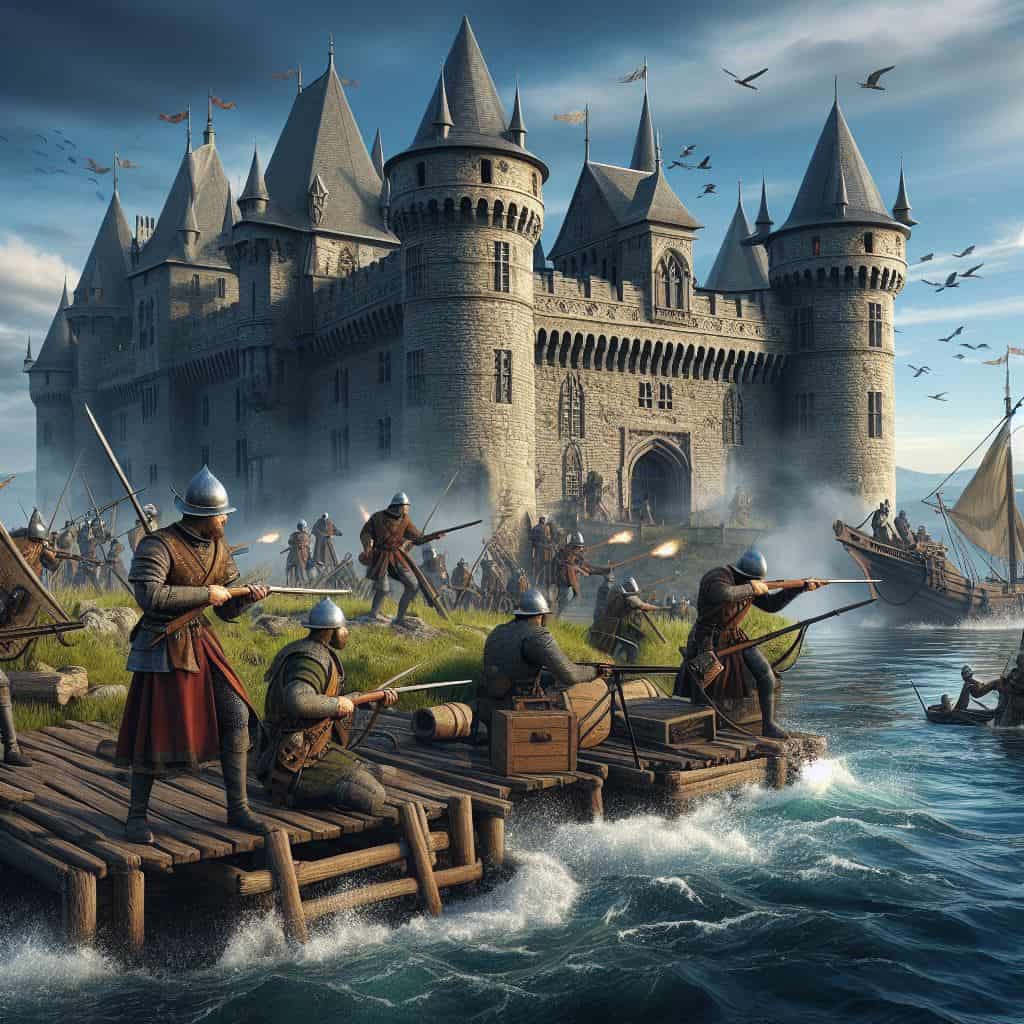
9. Vulnerability: As attackers focused their efforts on crossing the moat, they were often exposed to defensive fire from defenders positioned on the castle walls or within adjacent towers. This heightened vulnerability compounded the challenges faced by assailants.
10. Psychological Impact: The imposing presence of a castle moat instilled fear and uncertainty in the hearts of attackers. Its sheer size and depth served as a visible reminder of the daunting task ahead, potentially demoralizing assailants before the siege even commenced.
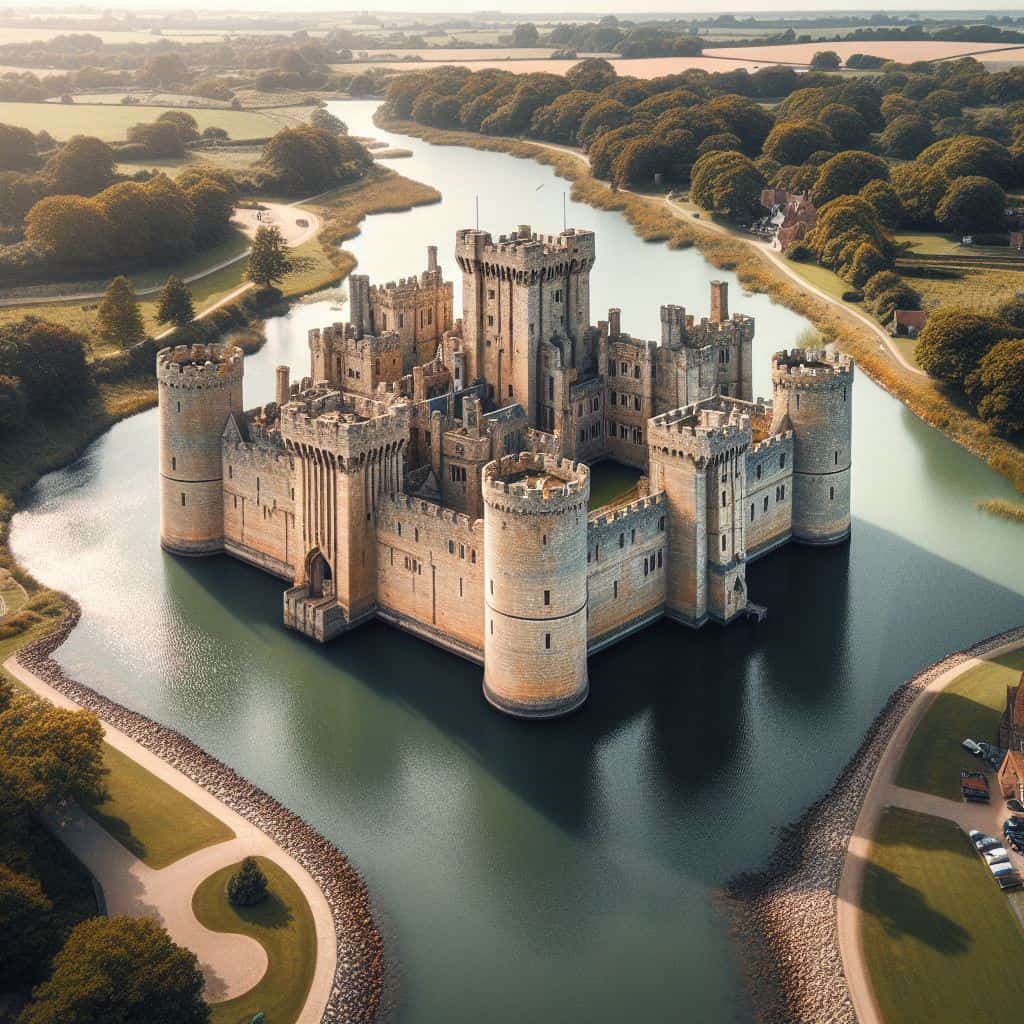
Castle moats stood as formidable barriers, effectively deterring and impeding attackers for centuries. Their width, depth, water, and strategic placement made them formidable obstacles that bolstered the overall defensive strength of medieval castles. As symbols of military engineering prowess, castle moats remain an enduring testament to the ingenuity of medieval fortifications.

“Visit Castles with the Best Examples of Moats in Europe”
Château de Chillon (Switzerland): Château de Chillon
Warwick Castle (England): Warwick Castle
Bodiam Castle (England): Bodiam Castle
Caerphilly Castle (Wales): Caerphilly Castle
Kasteel de Haar (Netherlands): Kasteel de Haar
Beaumaris Castle (Wales): Beaumaris Castle
Carcassonne (France): Carcassonne
Burg Eltz (Germany): Burg Eltz
Malbork Castle (Poland): Malbork Castle
Conwy Castle (Wales): Conwy Castle
These links should provide you with additional details about each castle, including visiting hours, admission fees, and historical information.
🌊 Frequently Asked Questions about Castle Moats
What was the main purpose of a moat?
A moat served as a **defensive barrier**, making it harder for attackers to reach castle walls with ladders, siege towers, or battering rams.
Were all moats filled with water?
No. Some moats were **dry ditches** filled with spikes or obstacles, while others were water-filled when local geography allowed.
Did moats help against tunneling?
Yes. A **water-filled moat** made tunneling nearly impossible since attackers risked **flooding their own tunnels**.
How did defenders use moats during sieges?
Defenders could fire arrows, pour boiling oil, or drop rocks on enemies **trapped in moats**, exploiting their disadvantage.
Were moats only built in Europe?
No. Moats appeared in **many cultures**, including Japan, Southeast Asia, and parts of the Middle East, though designs varied.
Did moats have any non-military uses?
Yes. Moats sometimes served as **fish ponds**, water sources, or sewage systems for castles.
Why did moats decline in use?
With the rise of **gunpowder artillery** in the late medieval and Renaissance periods, thick walls and bastions became more effective than moats.


