Why Does a Castle Have a Moat?
A castle had a moat primarily as a defensive feature designed to protect the walls from direct attack. By creating a wide ditch between the castle and potential attackers, a moat made it extremely difficult for enemies to reach the walls or gates.
Moats prevented attackers from:
- Digging tunnels beneath castle walls
- Using battering rams against gates
- Placing ladders or siege towers against the walls
While many moats were filled with water, others were dry moats containing rocks, wooden spikes, or steep earthworks. Some castles were built on natural islands or surrounded by rivers, creating natural moats that were later enhanced by human construction.

Why Were Castles Built?
Castles were built during the medieval period as fortified residences for nobles and royalty. The Middle Ages were marked by frequent warfare, rebellion, and territorial disputes, making unfortified homes unsafe for powerful landowners.
Castles served several key purposes:
- Protecting noble families from attack
- Housing military garrisons
- Controlling surrounding land and populations
- Acting as administrative and political centres
Stone castles replaced earlier wooden fortifications, as stone structures were far more durable and resistant to fire and siege.
Medieval Castles Q&A
Click a question to reveal the answer.
A moat acted as a defensive barrier that made it difficult for attackers to reach a castle’s walls and gates. It helped prevent tunnelling beneath walls and made siege tactics like ladders, battering rams, and siege towers harder to use effectively.
Tip: Moats could be wet (water-filled) or dry, sometimes lined with steep earthworks, rocks, or wooden obstacles.Castles were built as fortified residences for nobles and royalty. They provided protection during warfare, housed soldiers and supplies, and helped rulers control surrounding land and communities.
Early castles in parts of Europe appeared in the 9th and 10th centuries. In England, large-scale castle building began in 1066 after the Norman Conquest.
Concentric castles (with multiple rings of walls) developed in the 13th century and became especially associated with the castles of Edward I in Wales and the surrounding regions.
Their design was influenced by advances in siege warfare and by fortifications encountered during the Crusades.
A barbican was a fortified outer gateway in front of a castle’s main entrance. It forced attackers into a narrow, heavily defended approach before they could reach the main gate.
After 1066, William built castles to secure Norman control, station garrisons, discourage rebellion, and demonstrate authority across newly conquered territories.
Windsor Castle is widely recognised as the largest castle in the UK and one of the oldest continuously occupied royal residences.
Many medieval curtain walls were around 30 feet high, though some were higher depending on the castle’s location, design, and the siege technology of the period.
A squint was a small, often angled opening that allowed people to observe between rooms or floors. They could be used for supervision, security, or discreet monitoring inside a castle.
Rushes (reed-like plants) were spread on floors to provide insulation, absorb dirt, and improve comfort. In wealthier households they could be woven into mats and sometimes mixed with herbs for a fresher smell.
When Was the First Castle Built?
The earliest castles in continental Europe appeared during the 9th and 10th centuries, as local nobles began fortifying their residences.
In England, the first castles were built in 1066, following the Norman invasion led by William the Conqueror. After defeating King Harold at the Battle of Hastings, the Normans rapidly constructed castles across England to secure their control and suppress rebellion.

When Was the First Concentric Castle Built?
The earliest concentric castles in Europe were built during the 13th century. These castles featured multiple layers of defensive walls, making them far more difficult to capture.
Concentric castles were strongly associated with Edward I of England, who built many such fortresses in Wales and other parts of the British Isles. Their design was influenced by castles encountered during the Crusades, particularly in the Crusader states of the Middle East.

What Was a Castle Barbican?
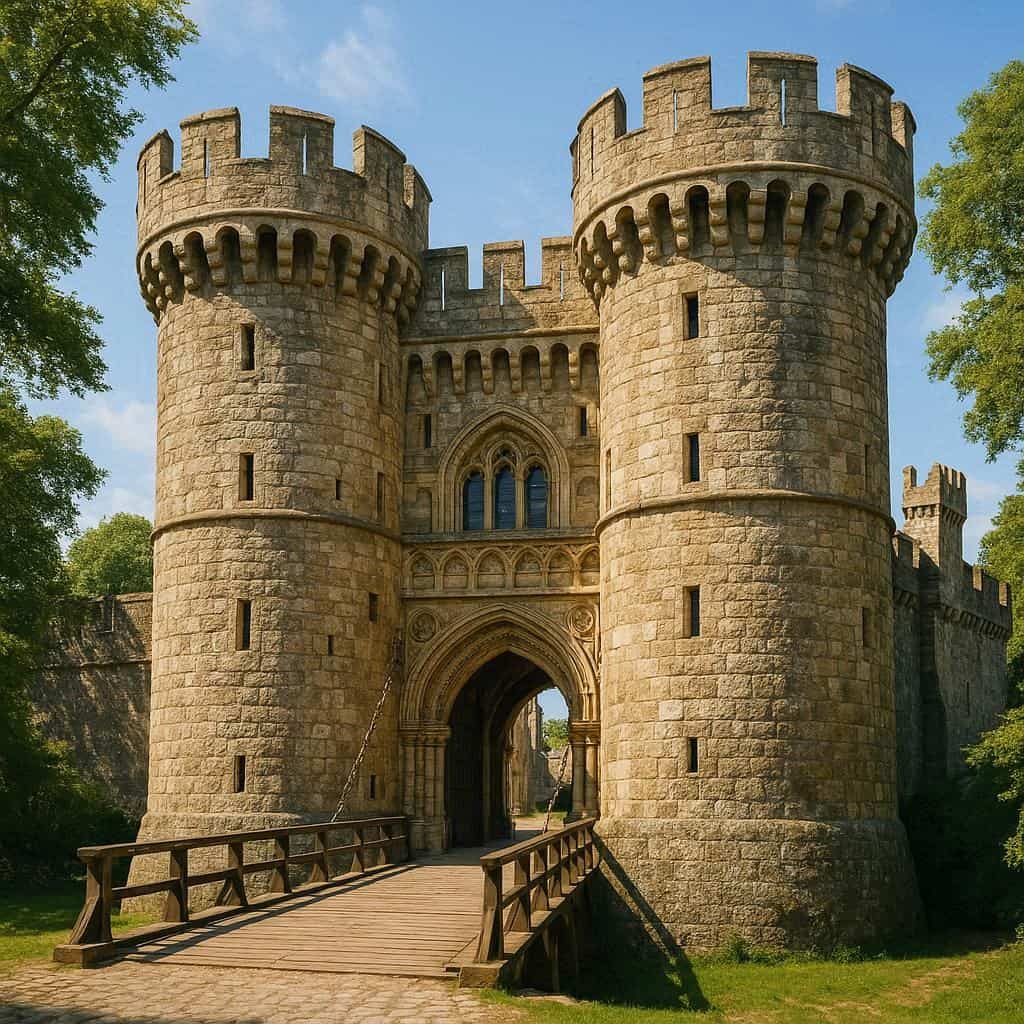
A barbican was a heavily fortified outer structure positioned in front of a castle’s main entrance. Its purpose was to provide an additional layer of defence before attackers could reach the main gate.
Barbicans typically included:
- Thick stone walls
- Towers guarding the entrance
- Narrow passageways designed to slow attackers
They were often among the most heavily defended parts of a castle.
Why Did William the Conqueror Build So Many Castles?
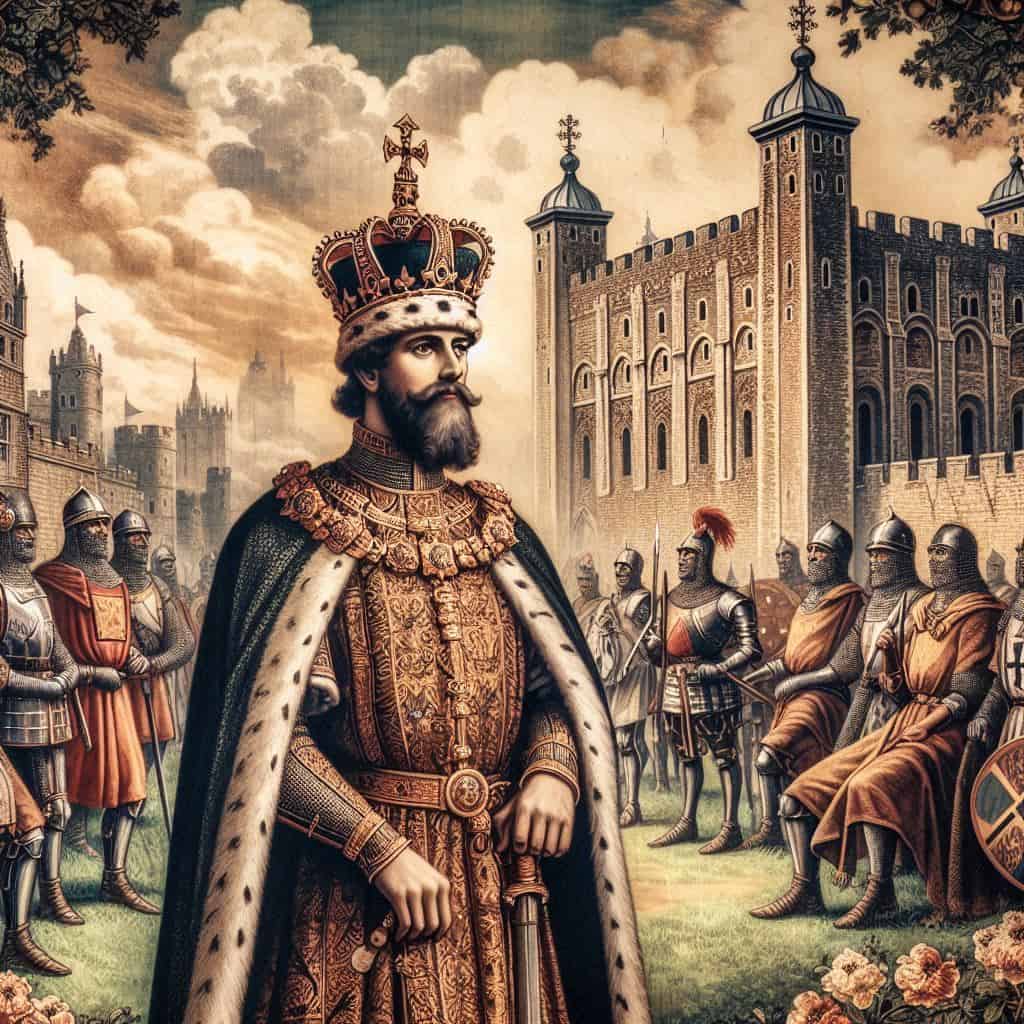
After conquering England in 1066, William the Conqueror faced repeated uprisings from the local Anglo-Saxon population. To secure Norman rule, he ordered the construction of large numbers of castles across England.
These castles:
- Housed Norman soldiers
- Allowed rapid military response to rebellion
- Demonstrated Norman authority and permanence
The widespread presence of castles helped the Normans maintain control over the country for generations.
Who Built the First Castles?
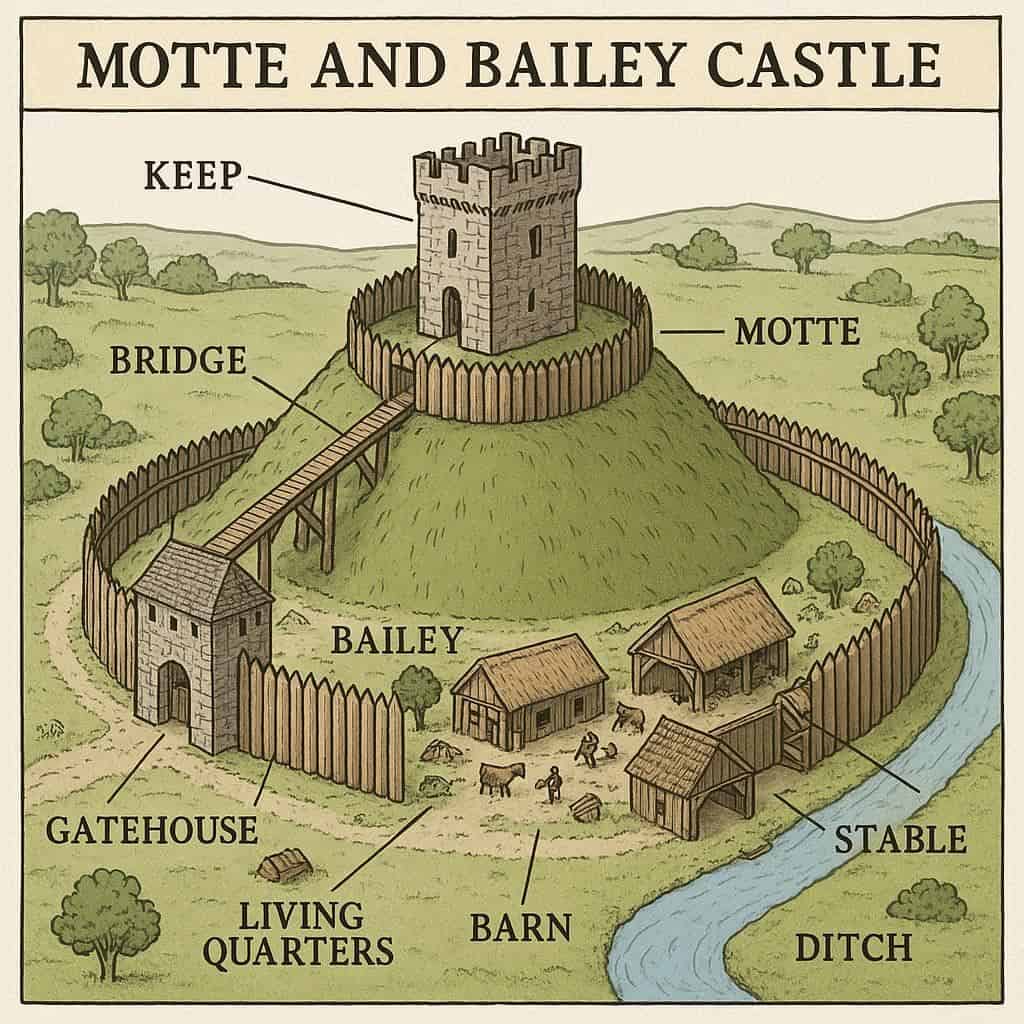
In England, the first castles were built by the Normans beginning in 1066. These early castles were often motte-and-bailey structures made from wood and earth, later replaced by stone.
In continental Europe, castles developed earlier, during the 9th century, as powerful nobles sought to display their authority and protect their lands.
A castle was both a military fortification and a residential building. Unlike simple forts, castles were designed to be lived in by nobles and their households.
- High outer walls known as curtain walls
- Defensive towers
- A central keep containing living quarters
- Storage areas, halls, and service buildings
Most castles combined defensive strength with domestic comfort, although some served purely military purposes.
What Is the Largest Castle in the UK?
Windsor Castle is the largest castle in the United Kingdom. Originally built in the 11th century, it has been continuously expanded and modified over time.
Covering nearly 13 acres, Windsor Castle remains a working royal residence and is the oldest castle in the world still occupied by a reigning monarch.

Medieval castle walls were typically around 30 feet high, though some reached heights of 40 feet or more. The height of the walls depended on several factors:
- The type of siege technology used at the time
- The location and terrain
- The castle’s defensive role
As artillery became more common, castle walls became thicker rather than taller to better withstand cannon fire.
What Was a Squint in a Medieval Castle?
A squint was a small, often angled opening within a castle that allowed observation between rooms or floors. Squints were used for surveillance, supervision of servants, or discreet observation without being seen.
They were commonly found near halls, stairways, or private chambers.
What Were Rushes Used for in Medieval Times?
Rushes, which were reed-like plants, were commonly used to cover floors in medieval houses and castles. They helped absorb dirt, provide insulation, and improve comfort.
In wealthier households, rushes were sometimes woven into mats or mixed with herbs to improve cleanliness and scent.
Why Were Castles Built by the Normans?
The Normans built castles throughout England after 1066 to:
- Secure newly conquered territory
- Control rebellious regions
- House military garrisons
- Demonstrate power and authority
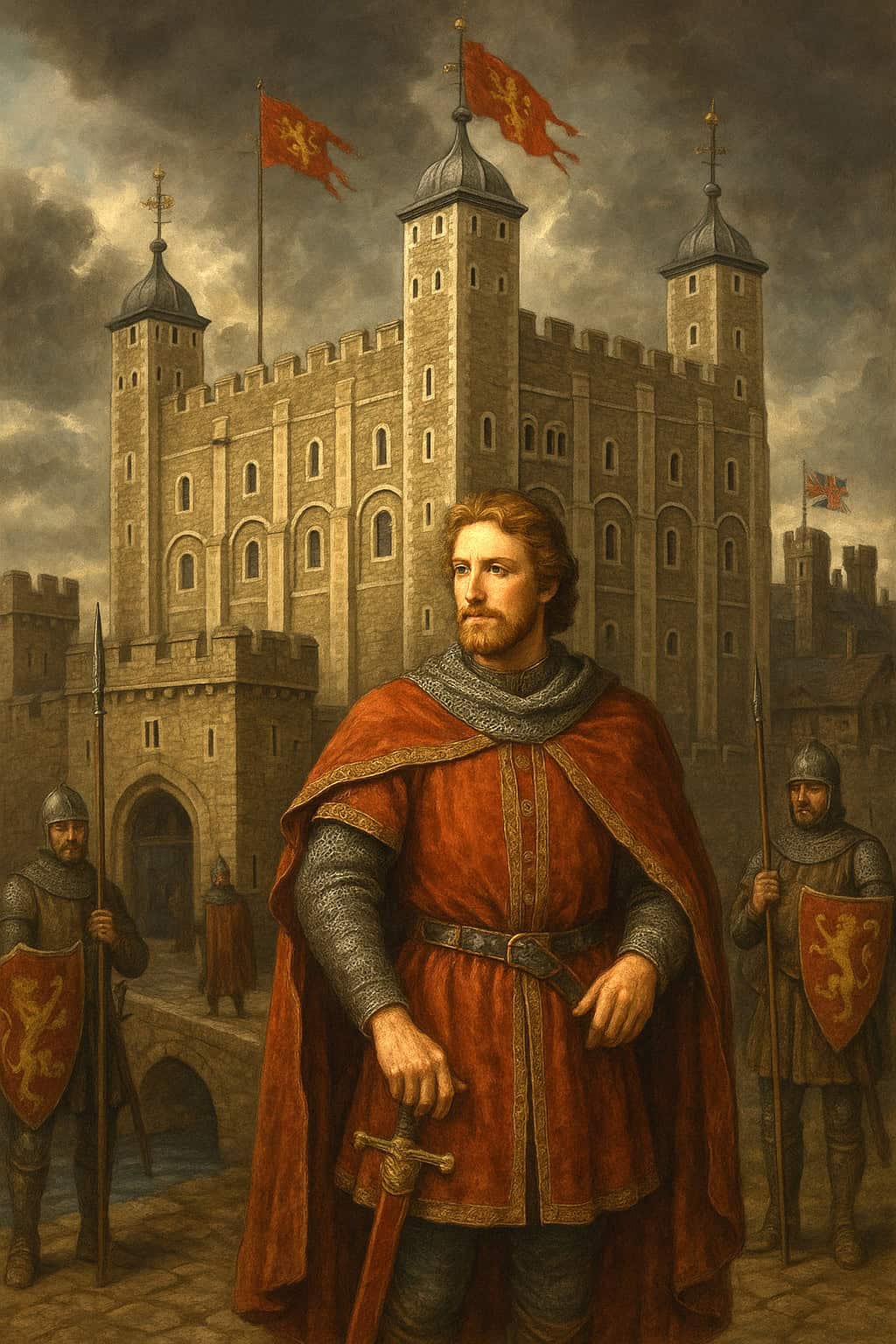
Castles became a visible symbol of Norman dominance and were essential to maintaining long-term control.
In Summary
Medieval castles were complex structures that served as fortresses, homes, and centres of power. Their design evolved in response to warfare, politics, and technology, leaving behind some of the most iconic buildings in European history.
❓ Medieval Castles Q & A: Everything You Want to Know
What was a medieval castle?
A medieval castle was a fortified structure that served as both a military stronghold and a residence for a lord or noble family. Unlike simple forts, castles were designed to be lived in while also providing strong defenses against attack.
Why were castles built?
Castles were built to control land, protect important routes, defend against enemies, and symbolize power and authority. They allowed a lord to dominate the surrounding area both militarily and politically.
How were castles defended?
Castles relied on thick stone walls, towers, gatehouses, moats, and elevated positions. Defenders used arrow slits, battlements, boiling water, and overlapping fields of fire to repel attackers.
What is a keep?
The keep was the strongest and most secure part of a castle. It often contained living quarters, storage rooms, and served as the final refuge if the outer defenses were breached.
How tall were castle walls?
Most medieval castle walls were around 30 feet high, though some reached 40 feet or more. Height was balanced with thickness to withstand siege engines and, later, cannon fire.
Why did castles eventually become obsolete?
The widespread use of gunpowder artillery made tall stone walls vulnerable. Over time, castles were replaced by forts with lower, thicker walls or lost their military role entirely.
🧠 Medieval Castles Quiz: Test Your Knowledge
📜 Glossary of Medieval Castle Terms
Castle
A fortified structure used as a residence and military stronghold by medieval nobles.
Keep
The strongest and most secure building in a castle, often serving as the lord’s residence and last line of defence.
Curtain Wall
The outer defensive wall surrounding the main area of a castle.
Gatehouse
A heavily fortified entrance to a castle, often containing portcullises and murder holes.
Moat
A deep ditch, sometimes filled with water, built around a castle to hinder attackers.
Battlements
The notched parapet at the top of a castle wall, providing cover for defenders.
Concentric Castle
A castle with multiple rings of defensive walls, allowing defenders to retreat inward while maintaining defence.
Motte-and-Bailey
An early castle design featuring a wooden or stone tower on a mound (motte) with an enclosed courtyard (bailey).
Siege
A military tactic in which attackers surround a castle to cut off supplies and force surrender.
Portcullis
A heavy iron or wooden grille that could be lowered to block a castle entrance.