The medieval manor was the foundation of rural life throughout the Middle Ages, shaping how people lived, worked, and governed themselves. More than a noble residence, the manor functioned as a self-sufficient economic unit, combining farmland, villages, religious buildings, and administrative authority under the control of a single lord. Operating within the framework of manorialism and the feudal system, medieval manors defined social hierarchy, labor obligations, and local justice for centuries.
Understanding the medieval manor offers crucial insight into daily life, class structure, and power relationships in feudal Europe.
📜 Click to Reveal: The Medieval Manor Explained
Click each section below to explore how a medieval manor functioned within the feudal system.
What Was a Medieval Manor?
A medieval manor was a self-sufficient estate controlled by a lord, consisting of farmland, villages, buildings, and workers. It formed the economic backbone of rural life in the Middle Ages.
The Manor House
The manor house served as the residence of the Lord of the Manor and the administrative center of the estate, typically featuring a Great Hall, solar rooms, kitchens, and storerooms.
Manorialism and Its Origins
Manorialism evolved from late Roman landholding practices and became widespread in medieval Europe, organizing agricultural production and labor obligations.
Feudalism and Land Ownership
Under feudalism, land was granted by kings to nobles in exchange for service. Manor estates formed the basic unit of this system, especially after the Norman Conquest of England.
Life on the Manor
Daily life revolved around agriculture, religious observance, and labor duties. Peasants and serfs worked the fields, while lords oversaw production and justice.
Jobs and Social Roles
A structured workforce—including vassals, bailiffs, reeves, serfs, villeins, cottagers, and servants—kept the manor productive and orderly.
Why Medieval Manors Mattered
Medieval manors shaped rural society, reinforced social hierarchy, and sustained Europe’s economy for centuries, making them central to medieval history.
What Was a Medieval Manor?
A medieval manor was an estate granted to a lord, usually by a king or higher-ranking noble, in return for loyalty and service. It typically included:
- Agricultural land (open fields, meadows, pastures)
- A manor house or hall
- A village where peasants lived
- Mills, barns, and workshops
- A church or chapel
- Woods, ponds, orchards, and grazing land
The lord exercised legal and economic authority over the manor, while peasants—many of them serfs—worked the land in exchange for protection and access to food-producing fields.

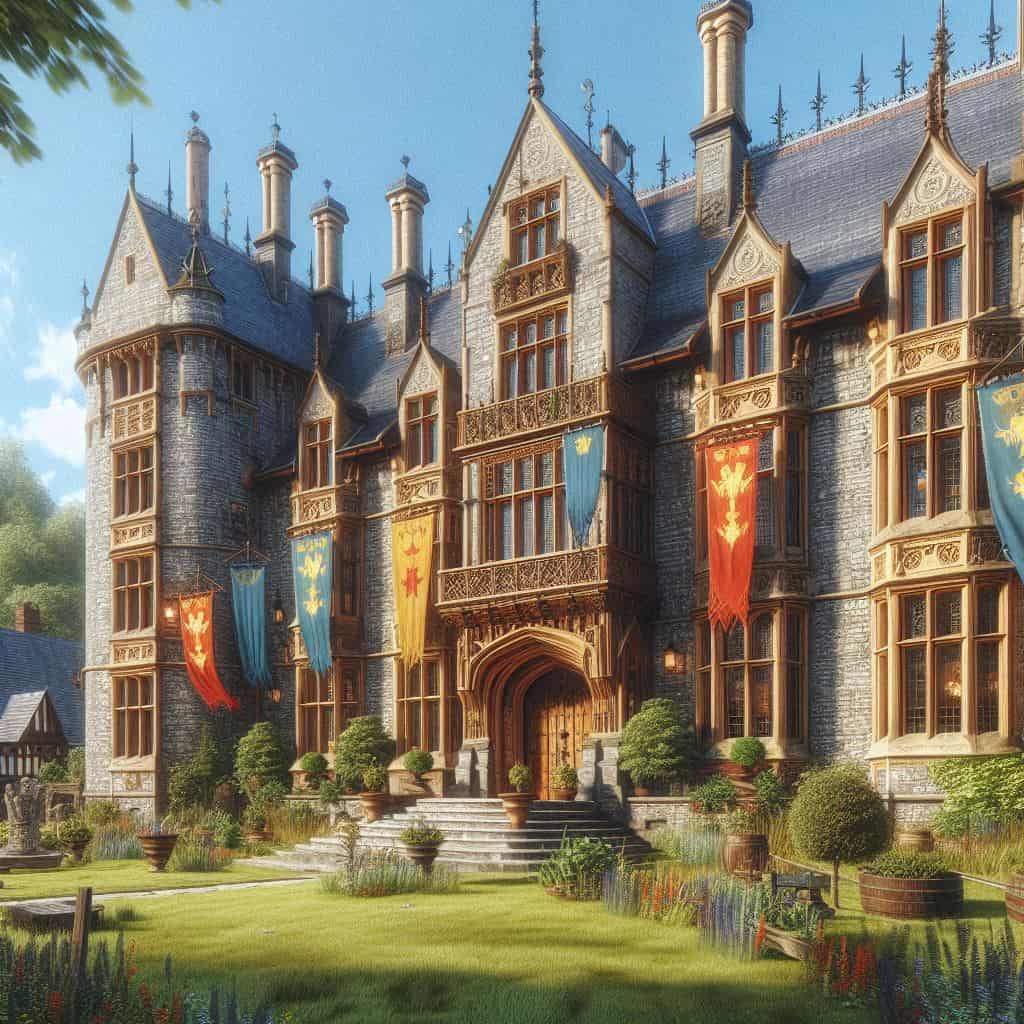
The Medieval Manor House
The manor house served as the residence of the Lord of the Manor and as the administrative center of the estate. While size and luxury varied depending on wealth and status, most manor houses shared common features.
Typical Features of a Manor House
- Great Hall – the central space for dining, meetings, and ceremonies
- Kitchen and Storerooms – often separate buildings due to fire risk
- Solar Rooms – private living quarters for the lord and family
- Servants’ Quarters – housing for household staff
- Wardrobes – storage rooms for clothing, valuables, documents, and luxury goods
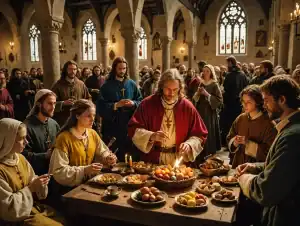
The Great Hall was the heart of manor life, used for meals, legal proceedings, and estate management.
Inside a Medieval Manor Estate
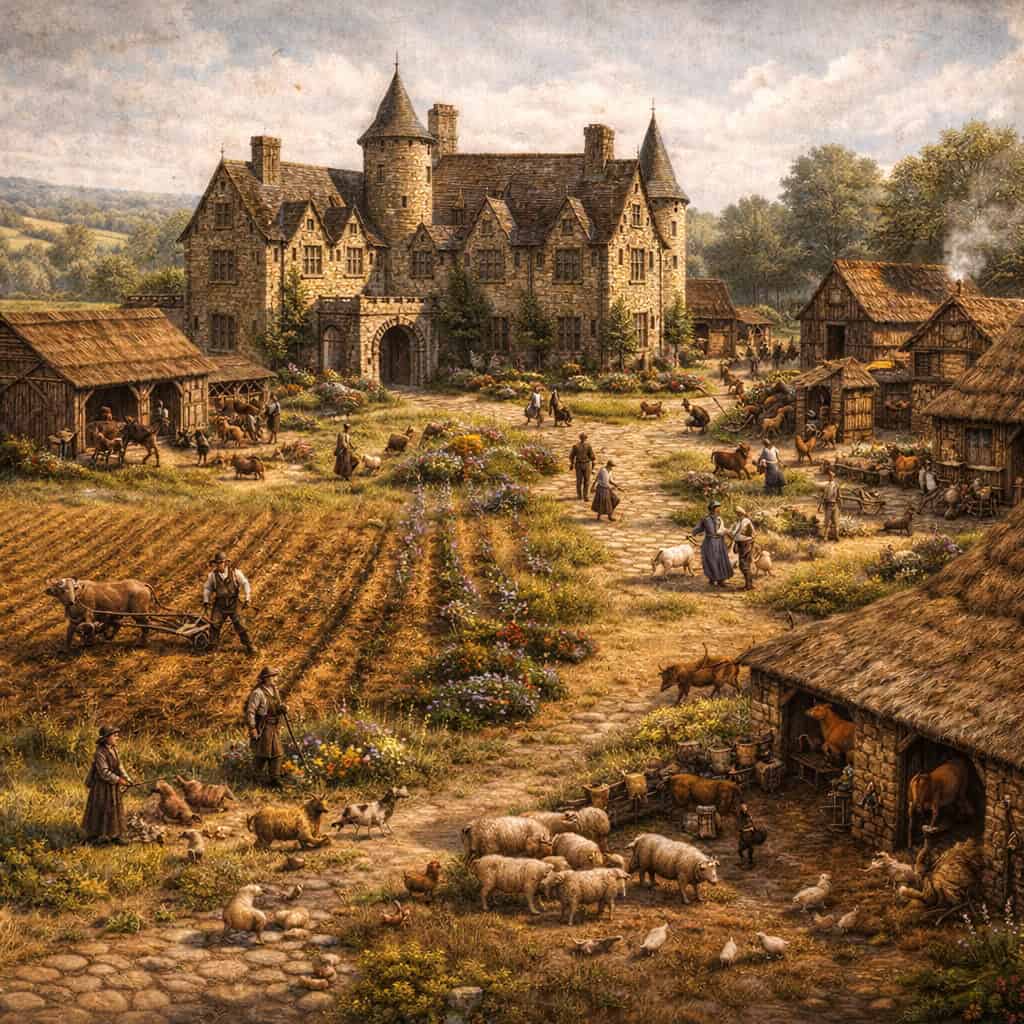
Beyond the manor house itself, the manor estate functioned as a largely self-sufficient agricultural system. Estates varied in size, but most included:
- Open-field farmland divided into strips
- Barns and granaries for crop storage
- Stables and ox-houses
- Bakehouses and brewhouses
- Animal shelters for livestock
- Village cottages for peasants
Agricultural production was the manor’s primary purpose, supporting both the lord’s household and the peasant population.
The Origins of Manorialism
Manorialism developed gradually and has roots in the late Roman Empire, when large landowners sought tighter control over land and labor. As Roman authority declined, rural estates became increasingly autonomous.
By the early Middle Ages, this system evolved into medieval manorialism, especially in Western Europe. It reached its most developed form between the 9th and 13th centuries, providing economic stability in an era marked by weak central governments and frequent conflict.
Feudalism and the Manor System in England
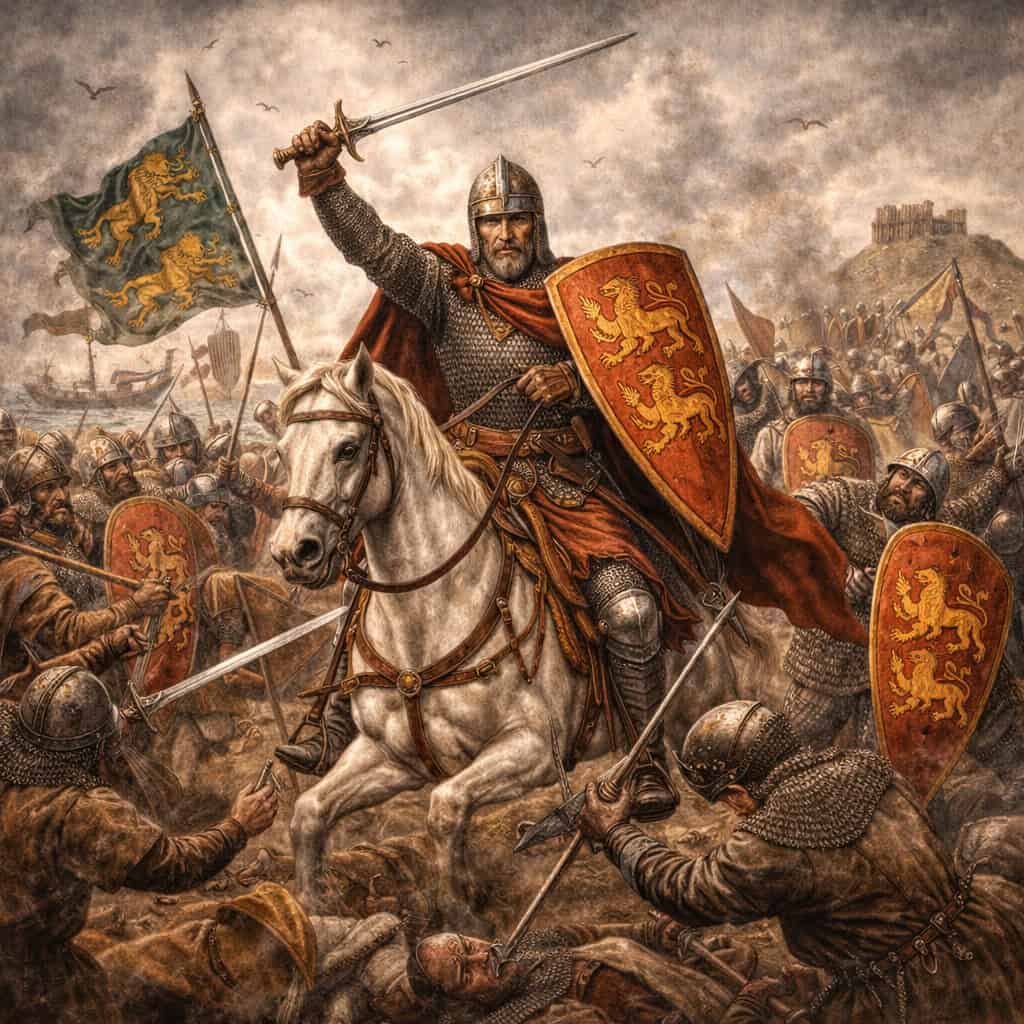
In England, the manor system became firmly established after the Norman Conquest of 1066. Following his victory, William the Conqueror redistributed land to Norman nobles, forming vast manor estates.
Feudalism and manorialism worked together:
- Feudalism governed political and military relationships between nobles
- Manorialism governed economic life and labor at the local level
Most peasants lived and worked entirely within the manor, rarely traveling beyond it.
🏰 Buildings on a Medieval Manor Estate
Because medieval manors were agricultural estates, many buildings supported food production and storage.
Barns
Stored harvested crops and protected grain and hay from weather.
Granaries
Smaller storage buildings for threshed grain, helping prevent spoilage and pests.
Stables & Ox-Houses
Housed draft animals essential for plowing, hauling carts, and fieldwork.
Animal Shelters
Protected livestock such as cows, pigs, sheep, and poultry.
Bakehouses
Specialized ovens for producing bread, a staple of medieval diets.
Breweries
Produced ale, a common drink that was often safer than untreated water.
Key hub: The manor kitchen was critical to estate life and was often connected to the pantry and buttery, where food and drink were stored and managed.
Daily Life on the Manor
Peasants and Serfs
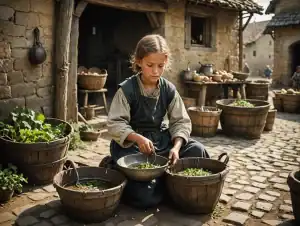
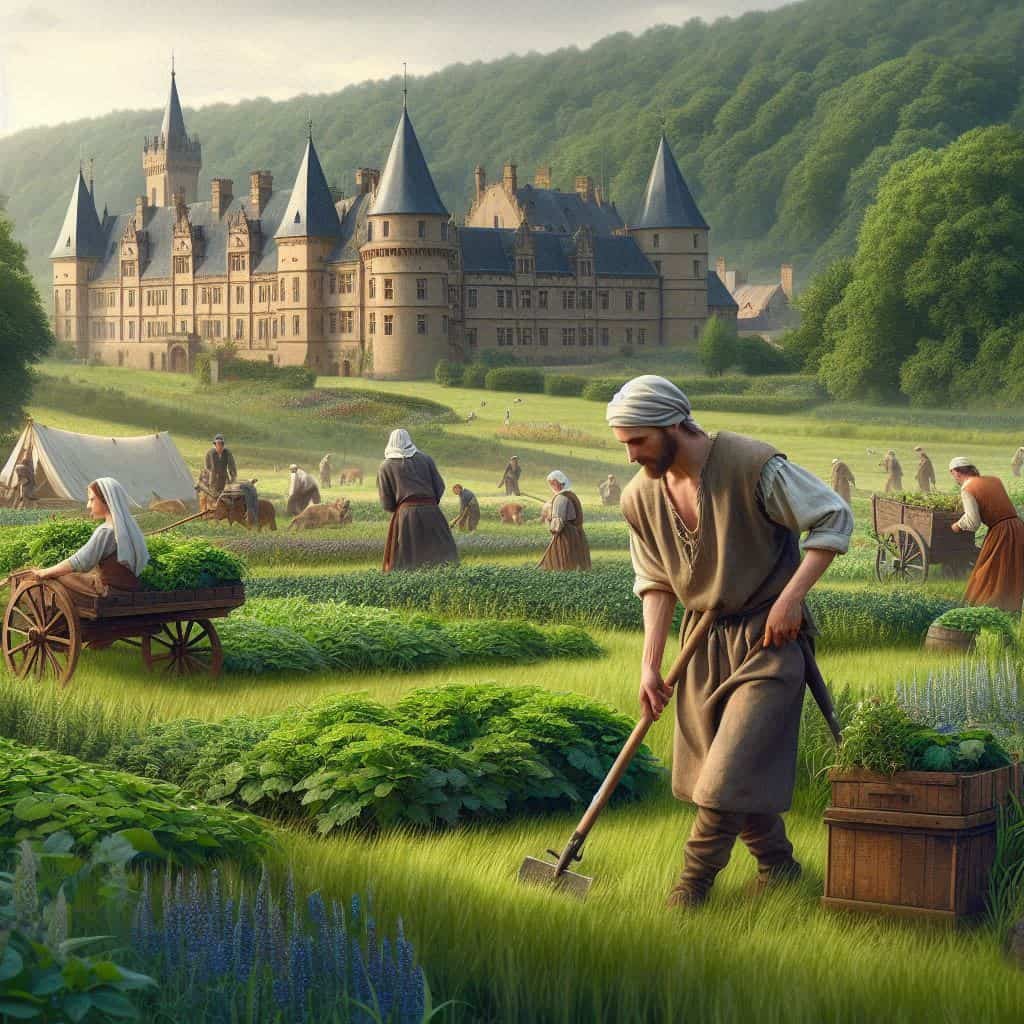
Most people on a manor were peasants, many of whom were serfs legally bound to the land. They lived in small cottages and worked both their own plots and the lord’s fields.
Peasant life revolved around:
- Seasonal agricultural labor
- Religious observance at the village church
- Payment of rents, labor services, and dues
Despite hardship, village life fostered strong communal ties.
🏰 Manor Estate Roles & Jobs
A medieval manor relied on a structured workforce to function effectively.
A free landholder who held land from a lord in exchange for loyalty and service.
The chief estate manager responsible for overseeing production and finances.
A local official, often chosen from the peasants, who organized daily agricultural labor.
A tenant bound to the manor who owed labor services and dues to the lord.
A higher-status peasant tenant who farmed significant acreage but remained legally unfree.
A landless laborer who worked for wages or small payments.
Household workers employed within the manor house itself.
Manor Estate Rules and Governance
The manor operated under the authority of the manorial court, which handled:
- Disputes between tenants
- Enforcement of labor obligations
- Local customs and fines
The lord or his representatives—often the bailiff or steward—presided over these courts. Productivity depended on geography, climate, labor availability, and effective management.
Why the Medieval Manor Mattered
The medieval manor was far more than a noble residence. It was a self-contained social, economic, and legal system that sustained medieval society for centuries. Manor estates structured agricultural production, reinforced social hierarchy, and shaped everyday life for both nobles and peasants.
What Was a Medieval Manor? (In Simple Terms)
In medieval usage, the term “manor” can mean:
- The entire manor estate (land, villages, workers, and buildings), or
- The manor house where the lord lived
A manor estate represented land granted under feudalism, worked by peasants—many of them serfs—who produced food and goods essential to medieval life.
❓ Medieval Manor – Frequently Asked Questions
What was a medieval manor?
A medieval manor was a self-sufficient estate controlled by a lord. It included farmland, villages, buildings, and workers, forming the economic foundation of rural life in the Middle Ages.
How did a medieval manor function?
Medieval manors operated through manorialism, where peasants worked the land in exchange for protection and access to food-producing fields, while the lord governed justice, labor, and land use.
What was the role of the Lord of the Manor?
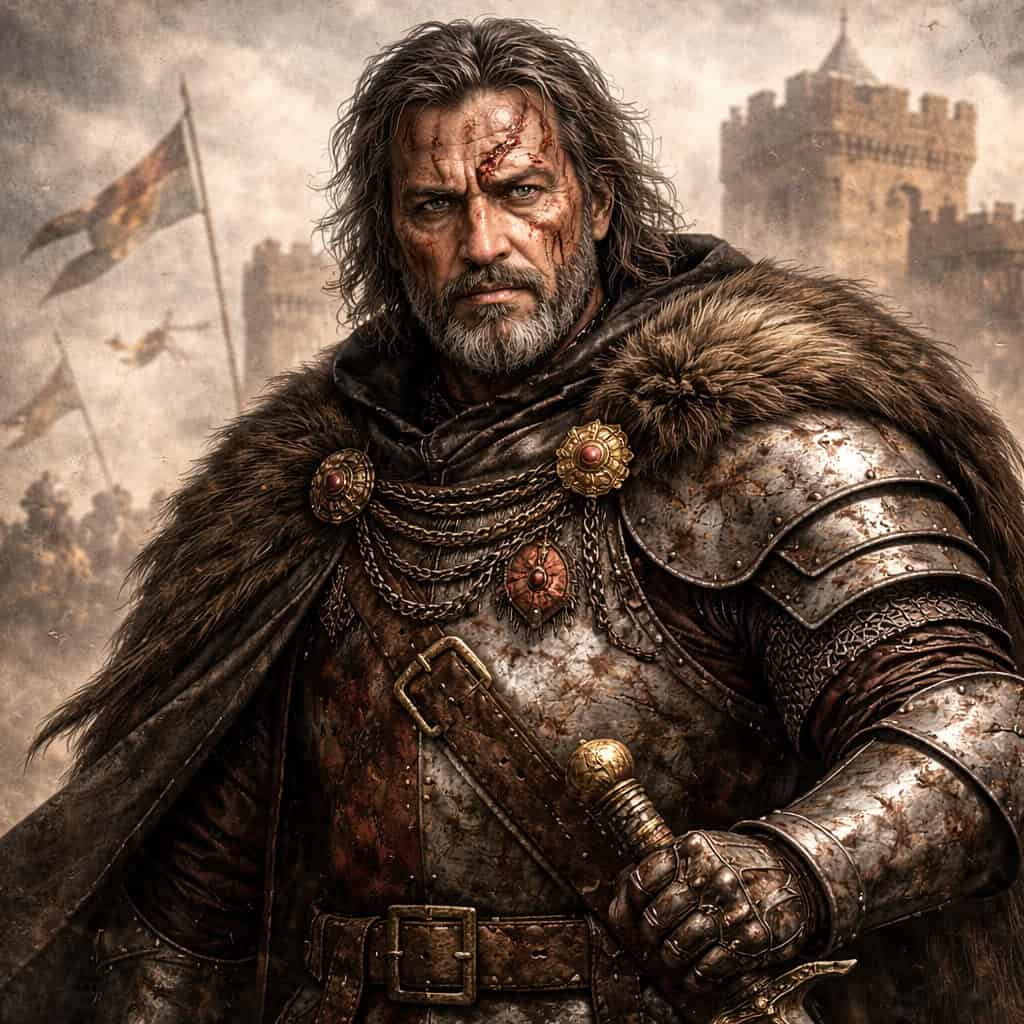
The Lord of the Manor owned or controlled the estate, collected rents and labor, presided over the manorial court, and provided protection for the people living on the manor.
Who lived and worked on a manor estate?
A manor was home to a range of people, including the lord and his family, vassals, bailiffs, reeves, serfs, villeins, cottagers, and household servants.
What buildings were found on a medieval manor?
Typical manor buildings included a manor house, barns, granaries, stables, ox-houses, animal shelters, bakehouses, breweries, mills, and peasant cottages.
What was manorialism?
Manorialism was the economic system of the Middle Ages that organized agricultural production and labor on manor estates, originating from late Roman landholding practices.
How did feudalism relate to manor estates?
Feudalism governed political and military relationships between nobles, while manorialism governed daily economic life. Together, they structured medieval society.
Why were medieval manors important?
Medieval manors sustained food production, enforced social hierarchy, provided local governance, and supported the economy of medieval Europe for centuries.
🧠 The Medieval Manor Knowledge Quiz
📚 Glossary: The Medieval Manor
Medieval Manor
A self-sufficient estate in the Middle Ages consisting of land, buildings, and people governed by a lord.
Manorialism
The economic system that organized agricultural labor and production on medieval manor estates.
Feudal System
A social and political system based on land ownership, loyalty, and service between nobles.
Lord of the Manor
The noble who controlled the manor estate and exercised legal, economic, and social authority.
Great Hall
The main room of the manor house used for dining, meetings, and estate administration.
Manorial Court
A local court held on the manor to enforce customs, settle disputes, and regulate labor duties.
Serf
A peasant legally bound to the land who owed labor services and dues to the lord.
Villein
A higher-status peasant tenant who farmed land but remained legally unfree.
Bailiff
The estate manager responsible for supervising agricultural production and finances.
Reeve
A local official who organized daily labor and represented peasant interests.
Cottager
A landless laborer who lived in a cottage and worked for wages or small payments.
Vassal
A free landholder who held land from a lord in exchange for loyalty and service.