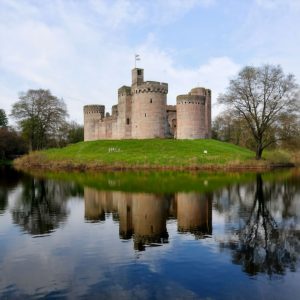
Castle Dungeons: Dark, Damp, and Deadly?
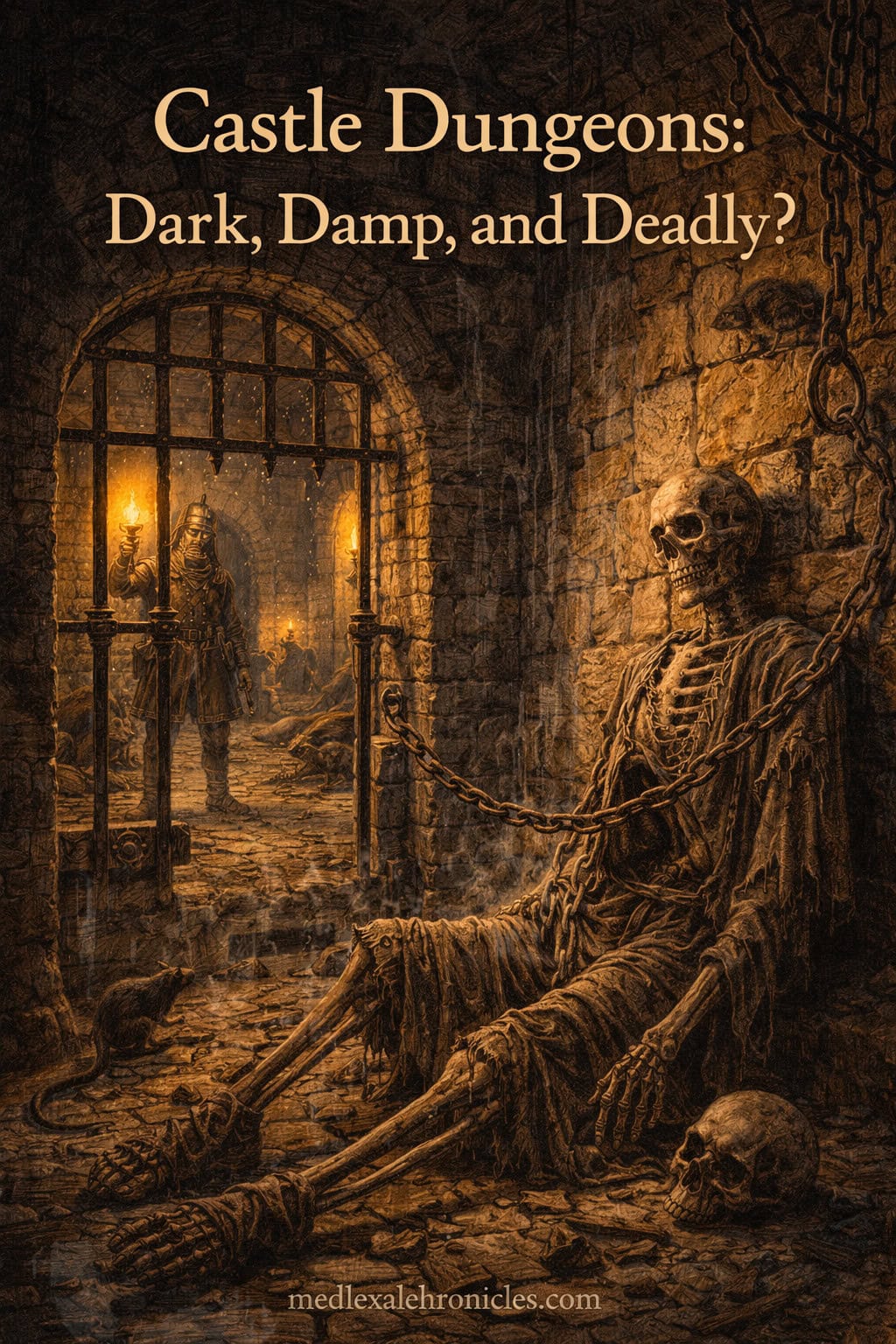
Medieval castles are often imagined as places of deep underground dungeons, chained prisoners, and endless torture. While castles did hold captives—and conditions could be brutal—the reality is more complex. Many “dungeons” were simply secure rooms designed to keep prisoners under control, not always the dripping underground chambers shown in films.
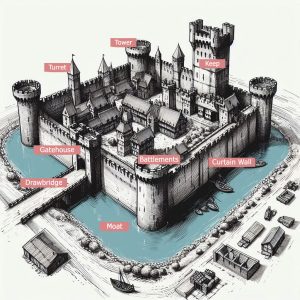
A castle prison might be hidden below ground, but it could also be inside a tower, within the gatehouse, or behind heavy doors in the keep. What mattered most was not the location, but the security: thick walls, strong locks, and guards who controlled food, water, and movement.
Castle dungeons were places of power. They reminded enemies, rivals, and rebels that the lord had the authority to punish—and the ability to make people disappear from public life.
🔎 Click & Reveal: Castle Dungeons (Truth Behind the Legends)
Click each topic to reveal the historical reality behind castle dungeons, imprisonment, and interrogation.
🏰 Did every medieval castle have a dungeon?
🌧️ Were dungeons always cold, wet, and underground?
⚖️ Was torture always legal in medieval Europe?
🧱 What is an “oubliette” really?
🕯️ Why do people imagine dungeons as torture factories?
Where Were Castle Dungeons Located?
Not every castle dungeon sat beneath the ground. Medieval builders used whatever spaces were easiest to secure.
Common castle prison locations included:
- Basements and undercrofts beneath stone buildings
- Tower chambers with narrow doors and barred windows
- Gatehouses, where guards already controlled entry
- Vaulted storage rooms that could be converted into holding cells
Underground spaces could feel terrifying because they were often cold, poorly ventilated, and dimly lit, especially if the only light came from a small slit or a single torch.
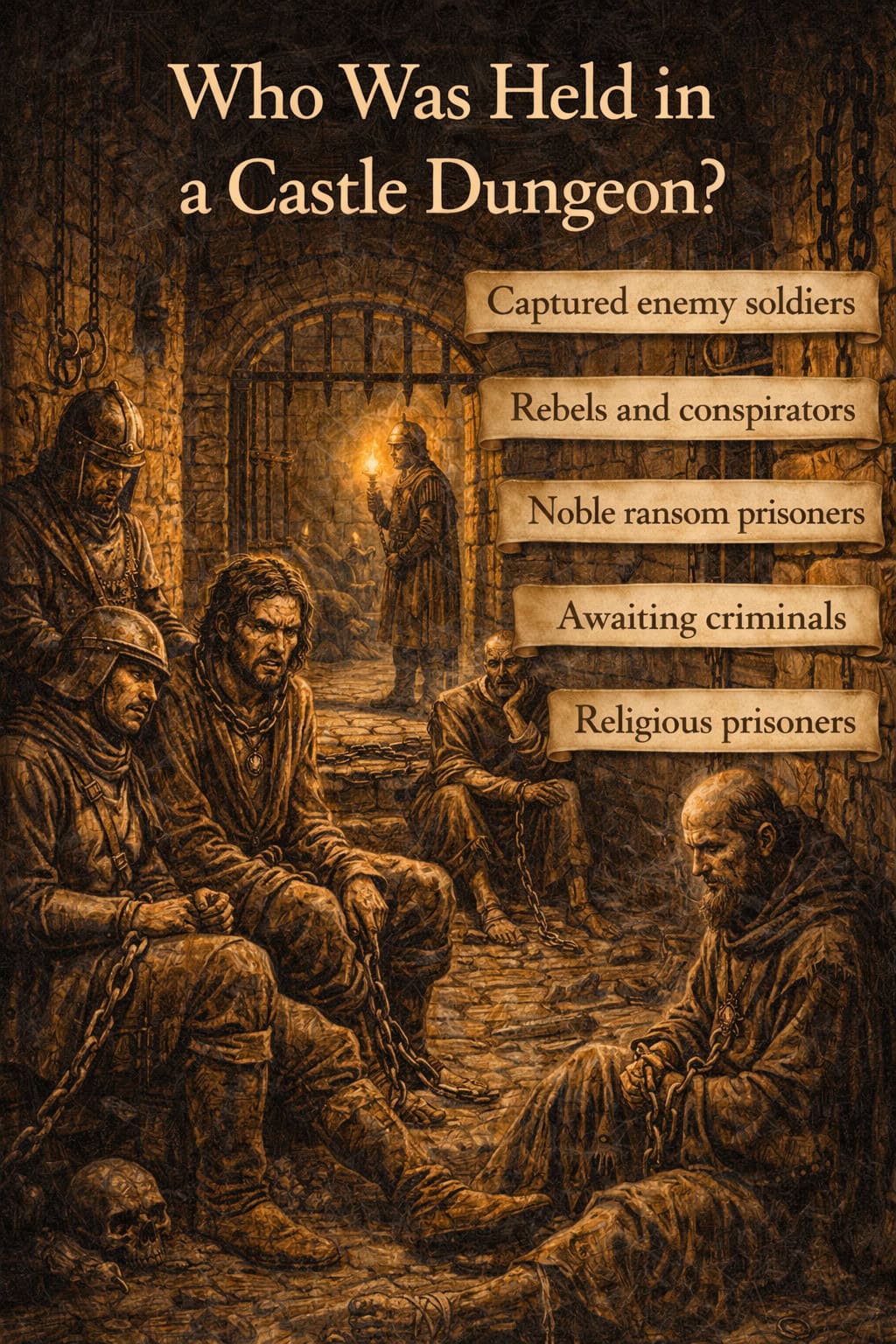
Who Was Held in a Castle Dungeon?
Castles held prisoners for many reasons, but the most common were politics, war, and local justice.
A castle dungeon might hold:
- Captured enemy soldiers during war
- Rebels accused of plotting against the crown or lord
- Nobles held for ransom (often treated better than common prisoners)
- Criminals awaiting trial or punishment
- Religious prisoners, especially during periods of conflict or persecution
Some prisoners stayed only a short time. Others could be confined for months or even years, depending on their value, their crime, and the politics of the moment.
What Were Conditions Like?
Conditions depended on the castle, the prisoner’s status, and the purpose of imprisonment. A wealthy noble might have a private chamber, bedding, and visitors—while a common prisoner could face filth and hunger.
Typical dungeon conditions could include:
- Darkness or limited light
- Cold stone walls and damp floors
- Poor hygiene and little privacy
- Thin rations of bread, water, and sometimes broth
- Rats, insects, and illness
- Isolation, especially in solitary cells
Even without physical torture, imprisonment itself could be a weapon. Starvation, fear, and uncertainty were powerful tools for breaking morale.
Castle Dungeons & Interrogation (Myth vs Reality)
The Myth
Popular culture often portrays medieval prisons as torture factories filled with endless machines and constant suffering. This image is dramatic—but it’s not always accurate.
- Dungeons were “always” used for torture
- Torture was legal everywhere and used routinely
- Every castle had a dungeon packed with devices
- Most famous torture devices are medieval
The Reality
In reality, torture was not universal, and it was not always legal. In many regions it was restricted by custom, local law, or required official permission.
Interrogation under pressure did happen—especially in cases involving:
- Treason
- Heresy
- Witchcraft accusations
- Serious political threats
It’s important to separate real medieval punishments from later inventions. Some devices linked to the Middle Ages are exaggerated, misdated, or belong more to the early modern period than the medieval era.
When listing torture devices, it helps to clearly label each one as:
Strong evidence in records or archaeology
Commonly 1500s–1700s
Often created for museums or stories
The Role of Officials: Who Controlled the Dungeon?
Castle prisons were managed by the lord’s household and military staff, not usually by one sinister “dungeon master.”
Key roles could include:
- The constable (responsible for castle security)
- Guards and watchmen
- The steward (administration and supplies)
- Local officials acting under the lord’s authority
Executioners existed, but their role was mainly tied to public punishment and legal sentences—not necessarily running day-to-day prison life.
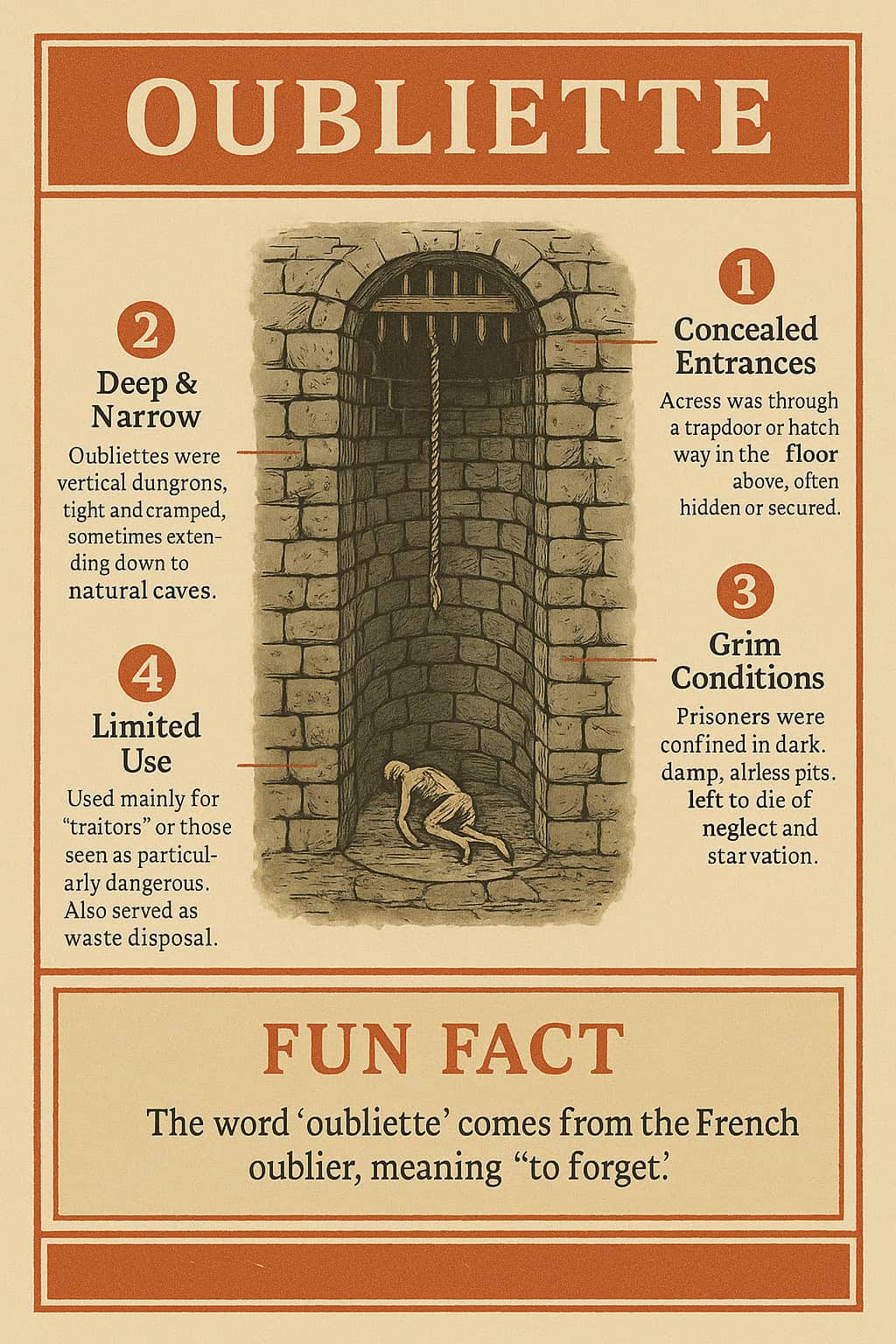
The Oubliette: A Real Feature or a Later Legend?
The word oubliette comes from French and is linked to the idea of being “forgotten.” It usually describes a small prison chamber—sometimes entered from above—designed to isolate a prisoner completely.
Some castles do have deep shafts or pits that may have been used for confinement, but many famous “oubliettes” promoted to visitors today are debated. In some cases, the label was added centuries later because it fit the dramatic story people expected.
A more accurate way to describe it is:
An oubliette-style cell was an extreme form of imprisonment that relied on isolation, darkness, and restricted movement rather than complex machinery.
Why Castle Dungeons Still Fascinate People
Castle dungeons remain one of the most haunting parts of medieval history because they sit at the intersection of law, fear, and power. They also attract modern myths—because they are easy to dramatize.
What makes them so compelling is that they were not just rooms. They were a message:
This castle could protect its people—and destroy its enemies.
Dungeon Experiences in the UK
Modern visitor attractions
Today, several popular UK attractions use dark history themes to create immersive visitor experiences. They are designed for entertainment and often combine historical events with dramatic storytelling.
These attractions can be a fun way to explore the atmosphere of the past, but they often include dramatisation and theatrical storytelling alongside real history.
Conclusion: What Castle Dungeons Really Represent
Castle dungeons were not always the underground torture chambers people imagine—but they were still places of real suffering. Whether used to hold a captured knight for ransom or a political prisoner accused of betrayal, the dungeon symbolised authority and control in medieval society.
Understanding how these prisons actually worked gives a clearer picture of medieval castles—not just as military fortresses, but as centres of justice, punishment, and power.
❓ Castle Dungeons FAQ
Were castle dungeons common in the Middle Ages?
Not every castle had a true dungeon. Many castles used towers, gatehouses, or secure rooms as prison space. Purpose-built underground cells were more common in larger or strategically important fortresses.
Were dungeons always underground?
No. Some prisoners were held in upper rooms or towers. The word “dungeon” is often used as a general term for castle prisons.
Were medieval dungeons used for torture?
Sometimes, but not always. Torture was not universal and often required official permission, especially in serious cases such as treason or heresy.
What types of prisoners were held in castle prisons?
Castles could hold political prisoners, rebels, captured enemies, and criminals awaiting trial or ransom. Treatment often depended on rank and wealth.
What were dungeon conditions really like?
Conditions varied widely. Many were cold, dark, and damp, but high-status prisoners sometimes received better food, bedding, or guarded rooms rather than deep confinement.
What is an oubliette?
An oubliette is a deep prison chamber, often accessed from above. Some real examples existed, but many popular stories about oubliettes are exaggerated or influenced by later legend.
Are famous torture devices like the Iron Maiden medieval?
Many “medieval” torture devices are misdated, exaggerated, or created for later museum displays. It’s best to label items as medieval, early modern, or myth where appropriate.
🧠 Castle Dungeons Quiz
Choose an answer for each question, then press Submit to see what you got right and wrong.
📖 Glossary: Castle Dungeons & Prison Life
A secure prison area within a castle, sometimes underground, used to hold prisoners.
A deep prison chamber, often accessed from above, designed for isolation.
Questioning of prisoners, sometimes under pressure, especially in major legal cases.
Betrayal against a ruler or state, often punished harshly in medieval law.
Beliefs considered against official Church doctrine and treated as a serious crime in many regions.
An official who carried out punishments such as hangings or beheadings under legal authority.
A fortified entrance structure that controlled access into a castle.
A heavy sliding gate made of wood and/or iron, dropped quickly to block an entrance.
The manager of a castle’s household, supplies, and domestic staff.
A senior castle officer responsible for military readiness and castle defense.