Medieval warfare shaped the political borders, social structures, and military traditions of Europe between roughly 500 and 1500 AD. From large-scale wars between kingdoms to brutal sieges of fortified castles, conflict was a constant feature of medieval life. This guide answers the most common questions about medieval battles, wars, and sieges, explaining how they were fought, why they happened, and why they still matter today.
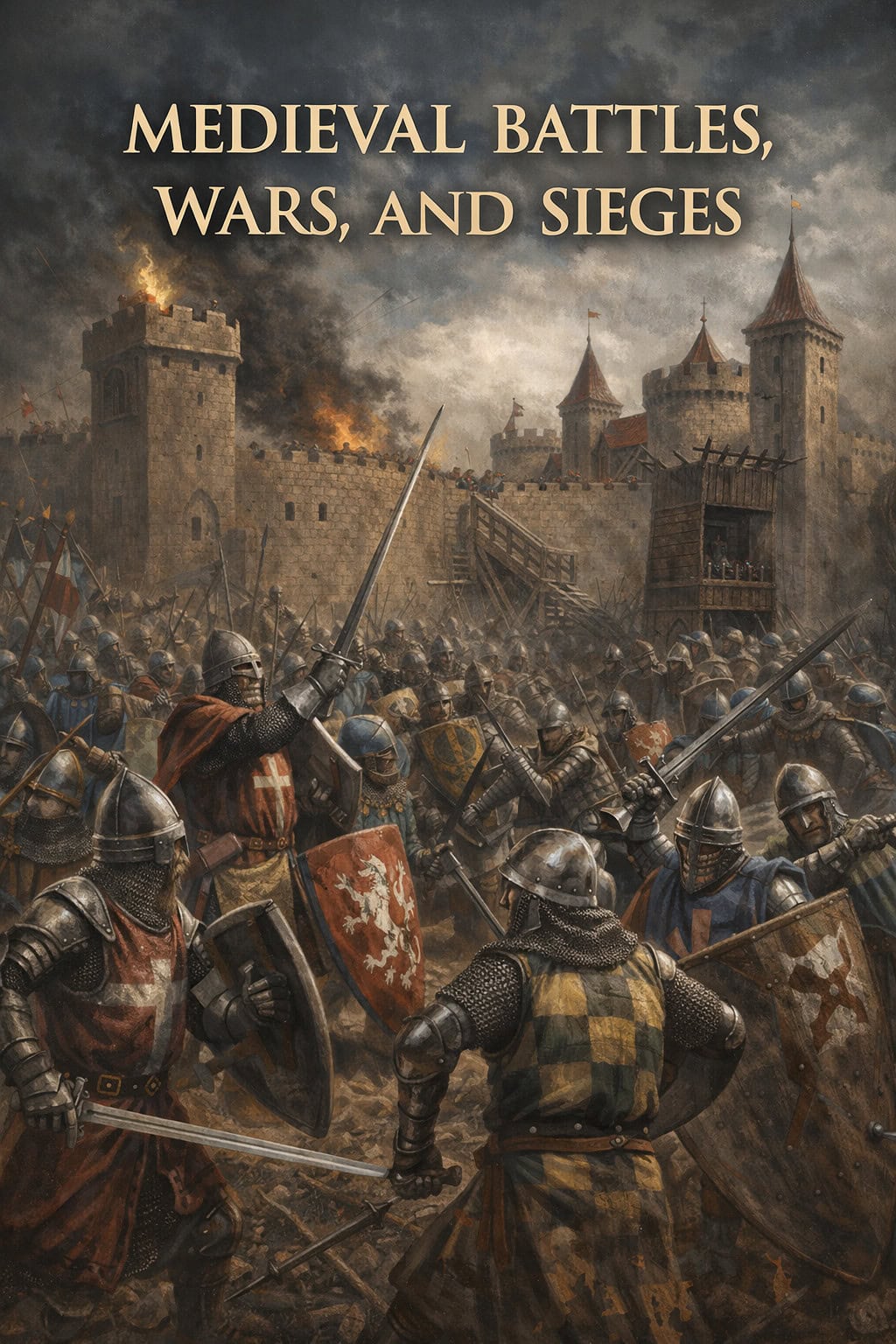
What were medieval battles?
Medieval battles were large-scale armed confrontations between opposing armies, usually fought in open terrain such as fields, hills, or plains.
Battles were often decisive events intended to:
- Settle disputes over land, succession, or power
- Crush rebellions
- Decide the outcome of wider wars
Most medieval battles were relatively short, often lasting a single day, but they could result in enormous casualties.
⚔️ Click-to-Reveal: Medieval Battles, Wars & Sieges
What caused most medieval wars?
Most medieval wars were caused by disputes over land, inheritance, royal succession, religion, and feudal loyalty. Claims to thrones and broken feudal obligations frequently led to armed conflict.
How were medieval battles fought?
Medieval battles were typically fought by armies arranged into infantry, cavalry, and missile troops. Commanders relied on formation, terrain, morale, and timing rather than speed or surprise alone.
What was a medieval siege?
A medieval siege involved surrounding a castle or fortified town to cut off supplies and force surrender. Sieges could last weeks, months, or even years.
Which weapons were used in medieval warfare?
Common medieval weapons included swords, spears, axes, maces, bows, crossbows, and siege engines such as trebuchets, battering rams, and siege towers.
Why were castles so important in war?
Castles controlled territory, protected supply routes, and served as military bases. Holding or capturing castles was often more important than winning open-field battles.
Who fought in medieval armies?
Medieval armies were made up of knights, professional soldiers, levies, mercenaries, and retainers, all bound by feudal service or paid wages.
What caused wars in the Middle Ages?
Medieval wars were usually caused by a combination of political, economic, and religious factors.
Common causes of medieval wars included:
- Dynastic disputes over royal succession
- Territorial expansion and border conflicts
- Feudal obligations between lords and kings
- Religious conflict, including crusades
- Economic rivalry over trade routes and resources
Unlike modern wars, medieval conflicts were often personal, tied closely to individual rulers and noble families.
What was a medieval siege?
A medieval siege was a military operation in which an army surrounded and attempted to capture a fortified settlement, such as a castle or walled town.
Rather than attacking directly, besieging forces aimed to:
- Cut off supplies
- Force surrender through starvation
- Break morale through fear and intimidation
Sieges could last weeks, months, or even years, making them one of the harshest forms of medieval warfare.

Why were castles so important in medieval warfare?
Castles were the backbone of medieval military defence.
They served as:
- Military strongholds
- Administrative centres
- Symbols of lordly power
A well-defended castle could control roads, rivers, and surrounding farmland, making it a strategic prize during wars.
What weapons were used in medieval battles?
Medieval soldiers used a wide range of weapons depending on their social status and role.
Common medieval weapons included:
- Swords
- Spears
- Axes
- Maces
- Bows and crossbows
- Polearms such as halberds and bills
Armies also relied heavily on shields, armour, and later plate armour for protection.
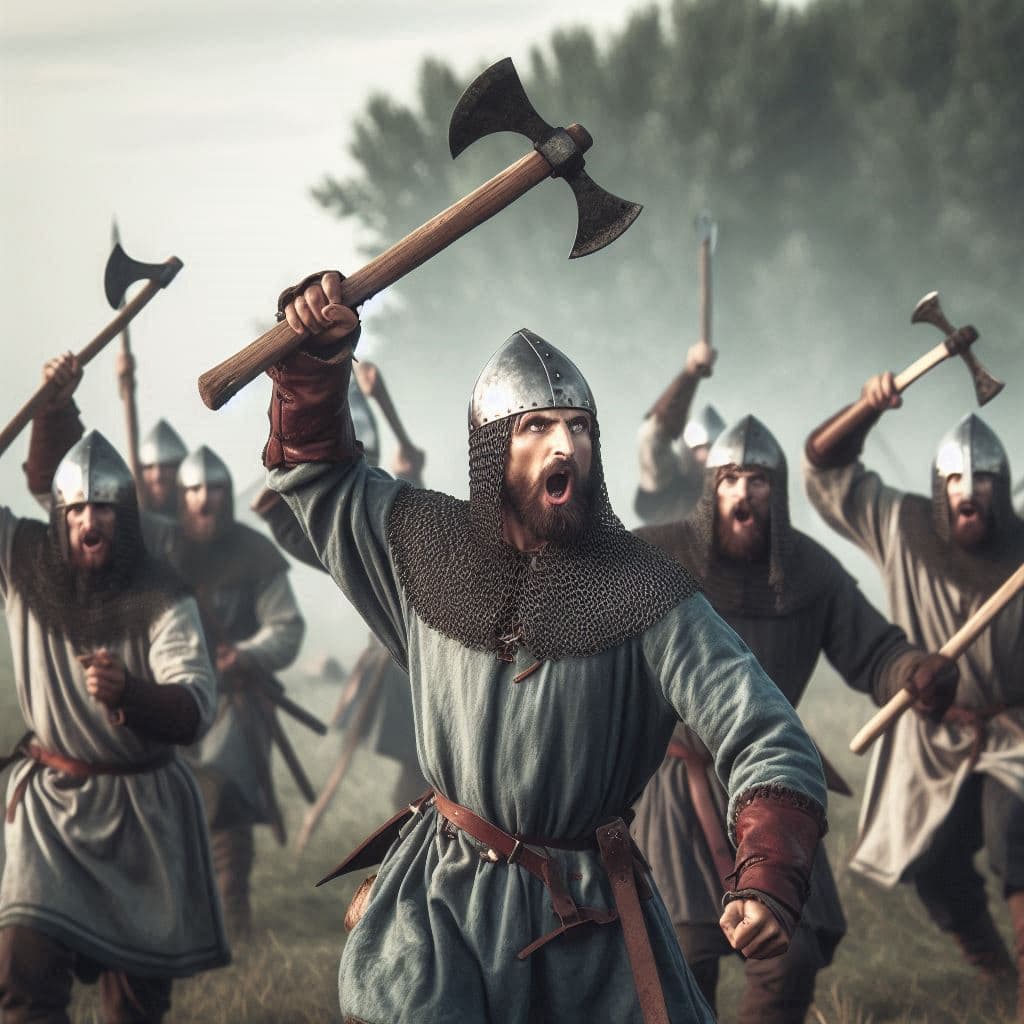
How were medieval battles fought?
Medieval battles relied on formation, discipline, and leadership.
Typical features included:
- Infantry formations holding ground
- Cavalry charges led by knights
- Archers providing ranged support
- Commanders directing troops through banners and messengers
Victory often depended on morale—once one side broke formation, defeat followed quickly.
🏰 What Siege Weapons Were Used in the Middle Ages?
Siege warfare during the Middle Ages required specialised equipment designed to breach fortified walls, undermine defences, or terrorise defenders into surrender.
- Trebuchets – large counterweight siege engines capable of launching massive projectiles
- Mangonels – torsion-powered engines used to hurl stones at walls
- Battering rams – heavy wooden beams used to smash gates and doors
- Siege towers – mobile towers that allowed attackers to scale walls
- Mining tunnels – underground passages dug to collapse castle walls
Trebuchets were especially feared for their ability to hurl massive stones, and sometimes even diseased carcasses, into besieged towns as a form of psychological warfare.
What was life like during a medieval siege?
Life during a siege was brutal for both attackers and defenders.
Defenders often faced:
- Starvation
- Disease
- Lack of clean water
Attackers endured exposure, supply shortages, and constant danger from missile fire. Civilian suffering was widespread and unavoidable.
Who fought in medieval wars?
Medieval armies were made up of different social groups.
They included:
- Knights and nobles
- Professional soldiers
- Mercenaries
- Levy troops raised from the peasantry
Over time, armies became more professional, especially in the late Middle Ages.
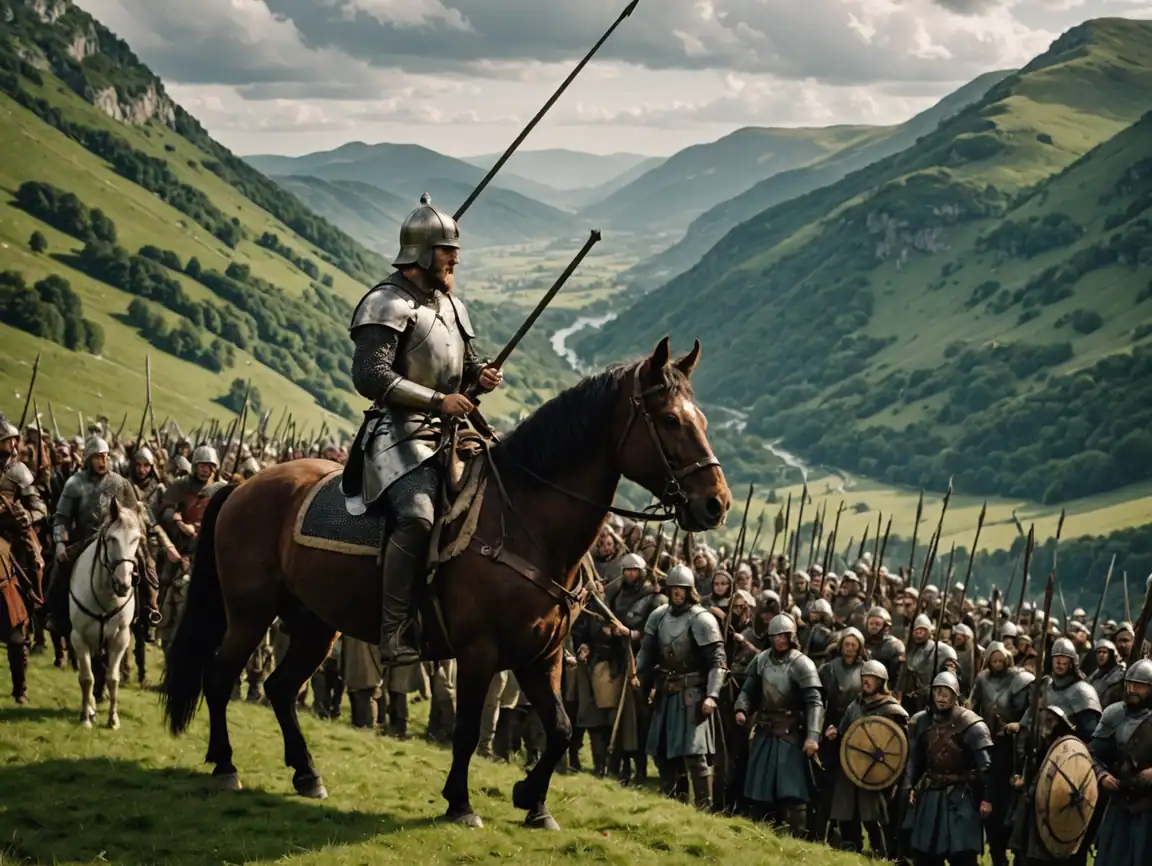
What were some famous medieval wars?
Several medieval conflicts had a lasting impact on European history.
Notable medieval wars include:
- The Hundred Years’ War (England vs France)
- The Crusades
- The Wars of the Roses
- The Norman Conquest of England
These wars reshaped kingdoms, dynasties, and military tactics.
What were some famous medieval battles?
Certain medieval battles are remembered for their scale and consequences.
Famous medieval battles include:
- Battle of Hastings (1066)
- Battle of Agincourt (1415)
- Battle of Bannockburn (1314)
- Battle of Towton (1461)
Each demonstrated key developments in tactics, leadership, or weaponry.
⚔️ Did Civilians Fight in Medieval Wars?
Civilians in the Middle Ages were rarely trained soldiers, but they were often drawn into warfare during times of conflict.
Civilians might:
- Serve in local militias to defend their communities
- Defend towns and cities during prolonged sieges
- Be forced to supply food, materials, and labour to armies
Despite limited military roles, civilians frequently suffered the worst consequences of medieval warfare, including famine, displacement, and violence.
How did medieval warfare change over time?
Medieval warfare evolved significantly between 500 and 1500.
Key changes included:
- The rise of professional armies
- Improved armour and weapons
- Increased use of gunpowder in the late Middle Ages
- Decline of traditional knightly warfare
These developments eventually led to early modern military systems.
Why are medieval battles and sieges still important today?
Medieval warfare shaped:
- Modern national borders
- Military traditions
- Castle architecture
- Historical memory and identity
Studying medieval battles, wars, and sieges helps us understand how power, technology, and society evolved.
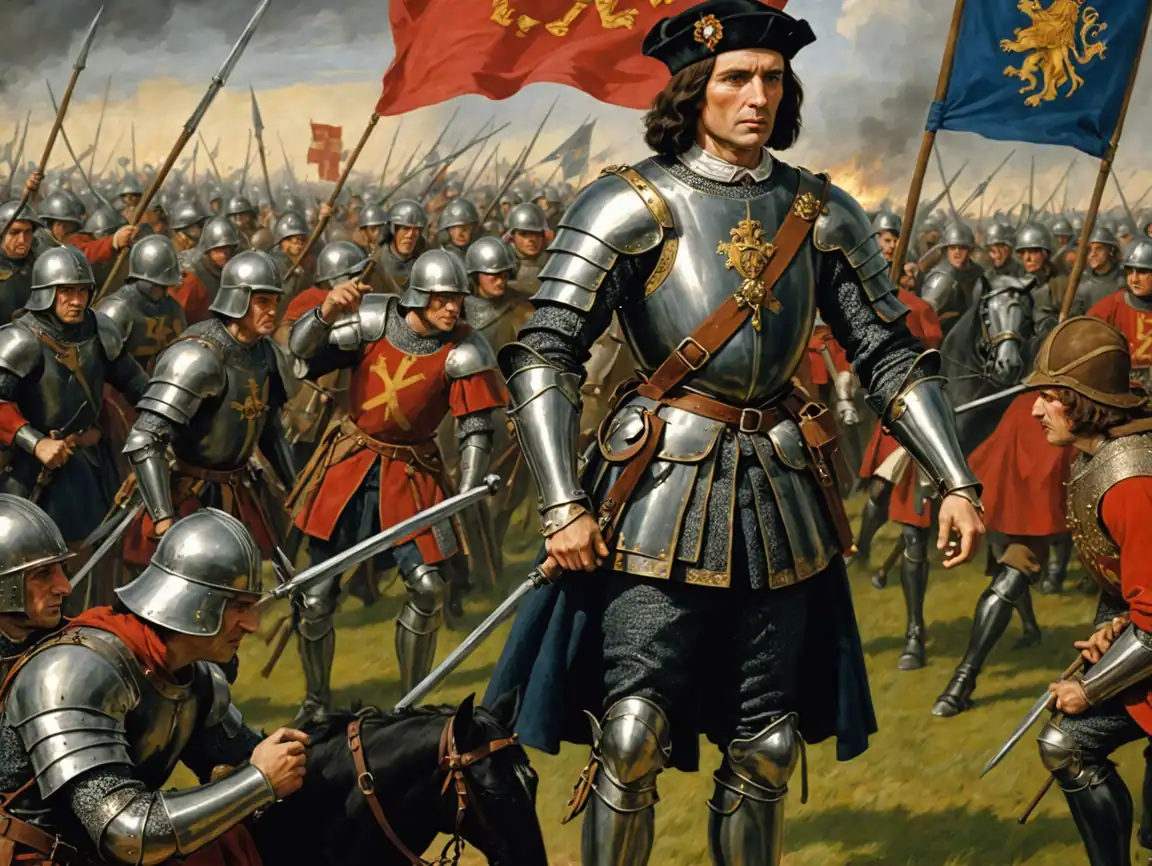
Summary: Medieval Battles, Wars, and Sieges
Medieval warfare was complex, brutal, and deeply influential. From open-field battles to prolonged sieges, conflict defined the Middle Ages and left a lasting legacy on European history.
Understanding these events provides insight into:
- Medieval politics
- Social hierarchies
- Military innovation
- The foundations of modern warfare
📜 Medieval Battles, Wars & Sieges – Frequently Asked Questions
⚔️ What was the most common form of medieval warfare?
Siege warfare was the most common type of medieval warfare, as armies focused on capturing fortified towns and castles rather than fighting open battles.
🏰 Why were castles so important in medieval wars?
Castles controlled territory, protected resources, and served as military strongholds. Holding a castle often meant control over surrounding land and trade routes.
🛡️ Who fought in medieval battles?
Medieval armies included knights, men-at-arms, archers, mercenaries, and local militias, not just nobles.
🔥 How long did medieval sieges last?
Medieval sieges could last from a few weeks to several months, and in extreme cases, even years, depending on supplies, defenses, and disease.
🏹 What weapons were used in medieval battles?
Common medieval weapons included swords, spears, axes, longbows, and crossbows, alongside shields and armor.
⚒️ How were city walls and castles breached?
Attackers used siege engines such as trebuchets, battering rams, siege towers, and mining tunnels to break through defenses.
👨👩👧 Did civilians fight in medieval wars?
While not professional soldiers, civilians often defended towns, served in militias, or were forced to supply food and labor during conflicts.
⚔️ Medieval Battles, Wars & Sieges Knowledge Quiz
📜 Glossary of Medieval Battles, Wars & Sieges
Siege Warfare
A military strategy focused on surrounding and starving fortified towns or castles rather than fighting open battles.
Trebuchet
A powerful counterweight siege engine used to hurl large stones or projectiles over castle walls.
Mangonel
A type of torsion-powered catapult used to launch stones during medieval sieges.
Battering Ram
A heavy wooden beam used to break down gates or walls during assaults on fortifications.
Siege Tower
A tall, mobile structure allowing attackers to scale walls while protected from defenders.
Mining
A siege tactic involving digging tunnels beneath walls to cause structural collapse.
Feudal Levy
Troops raised through feudal obligations, requiring nobles to provide soldiers to their lord or king.
Militia
Local civilian defenders who protected towns and cities during wars and sieges.
Open-Field Battle
A large-scale confrontation fought outside fortifications, often decisive but less common than sieges.
Attrition
A strategy of wearing down defenders through starvation, disease, and exhaustion during prolonged sieges.