When we think of medieval knights jobs, images of armored warriors charging into battle often come to mind. But the reality of knights jobs in the Middle Ages was far more diverse. Beyond fighting in wars, knights were responsible for protecting their lord’s lands, serving in royal courts, and even taking on roles in tournaments, diplomacy, and local governance. Understanding the wide range of medieval knight duties helps us uncover what life was truly like for these iconic figures of history.
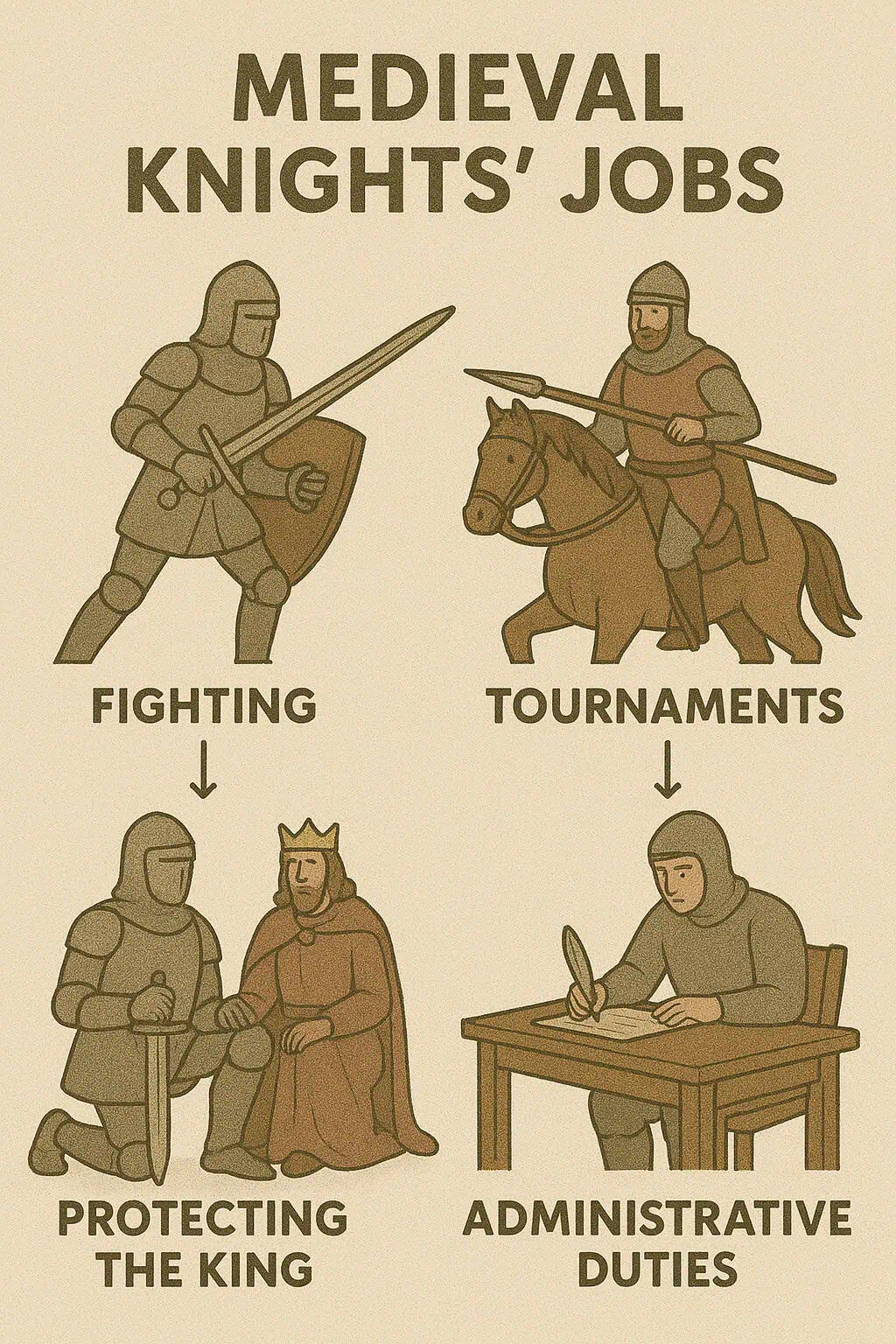
While knighthood was more than just a traditional job, it encompassed aspects of both employment and high social standing.
So let’s take a serious look into the dual nature of being a medieval knight, examining the role as both a job and a prestigious occupation.
The Job of a Medieval Knight
At its core, knighthood involved a set of duties and responsibilities that resembled a profession. Knights were often trained from a young age in the art of warfare, acquiring skills in horsemanship, swordsmanship, and military tactics. Their primary job was to provide military service to their lords or rulers, defending their lands and engaging in battles.

Knights were expected to be skilled combatants, both on foot and on horseback. They formed the backbone of feudal armies, bringing their martial expertise to the battlefield. In times of peace, knights served as military advisors, administrators, and enforcers of law and order.
Their job extended beyond warfare, encompassing tasks such as managing estates, overseeing peasants, and participating in the governance of their lord’s lands.
“The knightly order embodied the ideals of courage, loyalty, and service, playing a crucial role in the feudal society and shaping the medieval concept of honor.”
Dr. Elizabeth Johnson, Medieval Studies Scholar
Prestige and Social Standing
Beyond the practical aspects of their role, being a knight carried immense prestige and social standing in medieval society. Knighthood was often bestowed upon individuals by monarchs or nobles, symbolizing their high regard and recognition of their accomplishments. This conferred a certain elevated status and privileges within the feudal hierarchy.

Knights enjoyed preferential treatment and had access to certain benefits. They were granted lands, known as knight’s fees, from which they derived income. This allowed them to live a comfortable lifestyle and support their military obligations. The title of “Sir” added honorific distinction and commanded respect from their peers and the common folk alike.
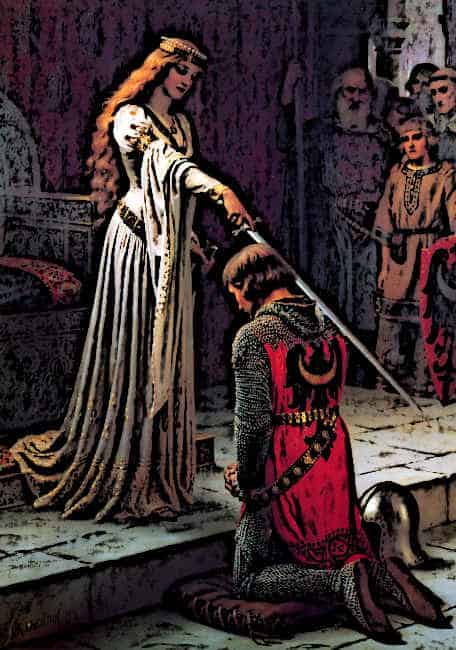
Moreover, knights adhered to a code of chivalry, a moral and behavioral framework that emphasized virtues such as courage, loyalty, honor, and generosity. By upholding these ideals, knights were seen as paragons of virtue and exemplars of noble conduct. They embodied the concept of a gallant warrior, admired by society for their adherence to a higher code.
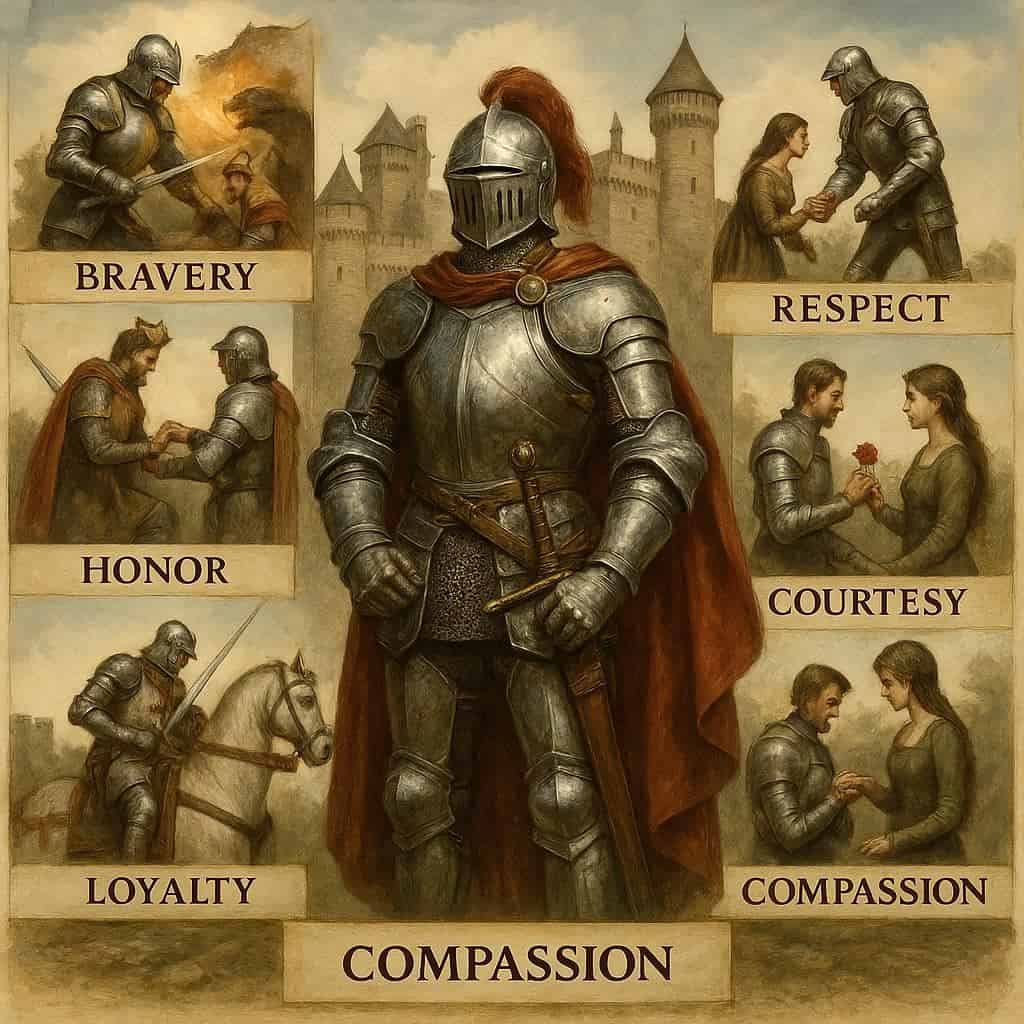
“Medieval knighthood represented a unique blend of martial skill, chivalric values, and social status, making it a coveted profession in the Middle Ages.”
Dr. John Smith, Historian
Conclusion
The medieval knight held a unique position in society, blending the characteristics of a job and a prestigious occupation. While the role encompassed practical responsibilities as warriors and administrators, it was also a symbol of social status and honor.
The combination of martial skills, social standing, and adherence to chivalric ideals elevated the knight to a position of great respect and influence.
Being a knight meant embodying the ideals of knighthood, dedicating one’s life to the service of their lord, the protection of the realm, and the upholding of chivalric values. It was a calling that demanded unwavering commitment, skill, and unwavering loyalty.

Even though the medieval world has long passed, the legacy of the knight endures in literature, art, and popular imagination. The image of a gallant knight on horseback, adorned in shining armor, serves as a timeless symbol of valor and nobility—a testament to the enduring fascination with this unique blend of occupation and prestige.
What were the main medieval knights jobs?
The core medieval knights jobs revolved around serving their lords and protecting their lands. Knights were expected to fight in wars, defend castles, and protect peasants who worked the land. Beyond the battlefield, knights also acted as enforcers of law, served in royal or noble courts, and maintained order in their local regions. Their duties extended far beyond combat, making them essential figures in medieval society.
Did knights only fight in battles?
While knights are often remembered as warriors, knights jobs and duties were not limited to fighting. They participated in jousting tournaments to showcase their skills, acted as messengers or envoys in times of diplomacy, and helped oversee their lord’s estates. Knights also had spiritual and moral obligations, such as following the code of chivalry, which required them to protect the weak and uphold justice.
What duties did knights have outside of war?
Outside the battlefield, medieval knights duties included guarding trade routes, protecting religious institutions, and supporting the Church. Knights were often involved in administrative work, helping their lords collect taxes, resolve disputes, and manage landholdings. Some knights also became crusaders, traveling abroad to fight in religious wars, further expanding their responsibilities.
How did knights train for their jobs?
Training for knights jobs began at a very young age. Boys started as pages around age 7, learning basic education, manners, and the fundamentals of combat. By their teenage years, they advanced to squires, serving under experienced knights. Squires trained in horsemanship, swordsmanship, and tournament skills, while also learning loyalty and service. After years of proving their abilities and dedication, a squire could be knighted in a formal ceremony.
Were knights paid for their services?
Payment for knights came in many forms. Instead of regular wages, many knights were rewarded with land, wealth, or privileges from their lords. Others relied on the spoils of war or ransoms taken from defeated enemies. Knights who competed in tournaments could win valuable prizes and prestige, while some also received yearly stipends or were given titles of nobility for their service.
Why were knights so important in medieval society?
Knights were crucial because they served as both protectors and symbols of power. Their jobs and duties helped maintain order, defend territories, and ensure loyalty to their lords. They also embodied ideals of courage, honor, and loyalty through the chivalric code, influencing both medieval culture and literature. Without knights, medieval society would have been far more vulnerable to outside threats and internal unrest.