The Middle Ages remain one of the most fascinating periods in European history, defined by powerful kingdoms, religious authority, expanding economies, and lasting cultural change. Yet many readers still have fundamental questions about how medieval society functioned and how its institutions shaped the future of Europe.
This Medieval Questions & Answers hub brings together clear, expert explanations of the most important topics — from feudalism and knighthood to trade, religion, town life, and daily survival. Whether you are beginning your exploration of medieval history or seeking deeper knowledge, these guides provide reliable insights into the forces that defined the era.
Explore the questions below to discover how people lived, governed, fought, believed, and built the societies that became the foundation of the modern world.

🏰 Medieval Questions — At a Glance
The Middle Ages shaped the political, religious, and social foundations of Europe. Understanding this era means exploring the systems, beliefs, and events that influenced everyday life.
- Feudalism: A hierarchical system that structured land ownership, loyalty, and military service.
- Knighthood: Elite warriors bound by duty, training, and the ideals of chivalry.
- The Church: A dominant force guiding education, politics, and spiritual life.
- Trade & Towns: Expanding commerce helped revive urban centers across Europe.
- Major Events: Wars, crusades, and cultural shifts reshaped the medieval world.
Together, these themes explain how medieval civilization evolved and why its legacy still influences modern society.
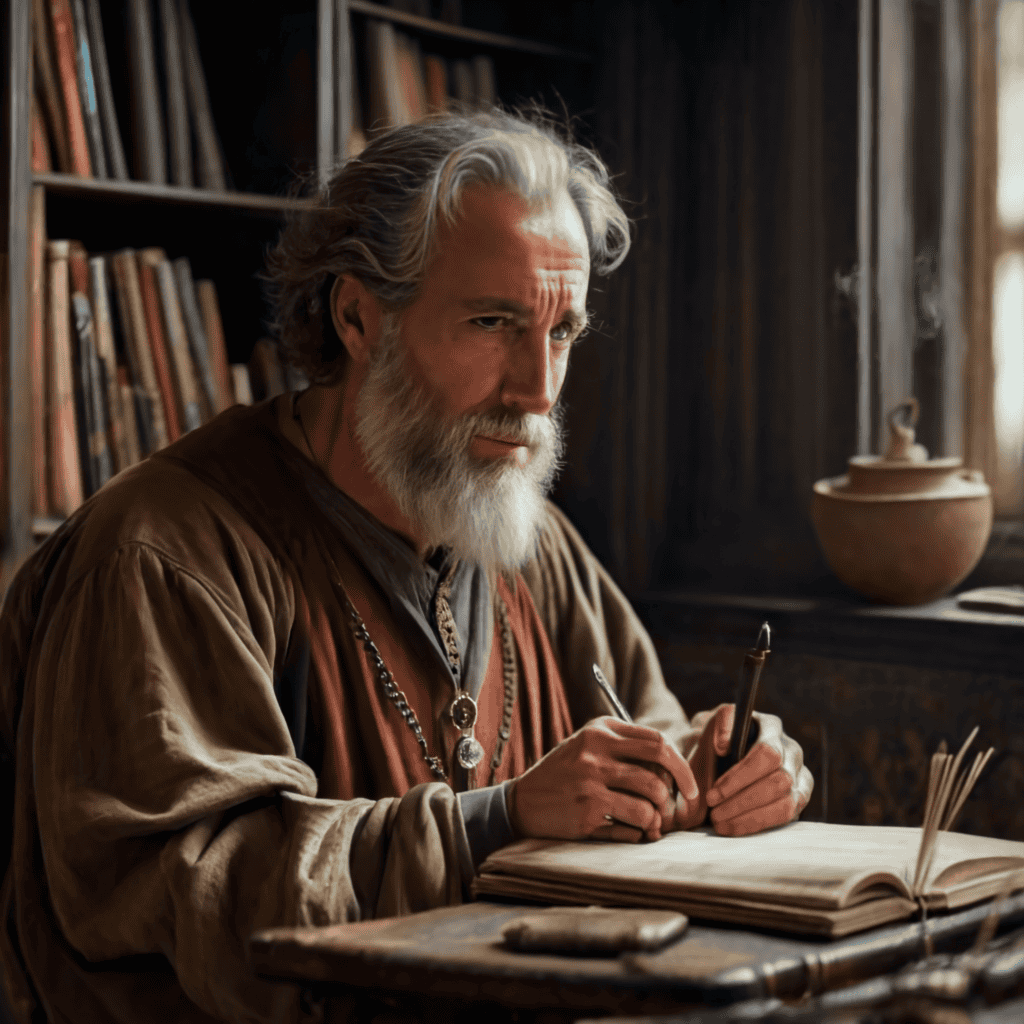
🕰️ Medieval Era Timeline
The Middle Ages spanned roughly a thousand years, bridging the gap between the fall of the Western Roman Empire and the rise of the Renaissance. Each phase brought major political, cultural, and technological change.
Early Middle Ages (c. 500–1000)
Often called the “Dark Ages,” this period saw the collapse of Roman authority,
widespread migration, and the formation of new Germanic kingdoms.
Feudal structures began to emerge as societies sought stability.
High Middle Ages (c. 1000–1300)
A time of population growth, agricultural expansion, and castle-building.
Trade revived, towns expanded, universities appeared, and the Crusades reshaped
connections between Europe and the wider world.
Late Middle Ages (c. 1300–1500)
Marked by crisis and transformation. The Black Death, prolonged wars,
and social upheaval weakened traditional systems, while innovations in warfare
and governance paved the way for the early modern era.
Understanding this timeline helps explain how medieval society evolved from fragmented kingdoms into the foundations of modern Europe.
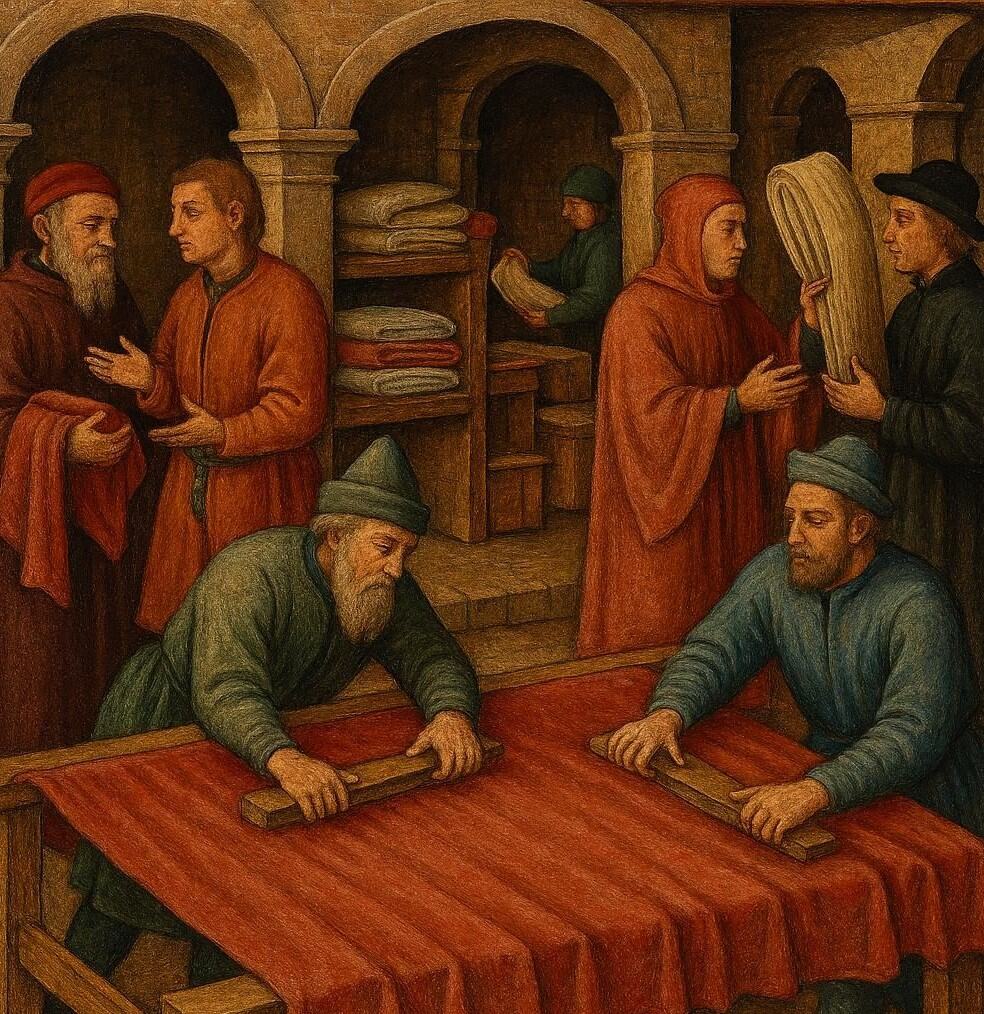
⚔️ How the Medieval World Changed Over Time
The Middle Ages spanned roughly a thousand years, and medieval society evolved dramatically during this period. Political power shifted, economies expanded, and warfare transformed — shaping the Europe that followed.
Early Middle Ages (c. 500–1000)
- Collapse of centralized Roman authority
- Rise of regional kingdoms
- Frequent invasions from Vikings, Magyars, and Saracens
- Rural economies dominated daily life
High Middle Ages (c. 1000–1300)
- Population growth and agricultural expansion
- Growth of towns, trade routes, and merchant classes
- Construction of great castles and cathedrals
- Crusades reshaped religious and political landscapes
Late Middle Ages (c. 1300–1500)
- Black Death dramatically reduced Europe’s population
- Gunpowder weapons altered warfare
- Decline of traditional feudal structures
- Stronger monarchies began forming early nation-states

❓ Frequently Asked Questions About the Middle Ages
The medieval period is filled with complex systems, cultural change, and transformative events. These frequently asked questions provide clear answers to some of the most important topics in medieval history.
What years define the medieval period?
The Middle Ages generally span from the 5th century, following the fall of the Western Roman Empire, to the late 15th century when the Renaissance began reshaping Europe.
What was feudalism?
Feudalism was a hierarchical system in which land was exchanged for loyalty and military service. Kings granted land to nobles, who in turn relied on knights and peasants to support the economy.
Why was the Church so influential?
The medieval Church shaped religious life, education, politics, and even law. Cathedrals, monasteries, and clergy were central to both spiritual and daily life.
Who were medieval knights?
Knights were professional warriors, typically from the nobility, trained for mounted combat and bound by ideals of loyalty and chivalry.
What were the Crusades?
The Crusades were a series of religiously motivated military campaigns between the 11th and 13th centuries, primarily focused on control of sacred territories in the Near East.
Did people live mostly in cities or rural areas?
Most medieval people lived in rural villages and worked the land, although towns expanded significantly during the High Middle Ages as trade increased.
What ended the medieval era?
A combination of factors — including the Black Death, technological advances, stronger monarchies, and cultural renewal — helped transition Europe toward the early modern world.
These answers provide a foundation for exploring the many topics covered throughout this medieval questions hub.
📖 Medieval History Glossary
Medieval history includes specialized terms that describe the political, social, and religious structures of the Middle Ages. Understanding these key definitions makes it easier to navigate the complex world of medieval Europe.
Feudalism: A hierarchical system in which land was granted in exchange for loyalty and military service, forming the backbone of medieval society.
Vassal: A noble who pledged allegiance to a lord in return for protection and the right to govern land.
Manor: A self-sufficient agricultural estate controlled by a lord and worked primarily by peasants or serfs.
Serf: A laborer bound to the land who worked for a lord in exchange for protection and the ability to farm small plots.
Chivalry: A moral code associated with knighthood emphasizing honor, loyalty, courage, and the defense of the vulnerable.
Crusades: A series of religious military campaigns launched between the 11th and 13th centuries, largely aimed at controlling sacred territories.
Guild: An association of craftsmen or merchants that regulated trade, maintained quality standards, and protected members’ economic interests.
Scholasticism: A medieval intellectual movement that sought to reconcile classical philosophy with Christian theology through structured debate and study.
Black Death: A devastating pandemic in the 14th century that drastically reduced Europe’s population and reshaped its economic and social structures.
Holy Roman Empire: A vast and decentralized political entity in Central Europe that played a major role in medieval governance and diplomacy.
Mastering these terms provides a stronger foundation for understanding the events, institutions, and daily life of the medieval world.