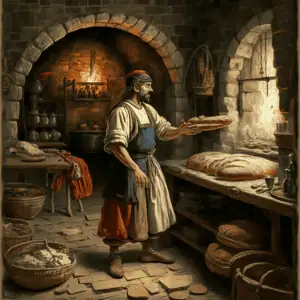
Medieval apothecaries were the pioneering pharmacists of the Middle Ages, expertly crafting herbal remedies, roots, and minerals to treat various ailments and injuries. Working in bustling marketplaces or monastery infirmaries, they combined practical botanical knowledge with early medical theories to prepare salves, tinctures, and poultices. Their essential expertise not only alleviated suffering but also laid the foundation for modern medicine, influencing the development of today’s pharmacy and healthcare practices.
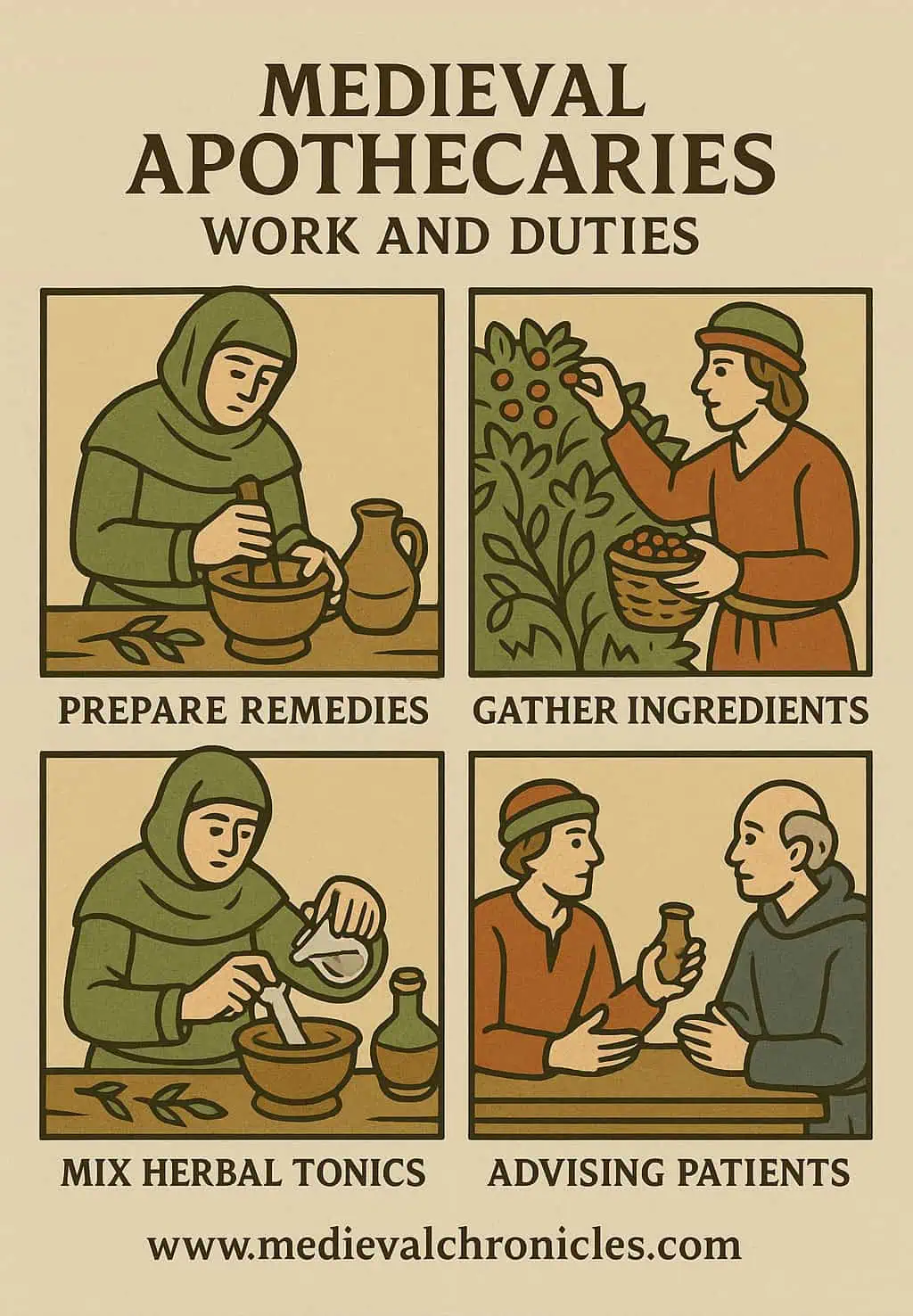
The Role of Apothecaries in Medieval Society
In the Middle Ages, medicine was largely unregulated. Anyone could claim to be a medical practitioner, and formal training was uncommon. This often led to ineffective remedies being sold to the public.
In contrast, apothecaries were trusted experts in preparing and dispensing medicines. They were frequently employed by wealthy households and served in monasteries and convents, ensuring the health and well-being of residents. Their skills in herbal medicine, treatment preparation, and patient care were vital in communities throughout Europe.
Medieval apothecaries were often the only source of remedies in a town, serving both wealthy households and ordinary villagers alike. Their knowledge of herbs and minerals was critical for everyday healthcare.
Apothecary Tools and Techniques
Apothecaries used a variety of tools and methods to prepare their remedies:
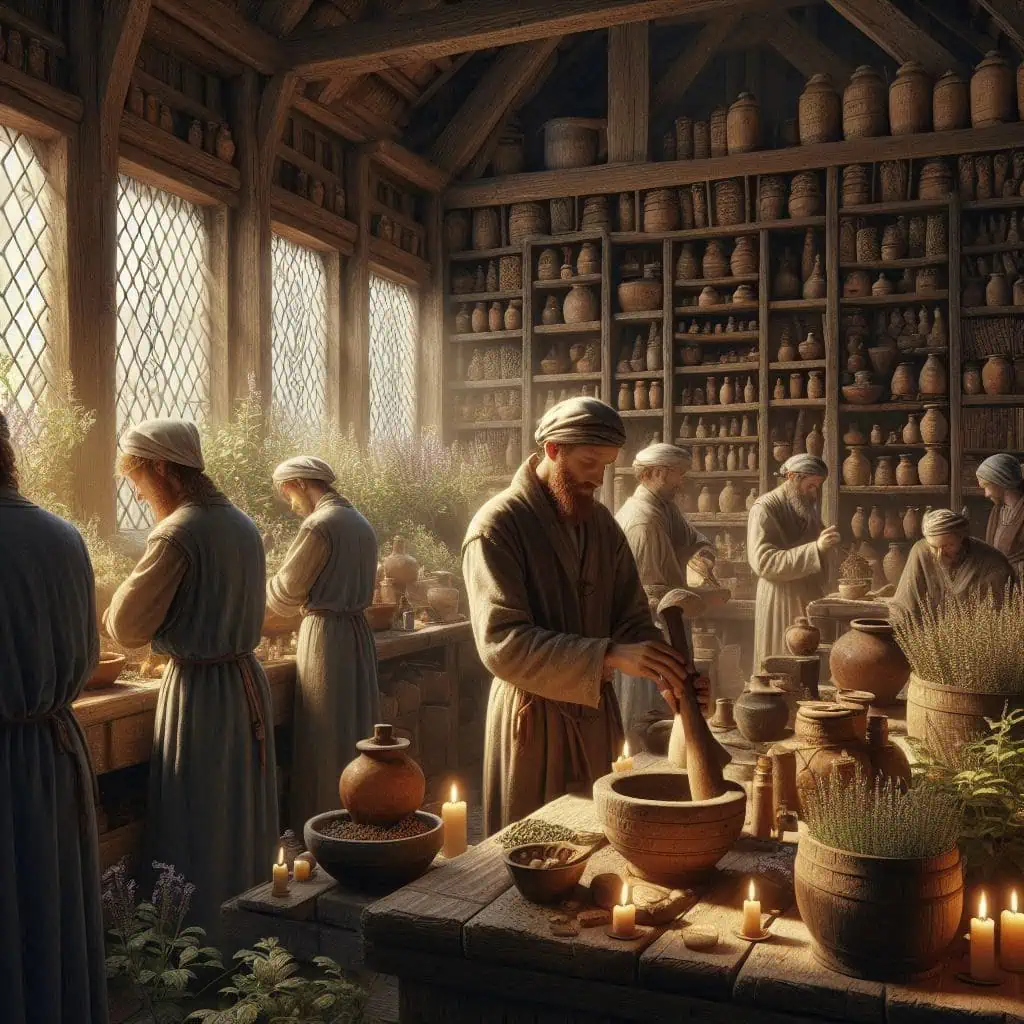
- Mortars and pestles to grind herbs, roots, and minerals into powders.
- Distillation to extract essential oils and active ingredients from plants.
- Detailed record-keeping to track patient treatments and remedy effectiveness.
They combined these tools with their knowledge of plants and minerals to create effective remedies for a range of common illnesses and injuries.
The Legacy of Medieval Apothecaries
The techniques and practices of medieval apothecaries laid the foundation for modern pharmacy and herbal medicine. Many principles they used—careful preparation, natural ingredients, and accurate documentation—remain important in modern healthcare.
While they were not physicians in the modern sense, apothecaries were central to healthcare in the Middle Ages and contributed to the evolution of Western medicine. Their work influenced the development of pharmacology, medication preparation, and the professional standards we see in modern pharmacy and healthcare today.
Apothecaries were individuals who prepared and sold medicines and remedies. They were skilled in the art of compounding and were trained in the use of herbs, plants, and other natural ingredients for medicinal purposes. Apothecaries were also responsible for the storage, labeling, and dispensing of medications.
Some apothecaries in monasteries kept meticulous records of patient treatments and remedies. These early records helped track the effectiveness of herbal medicines long before modern clinical studies existed.


🧪 Frequently Asked Questions: Medieval Apothecaries
What did medieval apothecaries do?
Medieval apothecaries prepared and sold herbal remedies, roots, and minerals. They created medicines such as salves, tinctures, and poultices to treat ailments and injuries.
What knowledge did apothecaries rely on?
They used their knowledge of botany, medicinal herbs, and early medical theory to create treatments for various illnesses and injuries.
Were apothecaries respected in medieval society?
Yes. Their skills in preparing medicines made them highly respected and essential members of society, often consulted for health and wellness.
Did apothecaries perform surgeries?
Not typically. They focused on medicinal remedies rather than surgical procedures, which were usually performed by barber-surgeons or physicians.
🧪 Quiz: Medieval Apothecaries
📜 References & Historical Sources
The following references were consulted to ensure accuracy and depth in the research of medieval apothecaries, their practices and role in medieval medicine:
These sources were reviewed for historical credibility. They offer insights into how apothecaries functioned in medieval towns, their regulatory context, and their medicinal practices.
📖 Glossary of Terms