Medieval people lived within a highly structured and hierarchical society, where status, occupation, and opportunity were largely determined at birth. People in medieval society were divided into clearly defined social groups, from kings and nobles to clergy, merchants, craftsmen, peasants, and serfs. During the Middle Ages, this rigid system shaped daily life, work, belief, and power, ensuring that most individuals remained within the social class into which they were born. Understanding medieval people reveals how customs, obligations, and authority governed every level of medieval life.

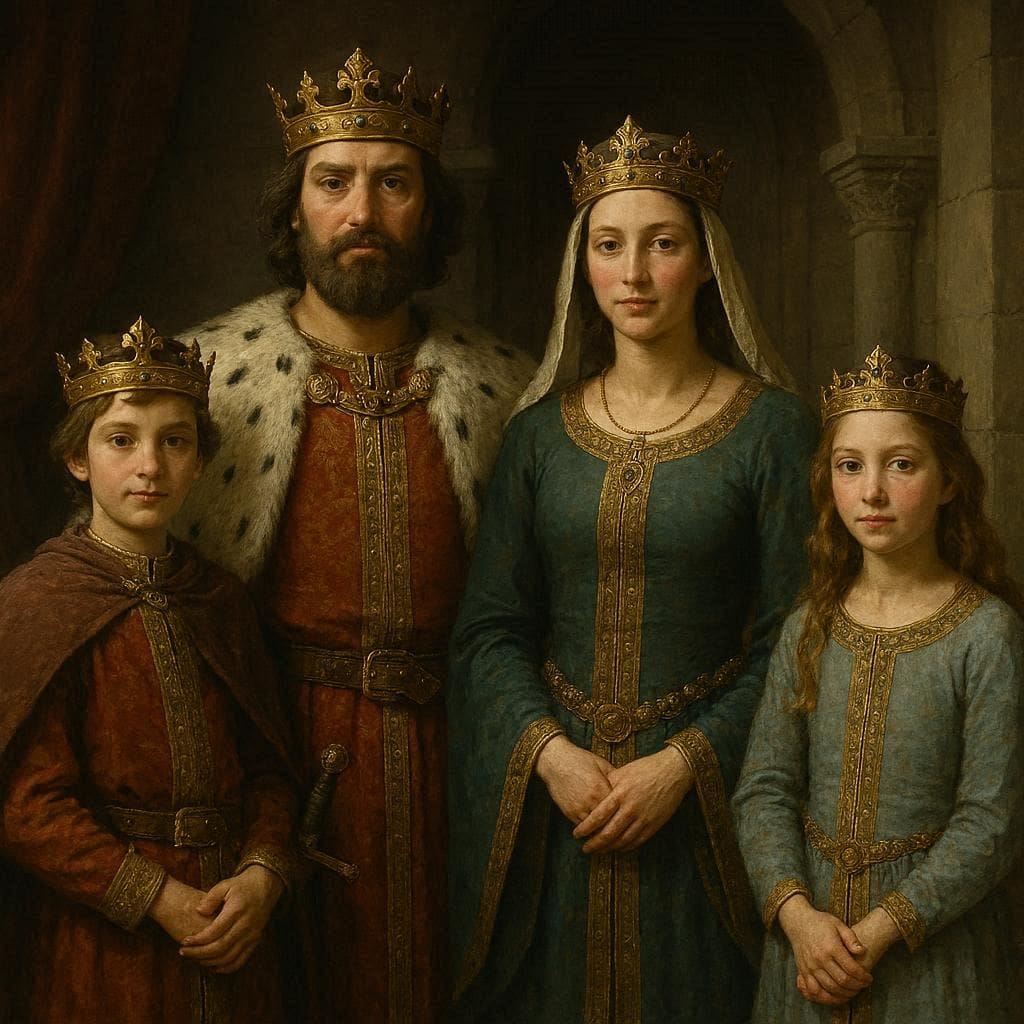
Royalty in Medieval Society
At the top of medieval society stood the king, who ruled as the supreme authority within the feudal system. Early medieval kings often governed relatively small territories, but over time royal power expanded, leading to centralized kingdoms capable of controlling entire nations. Kings granted land to nobles in exchange for loyalty, taxes, and military service, forming the backbone of medieval governance.
The queen played a vital supporting role. While not always ruling directly, queens often managed estates, advised the king, arranged diplomatic marriages, and acted as regents during a king’s absence or illness. In some cases, queens exercised significant political influence behind the scenes.
Princes and princesses were educated from an early age in governance, religion, warfare, and courtly conduct. Their upbringing prepared them for leadership, diplomacy, and the continuation of royal dynasties.
The Medieval Clergy
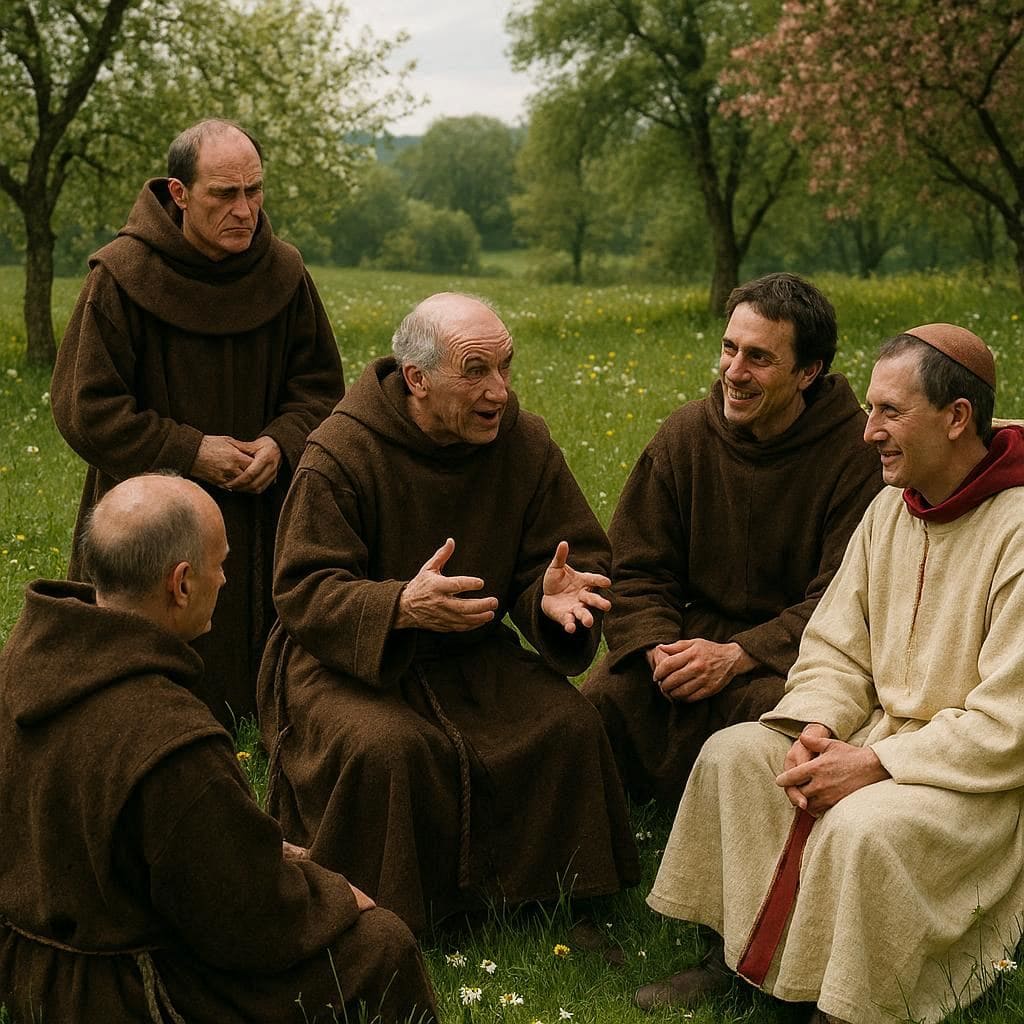
The clergy formed one of the most powerful and influential groups in medieval society. Medieval people believed clergy members acted as mediators between humanity and God, granting them immense spiritual authority. The Church owned vast lands, collected tithes, and wielded political influence that often rivaled that of kings.
At the head of the Church stood the Pope, who exercised authority over religious doctrine, church law, and in many cases secular rulers. Popes could excommunicate kings, annul marriages, and influence wars and alliances. Beneath the Pope were bishops, abbots, priests, and monks, each playing roles in worship, education, record-keeping, and administration.
While many clergy lived modestly, high-ranking church officials often enjoyed great wealth and lived lifestyles comparable to the nobility.
The Medieval Nobility
The nobility occupied a position just below royalty. Noblemen and noblewomen controlled land, collected rents, governed estates, and owed military service to the king. Titles such as duke, marquess, earl, viscount, and baron defined rank within the noble hierarchy.
Although noble status was usually inherited, social mobility was possible in rare cases through royal favour, military achievement, or marriage. Nobles played a central role in administering justice, raising armies, and maintaining order across medieval kingdoms.

Knights and Chivalry
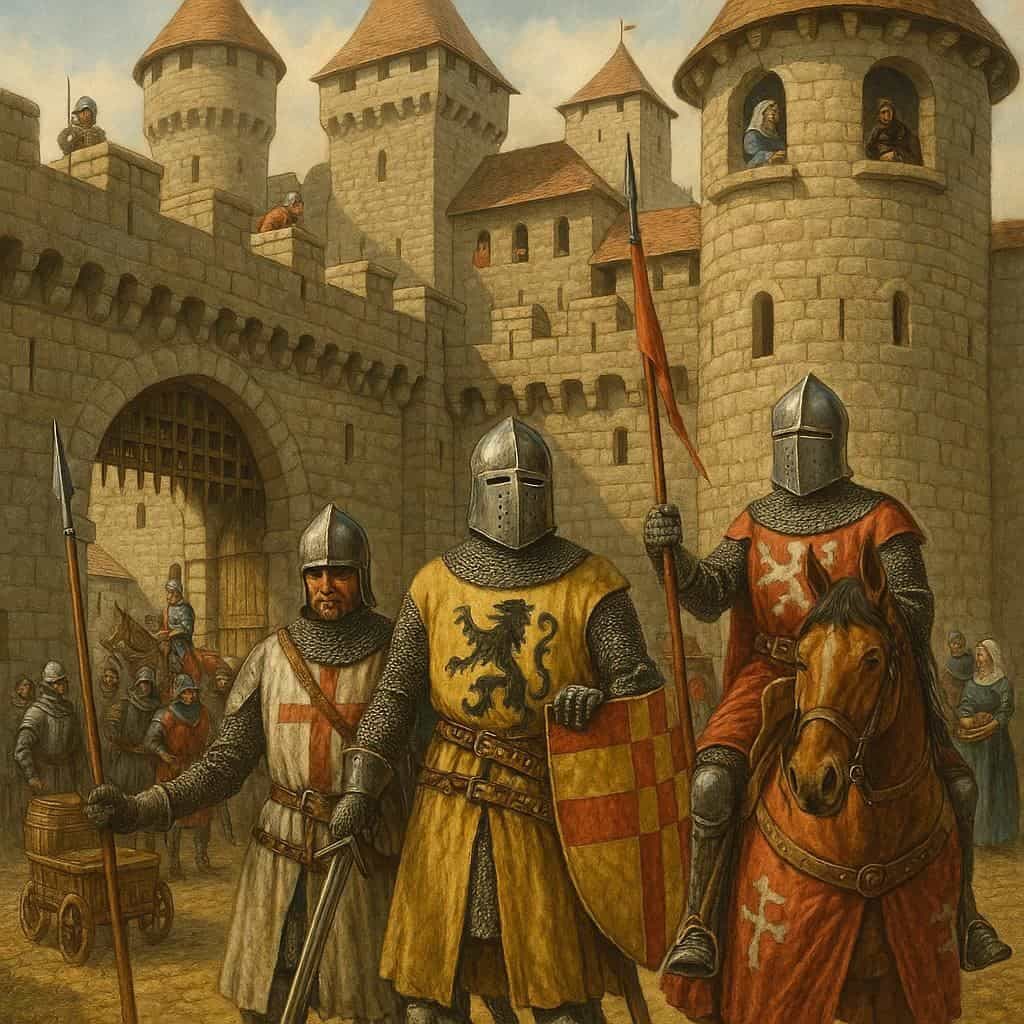
The medieval knight remains one of the most iconic figures of the Middle Ages. Knights were heavily armed mounted warriors who served kings and nobles in warfare. While many knights were nobles, not all nobles were knights, and not all knights were of noble birth.
During the High and Late Middle Ages, knighthood became increasingly associated with chivalry, a code emphasizing loyalty, courage, honor, and protection of the weak. Knights trained from childhood, beginning as pages and squires before being formally dubbed in a ceremonial rite.
Closely related were men-at-arms, professional heavily armored soldiers who fought on horseback or on foot. While knights held social prestige, many men-at-arms served purely as military professionals or mercenaries.
Merchants and Tradesmen
As medieval towns and cities expanded, merchants emerged as an increasingly powerful social group. They bought and sold goods across long distances, connecting Europe through trade routes by land and sea. Over time, successful merchants accumulated wealth rivaling that of nobles and gained political influence within towns.
The rise of guilds helped regulate trade, set standards, control prices, and protect members’ interests. Banking innovations, population growth, and urbanization allowed merchants to thrive, particularly during the High and Late Middle Ages.
Medieval Craftsmen
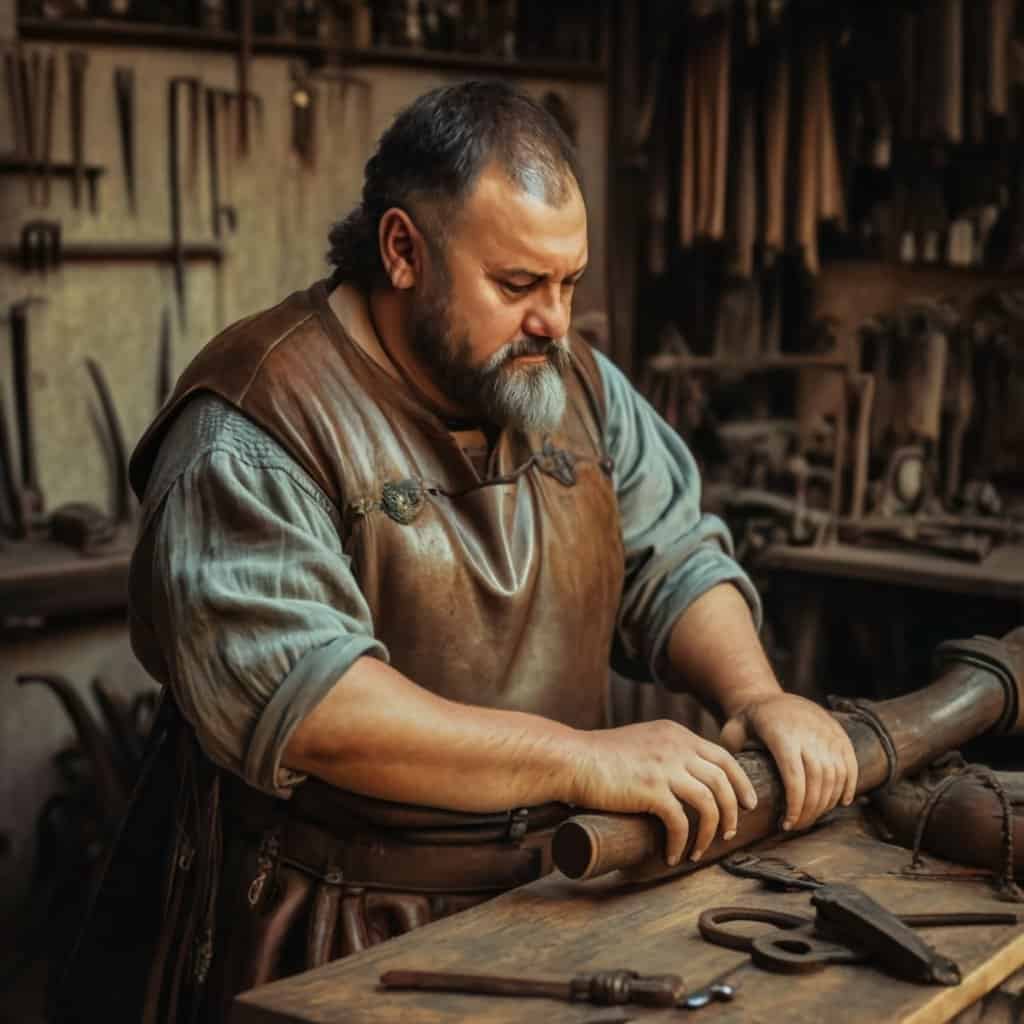
Craftsmen such as blacksmiths, carpenters, stonemasons, wheelwrights, and candlemakers produced essential goods for medieval life. Skilled craftsmen joined guilds that enforced training standards, fixed prices, and ensured quality workmanship.
As medieval society developed, a clearer distinction emerged between those who produced goods (craftsmen) and those who sold them (merchants). Craftsmen were vital to the construction of castles, cathedrals, tools, weapons, and everyday household items.
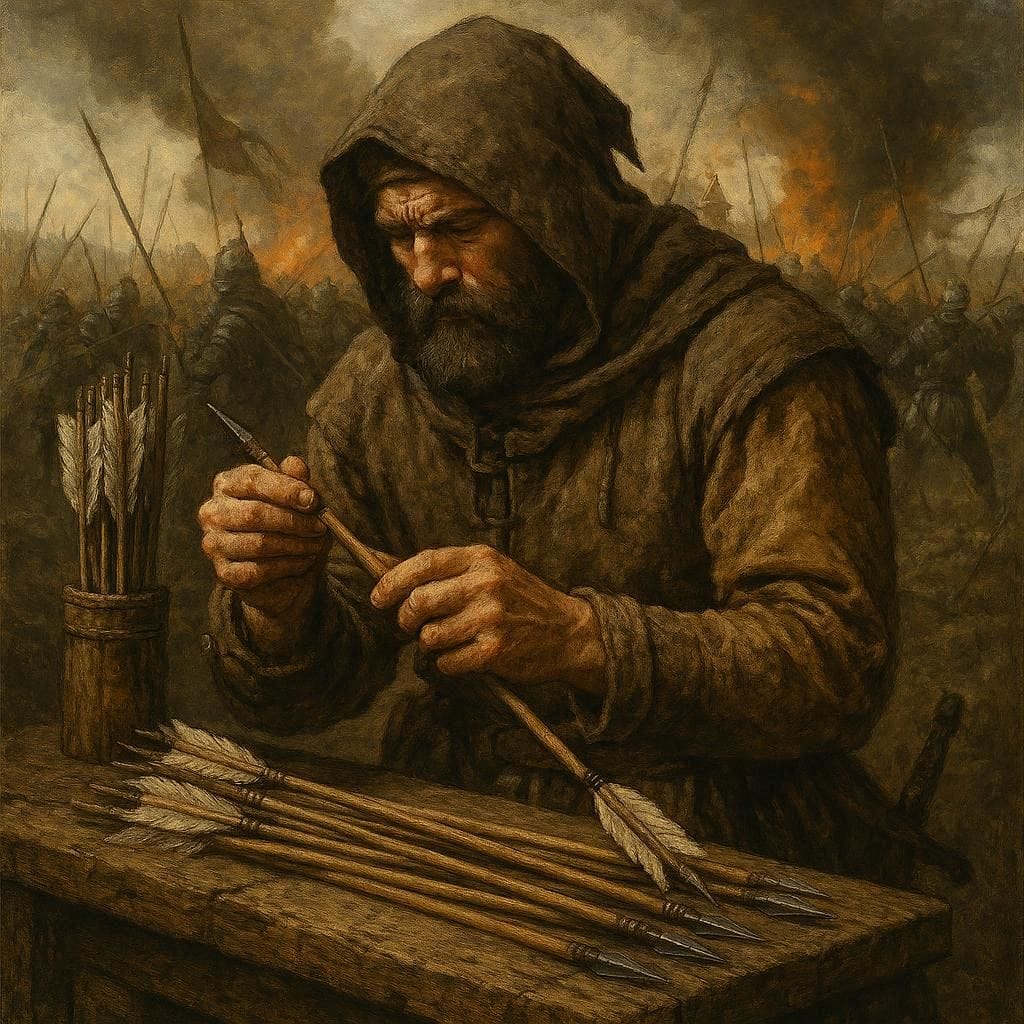
Medieval Soldiers and Warfare
Medieval warfare relied on a wide range of soldiers, each serving specific roles. Noblemen were required to supply troops to the king under feudal obligations, while many soldiers also served as mercenaries for pay.
Infantry included longbowmen, crossbowmen, pikemen, and other foot soldiers trained to fight in formations. Heavy cavalry, including knights and men-at-arms, dominated battlefields for centuries until changing tactics and technology altered warfare.
Famous mercenary groups, such as the White Company, operated across Europe, reflecting the increasingly professional nature of medieval armies.

Entertainers and Performers
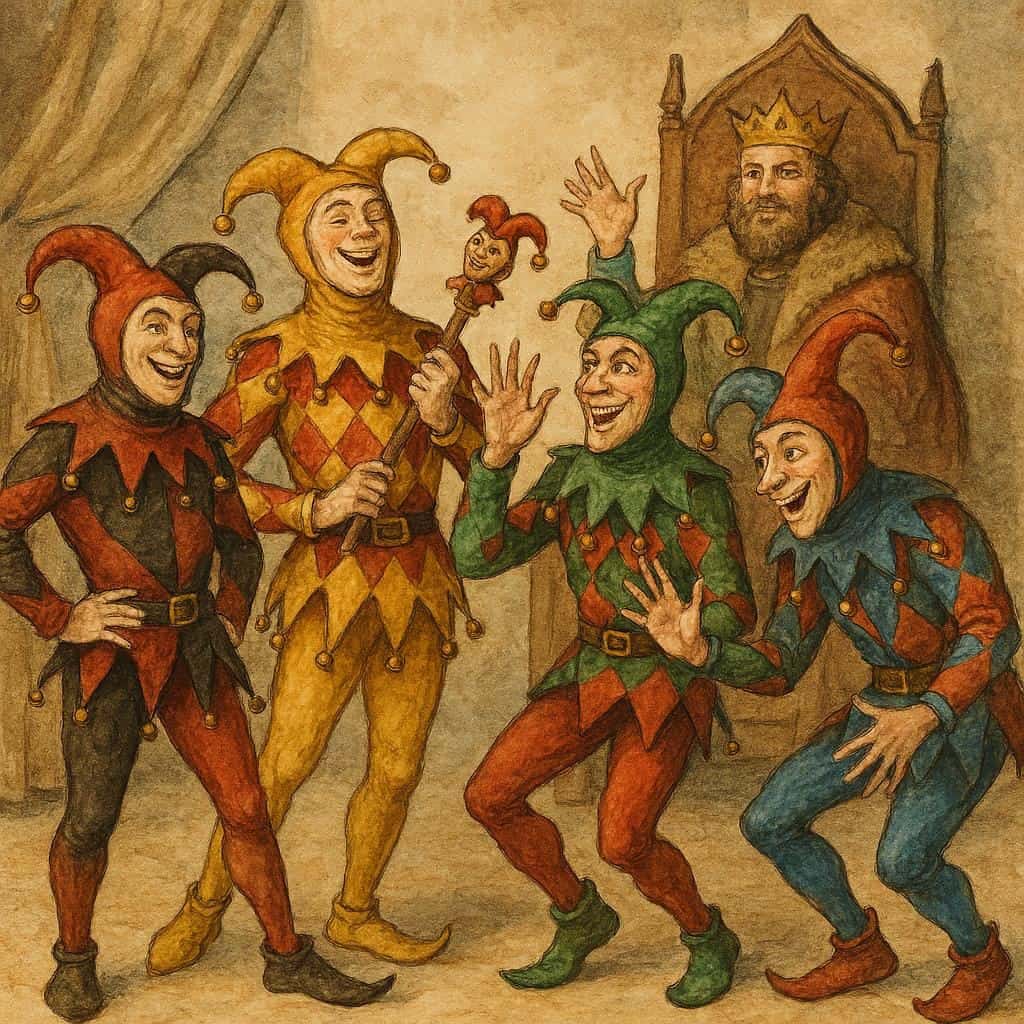
Entertainment played an important role in medieval life across all social classes. Bards, minstrels, troubadours, jesters, mummers, and acrobats traveled between towns and noble courts, providing music, storytelling, comedy, and spectacle.
While jesters are the most famous today, medieval entertainment included a wide variety of skilled performers who preserved oral traditions and provided relief from the hardships of daily life.
Peasants and Serfs
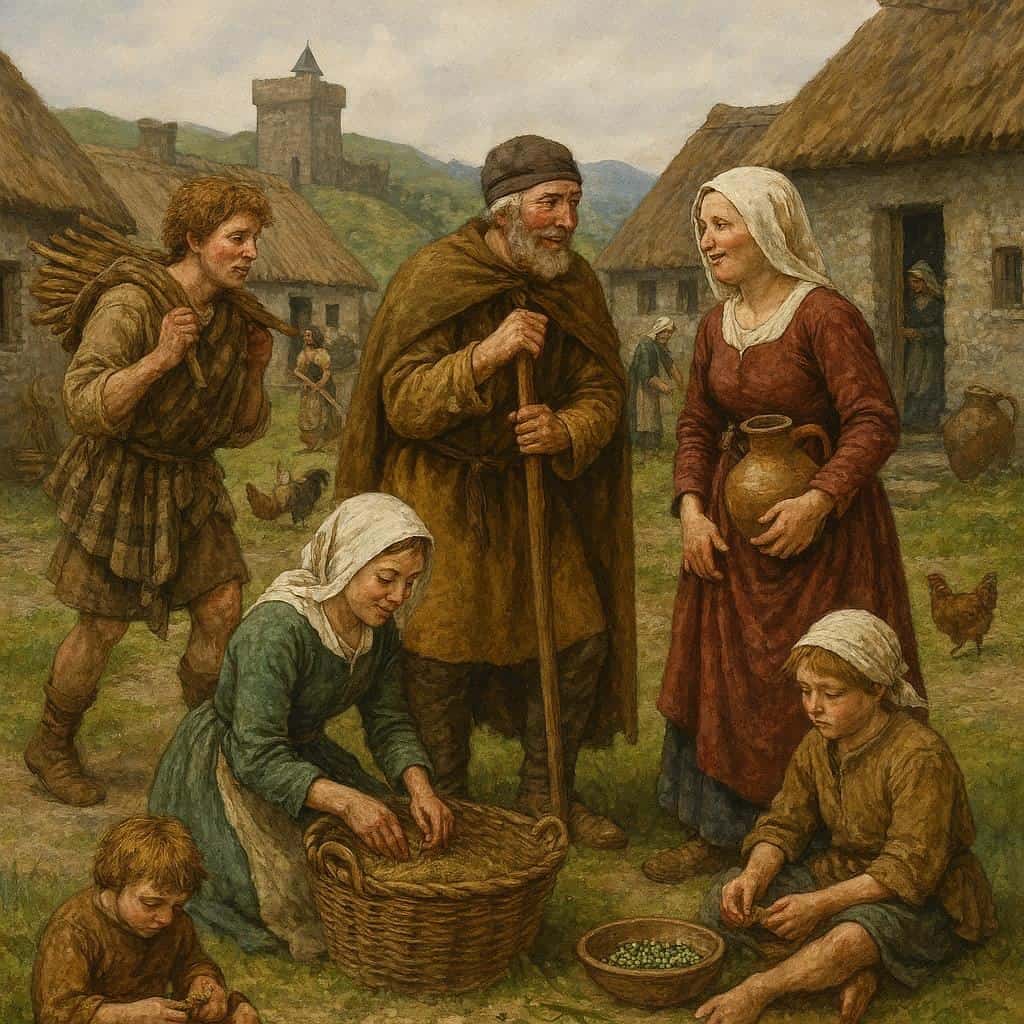
At the bottom of medieval society were peasants and serfs, who made up the majority of the population. Serfs were bound to the land, working long hours farming manor estates in exchange for protection and the right to cultivate small plots for themselves.
Peasant life was physically demanding and uncertain, shaped by weather, disease, taxation, and labor obligations. Most peasants lived in simple homes constructed using wattle and daub, with minimal furnishings.
Food was basic, with pottage—a stew of grains and vegetables—forming the staple diet. Despite hardship, peasants sustained medieval society through agricultural labor and food production.
Understanding Medieval Society
Medieval society functioned as an interconnected system in which each social group depended on the others. Kings ruled, clergy guided belief, nobles governed land, knights fought, merchants traded, craftsmen produced goods, entertainers preserved culture, and peasants fed the population.
This hub explores the people of the Middle Ages, providing an overview of medieval social structure while linking to detailed articles that examine each group in greater depth.
❓ Medieval People – Frequently Asked Questions
What were medieval people?
Medieval people were the inhabitants of Europe during the Middle Ages, roughly from the 5th to the 15th centuries, living within a rigid social hierarchy that defined status, occupation, and daily life.
What were the main social classes in medieval society?
Medieval society was divided into royalty, nobility, clergy, merchants, craftsmen, peasants, and serfs, each group performing specific roles that supported the feudal system.
What role did peasants and serfs play?
Peasants and serfs formed the majority of medieval people and were responsible for farming the land, producing food, and supporting the economy of manors, towns, and kingdoms.
How did social class affect daily life in the Middle Ages?
Social class determined where medieval people lived, what work they performed, their legal rights, diet, clothing, and overall quality of life, with little opportunity for movement between classes.