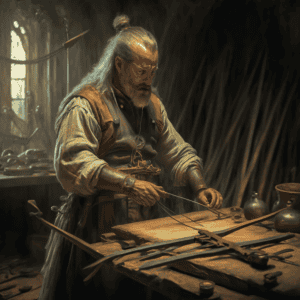
In medieval times, towns and cities were bustling hubs of activity, with people and goods constantly flowing in and out.
To keep order and ensure the safety of its citizens, each town or city would employ a team of watchmen to patrol its streets and keep a lookout for any potential threats or dangers.
Dr. Sarah Rees Jones, Professor of Medieval History at the University of York.
“In the medieval towns, watchmen were essential for maintaining order and ensuring the safety of citizens. They were often chosen from the most trustworthy and respected members of the community.”

But what exactly did a medieval watchman do?
Patrolling the streets
One of the primary duties of a medieval watchman was to patrol the streets of the town or city, keeping an eye out for any signs of trouble. They would typically do this in groups, covering different parts of the city and working in shifts throughout the day and night.

Lighting lamps and ringing bells
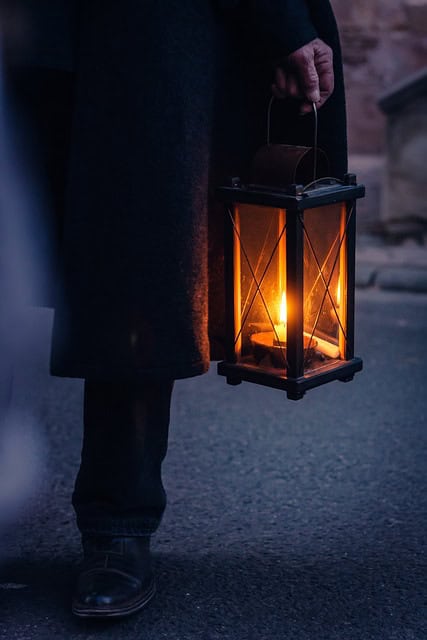
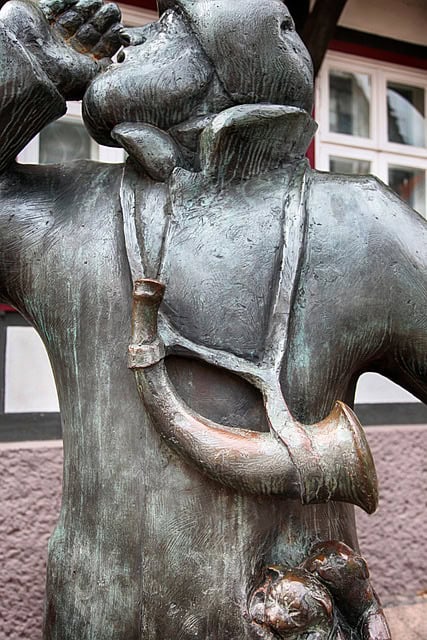
Watchmen were responsible for lighting lamps at night to keep the streets lit and safe for travelers. They would also ring bells to signal the opening and closing of the city gates, as well as to alert citizens to any emergencies or potential threats.
Dr. Chris Given-Wilson, Emeritus Professor of Medieval History at the University of St. Andrews.
“Watchmen were responsible for sounding the alarm in the event of fire, gathering the town guard in times of trouble, and patrolling the streets to deter crime.”
Enforcing curfews and laws
Watchmen were also responsible for enforcing curfews and other laws within the city. They would patrol the streets to ensure that no one was out after curfew, and would also break up any fights or disturbances that they came across.
Dr. Matthew Strickland, Professor of Medieval History at the University of Glasgow.
“Medieval watchmen were typically equipped with weapons such as swords and bows, and were required to be on duty at all hours of the day and night. They were often subject to strict discipline and punishment for neglecting their duties.”
Reporting any suspicious activity
If a watchman spotted anything suspicious or potentially dangerous, they would report it to the city officials or the local constable. This could include anything from a group of strangers entering the city to the presence of a fire or other emergency.

Assisting travelers and visitors
Watchmen were often the first point of contact for travelers and visitors entering the city. They would provide directions and information, as well as assist with any needs or concerns that these individuals might have.
Maintaining the city walls and gates
In addition to patrolling the streets, watchmen were also responsible for maintaining the city walls and gates. This could include repairing damage, reinforcing weak spots, and ensuring that the gates were securely locked and guarded.
“The role of the medieval watchman was not only to maintain law and order, but also to ensure that social hierarchies were upheld. They were often called upon to enforce sumptuary laws that regulated what people could wear based on their social class.”
Dr. Katherine Allen Smith, Associate Professor of Medieval History at Indiana University.
Overall, the role of a medieval watchman was vital to the safety and security of a town or city. They were the eyes and ears of the city, constantly vigilant and ready to act in the face of any threat or danger.