Think you know everything about medieval knights and life in the Middle Ages? Think again! Even though these fascinating warriors lived over 700 years ago, their world is full of surprising facts and little-known details. From the rigorous training young squires underwent to the daily lives, battles, and duties of fully-fledged knights, there’s much more to discover than tales of tournaments and chivalry alone. Explore how knights were armed and armored, the codes of honor they followed, and the unique roles they played in medieval society—you might be shocked at what you didn’t know about these legendary figures.
So set aside your swords and shields (though keep them handy just in case!) and get ready to discover 10 surprising facts about medieval knights that you probably didn’t know. From their daily routines and combat training to their codes of chivalry and unexpected quirks, these fascinating insights will give you a whole new perspective on the legendary world of medieval knights.

Knighthood became an increasingly lucrative profession as time went on and new trade routes opened up in Europe. Nobles began to see themselves as having more in common with one another than with their peasants who they now regarded as inferior.

Those who could afford it usually passed down knighthood through their families so that inheritance became more important than merit. The best way to become a knight was still through being granted land by the king which created problems when people contested who should inherit after the original owner died.

Here are ten surprising facts about medieval knights that you probably didn’t know
1. Most knights came from noble families
Most knights came from noble families, and they were mostly sons of wealthy landowners. The eldest son inherited the land and title, so other sons often turned to knightly careers to support themselves.

Some knights became mercenaries and fought for pay in foreign lands; others became knights-errant and looked for adventure while roaming the countryside.

2. Medieval knights trained extensively in weaponry skills and horsemanship to prepare for battle
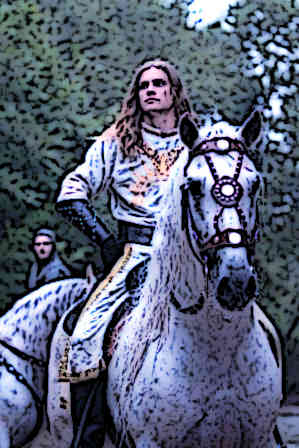
3. Medieval armour wasn’t always worn by knights into battle because it was heavy, uncomfortable, and restricted movement

4. Medieval knights usually had a squire who helped them with their equipment before battles because it was too difficult for one person to put on their armour quickly enough

5. A knight had to be brave, strong, and have good fighting skills
A knight had to be brave, strong, and have good fighting skills. They were expected to protect the king and queen of the land or city they served. Medieval knights also protected merchants and travelers who were on their way to a destination. Knights would go on long journeys, risking their lives for others on the road.

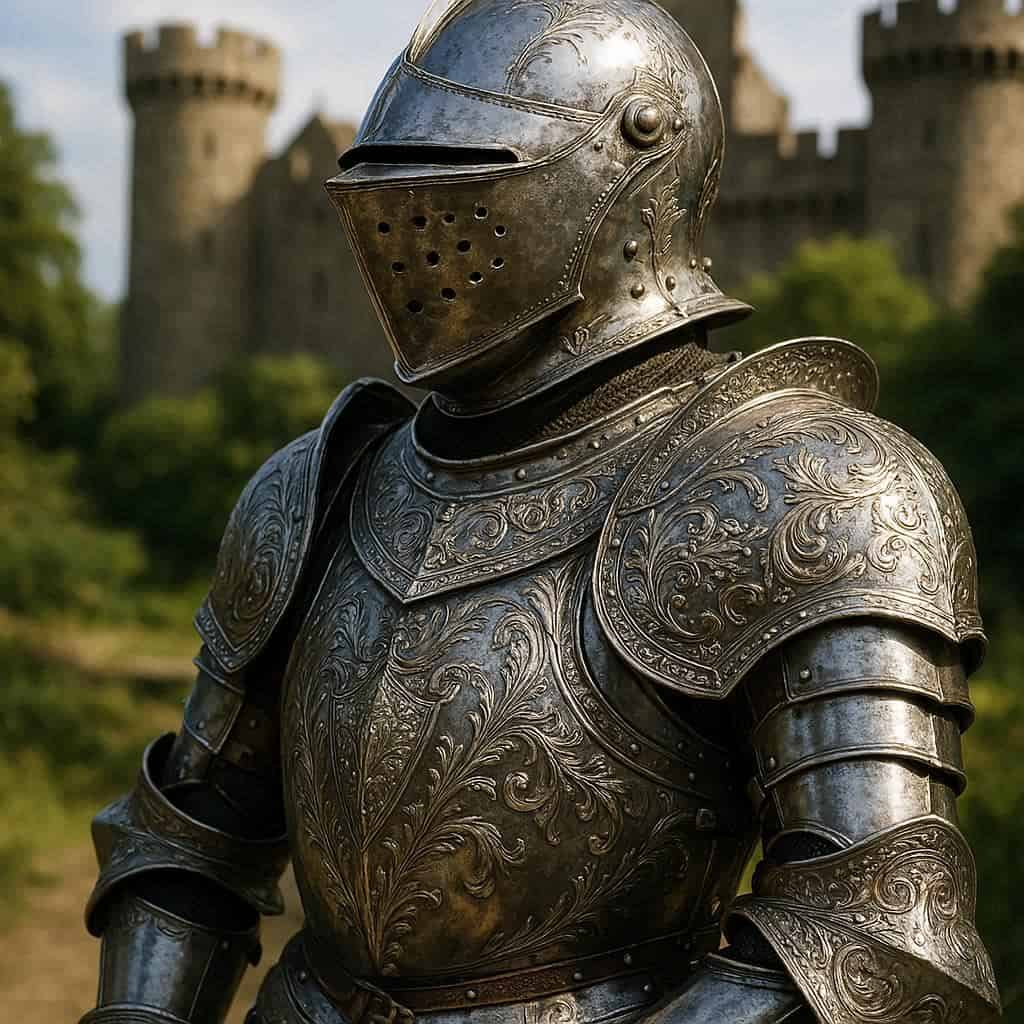
6. A knight’s armor weighed around 50 pounds
A knight’s armor weighed around 50 pounds. It was so heavy that it took a squire to help the knight strap on his armor. The armor was made up of many pieces and included a helmet, a breastplate, arms plates, leg plates and sometimes even shin guards. There was no shortage of materials for the armor either.

7. A knight’s sword was very heavy and could weigh up to 5 pounds
A knight’s sword was very heavy and could weigh up to 5 pounds. It was worn on the left side of the body, so that it would be easily accessible for a right-handed knight.

Some swords had an elaborately decorated hilt and pommel, while others were plainer in appearance. The blades were made from iron, steel, or bronze. Knights also carried other weapons with them, such as a Lance, Polearm Weapons and a shield called a Heater shield.

8. A knight’s horse was also very important and could cost up to $1000
A knight’s horse was also very important and could cost up to $1000. As well as being a status symbol, the horse was an integral part of battle strategy. It helped knights get to the battlefield faster and provide cover for their infantry.

9. A knight’s shield was used to protect him from enemy attacks
A knight’s shield was used to protect him from enemy attacks. The shield was usually made of wood and covered in leather or metal. It had a handle to carry it on the back, while the knight carried his weapon in his hand to fight with. They were also used to deflect blows as well as provide shelter for the knight and his troops behind them.

The Knight’s Shield was often called a ‘knightly defense’ because it was a medieval warrior’s main line of defense against an opponent.

10. A knight’s helmet had a visor that could be raised or lowered.
Early medieval knights such as the Normans wore basic open helmets of spangenhelm construction, later crusader knights wore totally enclosed great helm helmets.

Later Visors were added to many popular medieval helmets such as the bascinet, this offered the knight better breathability and visibility when required and but gave him the option of better protection (like the Great Helm) as and when required.


11. A knight would often carry a dagger as a backup weapon.
A knight would often carry a dagger as a backup weapon. A dagger might be considered a knight’s last resort weapon if their sword was broken or lost in battle.

Medieval knights would often wear short swords on the opposite side of their body from the main weapon to guard against surprise attacks. The blade of a dagger was thin, which made it easier to pierce through armor and flesh, while the handle may have offered some protection against blows.

12. A knight’s armor would sometimes be decorated with his coat of arms.
As the medieval period progressed heraldry became more popular and organised, this was used to identify a knight on the battlefield and in tournaments, to his colleagues, piers and family members.

13. The average knight was around 20-30 years old!

Frequently Asked Questions about Medieval Knights
Who were medieval knights?
Medieval knights were heavily armed warriors of noble birth who served lords in exchange for land or privileges, following a strict code of chivalry.
What was the code of chivalry?
The code of chivalry was a set of rules emphasizing honor, loyalty, bravery, and protection of the weak, which knights were expected to uphold.
At what age did boys begin training to become knights?
Boys typically began as pages around age 7, became squires in their teens, and could be knighted in their early 20s after extensive training in combat and etiquette.
What weapons did knights commonly use?
Knights wielded swords, lances, maces, daggers, and axes, often choosing weapons suited to their armor, fighting style, and battlefield role.
Did all knights own land?
No. Some knights were granted fiefs by their lord, while others served as professional warriors without land but still adhered to the code of chivalry.
What kind of armor did knights wear?
Knights wore chainmail, plate armor, and padded garments like gambesons, evolving over centuries to improve protection and mobility.
Were there female knights?
While women were rarely knighted, a few historical examples exist of women taking up arms and displaying valor, sometimes disguised as men or recognized for their courage.