
The Plantagenet Period, spanning from the late 12th century to the late 15th century, was a dynamic and transformative era in England’s history.

“The Magna Carta of 1215 stands as one of the most significant events of the Plantagenet Period, representing a pivotal moment in the struggle for individual rights and limitations on royal power. It laid the groundwork for constitutional principles that continue to influence modern governance.”
David Carpenter, Historian and Author.
It was marked by the reign of the Plantagenet dynasty, a lineage of monarchs who left an indelible impact on the nation’s political, social, and cultural landscape.
From epic battles and royal successions to the signing of influential charters, join us as we embark on a journey to unveil the top 10 most famous and historically important events of the Plantagenet Period.
1. Magna Carta (1215)
The signing of the Magna Carta by King John, which established principles of limited royal power, protection of rights, and the rule of law, laying the foundation for constitutional governance.

2. Battle of Hastings (1066)
The Norman invasion led by William the Conqueror, resulting in the defeat of King Harold II of England and the beginning of Norman rule in England.

3. Hundred Years’ War (1337-1453)
A series of conflicts between the Plantagenet dynasty of England and the Valois dynasty of France, which had a profound impact on both countries and reshaped the political landscape of Europe.

4. Murder of Thomas Becket (1170)
The assassination of Thomas Becket, the Archbishop of Canterbury, in Canterbury Cathedral, leading to his martyrdom and subsequent canonization, and heightening tensions between the church and the monarchy.

5. Signing of the Treaty of Winchester (1153)
The treaty that ended the civil war known as the Anarchy, resulting in the recognition of Henry II as the rightful heir to the English throne and the beginning of the Plantagenet dynasty.

6. Battle of Agincourt (1415)
The English victory over the French during the Hundred Years’ War, led by King Henry V, which demonstrated the effectiveness of the English longbow and became a celebrated military achievement.

7. Signing of the Treaty of Bretigny (1360)
The treaty that temporarily ended the first phase of the Hundred Years’ War, granting significant territorial concessions to England and establishing a period of relative peace.

8. Statute of Marlborough (1267)
The statute that introduced legal reforms during the reign of Henry III, including provisions for inheritance, property rights, and the administration of justice.

9. Barons’ Wars (1264-1267)
A series of conflicts between King Henry III and his barons, led by Simon de Montfort, resulting in the first English parliament and the establishment of the principle of representation.

10. Second Barons’ War (1264-1267)
A continuation of the conflict between King Henry III and his barons, culminating in the Battle of Evesham, where Simon de Montfort was defeated and killed, solidifying royal authority.
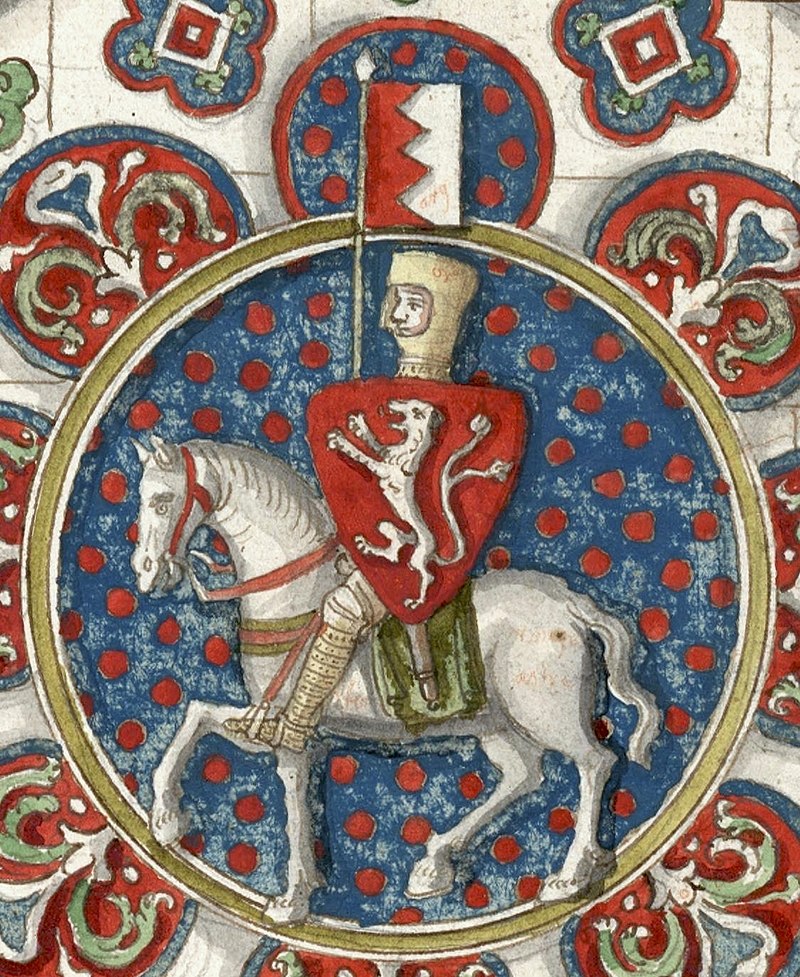
“The Battle of Agincourt in 1415 was a triumph of English military prowess during the Hundred Years’ War, solidifying King Henry V’s reputation as a formidable warrior king. This iconic battle showcased the power of the English longbow and had far-reaching implications for both England and France.”
Juliet Barker, Medieval Historian and Biographer.
These events reflect significant political, legal, and military developments during the Plantagenet period, which had a lasting impact on the governance and history of England.

