The Dark Ages began with the collapse of the Western Roman Empire in the early 5th century AD, marking one of the most dramatic turning points in European history. For centuries, Rome had united vast regions of Western Europe, serving as the center of political authority, law, and culture. However, a combination of internal instability, economic decline, and relentless invasions by Germanic tribes — including the Visigoths and Vandals — brought the empire to ruin by around 410 AD. The fall of Rome ushered in a new age of uncertainty and transformation, as kingdoms rose from its ruins and laid the first foundations of medieval Europe.

This was a period when Germanic tribes were rapidly migrating into Western Europe and settling in different regions.
Their influx was the decisive factor that contributed to the collapse of the declining Roman Empire.

Migration Period
The Dark Ages are most notably known as the period in the history of Europe when Germanic tribes rapidly migrated into different regions of Western Europe. They were, in turn, being pushed by other Central Asian tribes such as the Huns.

The key Germanic tribes that arrived in Western Europe in wave after wave during the Dark Ages included the Goths, Vandals, Saxons, Lombards, Angles, Frisii, Jutes, Franks, and Suebi.
These tribes were to have a decisive impact on the subsequent future and fortunes of Western Europe.
Many, such as Franks, Anglo-Saxons, and Lombards established long-lasting kingdoms while Goths and Vandals briefly ruled notable regions in Western Europe.

The Byzantine Empire
During the Dark Ages, the only stable polity that managed to continue its existence was the Byzantine Empire.
The Byzantine Empire had borrowed the cultural and administrative heritage of the Roman Empire and coupled it with classic Greek literature.
Based in Asia Minor, the Empire grew immensely powerful, rich, and sizable.

For some time during the 6th century, the Empire expanded to include most of the territories of the now-defunct Western Roman Empire as well.
Being based in the rich and prosperous city of Constantinople, the Byzantine Empire became home to Orthodox Christianity and was considered the home of arts and culture during the Dark Ages.

It was during this period that the Empire fought wars with Sassanids, Arabs as well as Slavs and Bulgars. Despite many losses, the Empire was able to survive mostly intact through the Dark Ages.
Political Developments
The Dark Ages were the period during which northern and Western Europe underwent critical and long-lasting political changes.
The Germanic Anglo-Saxons arrived in the British Isles during this period and within a century or so, had established numerous kingdoms which came to give Britain its cultural and political identity during this period.
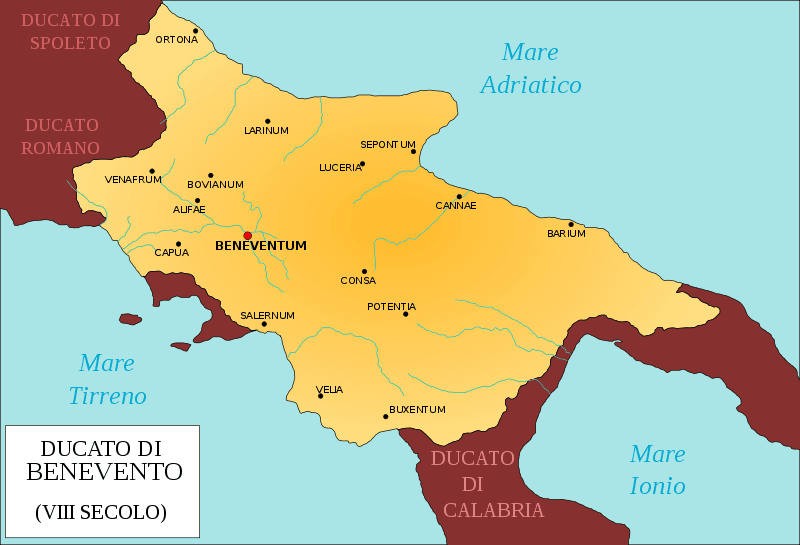
The Lombards established their kingdom in Italy in the 6th century and ruled until 744.
The end of the Lombard hegemony in Italy coincided with the rapid rise of the Germanic Franks who now ruled Francia, Italy, Saxonia, Bavaria, and other regions to the West.
The Franks laid the foundations of the later kingdoms of France and Germany.