Medieval Europe, also known as the Middle Ages, was a transformative period in European history that lasted from the 5th century to the late 15th century. Beginning with the collapse of the Western Roman Empire around 476 AD and ending with events such as the Fall of Constantinople (1453) and the Renaissance, this era reshaped Europe’s political, social, religious, and cultural foundations.
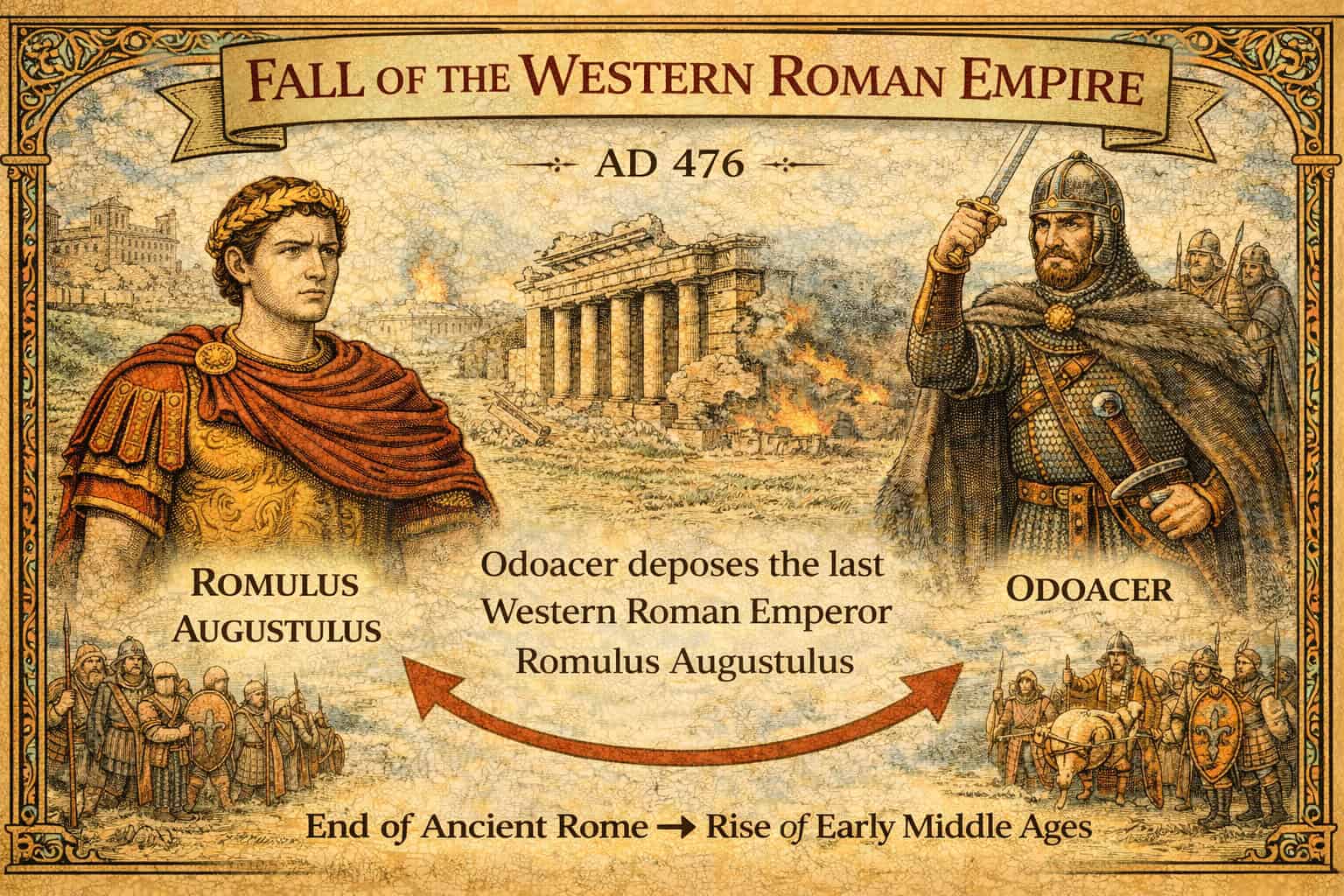
Far from being a simple “Dark Age,” medieval Europe was a time of innovation, resilience, conflict, and growth. Feudal kingdoms rose and fell, the Christian Church dominated daily life, knights and castles became symbols of power, and Europe slowly transitioned toward the modern world.
🏰 Click to Reveal: Key Aspects of Medieval Europe
The Fall of Rome & the Birth of Europe
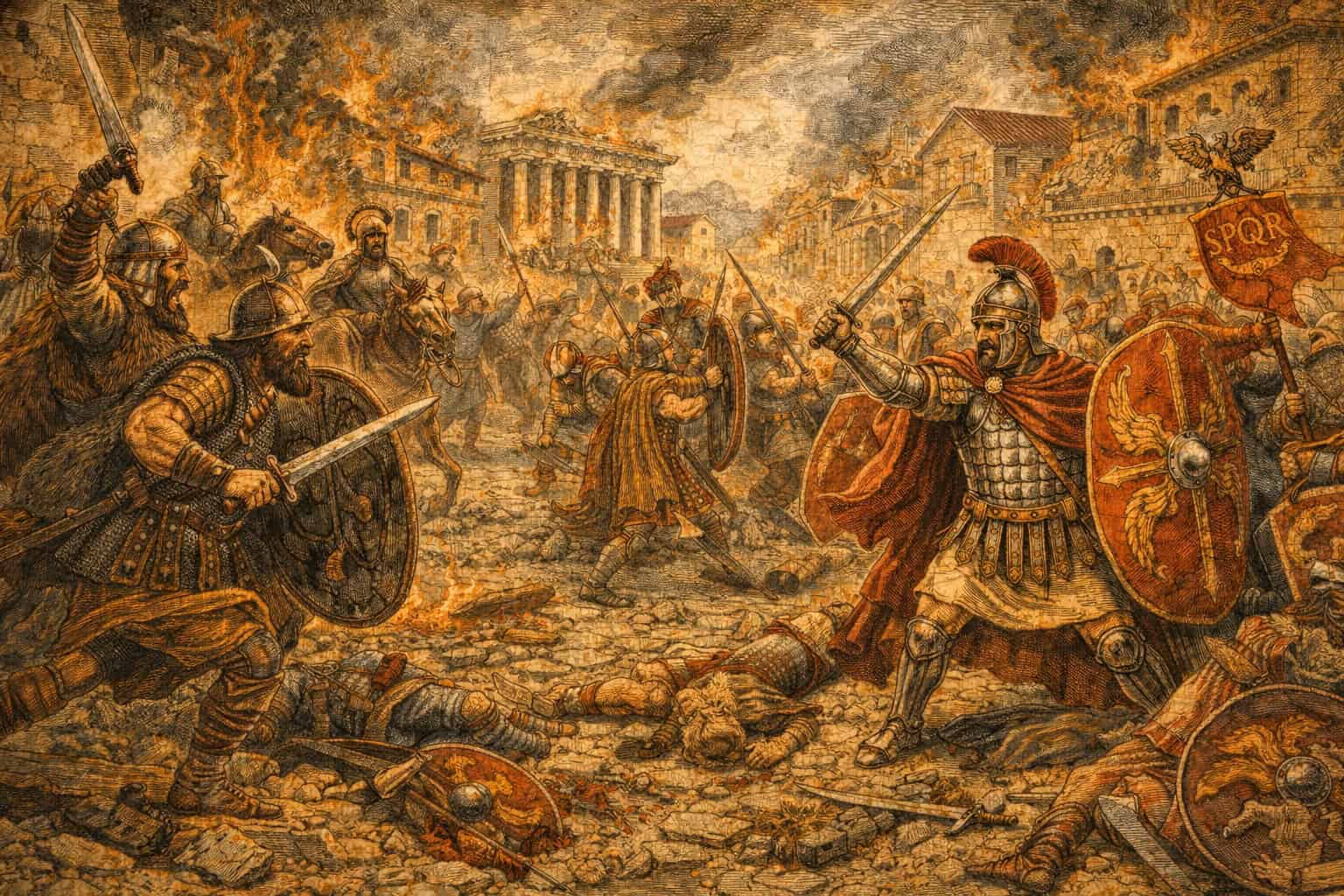
Medieval Europe emerged after the collapse of the Western Roman Empire in the 5th century. Roman authority faded, local rulers rose, and new kingdoms formed across former imperial lands.
Feudalism & Social Hierarchy
Society was organized through feudalism, a system based on land ownership and obligation. Kings granted land to nobles, who relied on knights and peasants to sustain the realm.
The Power of the Church
The Catholic Church dominated medieval life, shaping education, law, morality, and politics. Monasteries preserved learning, while popes could rival kings in authority.
Knights & Chivalry
Knights were elite warriors bound by loyalty and the code of chivalry, emphasizing honor, courage, and service. They became one of the most enduring symbols of Medieval Europe.
Castles & Warfare
Castles served as military strongholds and symbols of power. Constant warfare—between kingdoms, lords, and invaders—shaped borders and drove technological advances in arms and defense.
Daily Life of the People
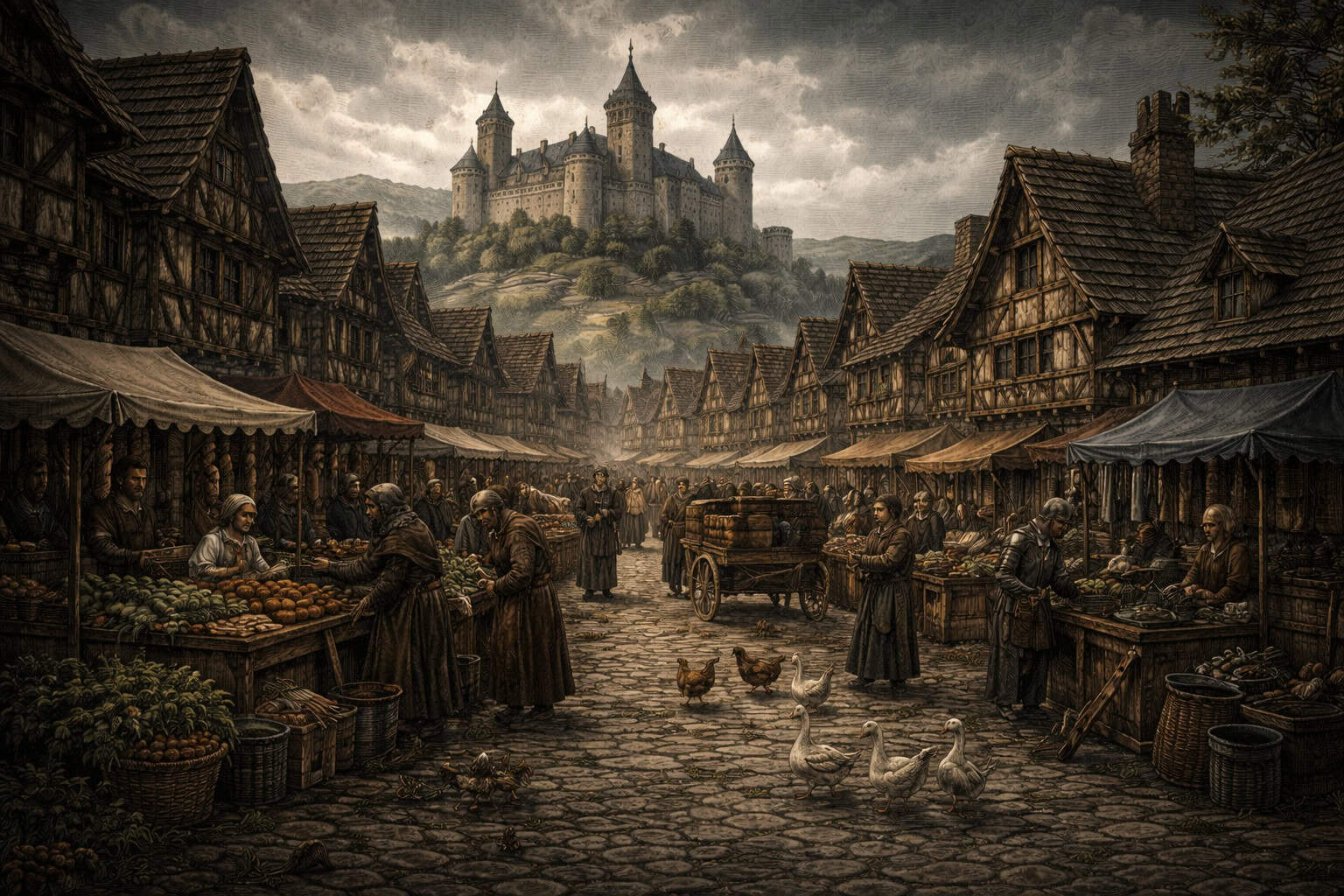
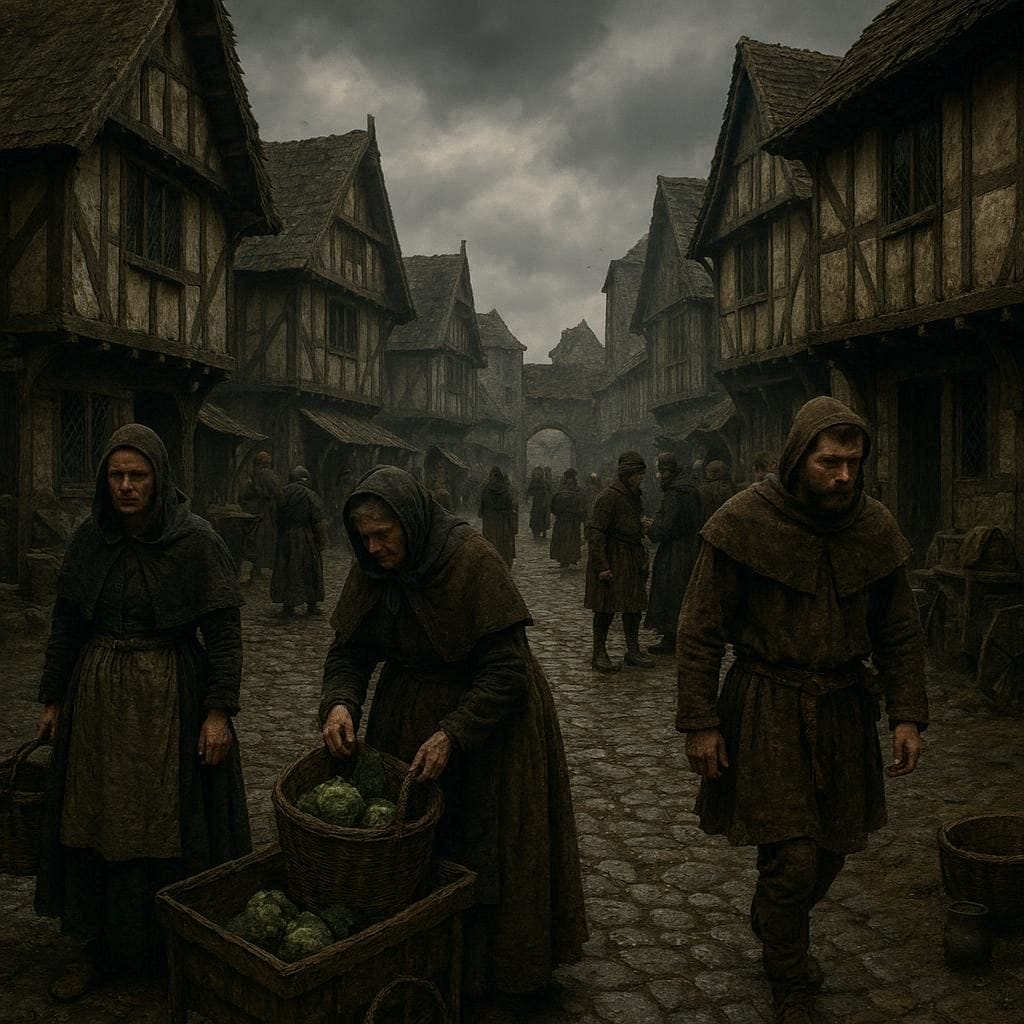
Most medieval Europeans were peasants who lived off the land. Daily life revolved around farming, religious festivals, seasonal labor, and survival within local communities.
Crusades & Cultural Contact
The Crusades connected Europe with the Islamic world and Byzantium, bringing conflict but also trade, new ideas, technologies, and exposure to advanced scholarship.
Crisis & Transformation
Events like the Black Death, peasant revolts, and the decline of feudalism reshaped Europe, paving the way for stronger monarchies and the transition toward the Renaissance.
The Three Periods of Medieval Europe
Historians usually divide medieval Europe into three major phases, each with distinct characteristics.
Early Middle Ages (c. 476–1000)
Often called the Dark Ages, this period followed the fall of Roman authority in the West.
Key features include:
- Collapse of Roman administration and infrastructure
- Migration of Germanic peoples (Franks, Saxons, Goths, Lombards)
- Decline of long-distance trade
- Rise of local rulers and warrior elites
- Growth of Christianity and monasteries
Despite instability, this era laid the groundwork for medieval kingdoms.
🗺️ Timeline: How “Countries” Emerged in Medieval Europe (c. 476–1500)
Note: Medieval Europe did not have modern nation-states in the way we think of them today. This timeline highlights key turning points when major kingdoms, realms, and political unions took shape.
• Italy remained a patchwork of city-states, papal lands, and kingdoms.
• Germany was not unified—much of it sat inside the Holy Roman Empire.
High Middle Ages (c. 1000–1250)
This was a period of expansion and relative stability across Europe.
Key developments:
- Population growth and agricultural improvements
- Consolidation of feudalism
- Construction of castles and cathedrals
- Rise of knights and chivalry
- Growth of towns, trade, and guilds
- Launch of the Crusades
Europe became more interconnected economically, politically, and culturally.
Late Middle Ages (c. 1250–1500)
The later medieval period was marked by crisis and transformation.
Major events included:
- The Black Death, killing up to one-third of Europe’s population
- Peasant revolts and social unrest
- Decline of feudalism
- Centralization of royal power
- Advances in warfare, trade, and learning
These changes helped bring the medieval world to an end and opened the door to the Renaissance.
Feudalism: The Backbone of Medieval Society
At the heart of medieval Europe was the feudal system, a hierarchical structure based on land ownership and loyalty.
How Feudalism Worked
- Kings owned all land in theory
- Land was granted to nobles and lords (fiefs)
- Lords offered military service and loyalty
- Knights defended the land
- Peasants and serfs worked the land for protection
This system shaped:
- Politics
- Warfare
- Social class
- Daily life

The Power of the Church
The Catholic Church was the most powerful institution in medieval Europe.
Its influence extended to:
- Religion and morality
- Education and literacy
- Law and governance
- Art and architecture
- Science and philosophy
Monasteries preserved classical knowledge, while cathedrals dominated medieval skylines.

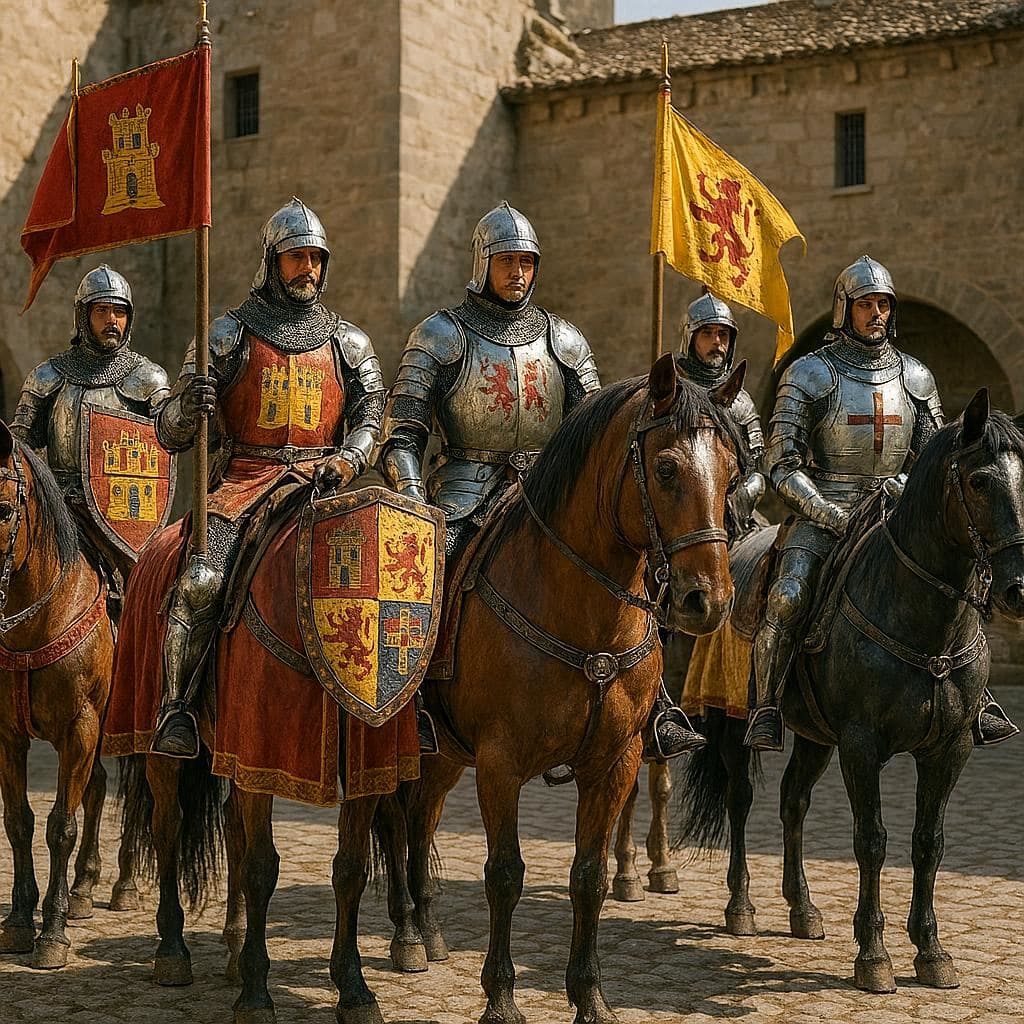
Knights, Warfare, and Chivalry
The medieval knight became one of the most recognizable symbols of Europe during this era.
Knights in Medieval Europe
- Trained from childhood as pages and squires
- Swore loyalty to a lord
- Fought on horseback in armor
- Lived by a Code of Chivalry
Chivalry emphasized:
- Honor
- Courage
- Loyalty
- Protection of the weak (in theory)
Trade, Towns, and the Medieval Economy
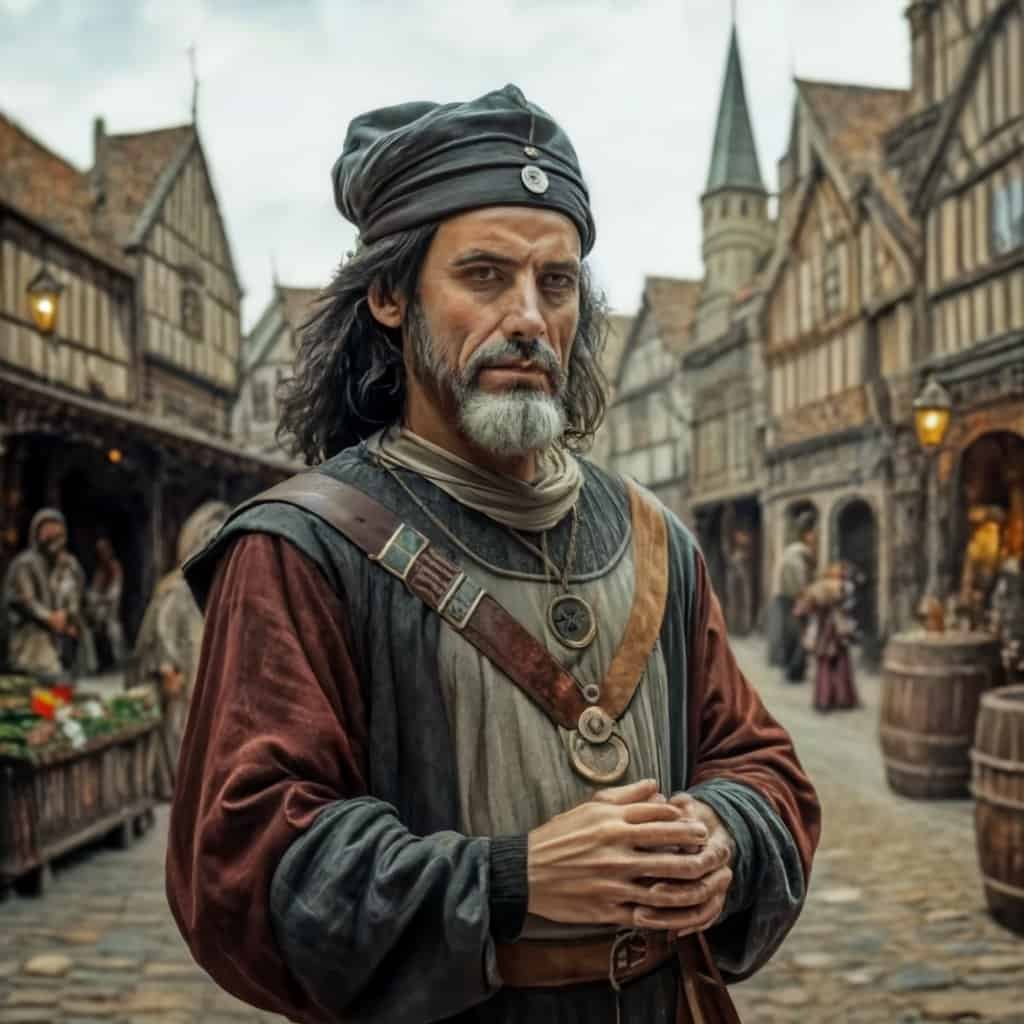
Although early medieval Europe was largely rural, towns and trade expanded rapidly during the High Middle Ages.
Economic developments included:
- Growth of merchant classes
- Formation of craft guilds
- Expansion of trade routes
- Use of coinage and banking
- Rise of medieval cities such as Venice, Florence, Paris, and Bruges
This economic growth weakened feudalism and strengthened urban life.
Crisis and Change: The Black Death
One of the most devastating events in European history was the Black Death (1347–1351).
Its effects:
- Massive population loss
- Labor shortages
- Higher wages for surviving workers
- Decline of serfdom
- Social and religious upheaval
The plague permanently altered medieval society.

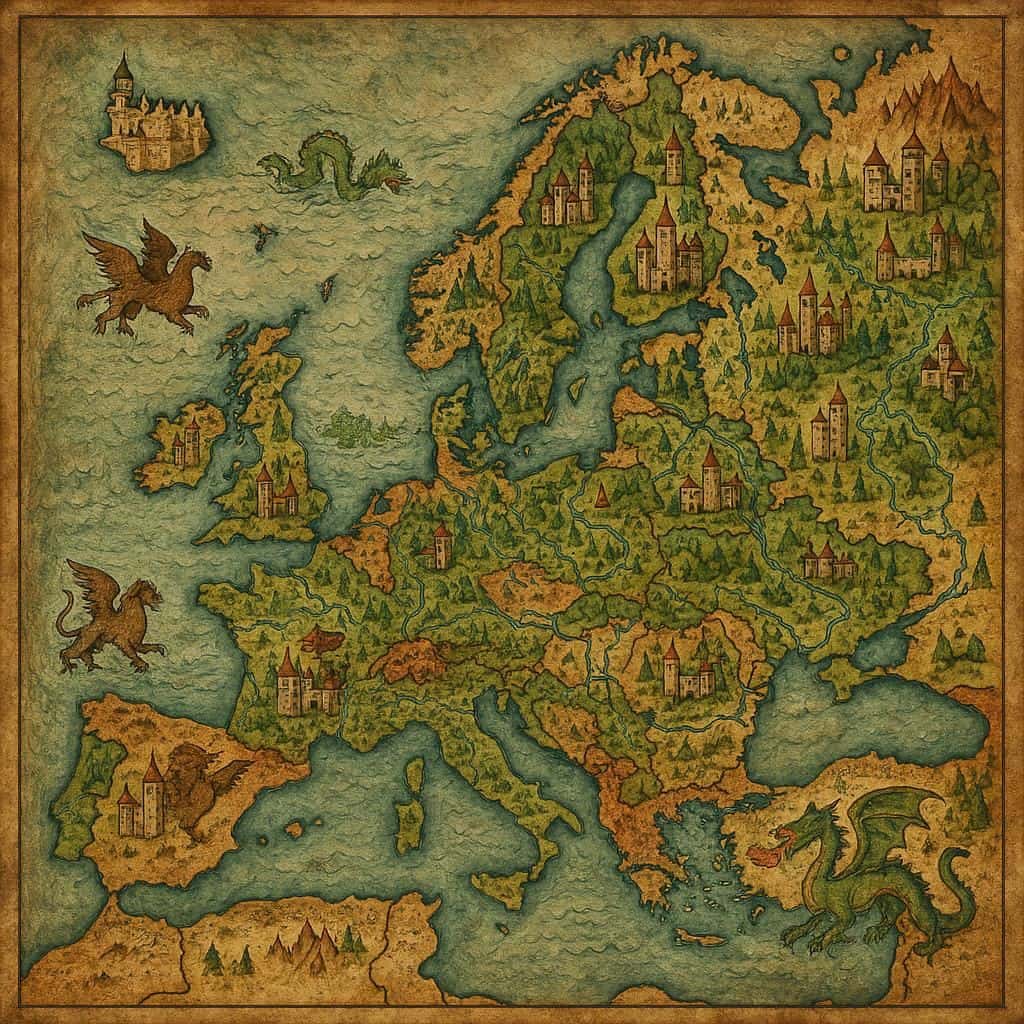
Medieval Europe by Region
Although medieval Europe shared many common cultural and social features, its regions developed along very different political and historical paths. Rather than unified nation-states, most areas were composed of kingdoms, empires, and independent territories whose borders frequently changed.
Key regions of medieval Europe included:
- England (Anglo-Saxon and later Norman kingdoms)
- France (Frankish and Capetian realms)
- Italy (a patchwork of city-states, papal lands, and imperial territories)
- Germanic Europe (dominated by the Holy Roman Empire)
- The Iberian Peninsula (Christian and Muslim kingdoms of medieval Spain)
- Scandinavia (Norse kingdoms and Viking societies)
- The Byzantine Empire (the Eastern Roman Empire)
- Eastern Europe (Slavic states, Kievan Rus’, and later kingdoms)
Each region followed a distinct historical trajectory shaped by geography, religion, warfare, trade, and systems of rule., and culture.
The End of the Middle Ages
By the late 15th century, medieval Europe was changing rapidly.
Key turning points:
- Fall of Constantinople (1453)
- Invention of the printing press
- Decline of feudalism
- Strong centralized monarchies
- Rise of Renaissance humanism
Together, these events marked the transition from the medieval world to early modern Europe.
Why Medieval Europe Still Matters
Medieval Europe shaped:
- Modern European nations
- Legal and political systems
- Universities and education
- Architecture and art
- Social class structures
- Religious traditions
Understanding this era helps explain how Europe became what it is today.
❓ Medieval Europe: Frequently Asked Questions
When did the Middle Ages begin and end?
The Middle Ages generally span from the fall of the Western Roman Empire in 476 to the late 15th century, ending around the Renaissance.
Was medieval Europe a single unified civilization?
No. Medieval Europe consisted of many kingdoms, empires, and territories with shifting borders and distinct cultures.
What was feudalism?
Feudalism was a social and economic system based on land ownership, loyalty, and service between kings, nobles, knights, and peasants.
What role did the Church play?
The Catholic Church dominated religious life and influenced politics, education, art, and daily customs throughout medieval Europe.
Why were castles important?
Castles served as military strongholds, administrative centers, and symbols of noble power.
Why is the Middle Ages sometimes called the “Dark Ages”?
The term reflects early historical bias. In reality, the period saw innovation in law, architecture, agriculture, and culture.
🏰 Quiz: Medieval Europe
📜 Glossary of Medieval Europe
A hierarchical system where land was exchanged for loyalty and service, forming the backbone of medieval society.
A noble who held land from a lord in return for military service and allegiance.
The basic unit of feudal economy, consisting of a lord’s estate and the lands worked by peasants.
A peasant legally bound to the land, required to provide labor and produce to the lord.
A moral and social code governing knights, emphasizing honor, loyalty, bravery, and protection of the weak.
A series of religious wars launched by Christian kingdoms to reclaim holy lands in the Middle East.
An association of craftsmen or merchants that regulated trade, training, and standards within medieval towns.
A devastating pandemic of the 14th century that killed millions and reshaped European society.
A medieval architectural style known for pointed arches, ribbed vaults, flying buttresses, and stained glass.
The continuation of the Roman Empire in the east, centered on Constantinople, lasting until 1453.