Medieval sieges were long, grueling affairs, testing the endurance, loyalty, and skill of knights far beyond ordinary battlefield combat. While popular imagination often shows knights charging into open battle, during a siege their responsibilities were complex, strategic, and sometimes monotonous, yet absolutely critical for survival and victory. In this article, we explore the top 10 duties of medieval knights during a siege, revealing the hidden side of these elite warriors.
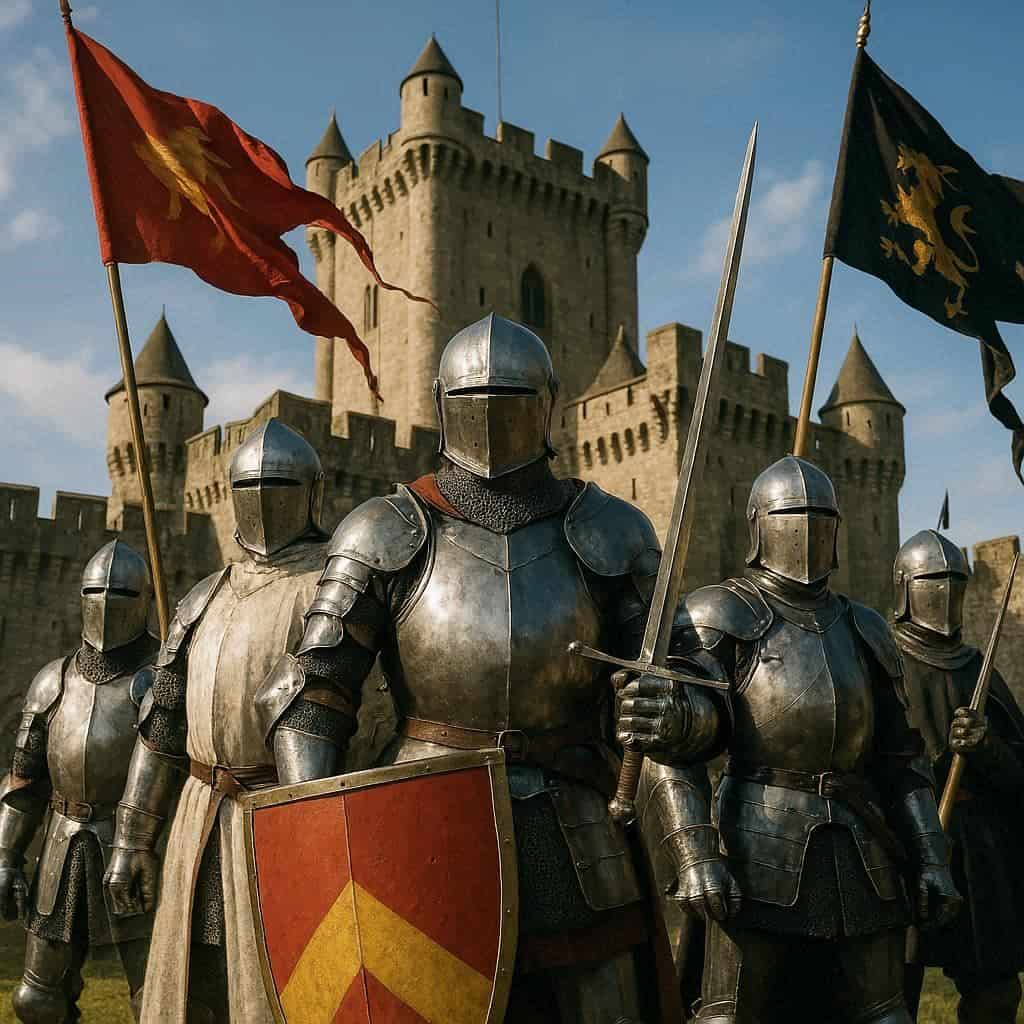
⚔️ 1. Defending the Walls
Knights were often posted along castle walls and towers to repel attackers. Their duties included archery, pouring boiling oil, and engaging enemies on ladders or siege engines.
💡 Did you know? Knights sometimes had to defend the same section of wall for days without relief, requiring immense stamina and focus.
🛡️ 2. Leading Infantry
While knights were elite cavalry, during sieges they frequently commanded foot soldiers, coordinating defenses and maintaining morale among ordinary troops.
🔥 3. Operating Siege Weapons
Knights were sometimes trained to operate or oversee catapults, trebuchets, and battering rams, ensuring these critical war machines were used effectively.
🏇 4. Patrolling the Perimeter
Even inside a besieged castle, knights were tasked with patrolling courtyards, gates, and surrounding areas to prevent infiltration or sabotage.
🍞 5. Managing Supplies
Knights often helped ration food, water, and medical supplies, ensuring soldiers could endure weeks or months of siege conditions.
💡 Did you know? Starvation was as deadly as arrows; mismanagement of rations could force surrender without a single enemy reaching the walls.
🕵️ 6. Intelligence and Scouting
Knights sometimes led reconnaissance missions to observe enemy positions or discover weaknesses in the attacking army’s siege works.
🤝 7. Negotiating Surrenders or Truces
Experienced knights were occasionally called upon as envoys or negotiators, leveraging their reputation and status to avoid unnecessary bloodshed.
✝️ 8. Upholding Morale and Discipline
Maintaining morale, discipline, and religious observances among troops was a key knightly responsibility during the stress of a prolonged siege.
🩹 9. Assisting the Wounded
Knights often assisted in first aid, organizing stretcher bearers, and coordinating care for wounded soldiers, especially after sorties or attacks.
🎖️ 10. Serving as the Lord’s Advisors
In addition to combat roles, knights advised the lord or commander on tactics, defense strategies, and critical decisions affecting the outcome of the siege.
💡 Did you know? Knights who excelled in these duties often rose in rank or gained favor, highlighting that a siege tested not only courage but also intelligence and leadership.
🌟 Lessons from the Siege
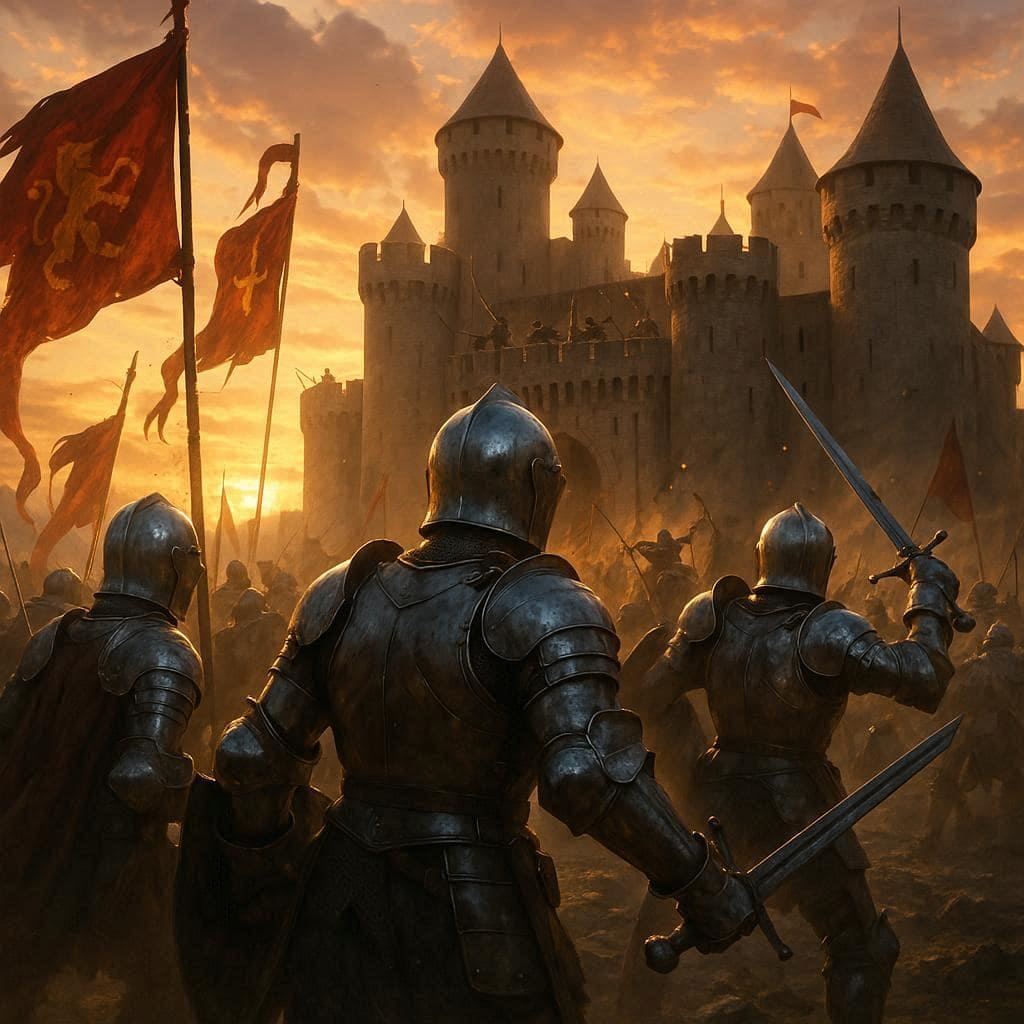
The duties of medieval knights during a siege went far beyond charging into battle. From defending walls, managing supplies, and operating siege weapons, to advising lords and maintaining morale, knights were the backbone of any successful defense. These responsibilities required a blend of combat skill, strategic thinking, and endurance, making siege service one of the most challenging tests of knighthood.
A siege revealed the true measure of a knight — bravery alone was never enough; loyalty, leadership, and cleverness were just as essential.
How did siege duties differ from regular battlefield combat?
Sieges required strategic thinking, endurance, and coordination, rather than simply charging into combat like in open-field battles.
What role did knights play in managing supplies?
Knights helped ration food, water, and medical supplies, making sure the defenders could endure prolonged sieges.
Were knights involved in negotiations during sieges?
Experienced knights sometimes acted as envoys or negotiators, helping to secure surrenders or temporary truces with enemy forces.
Did knights engage in scouting or intelligence gathering?
Yes, knights often led reconnaissance missions to monitor enemy movements and identify weaknesses in the attacking forces.
How did knights maintain morale among soldiers?
Knights upheld discipline, organized religious observances, assisted the wounded, and encouraged troops, ensuring the garrison stayed motivated under extreme stress.
What were the primary duties of medieval knights during a siege?
Medieval knights were responsible for defending walls, leading infantry, operating siege weapons, managing supplies, and advising their lord during a siege.
Could knights rise in rank based on their performance during a siege?
Yes, knights who excelled in duties like leadership, defense, and tactical advice often gained favor, promotions, or increased status within the lord’s court.