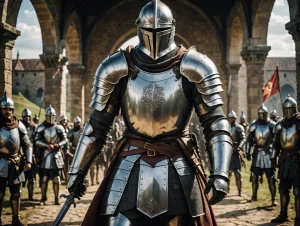
In the tapestry of medieval history, the importance of armorsmiths stands out as a foundational element.
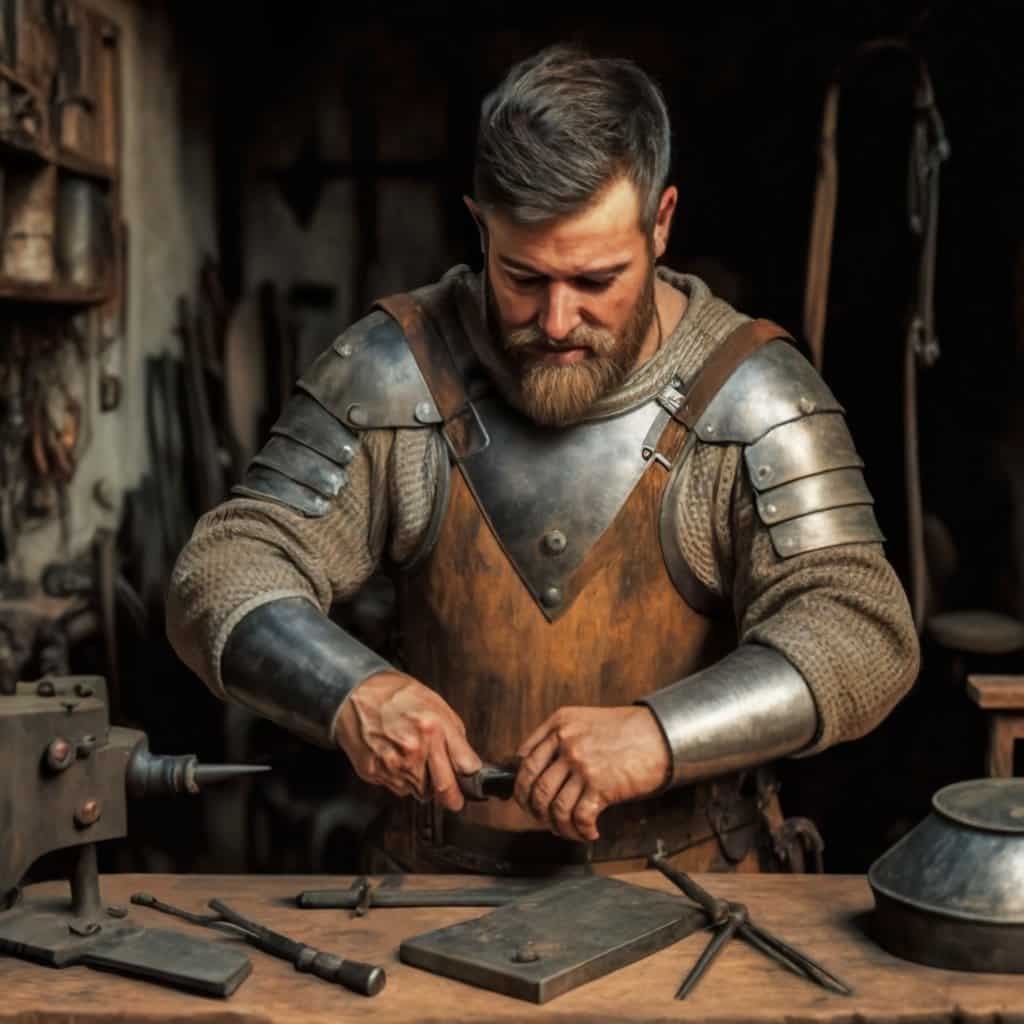
These skilled craftsmen played a crucial role in shaping the military landscape of the time.
Let’s explore the 10 key reasons why armorsmiths were indispensable during the medieval period.
1. Protection in Battle
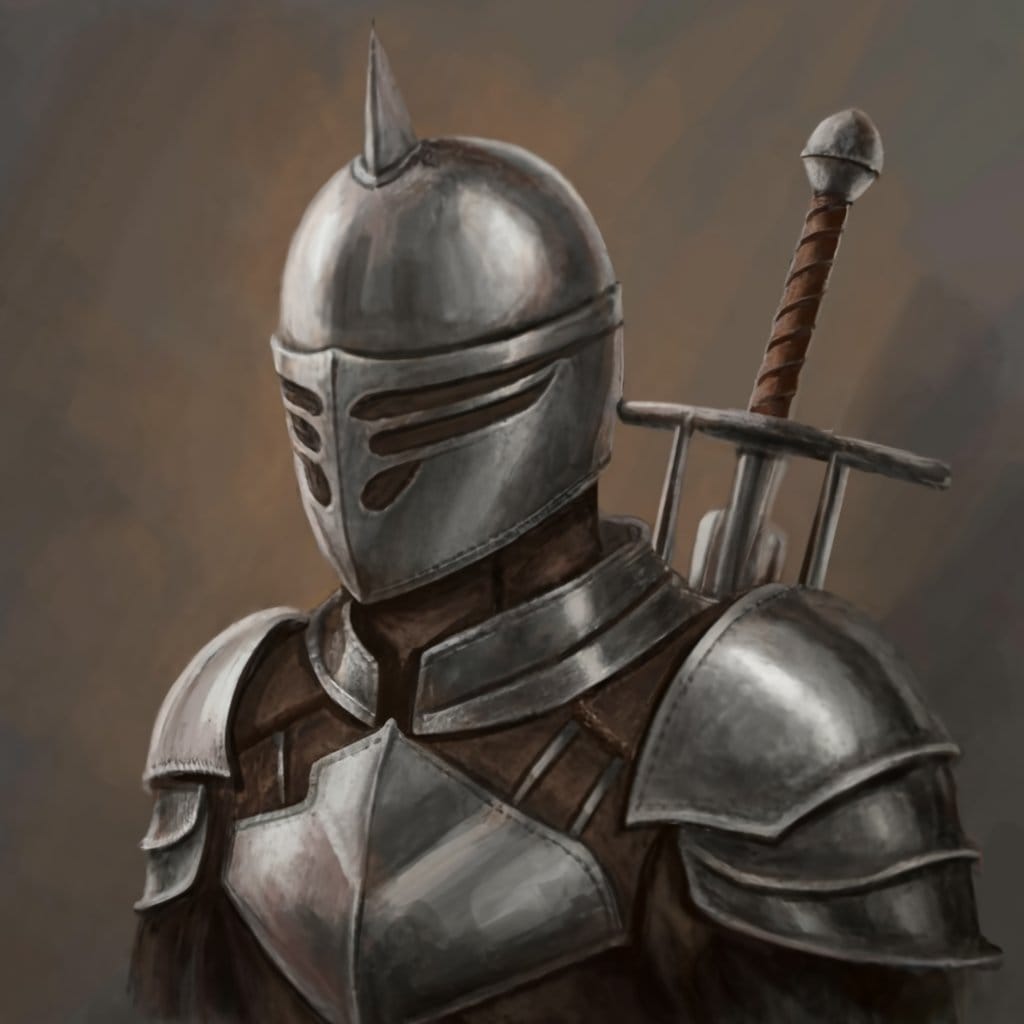
One of the primary roles of armorsmiths was to craft armor that provided essential protection to knights and soldiers on the battlefield. In an era marked by close combat and weapons such as swords, axes, and arrows, armor was a lifeline for warriors.
2. Advancements in Metallurgy
Armorsmiths were at the forefront of advancements in metallurgy. They experimented with different alloys and heat-treating techniques to create armor that was not only strong but also flexible enough to allow for mobility in combat.

3. Customization for Individual Warriors
Armorsmiths crafted personalized armor tailored to the specific needs and preferences of individual knights. This customization was not only a matter of comfort but also crucial for accommodating the unique fighting styles and body sizes of different warriors.

4. Symbolism and Identity
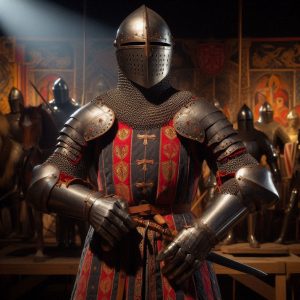
Armor was not merely functional; it was also a symbol of status, identity, and allegiance. Armorsmiths played a key role in creating armor adorned with emblems, heraldry, and other symbols that conveyed the social standing and allegiance of the wearer.

5. Innovation in Design
The medieval period witnessed a continuous evolution in armor design. Armorsmiths were innovators, constantly refining and enhancing armor to provide better protection while considering the changing dynamics of warfare.
6. Economic Impact
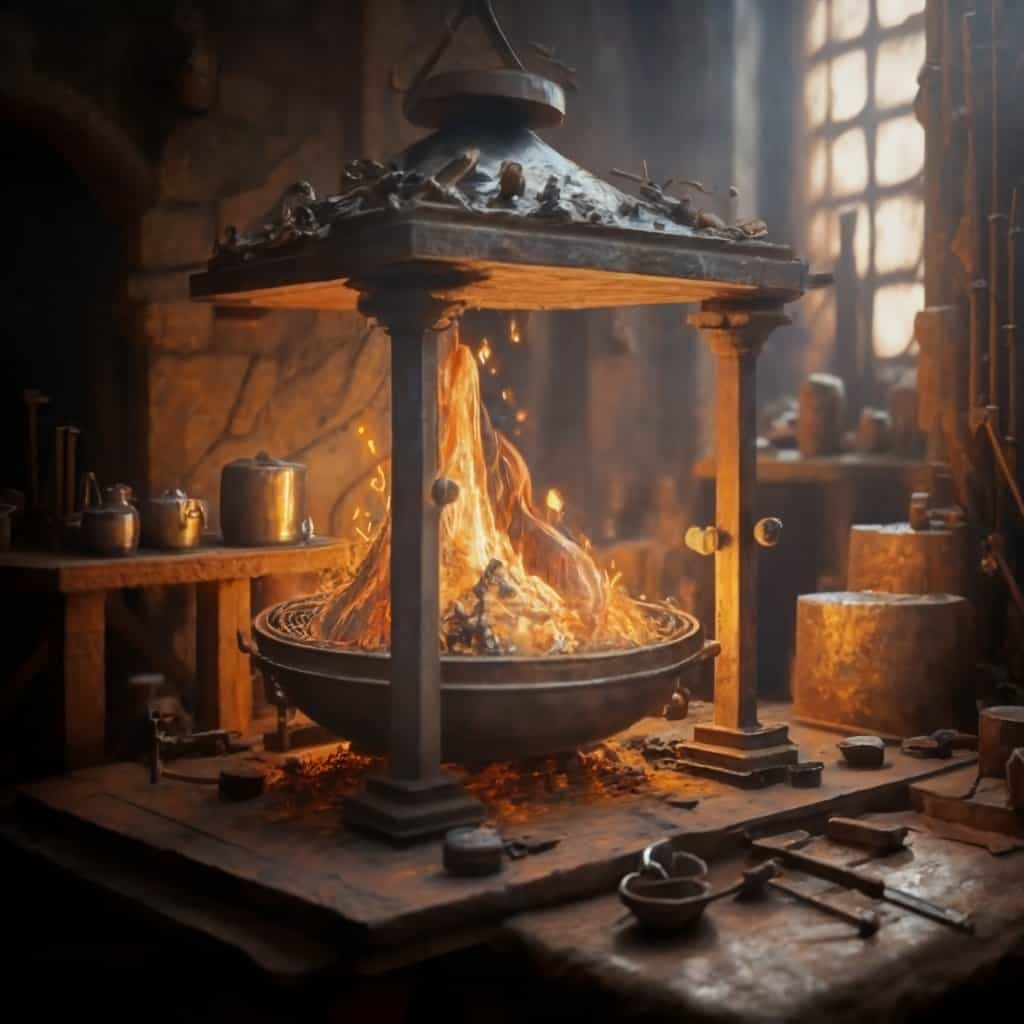
The demand for armor had a significant economic impact during the medieval period. Armorsmiths operated as skilled craftsmen in specialized workshops, contributing to the economic prosperity of both urban centers and smaller communities.

7. Military Tactics and Strategy
The effectiveness of military tactics often hinged on the quality of armor. Armorsmiths worked closely with military leaders to design armor that complemented specific strategies, whether it be for cavalry charges, archer formations, or siege warfare.

8. Craftsmanship and Artistry
Armor was not only a practical necessity but also a form of art. Armorsmiths were highly skilled craftsmen who created intricate and beautifully ornamented pieces. The marriage of functionality and artistry elevated the importance of their work.
9. Maintenance and Repair
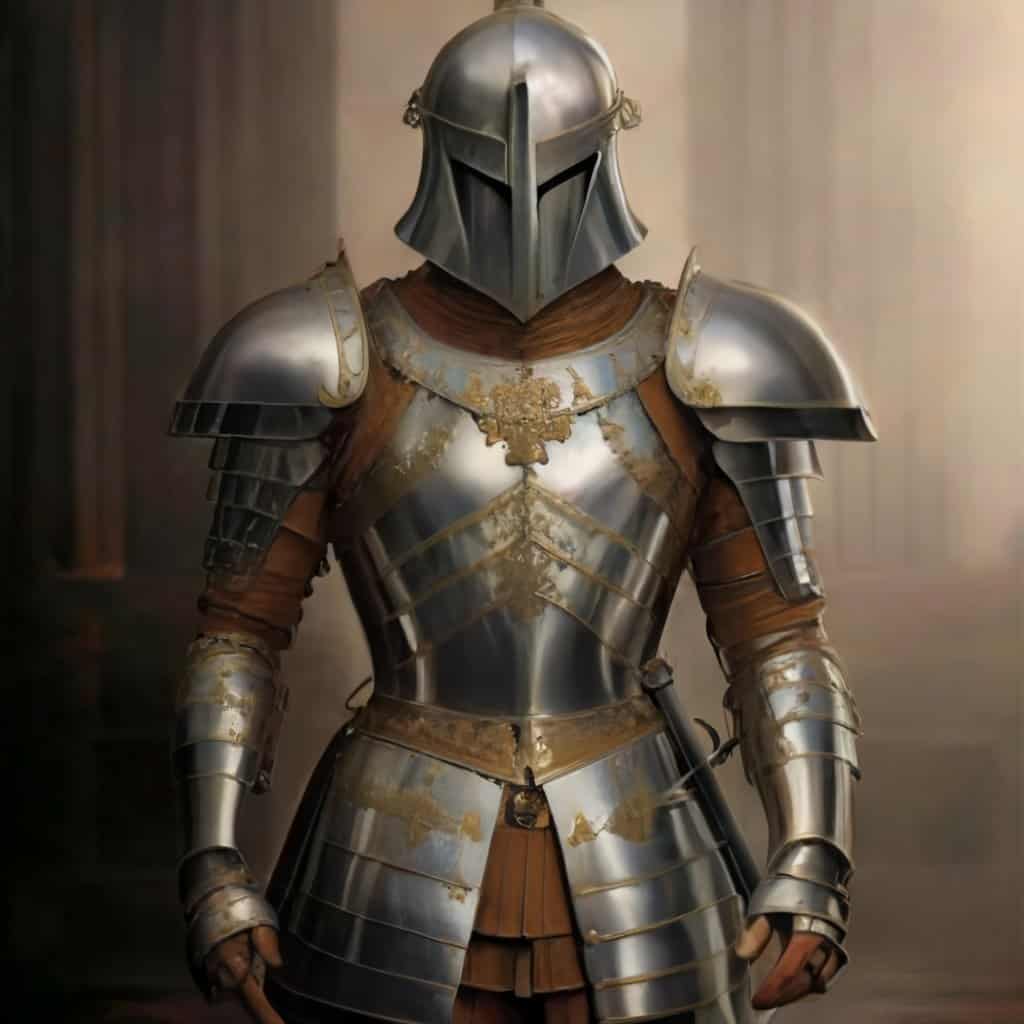
Beyond the initial creation of armor, armorsmiths were essential for its ongoing maintenance and repair. They possessed the knowledge and skills to mend damaged armor, ensuring its longevity and the continued protection of the wearer.

10. Legacy and Cultural Impact
The craftsmanship of armorsmiths left a lasting legacy that transcends the medieval period. The iconic image of a knight in shining armor endures in popular culture, symbolizing bravery, chivalry, and the indomitable spirit of medieval warriors.
Armorsmiths were the unsung heroes of the medieval period, contributing not only to the physical well-being of warriors but also shaping the cultural and economic landscape of their time.
Their expertise, innovation, and dedication to their craft played a pivotal role in the historical narrative of medieval warfare.