In the annals of medieval history, the role of armorsmiths was indispensable.

These skilled craftsmen were responsible for forging the protective gear that defined knights and warriors of the era
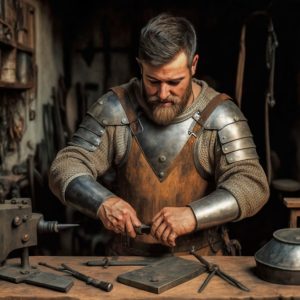
This article explores the top 10 medieval armorsmith types, highlighting their significance in crafting armor that played a pivotal role in the martial and cultural landscape.
1. Plate Armor Smiths
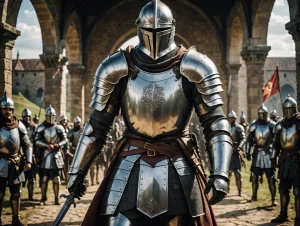
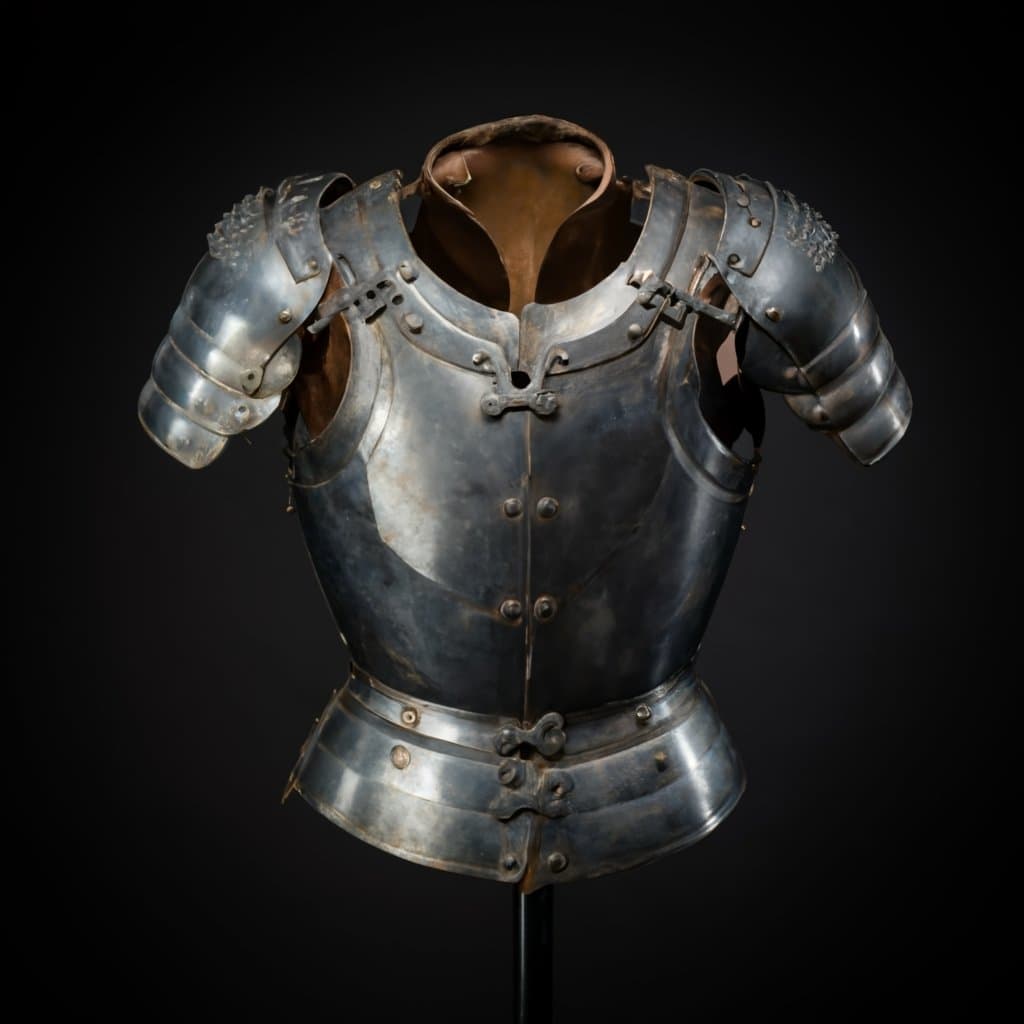
Plate armor, characterized by interconnected metal plates, revolutionized medieval warfare. Armorsmiths specializing in plate armor were crucial in creating suits that offered unparalleled protection. The advent of plate armor marked a turning point in battlefield tactics and the survivability of knights

2. Chainmail Artisans
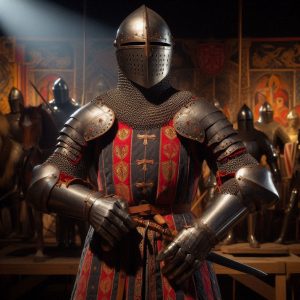
Chainmail, made of interlocking metal rings, was a staple in medieval armory. Armorsmiths specializing in chainmail were essential in creating flexible yet durable armor. Chainmail offered effective protection against slashing attacks and was often worn as both standalone armor and in conjunction with plate armor.

3. Scale Armor
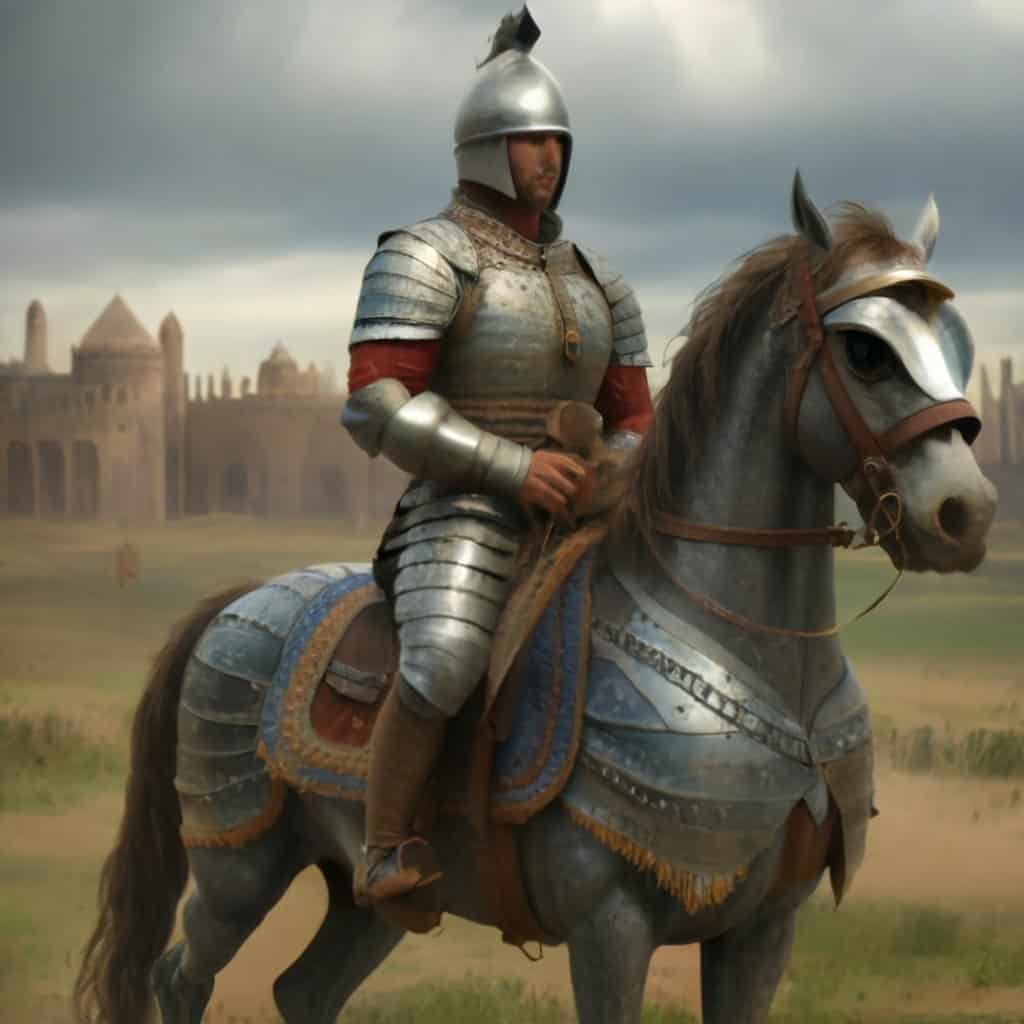
Scale armor consisted of small, overlapping metal scales sewn onto a backing. Armorsmiths skilled in crafting scale armor provided warriors with a balance of protection and flexibility. This type of armor was particularly popular in regions where resources for plate armor were scarce.
4. Leather Armor Masters
While not as protective as metal armor, leather armor had its place on the medieval battlefield. Armorsmiths specializing in leatherwork played a vital role in creating lightweight and more affordable armor for soldiers who couldn’t afford the heavier alternatives.

5. Lamellar Armor Experts
Lamellar armor featured small rectangular plates laced together, forming a flexible and lightweight protective garment. Armorsmiths proficient in crafting lamellar armor offered warriors a viable option that combined mobility with reasonable defense.
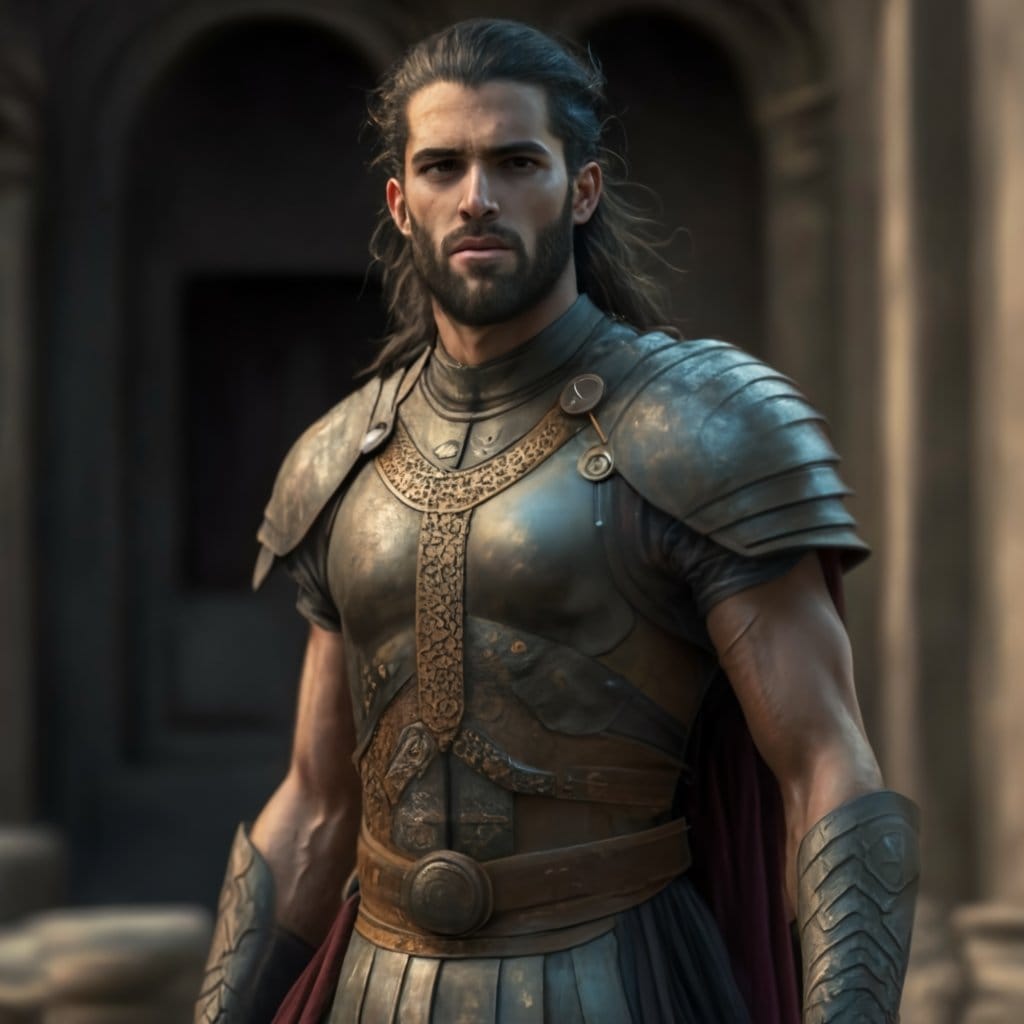
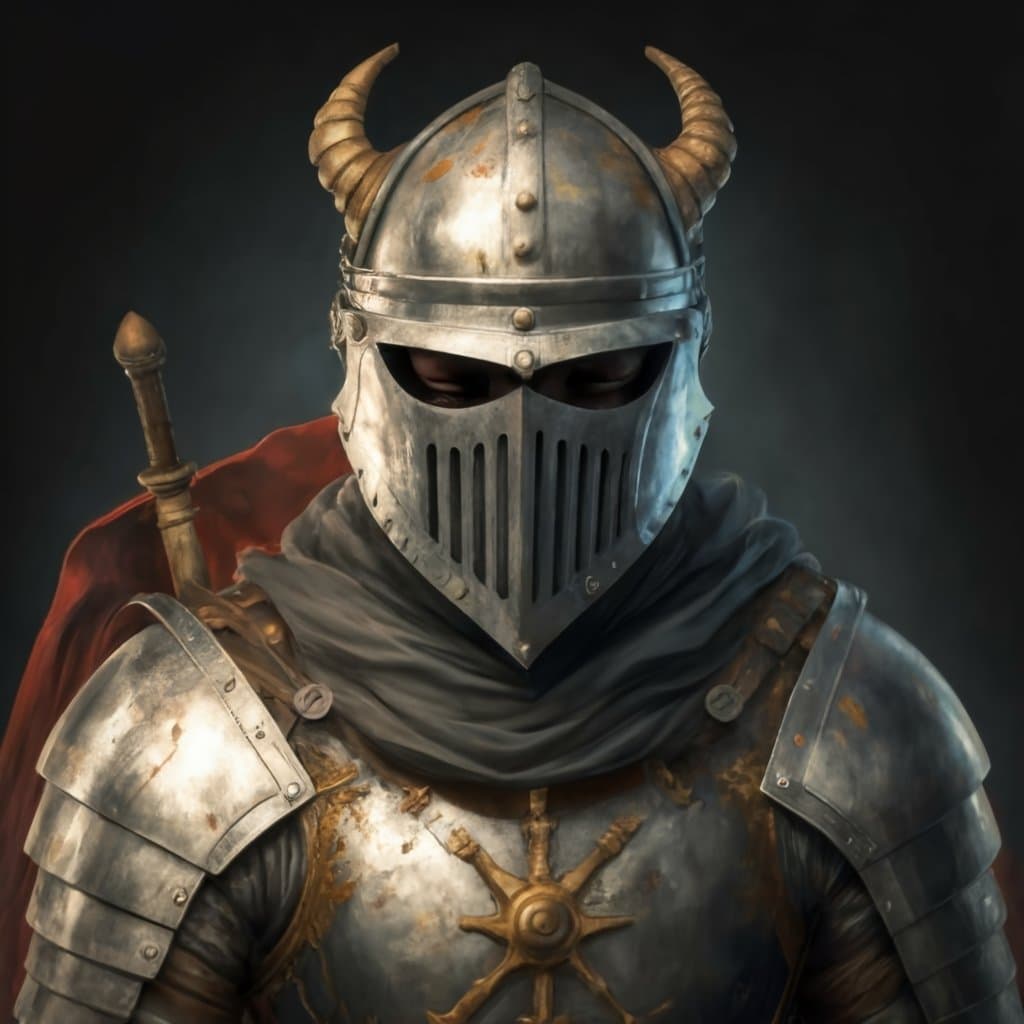
6. Visored Helmet Forgers
The visored helmet was a crucial component of a knight’s armor, providing protection for the head while allowing for visibility and ventilation. Armorsmiths skilled in the art of helmet forging ensured that knights had helmets tailored for both protection and functionality.
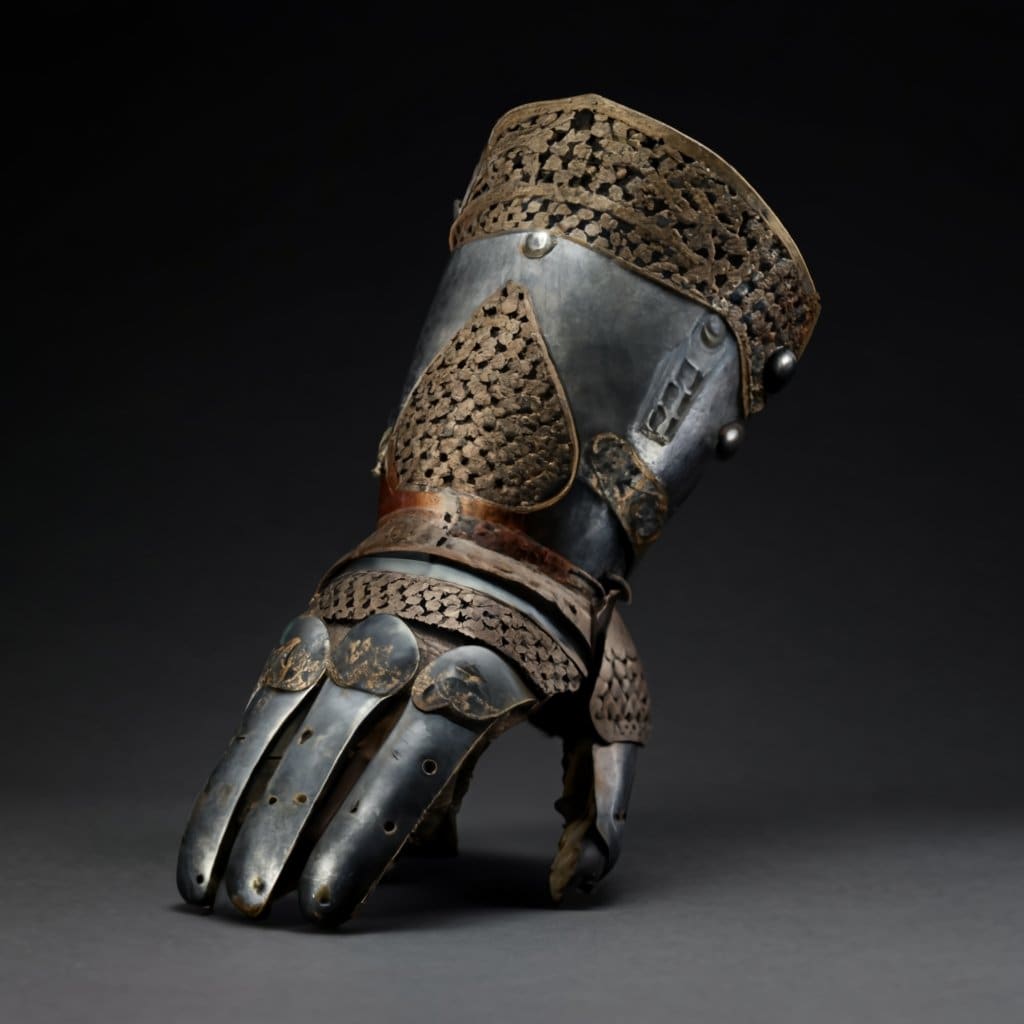
7. Gauntlet Artisans
Hand protection was vital in medieval combat, and gauntlets, or armored gloves, were integral to a knight’s defense. Armorsmiths specializing in gauntlets crafted pieces that not only protected the hands but also allowed for dexterity in wielding weapons.
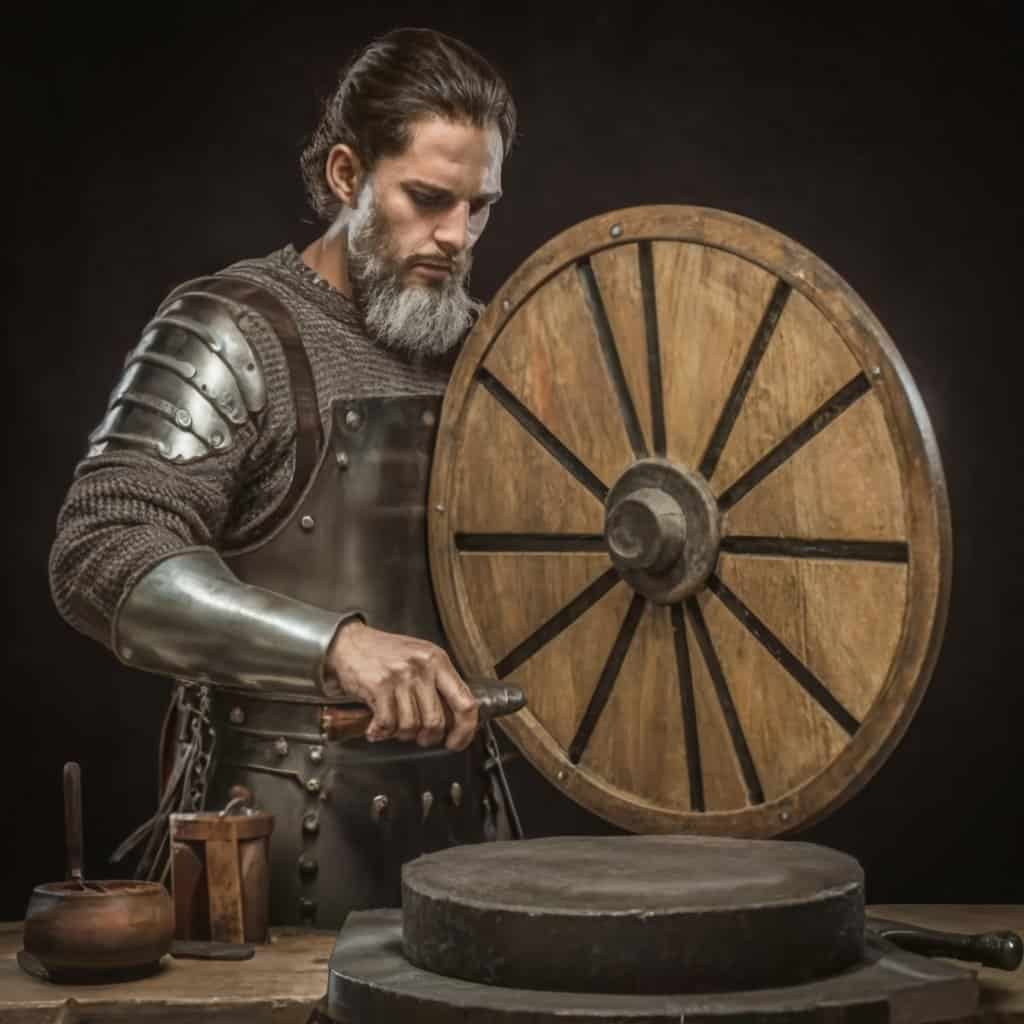
8. Shield Craftsmasters
Shields were indispensable on the medieval battlefield, offering additional protection against missile weapons and melee attacks. Armorsmiths skilled in shield craftsmanship created shields of various shapes and sizes, each tailored for specific tactical needs.
9. Spaulder and Greave Artificers
Spaulders and greaves were armor pieces that protected the shoulders and legs. Armorsmiths specializing in these components ensured that warriors had comprehensive coverage, adding an extra layer of defense to critical areas.
10. Engravers and Embellishers
Beyond the functional aspects, the aesthetic appeal of armor was significant. Engravers and embellishers were armorsmiths who added intricate designs, heraldry, and decorative elements to armor, creating pieces that were both protective and visually stunning

The top 10 medieval armorsmith types collectively shaped the martial identity of the medieval period. Their craftsmanship not only provided essential protection on the battlefield but also contributed to the rich tapestry of medieval culture, leaving a lasting legacy that continues to captivate and inspire today.