Medieval architecture stands as one of the most enduring legacies of the Middle Ages—an era that stretched from the collapse of the Roman Empire in the 5th century to the dawn of the Renaissance in the 15th century. Every castle, cathedral, and village church built during this time tells a story of human ingenuity, faith, and devotion. Whether forged from grey stone on windswept hills or adorned with vibrant stained glass that bathed interiors in holy light, these structures reflected a world caught between earthly conflict and heavenly aspiration. They were born of spiritual conviction, practical necessity, and artistic vision—and they remain a lasting testament to medieval craftsmanship, engineering skill, and belief that shaped an age.
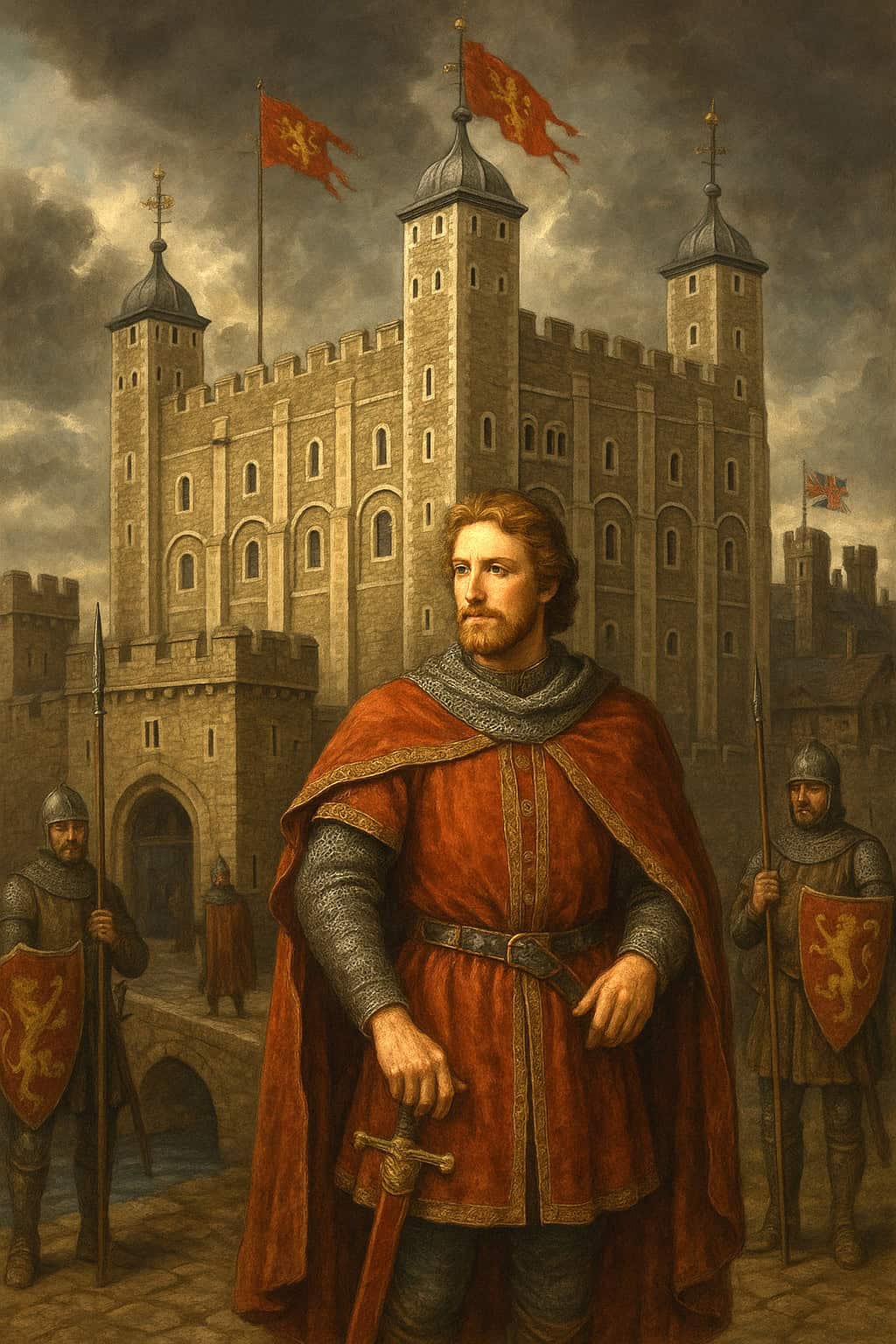
Throughout medieval Europe, architecture evolved hand in hand with the changing fabric of society. In the early Middle Ages, builders focused on protection and survival, constructing fortified stone keeps, castle walls, and Romanesque churches sturdy enough to resist invasion. As peace and prosperity gradually returned, later architects began to reach instead for beauty, light, and spiritual perfection.
🏰 Click-to-Reveal: Key Themes of Medieval Architecture
Castles as Symbols of Power
Medieval castles were both military strongholds and symbols of authority. Built for defense, they featured thick stone walls, towers, gatehouses, and moats to project power and control surrounding lands.
Cathedrals and Religious Devotion
Cathedrals dominated medieval skylines, reflecting the central role of Christianity. Their vast scale and ornate design were intended to inspire awe and draw worshippers closer to God.
Romanesque Architecture
Romanesque buildings were characterised by thick walls, rounded arches, small windows, and sturdy construction, creating a sense of solidity and protection.
The Rise of Gothic Style
Gothic architecture introduced pointed arches, ribbed vaults, and flying buttresses, allowing buildings to soar higher and flood interiors with light through stained glass.
Engineering Innovation
Medieval builders developed advanced engineering techniques, enabling the construction of massive stone structures that have endured for centuries.
Urban Churches and Town Halls
Beyond castles and cathedrals, towns built parish churches, guild halls, and civic buildings that reflected growing urban identity and local pride.
Symbolism in Stone
Medieval architecture was rich in symbolism. Sculptures, carvings, and layout conveyed religious messages, moral lessons, and social hierarchy.
A Lasting Architectural Legacy
The castles, cathedrals, and civic structures of the Middle Ages continue to influence architecture today and remain enduring symbols of medieval craftsmanship.
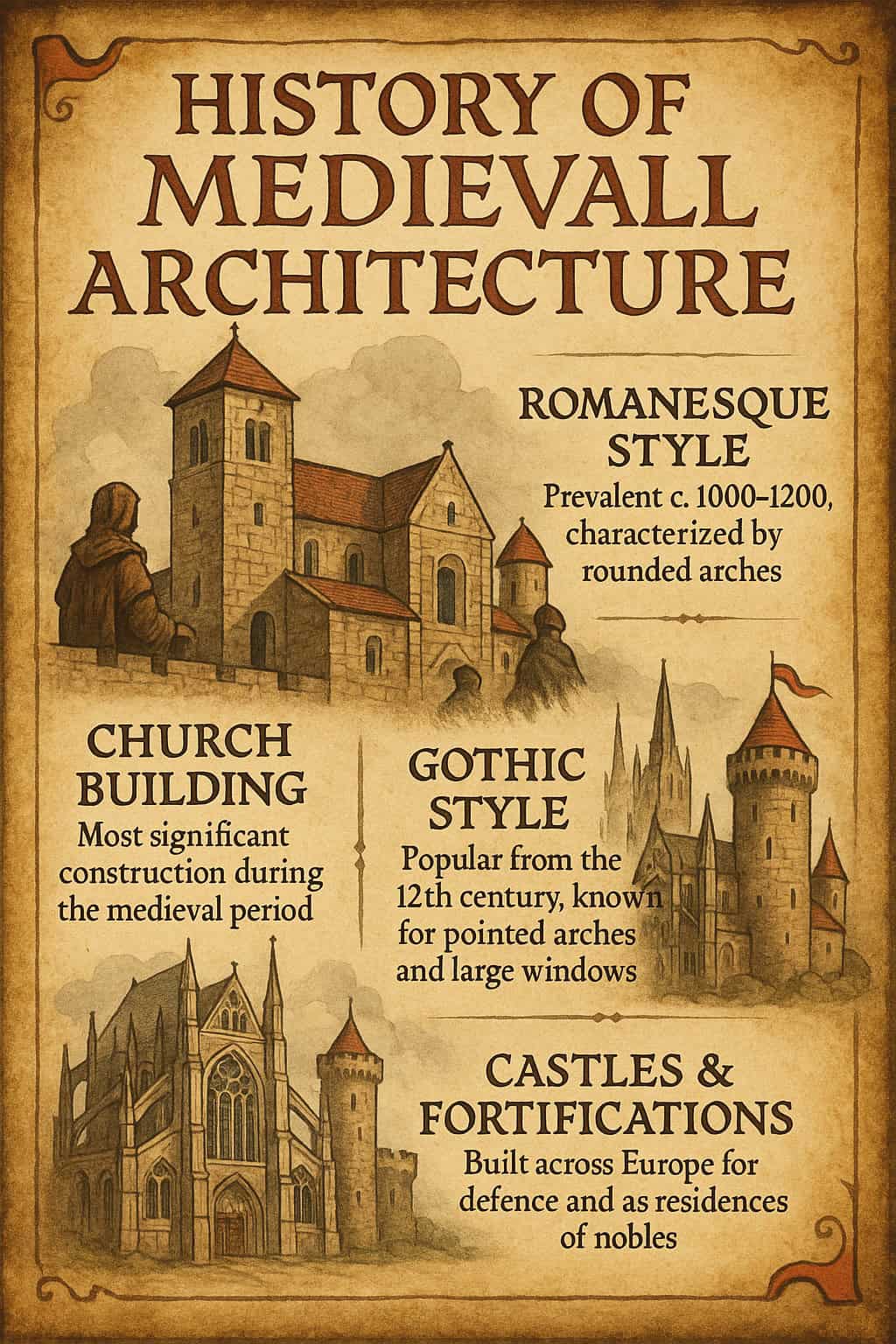
From the monumental Romanesque abbeys of Normandy to the soaring Gothic cathedrals of France, and from the impregnable castles of England to the radiant domes of Byzantium, every region expressed its own interpretation of faith, function, and artistry in stone. By tracing these diverse styles, we gain a rare glimpse into the minds of medieval builders—how they worshipped, fought, innovated, and dreamed of eternity through the lasting language of architecture.
🏗️ The Romanesque Style (c. 1000–1200)
The Romanesque style emerged in the early 11th century as Europe stabilized after centuries of invasion and upheaval. Inspired by ancient Roman engineering, builders sought solidity and permanence. Churches and monasteries rose across the continent, their massive walls and rounded arches giving a sense of divine strength. The style dominated from France and England to Germany and northern Italy, spreading through pilgrimage routes and monastic orders like the Cluniacs.
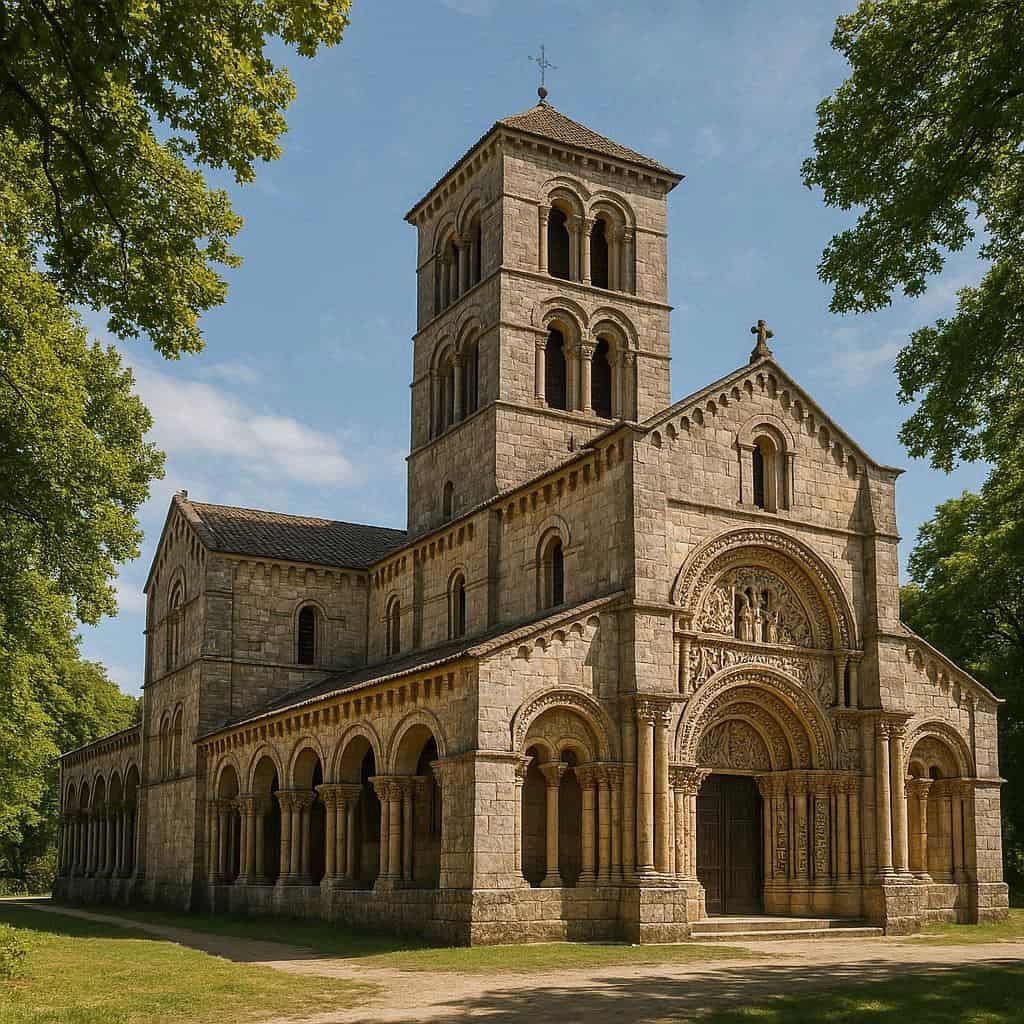
Romanesque structures were typically built of thick stone, with few windows to preserve stability. Rounded barrel vaults replaced the timber roofs that had often caught fire in earlier centuries. Decorative carvings—especially around doorways and capitals—depicted scenes of judgment, salvation, and biblical tales for the largely illiterate faithful. Inside, dimly lit naves created an atmosphere of mystery and reverence, enhanced by flickering candlelight.
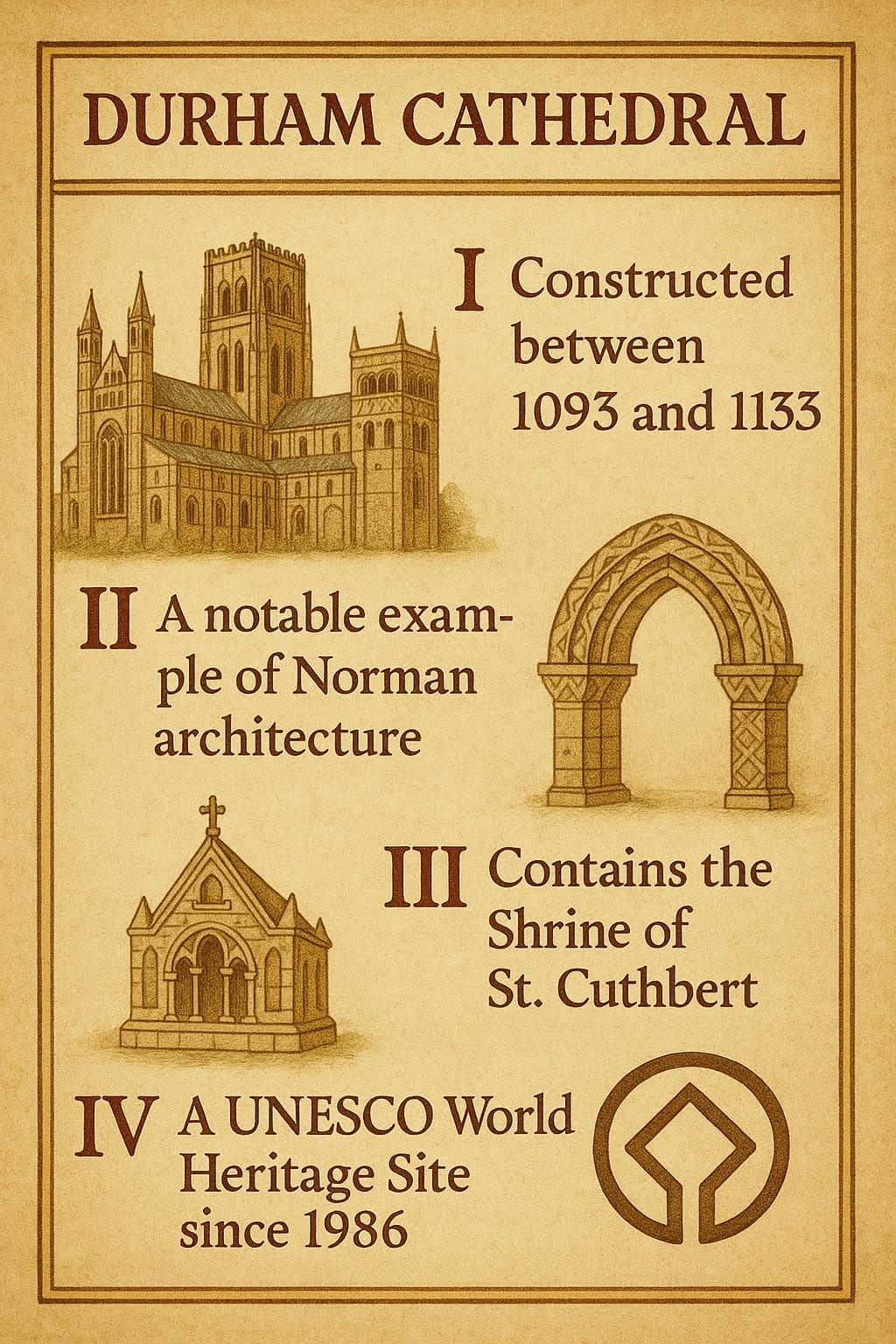
In England, Norman architecture (a regional branch of the Romanesque style) followed the Norman Conquest of 1066. The Durham Cathedral and the White Tower of London remain two of the finest examples, combining military power with spiritual symbolism.
💡 Did You Know? The term Romanesque was first used by 19th-century historians to describe architecture “in the Roman manner.” Its rounded arches and vaults were direct descendants of Roman engineering techniques lost for centuries after the empire’s fall.
🌇 The Rise of Gothic Architecture (12th–16th Century)
By the 12th century, the age of heavy stone walls gave way to the age of light and height—the dawn of Gothic architecture. This transformation began in the Île-de-France, when Abbot Suger of Saint-Denis envisioned a church filled with divine light. To make this vision real, masons developed the pointed arch, ribbed vault, and flying buttress—three innovations that revolutionized construction.
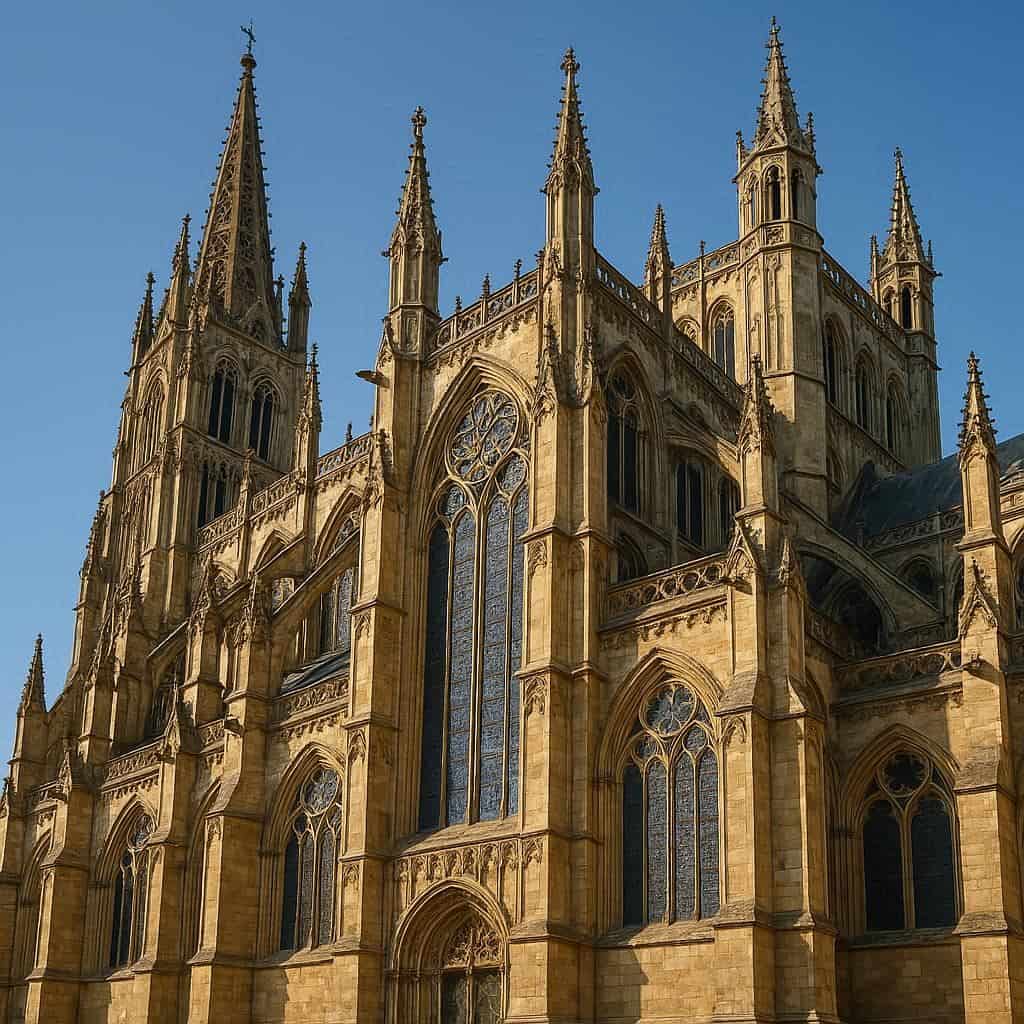
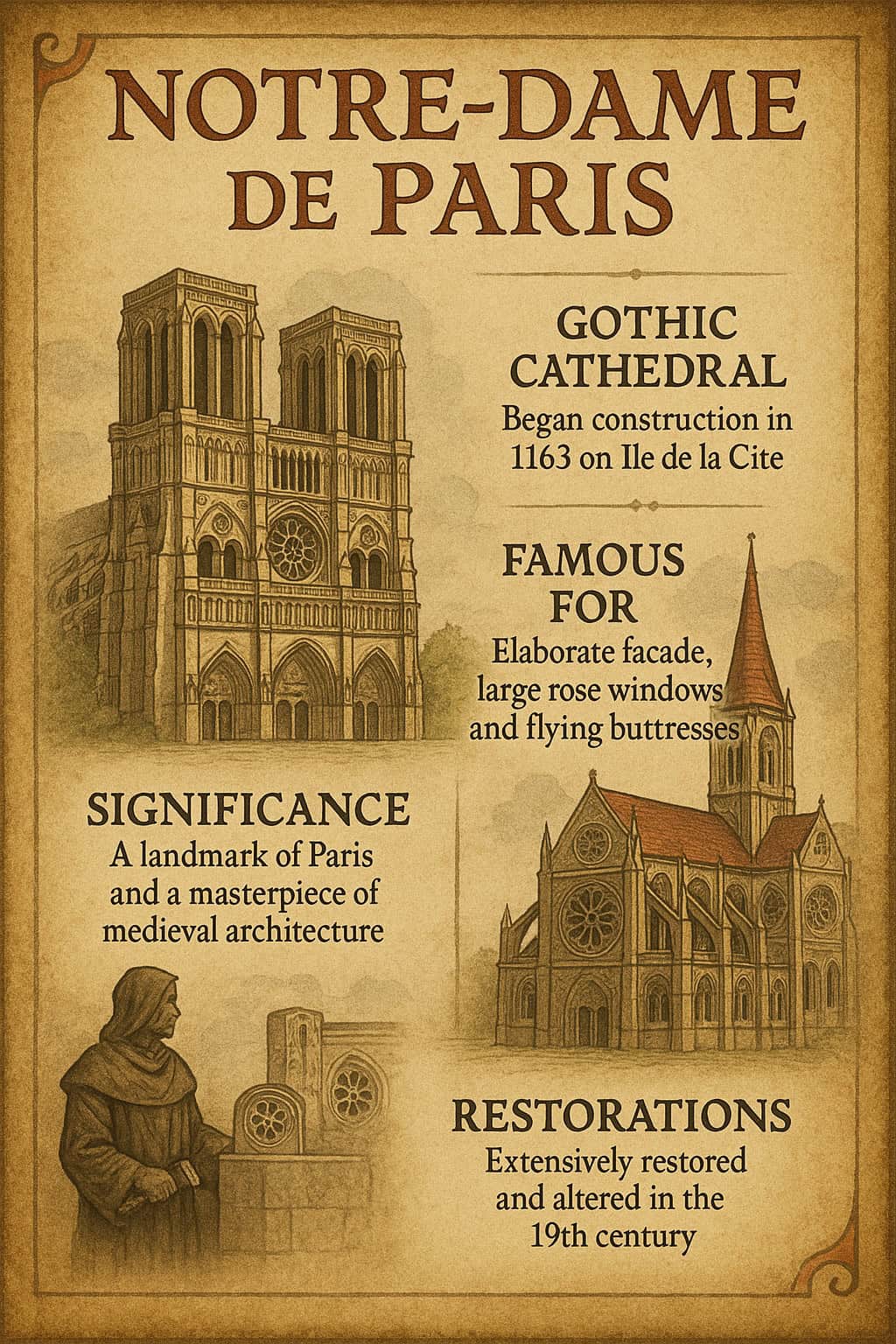
With these tools, cathedrals could reach breathtaking new heights while supporting vast stained-glass windows that told biblical stories in radiant color. Light became a symbol of God’s presence. The Chartres Cathedral, Notre-Dame de Paris, and Reims Cathedral remain unmatched achievements of Gothic engineering and artistry. Sculpted façades teemed with saints and sinners; spires pierced the sky as cities competed to build ever taller houses of worship.
The Gothic style spread swiftly across Europe, adapting to local traditions. In England, it evolved into distinct phases—Early English, Decorated, and Perpendicular Gothic. Each phase emphasized different elements: slender columns, intricate window tracery, or vast fan vaults as seen in King’s College Chapel, Cambridge.
💡 Did You Know? The pointed arch—central to Gothic design—was inspired partly by Islamic architecture encountered during the Crusades. It allowed builders to distribute weight more efficiently, making taller, airier structures possible.
🕍 Medieval Architecture in England
In Medieval England, architecture reflected both faith and hierarchy. Following the Norman Conquest, church construction flourished under royal and ecclesiastical patronage. Canterbury Cathedral and York Minster exemplify how English builders combined Norman massiveness with Gothic elegance. The Church believed that beauty itself was a form of worship, and enormous resources were devoted to constructing cathedrals worthy of divine approval.
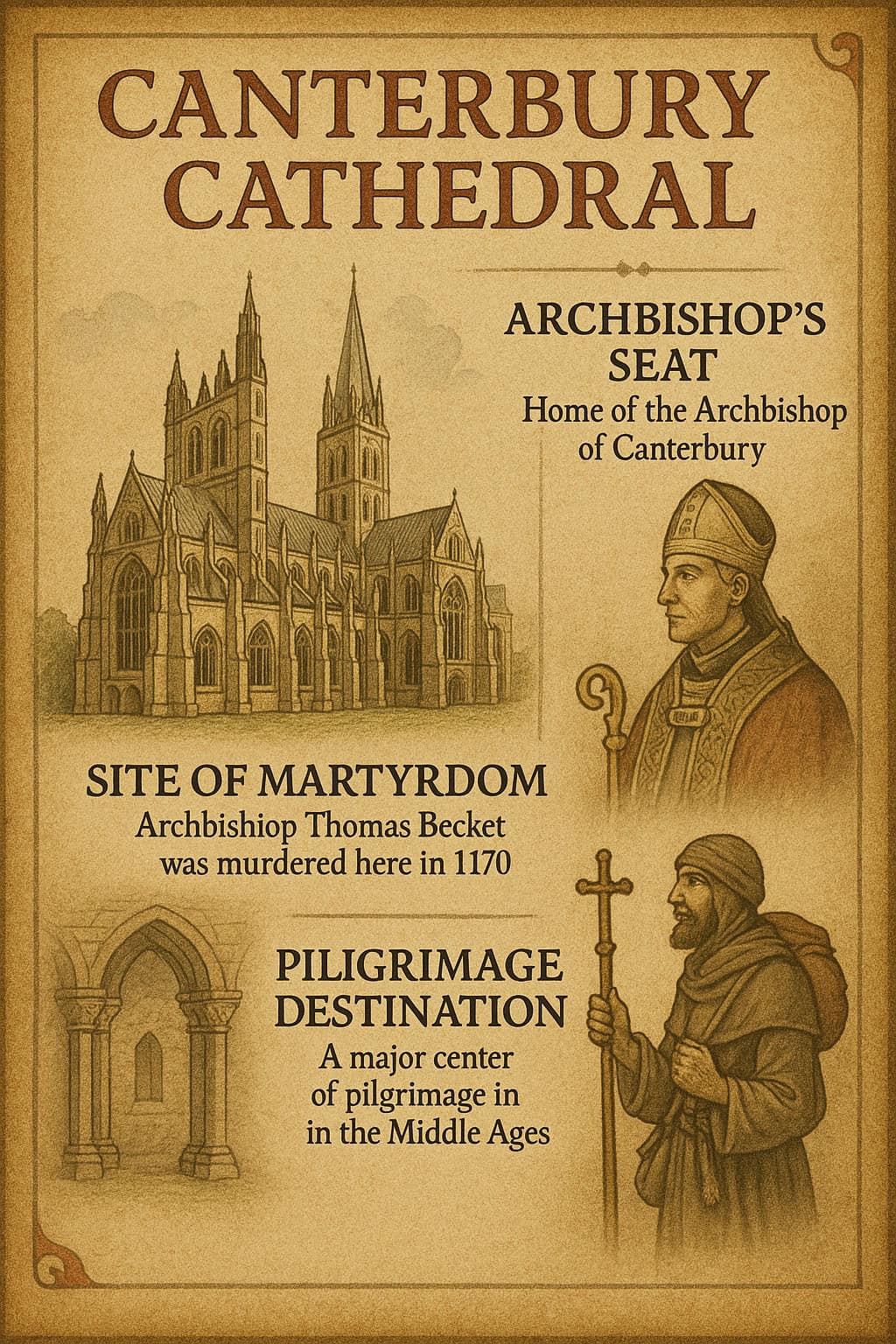
Medieval builders in England used locally sourced limestone, sandstone, and timber. Craft guilds organized stonemasons, carpenters, and glassmakers who passed down trade secrets across generations. Each cathedral served not only as a place of worship but also as a center of art, learning, and community life. Their towers still dominate city skylines, reminders of an age when architecture was both sacred and civic pride.

🏰 Castles and Secular Architecture
While churches symbolized faith, castles embodied power. The medieval castle was both a home and fortress—an architectural expression of feudal authority. Early castles, made of timber, quickly gave way to massive stone keeps capable of withstanding sieges. These structures evolved from simple square towers into complex networks of walls, moats, gatehouses, and drawbridges.
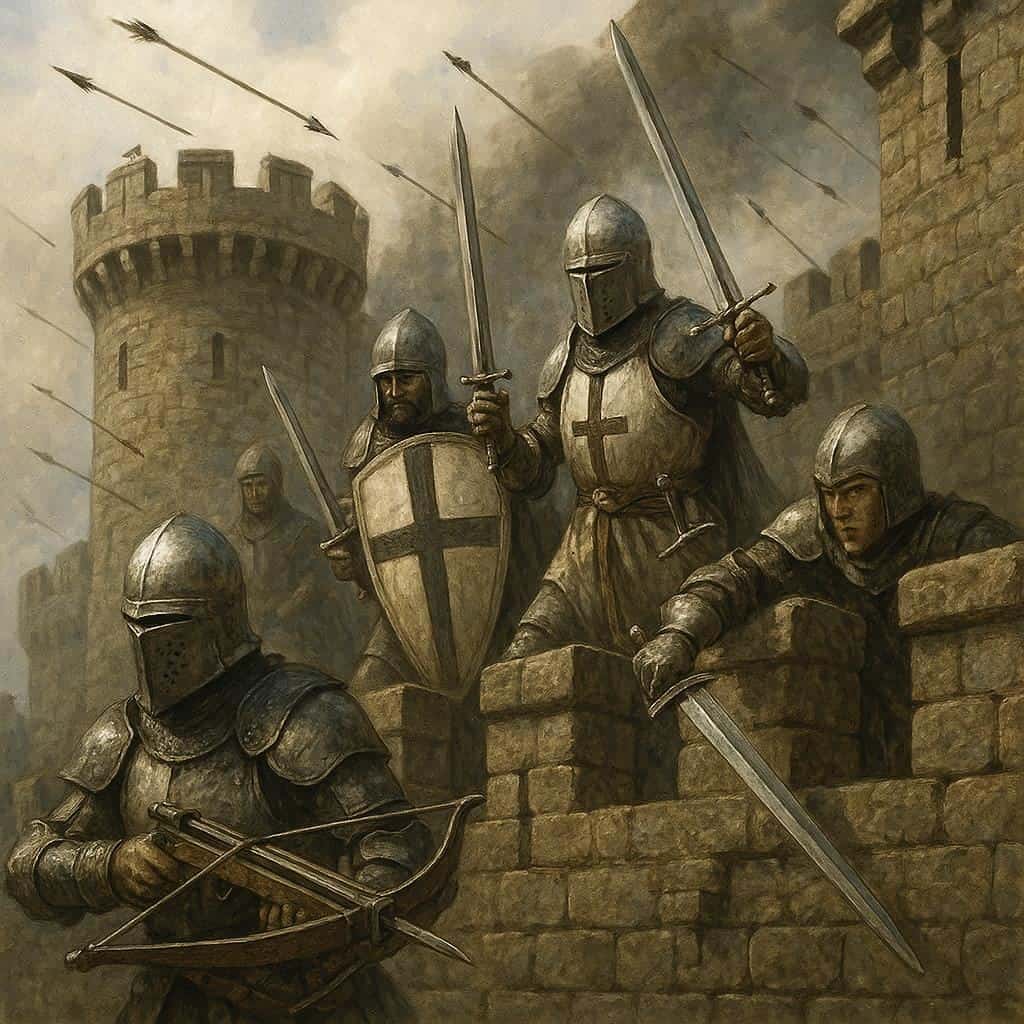
By the 12th century, every region of Europe boasted distinctive fortification styles. In France, Château Gaillard demonstrated the military genius of Richard the Lionheart. In Wales, the concentric castles of Edward I—like Conwy and Caernarfon—combined beauty with impregnable design. Castle Vitré in Brittany, begun in the 11th century, still preserves its Romanesque doorway and is among the oldest surviving examples of feudal architecture.

Even town walls and bridges followed defensive logic. Yet within castle walls, architecture slowly became more domestic. Great halls, chapels, and gardens replaced stark interiors, mirroring a shift from survival to status and comfort.
🏛️ Byzantine Architecture: East of the West
While Western Europe developed Romanesque and Gothic forms, the Byzantine Empire followed a different path. Centered in Constantinople, Byzantine architecture fused Roman engineering with Eastern spirituality. Builders favored domes, geometric plans, and mosaics shimmering with gold and colored glass. Interiors glowed with sacred light, symbolizing heaven on earth.

The most iconic structure of all, the Hagia Sophia, was commissioned by Emperor Justinian I in 537 AD. Its enormous central dome—seemingly suspended by light—was a marvel of mathematics and faith. The design inspired countless churches and later mosques, influencing architecture from Greece to Persia and beyond.
Byzantine churches often employed the Greek cross plan, with equal-length arms and domes over each section. Ornamentation emphasized divine mystery rather than earthly realism. While the West reached upward, Byzantium sought the infinite within geometry and gold.
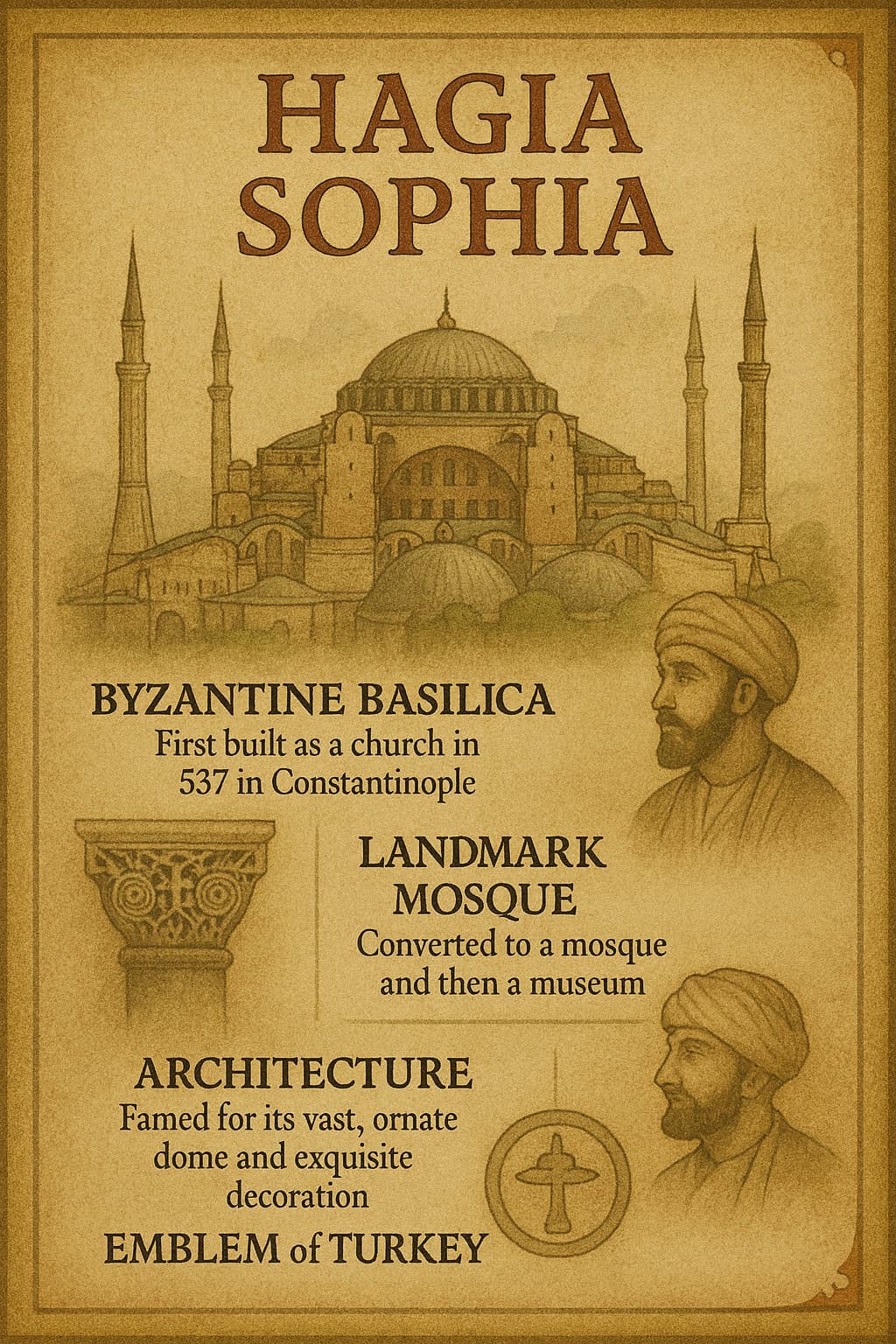
💡 Did You Know? The Hagia Sophia’s dome was rebuilt several times after earthquakes, yet its core design from the 6th century still inspires modern engineers studying load distribution and tension.
🏡 Later Developments: Tudor and Elizabethan Styles
By the late Middle Ages, as warfare declined and peace returned, architecture shifted from defense to display. The Tudor style of the 15th and 16th centuries marked the final flowering of medieval design in England. Stone and half-timbered houses replaced castles, adorned with ornate chimneys, gables, and four-centered Tudor arches. Wealthy nobles built grand manor houses like Hampton Court Palace and Hever Castle, emphasizing luxury over protection.
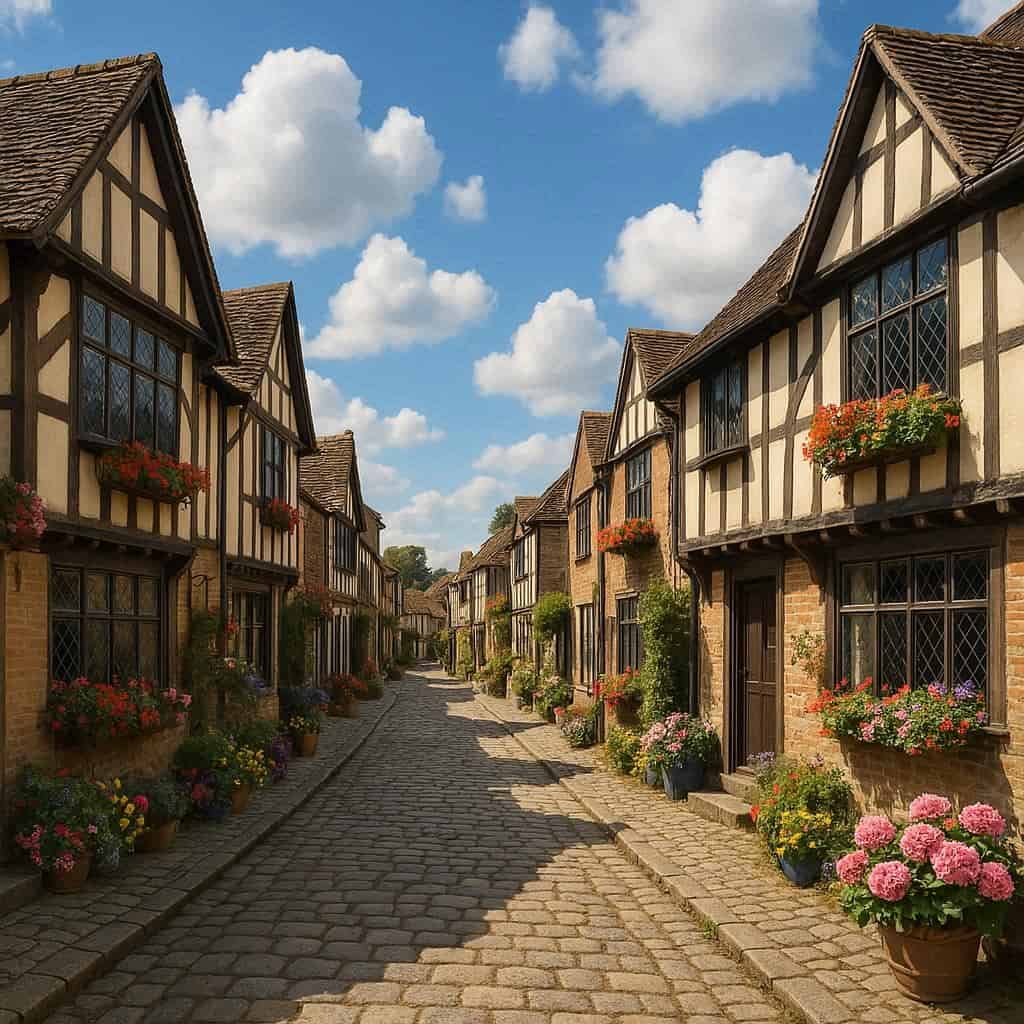
Under Queen Elizabeth I, the Elizabethan style introduced Renaissance influence—symmetry, proportion, and classical detailing. Buildings such as Hardwick Hall and the Royal Exchange in London showcased large windows, long galleries, and elaborate façades. Brickwork replaced timber for durability, signaling the transition from medieval craftsmanship to early modern design.

By this time, architecture had ceased to be purely functional; it was art, power, and heritage in stone. The medieval world’s lessons in structure, symbolism, and scale still echo through every church spire and castle ruin across Europe today.
Medieval architecture stands as one of the most enduring legacies of the Middle Ages, blending practical defense, religious devotion, and artistic innovation. From the massive stone castles built to withstand sieges, to the awe-inspiring Gothic cathedrals with their pointed arches and stained-glass windows, these structures tell the story of a society balancing war, faith, and community life. Everyday buildings—such as timber-framed homes, bridges, and town halls—also reveal how medieval people lived, worked, and worshipped. By exploring the key styles, methods, and purposes of medieval construction, we gain a window into the ingenuity and resilience of the past.
📜 Glossary of Key Medieval Architectural Terms
- Romanesque: Early medieval architecture with rounded arches, thick walls, and small windows.
- Gothic: A later medieval style featuring pointed arches, ribbed vaults, and flying buttresses.
- Buttress: A projecting support that strengthens a wall, allowing greater height.
- Vault: An arched ceiling or roof made of stone or brick.
- Tudor Arch: A flattened four-centered arch typical of Tudor England.
- Mosaic: Artwork made from small pieces of colored glass or stone, common in Byzantine churches.
❓ Medieval Architecture – Frequently Asked Questions
What defines medieval architecture?
**Medieval architecture** refers to the buildings constructed in Europe between the 5th and 15th centuries, characterised by stone construction, defensive features, and strong religious symbolism.
What were the main styles of medieval architecture?
The two main styles were **Romanesque architecture**, known for thick walls and rounded arches, and **Gothic architecture**, recognised for pointed arches, flying buttresses, and stained glass.
Why were castles such an important part of medieval architecture?
**Medieval castles** served as military fortresses, noble residences, and symbols of political power, designed to control territory and withstand sieges.
What role did religion play in medieval buildings?
Religion shaped nearly all major structures. **Cathedrals, abbeys, and churches** dominated towns and cities, reflecting the Church’s spiritual and social authority.
How were medieval buildings constructed without modern tools?
Builders relied on skilled stonemasons, simple machinery, scaffolding, and mathematical knowledge to create durable structures that have survived for centuries.
Why do medieval buildings still survive today?
The use of **stone construction**, thick walls, and careful craftsmanship allowed many medieval structures to endure weather, warfare, and time.
🧠 Medieval Architecture Knowledge Quiz
📜 Glossary of Medieval Architecture Terms
Castle
A fortified residence built for defense and control, typically occupied by a lord or noble family during the Middle Ages.
Cathedral
The principal church of a diocese, serving as the seat of a bishop and often built on a monumental scale.
Romanesque Architecture
An early medieval architectural style characterised by thick walls, rounded arches, small windows, and heavy stone construction.
Gothic Architecture
A later medieval style marked by pointed arches, ribbed vaults, flying buttresses, and large stained glass windows.
Flying Buttress
An external support structure that transferred the weight of a building outward, allowing walls to be thinner and taller.
Keep
The strongest and most secure part of a medieval castle, often serving as the last line of defense.
Guild Hall
A meeting place for craft or merchant guilds, used for regulation of trade, training, and sometimes defense.
Stained Glass
Coloured glass used in church windows to depict biblical stories and symbolise divine light.
📚 References & Further Reading
- Encyclopaedia Britannica – Western Architecture
- Metropolitan Museum of Art – Gothic Art and Architecture