Scholars, saints, philosophers, poets, and thinkers who shaped medieval Europe.
Throughout the Middle Ages, influential individuals across religion, scholarship, politics, literature, and early science played a vital role in shaping European thought, culture, and society. From theologians and philosophers to chroniclers, rulers, and scholars, these figures helped preserve knowledge, interpret the world through faith and reason, and lay the foundations for later intellectual movements. The following individuals represent some of the most significant contributors to the medieval intellectual world and its lasting legacy.
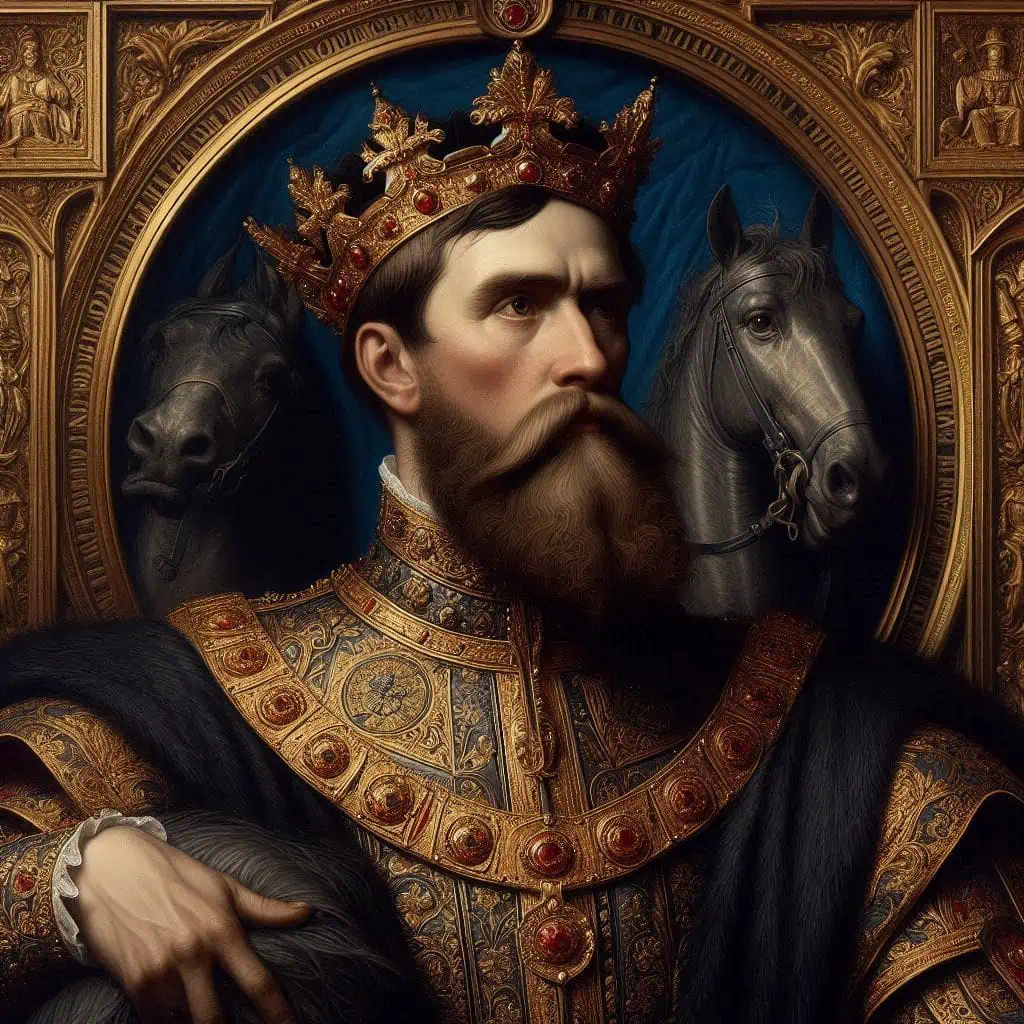
👑 Famous Medieval People
The Venerable Bede
An English monk and historian whose writings are essential for understanding early medieval England and Christian history.
Geoffrey Chaucer
A major medieval poet best known for The Canterbury Tales, which helped establish English as a respected literary language.
Thomas Aquinas
A theologian and philosopher who combined classical philosophy with Christian doctrine, shaping medieval and later Western thought.
Dante Alighieri
An Italian poet whose Divine Comedy is one of the most influential works of medieval European literature.
Johannes Gutenberg
The inventor of the movable-type printing press, revolutionising communication and the spread of knowledge in late medieval Europe.
William of Ockham
A philosopher known for Ockham’s Razor, a principle that influenced logic, science, and critical thinking.
Hildegard of Bingen
A medieval abbess, writer, and composer who contributed to theology, medicine, and music.
Medieval Kings and Queens
Rulers such as Charlemagne and Eleanor of Aquitaine shaped medieval politics, warfare, and cultural development.
Venerable Bede (672–735)
Historian • Monk • Scholar
The Venerable Bede was one of the greatest intellectuals of early medieval Europe. Living at the monastery of Monkwearmouth-Jarrow in Northumbria, he became a pioneering historian, theologian, and teacher.
Major Contributions
- Ecclesiastical History of the English People — the foundational text of early English history.
- Introduced BC/AD dating into widespread Western use.
- Wrote on science, poetry, grammar, theology, and chronology.
- His works circulated widely in the Carolingian Renaissance.
Bede’s scholarship earned him the title “Father of English History.”

Geoffrey Chaucer (1340–1400)
Poet • Diplomat • Father of English Literature
Geoffrey Chaucer transformed English literary culture during the late medieval period by choosing to write in Middle English rather than Latin or French.
Why Chaucer Is Important
- Author of The Canterbury Tales, a masterpiece of medieval storytelling.
- Helped establish English as a literary language.
- Explored social classes, religion, love, and morality with humour and realism.
- Held roles as courtier, diplomat, and civil servant.
Chaucer’s influence on later English writers cannot be overstated.

Geoffrey of Monmouth (c. 1095–1155)
Historian • Mythmaker • Architect of Arthurian Tradition
Geoffrey’s Historia Regum Britanniae (“History of the Kings of Britain”) shaped the medieval imagination for centuries.
Key Achievements
- Introduced King Arthur, Merlin, and many core Arthurian legends into mainstream storytelling.
- Provided a pseudo-historical narrative of early Britain that influenced medieval identity.
- His work was treated as factual history until the 16th century.
Without Geoffrey, the Arthurian legend would not exist in the form we know today.
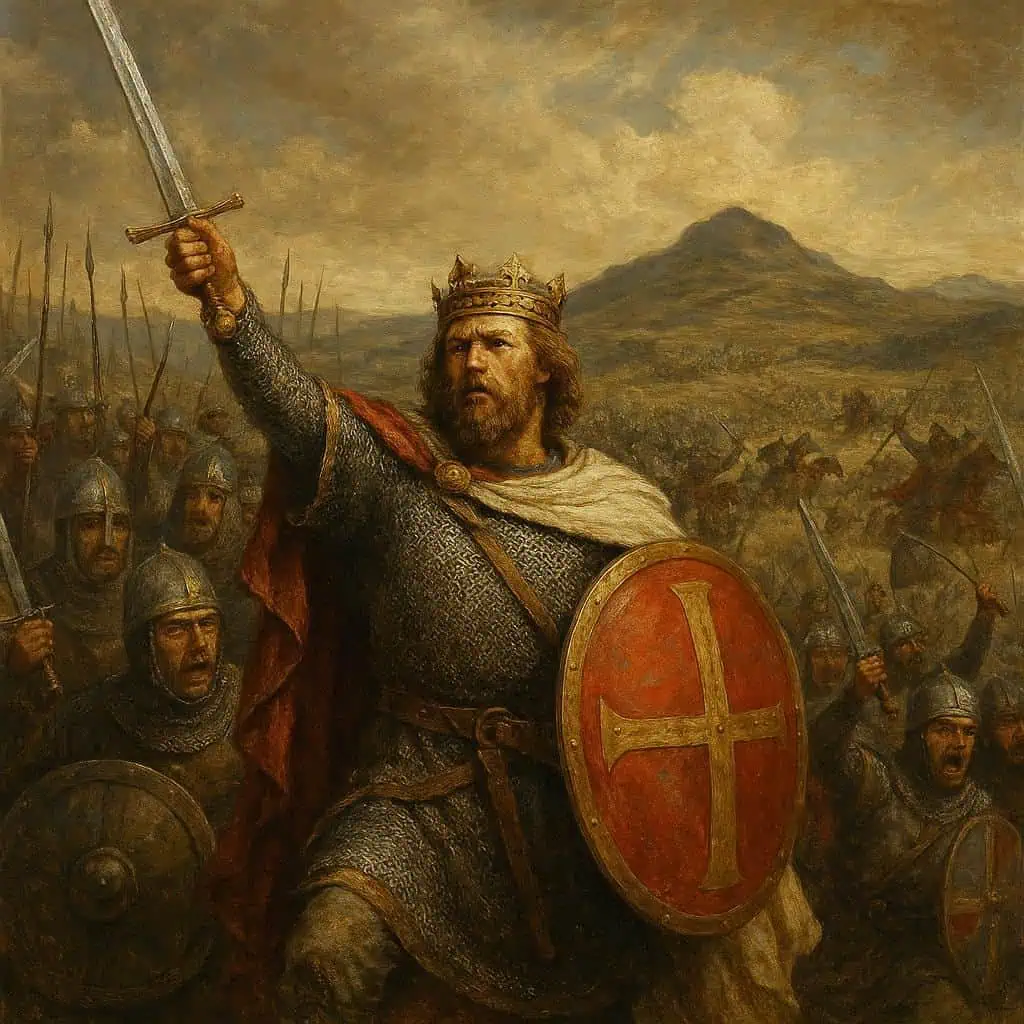
Thomas Aquinas (1225–1274)
Philosopher • Theologian • Scholastic Master
Thomas Aquinas is one of the most influential thinkers in Western philosophy and theology.
His Intellectual Legacy
- Synthesised Aristotelian philosophy with Christian theology.
- Authored Summa Theologica, a monumental work examining ethics, metaphysics, and God.
- His writing helped define Catholic doctrine for centuries.
- Inspired later debates in natural law, politics, and ethics.
Aquinas remains central to philosophical and theological study today.

Thomas Becket (c. 1120–1170)
Archbishop • Martyr • Symbol of Church vs. Crown
Becket’s dramatic conflict with King Henry II over the authority of the Church ended in his assassination in Canterbury Cathedral.
Historical Significance
- Represented the power struggle between medieval monarchy and the Church.
- His martyrdom sparked a major pilgrimage movement.
- Became one of the most venerated saints in medieval Europe.
Becket’s story embodies the tension at the heart of medieval politics.
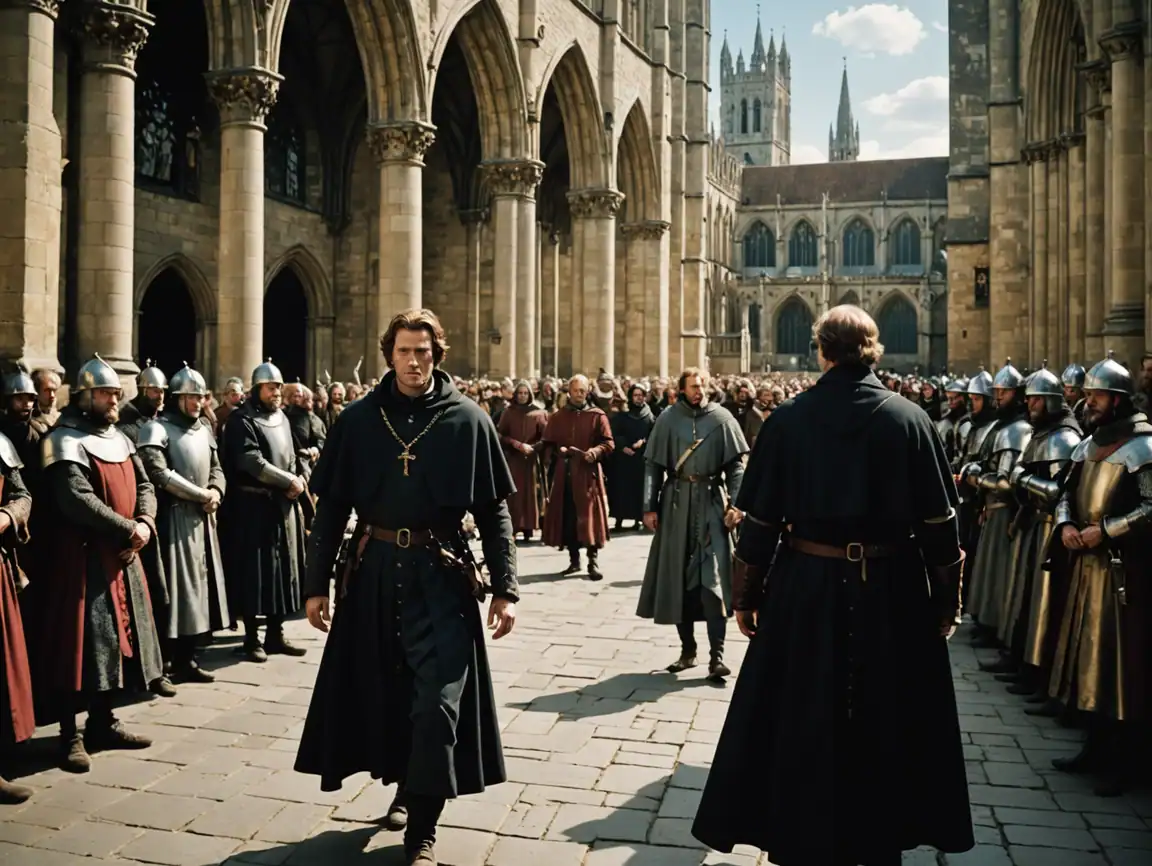
Averroes (Ibn Rushd) (1126–1198)
Philosopher • Polymath • Islamic Scholar
Averroes lived in Al-Andalus (Islamic Spain) and became the most celebrated commentator on Aristotle in the medieval world.
His Achievements
- Produced comprehensive commentaries on Aristotle that later influenced European thought.
- Wrote on medicine, astronomy, law, music theory, and psychology.
- Helped reintroduce Greek philosophy to Western Europe.
- Influenced medieval thinkers such as Thomas Aquinas.
Averroes bridges the intellectual worlds of the Islamic Golden Age and medieval Europe.
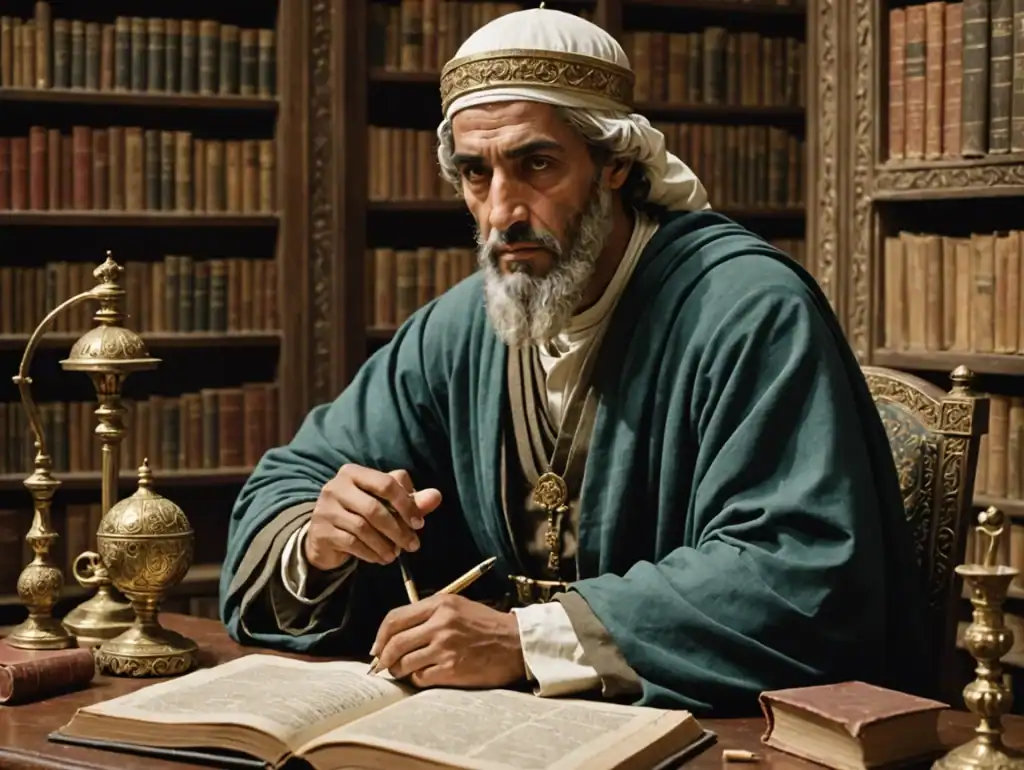
Averroes (Ibn Rushd) (1126–1198)
Composer • Poet • Master of Ars Nova
Machaut was one of the most innovative musicians of the 14th century.
Key Contributions
- Leading figure of the Ars Nova movement in France.
- Expanded secular musical forms such as the rondeau, virelai, and motet.
- Composed the Messe de Notre Dame, the first complete mass by a single composer.
His work shaped medieval and early Renaissance music.

William of Ockham (c. 1287–1347)
Philosopher • Logician • Father of Nominalism
Ockham was a Franciscan thinker whose ideas reshaped medieval philosophy.
Famous For
- The principle known as Ockham’s Razor — “the simplest explanation is usually the best.”
- Groundbreaking work in logic, political theory, and epistemology.
- Critiques of papal authority.
Ockham remains a foundational thinker in Western philosophy.
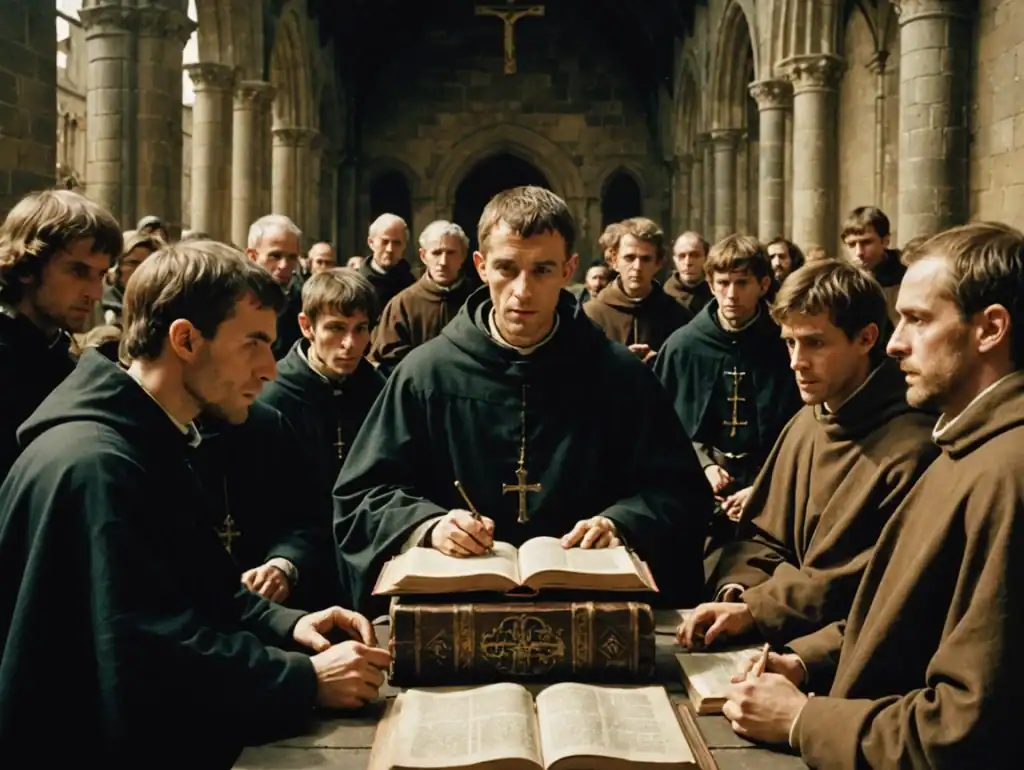
Regiomontanus (1436–1476)
Astronomer • Mathematician • Early Scientific Thinker
Regiomontanus helped lay the foundations for Renaissance astronomy.
Major Achievements
- Authored Ephemerides (1474), vital tables for navigation.
- Influenced explorers such as Christopher Columbus.
- Advanced mathematical astronomy in the final phase of the medieval period.

Famous Renaissance & Early Modern Figures (1300–1600)
Humanists, inventors, scholars, and artists who helped launch the modern world.
While overlapping chronologically with late medieval figures, these individuals embody Renaissance humanism, scientific inquiry, and artistic innovation.
Petrarch (1304–1374)
Poet • Scholar • Father of Humanism
Petrarch initiated the Renaissance intellectual movement.
Key Achievements
- Rediscovered and preserved classical Latin literature.
- Promoted humanism — a focus on human potential and classical learning.
- His Italian sonnets shaped European poetry.
He marks the true beginning of the Renaissance.

Giovanni Boccaccio (1313–1375)
Humanist • Author • Pioneer of Italian Literature
Boccaccio’s works deeply influenced Renaissance storytelling.
Major Contributions
- Author of The Decameron, a masterpiece of prose literature.
- Promoted classical revival and humanist scholarship.
- Helped shape Italian prose and narrative structure.

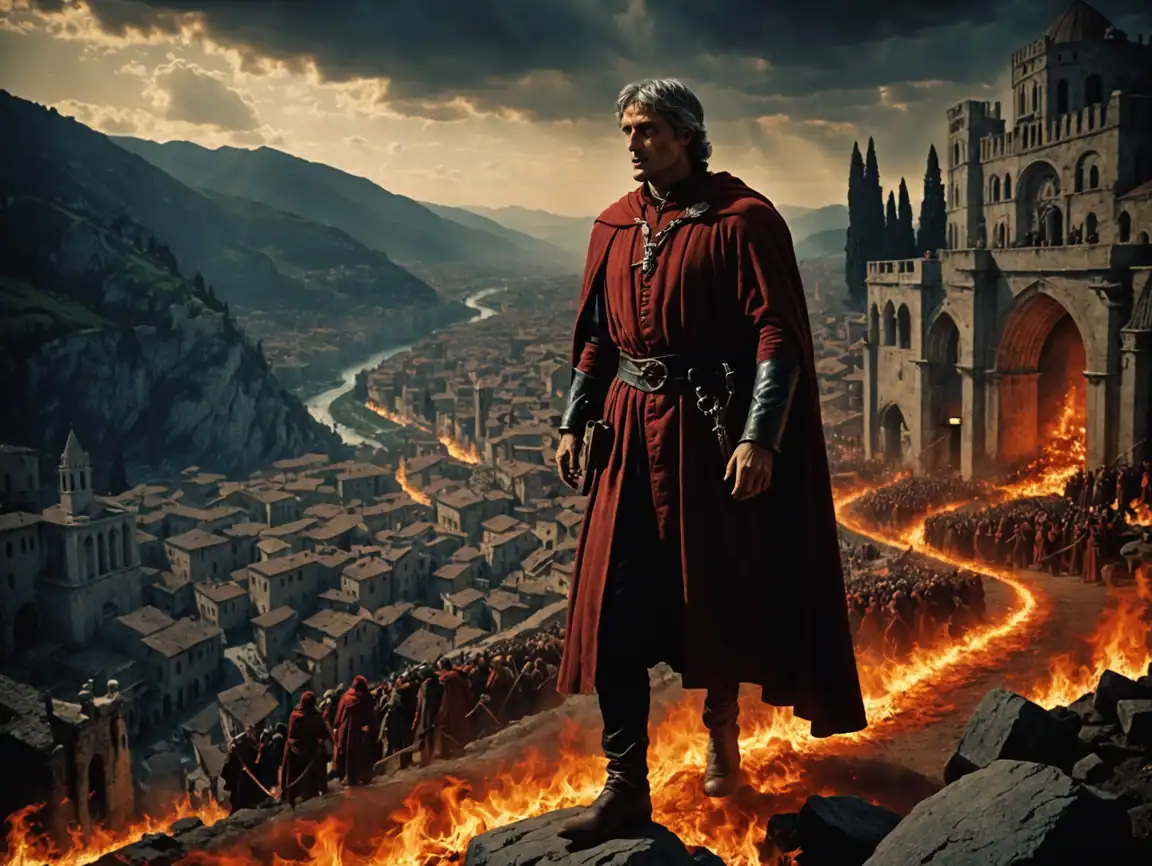
Dante Alighieri (c. 1265–1321)
Poet • Philosopher • Transitional Figure
Although medieval in worldview, Dante’s works foreshadow Renaissance humanism.
Why Dante Matters
- Author of The Divine Comedy, one of the greatest poems ever written.
- Chose to write in Italian, helping form the modern Italian language.
- Blended medieval theology with early humanist ideas.
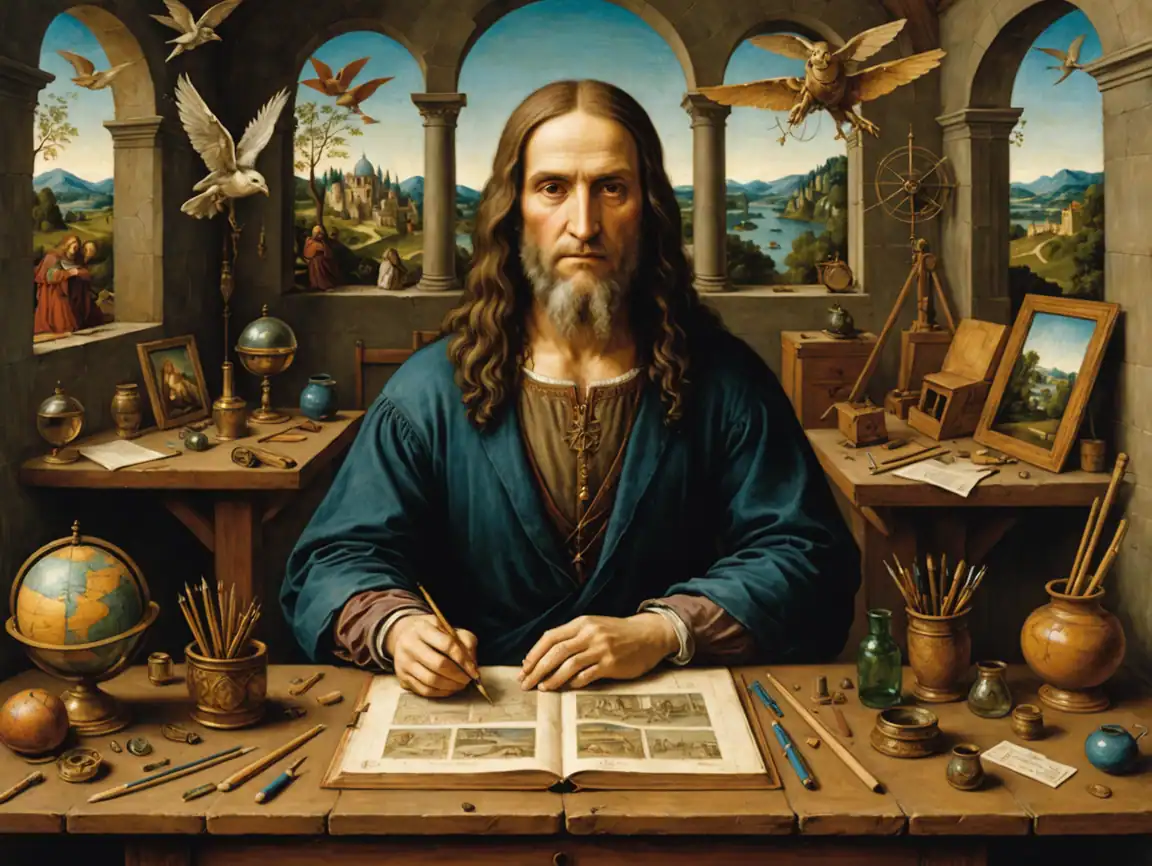
Leonardo da Vinci (1452–1519)
Artist • Inventor • Anatomist • Polymath
Leonardo represents the height of Renaissance genius.
His Mastery Includes
- Painting: Mona Lisa, The Last Supper
- Engineering: designs for flying machines, helicopters, military devices
- Anatomy: detailed studies of the human body
- Architecture, botany, geology, cartography
He stands as the ultimate Renaissance universal mind.
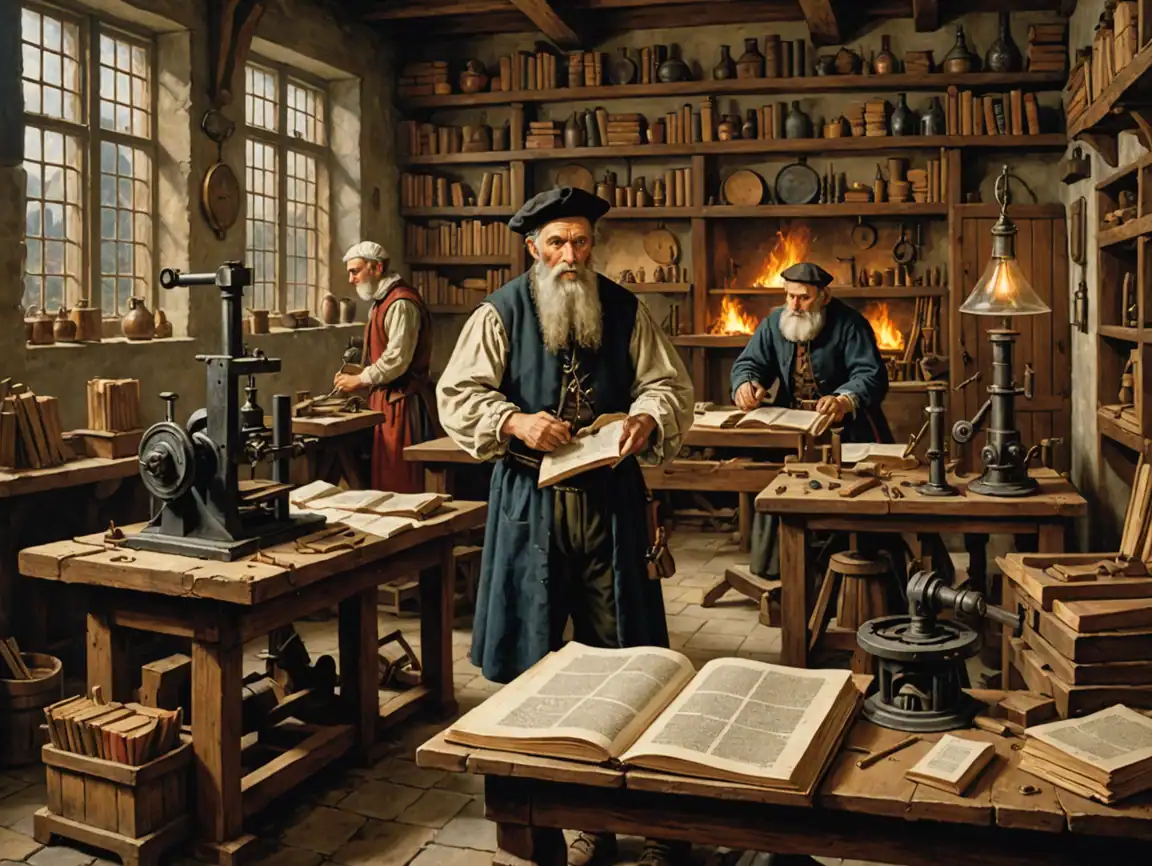
Johannes Gutenberg (c. 1400–1468)
Inventor • Printer • Pioneer of Mass Communication
Gutenberg revolutionized the world by inventing movable-type printing.
Why His Innovation Matters
- Enabled mass production of books.
- Lowered cost of literacy.
- Powered the spread of Renaissance ideas, science, and religion.
- Paved the way for the Reformation and Scientific Revolution.
Francis Bacon (1561–1626)
Philosopher • Scientist • Father of the Scientific Method
Bacon belongs firmly to the early modern era, not the Middle Ages.
Key Legacies
- Developed empiricism and inductive reasoning.
- Laid the foundation for modern scientific inquiry.
- Wrote the influential Novum Organum.
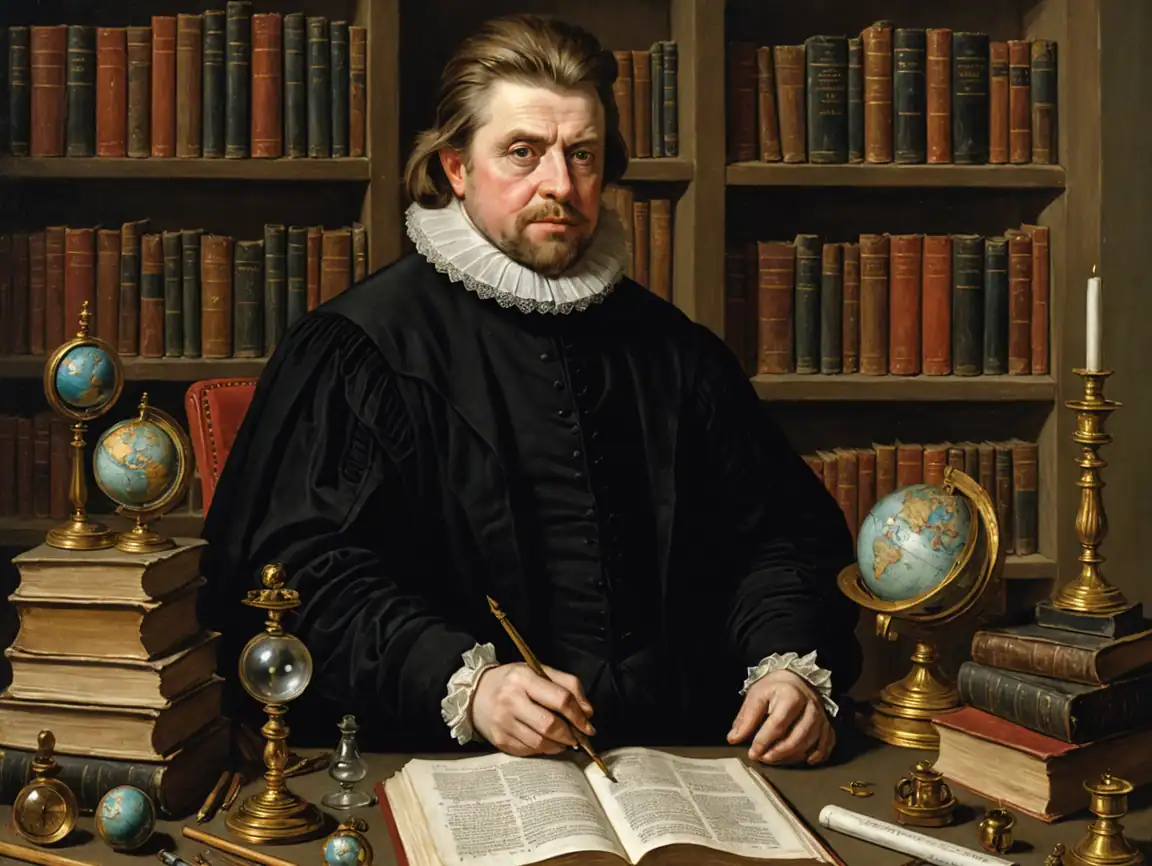
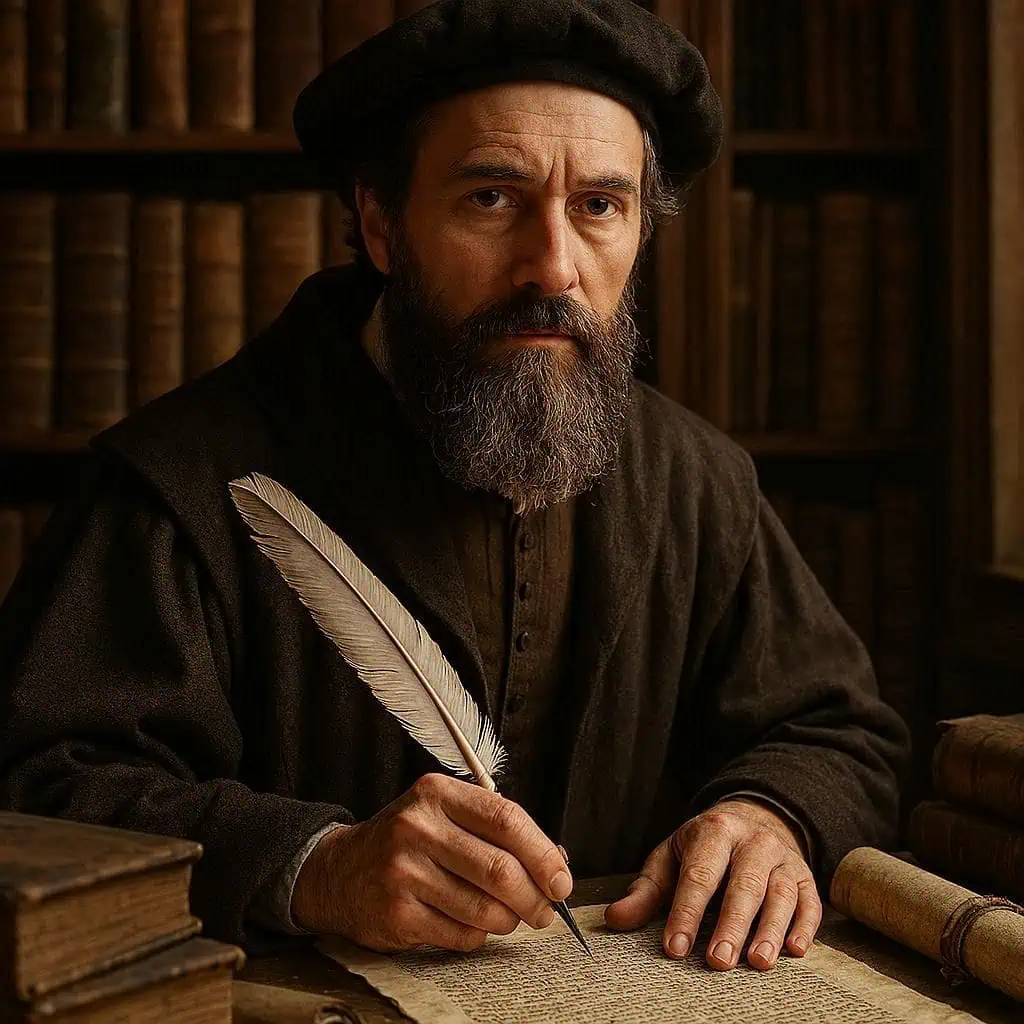
Raphael Holinshed (c. 1525–1582)
Chronicler • Historian • Source for Shakespeare
Holinshed’s Chronicles shaped early modern literature.
Significance
- Provided historical material for Shakespeare, including Macbeth, King Lear, and Cymbeline.
- Influenced English national identity during the Tudor era.
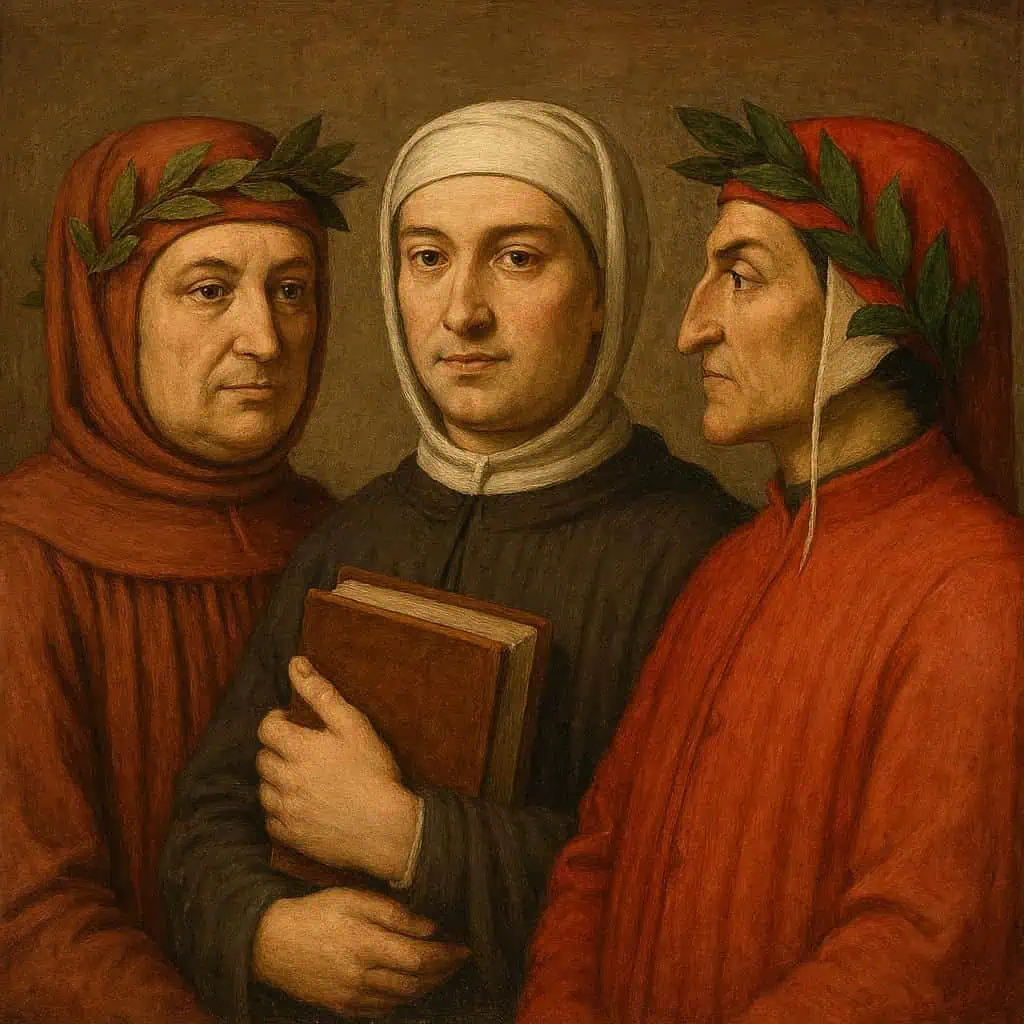
Petrarch, Boccaccio, and Dante as a Trio
Together, these authors:
- Revived classical antiquity
- Developed vernacular literature
- Set the stage for the Renaissance humanist movement
They form the backbone of early Renaissance culture.
The remarkable men and women of the medieval and Renaissance worlds shaped the foundations of modern thought, culture, religion, science, and literature. From the monastic scholarship of figures like Bede and the philosophical brilliance of Aquinas and Ockham, to the poetic mastery of Chaucer, Dante, and Boccaccio, the medieval period forged Europe’s intellectual identity.
The Renaissance then expanded these horizons through the humanist vision of Petrarch, the artistic genius of Leonardo da Vinci, and the technological revolution sparked by Gutenberg. Together, these thinkers, writers, saints, scientists, and innovators form a continuous chain of creativity and discovery. Their legacies endure not only in books and artworks but in the very structure of Western culture, reminding us that history is shaped not by eras alone but by the extraordinary individuals who illuminate them.
❓ Famous Medieval People – FAQs
Who were the famous medieval people discussed in this article?
They include scholars, saints, philosophers, poets, chroniclers, rulers, and early scientists such as the Venerable Bede, Geoffrey Chaucer, Thomas Aquinas, Dante Alighieri, Averroes, William of Ockham, and Johannes Gutenberg.
Why were religion and the Church so important to medieval figures?
The Church controlled education and literacy during the Middle Ages, allowing monks, clergy, and theologians to become the leading intellectuals of their time.
Were medieval thinkers opposed to science?
No. Many medieval scholars studied astronomy, medicine, mathematics, and natural philosophy, laying the groundwork for later scientific advances.
Why are poets like Chaucer and Dante considered important?
They elevated vernacular languages to serious literature, shaping European culture and influencing Renaissance humanism.
How did medieval thinkers influence the Renaissance?
Medieval scholars preserved classical knowledge and developed intellectual traditions that Renaissance humanists expanded and transformed.
Why do famous medieval people still matter today?
Their ideas shaped modern education, philosophy, science, literature, religion, and political thought, forming the foundations of Western culture.
🧠 Quiz: Famous Medieval People
Test your knowledge of medieval scholars, saints, poets, and thinkers featured in this article.
📜 Glossary of Medieval Figures & Ideas
Key terms, roles, and movements connected to the famous medieval people discussed in this article.
Scholasticism
A medieval system of learning that used logic and debate to reconcile Christian theology with classical philosophy, especially Aristotle.
Chronicler
A medieval historian who recorded events year by year, such as the authors of royal and monastic histories.
Natural Philosophy
The medieval study of nature, astronomy, and the physical world, forming the basis of later scientific inquiry.
Humanism
An intellectual movement emerging from the late Middle Ages that emphasised classical learning, literature, and human potential.
Vernacular Literature
Writing produced in local languages rather than Latin, pioneered by authors such as Chaucer, Dante, and Boccaccio.
Illuminated Manuscript
A hand-written medieval book decorated with gold leaf, colours, and illustrations, often created in monasteries.
Ockham’s Razor
A principle attributed to William of Ockham stating that the simplest explanation is usually the best.
Printing Press
A technology introduced by Johannes Gutenberg that revolutionised book production and the spread of knowledge in Europe.