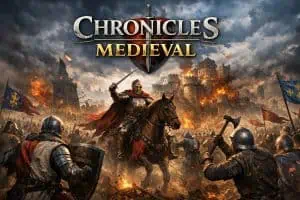
“Game of Thrones”, the groundbreaking television series adapted from George R.R. Martin’s acclaimed saga “A Song of Ice and Fire,” became a worldwide phenomenon upon its debut on HBO. Known for its intricate plots, complex characters, and medieval-inspired world, the series transported viewers into the brutal and unpredictable realms of Westeros and Essos. With its mix of fantasy, political intrigue, and epic battles, “Game of Thrones” redefined the possibilities of television storytelling, leaving behind a cultural legacy that continues to influence modern fantasy and pop culture.
Here are the top 10 reasons why “Game of Thrones” has achieved unprecedented popularity
1. Rich and Complex Characters
“Game of Thrones” is renowned for its multifaceted characters, each with intricate backstories, moral ambiguities, and unpredictable arcs. From noble houses to commoners, every character contributes to the vast tapestry of Westeros.

2. Political Intrigue and Power Struggles
– The series explores the ruthless pursuit of power and the political machinations of noble families vying for the Iron Throne. Intrigue, alliances, and betrayals create a dynamic and unpredictable narrative.

3. World-Building and Mythical Elements
George R.R. Martin’s meticulous world-building and incorporation of mythical elements, such as dragons and White Walkers, transport viewers to a fantastical medieval-inspired realm.
4. Unpredictable Plot Twists
“Game of Thrones” gained notoriety for its willingness to subvert traditional storytelling expectations. Shocking character deaths and unexpected plot twists kept audiences on the edge of their seats.
5. Cinematic Production Quality
The series set new standards for television production, boasting cinematic quality in terms of set design, costumes, special effects, and immersive landscapes.

6. Epic Battles and Warfare
Unforgettable battles, including the Battle of the Bastards and the Battle of Blackwater, showcased the series’ prowess in delivering visually stunning and emotionally charged war sequences.
7. Moral Ambiguity and Gray Characters
“Game of Thrones” is known for its portrayal of morally ambiguous characters, blurring the lines between heroes and villains. This complexity adds layers of realism to the narrative.
8. Character Development Over Time
Viewers witness significant character development over the course of the series, as characters evolve in response to the challenges and hardships they face.

9. Global Cultural Impact
The show’s global popularity and cultural impact transcended traditional television boundaries, making it a phenomenon discussed and celebrated worldwide.
10. Diversity and Representation
“Game of Thrones” introduced a diverse range of characters, including strong female leads, people of color, and characters from marginalized backgrounds, contributing to a more inclusive narrative.
In conclusion, the convergence of intricate storytelling, complex characters, political intrigue, and cinematic quality has propelled “Game of Thrones” to unparalleled heights of popularity.

Whether through the original books or the television adaptation, fans continue to be enthralled by the rich and unpredictable world of Westeros.
*Note: While the official site for “Game of Thrones” is provided, George R.R. Martin’s official site serves as a platform for the author and his works, including “A Song of Ice and Fire.”
🔥 Frequently Asked Questions about the Popularity of Game of Thrones
Why did Game of Thrones become so popular worldwide?
Its **complex characters, political intrigue, unpredictable storylines, and cinematic production quality** made it a global phenomenon.
Was the show faithful to George R.R. Martin’s books?
The early seasons closely followed the **“A Song of Ice and Fire”** novels, but later seasons diverged as the books were unfinished.
How did the show’s production values contribute to its success?
With **blockbuster-level budgets**, stunning sets, costumes, and CGI, the series felt more like a movie than a typical TV show.
What role did the unpredictability of the story play?
The frequent **plot twists and shocking character deaths** kept viewers engaged and constantly talking about the show.
Did historical events inspire Game of Thrones?
Yes — major storylines were influenced by events like the **Wars of the Roses** and medieval power struggles in Europe.
How important was the cast to the show’s success?
The **talented ensemble cast**, many of whom were relatively unknown before, gave the story depth and authenticity.
Why did the final season spark controversy?
Many fans felt the **ending was rushed**, with unsatisfying resolutions to key arcs, sparking debate despite the show’s popularity.