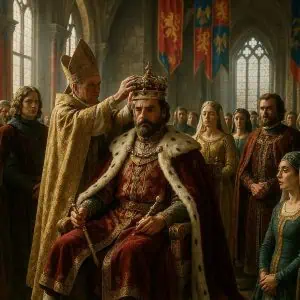
King Alfred the Great, ruler of Wessex in the 9th century, is remembered as one of England’s most legendary kings. Renowned for his defense against Viking invasions, legal and educational reforms, and visionary leadership, Alfred left a lasting impact on English history. From fostering literacy and learning to implementing justice systems and building fortifications, his reign combined wisdom, strategy, and resilience. Here are 10 fascinating facts that reveal the life, achievements, and enduring legacy of this iconic monarch.
Alfred the Great was one of the most important rulers of early medieval England, and his reign is part of the wider history of medieval kings and monarchs who shaped the Middle Ages.

“Alfred’s greatness lay not only in his military prowess but also in his commitment to the welfare of his people. His wise governance and the promotion of Anglo-Saxon culture laid the foundation for a unified England, earning him a place among the most revered rulers of the medieval period.”
Professor Thomas Anderson, Historian and Author of “Alfred the Great: Architect of a Nation.”
Let’s Delve into the captivating world of this influential monarch as we unravel ten fascinating facts that illuminate his life and the impact he had on English history.
1. Defending England
King Alfred the Great, who reigned from 871 to 899, successfully defended England against Viking invasions, earning him the title of “the Great.”
2. Educational Reforms
Alfred the Great was a staunch advocate for education and made significant efforts to promote learning. He established schools, encouraged the translation of important texts, and personally engaged in scholarly pursuits.
3. Anglo-Saxon Chronicle
Alfred initiated the compilation of the Anglo-Saxon Chronicle, a historical record that documented key events in England. This chronicle remains a valuable source of information about the early medieval period.
4. Legal Reforms
Alfred implemented legal reforms, issuing a code of laws known as the “Domboc” or “Doomsday Book.” These laws aimed to ensure justice, protect the rights of his subjects, and establish a fair and orderly society.
5. Naval Defense
Recognizing the importance of naval defense, Alfred established a fleet of ships to combat Viking incursions. He implemented innovative shipbuilding techniques and coastal defenses to protect England’s shores.
6. Promotion of English Language
Alfred promoted the use of English as a language of government and literature, ensuring its survival and development amid the dominance of Latin and Old Norse. He himself translated works into English and supported English-language literature.
7. Military Tactics and Fortifications
Alfred pioneered new military tactics, adapting to the Viking style of warfare. He also fortified strategic locations, constructing a network of burhs (fortified towns) to provide defense and act as centers of administration.
8. Patronage of Learning
Alfred was a patron of learning, inviting scholars from across Europe to his court and establishing a vibrant intellectual environment. His court became a center of cultural and scholarly exchange.
9. Agricultural Reforms
Alfred recognized the importance of agriculture and implemented agricultural reforms, promoting better land management practices and encouraging the cultivation of previously unused lands.
10. Legacy and Reputation
Alfred the Great’s reign left a lasting legacy. His efforts in defending England, promoting education, implementing legal reforms, and fostering cultural and intellectual pursuits earned him the admiration and respect of later generations. He is remembered as one of England’s most influential and beloved monarchs.
“King Alfred the Great was an exceptional leader whose vision and determination shaped the destiny of England. His efforts to promote learning and scholarship during a tumultuous era were truly transformative, leaving an enduring legacy that still resonates today.”
Dr. Eleanor Roberts, Medieval History Scholar.

These fascinating facts illuminate the achievements and contributions of King Alfred the Great, a visionary ruler who left an indelible mark on England.
His reforms, leadership, and commitment to learning helped shape the course of medieval England and solidify his place in history.
Alfred the Great | Great Books
“Alfred the Great: Asser’s Life of King Alfred and Other Contemporary Sources” translated by Simon Keynes and Michael Lapidge
This book compiles historical sources, including Asser’s biography, to provide a comprehensive understanding of Alfred’s life and reign.
“Alfred the Great: The Man Who Made England” by Justin Pollard
A compelling biography that delves into Alfred’s achievements as a military strategist, statesman, and cultural patron, shaping the course of English history.
“Alfred the Great: War, Kingship, and Culture in Anglo-Saxon England” by Richard P. Abels
This book examines Alfred’s reign in the context of the broader political, military, and cultural developments in Anglo-Saxon England.
“Alfred the Great: The King and His England” by Eleanor Shipley Duckett
A classic work that delves into Alfred’s character, reign, and impact on the development of England during the Viking Age.
“Alfred the Great: Asser’s Life of King Alfred Contemporary Sources” edited by Simon Keynes
A collection of primary sources and historical writings about Alfred, including Asser’s biography, offering a firsthand glimpse into his life and times.
These books provide diverse perspectives on King Alfred the Great and offer valuable insights into his contributions to the shaping of England’s history and identity.
📜 Frequently Asked Questions
Why is Alfred called “the Great”?
He earned the title due to his **military successes, wise governance**, and contributions to **education and law** in England.
What military victories is Alfred known for?
He successfully **defended Wessex against Viking invasions**, reorganized his army, and constructed **fortified towns and defenses**.
How did Alfred promote education?
Alfred encouraged **literacy and learning**, translated key **Latin texts into Old English**, and established schools for **clergy and nobles**.
What legal reforms did Alfred introduce?
He codified **laws combining Anglo-Saxon customs with Christian principles**, emphasizing **justice, fairness, and protection of the vulnerable**.
Did Alfred unify England?
While full unification occurred later, Alfred strengthened Wessex and promoted a **sense of English identity**, laying the groundwork for a united nation.
What were Alfred’s architectural achievements?
He established **burhs (fortified towns)** and improved defensive structures to protect his kingdom from Viking raids.
Why is studying Alfred important?
Studying Alfred provides insight into **medieval leadership, law, education**, and strategies for **defending and governing a kingdom** effectively.