
Medieval Times
Medieval Times
A medieval king was the central figurehead of the state during medieval times, holding a position that combined political power, military leadership, and religious symbolism. But the authority of a medieval king was far from consistent—depending on the era, geography, and influence of other powers like the Church.
🧐 Did you know?
Some medieval kings claimed their authority came directly from divine right — meaning their power was granted by God himself!

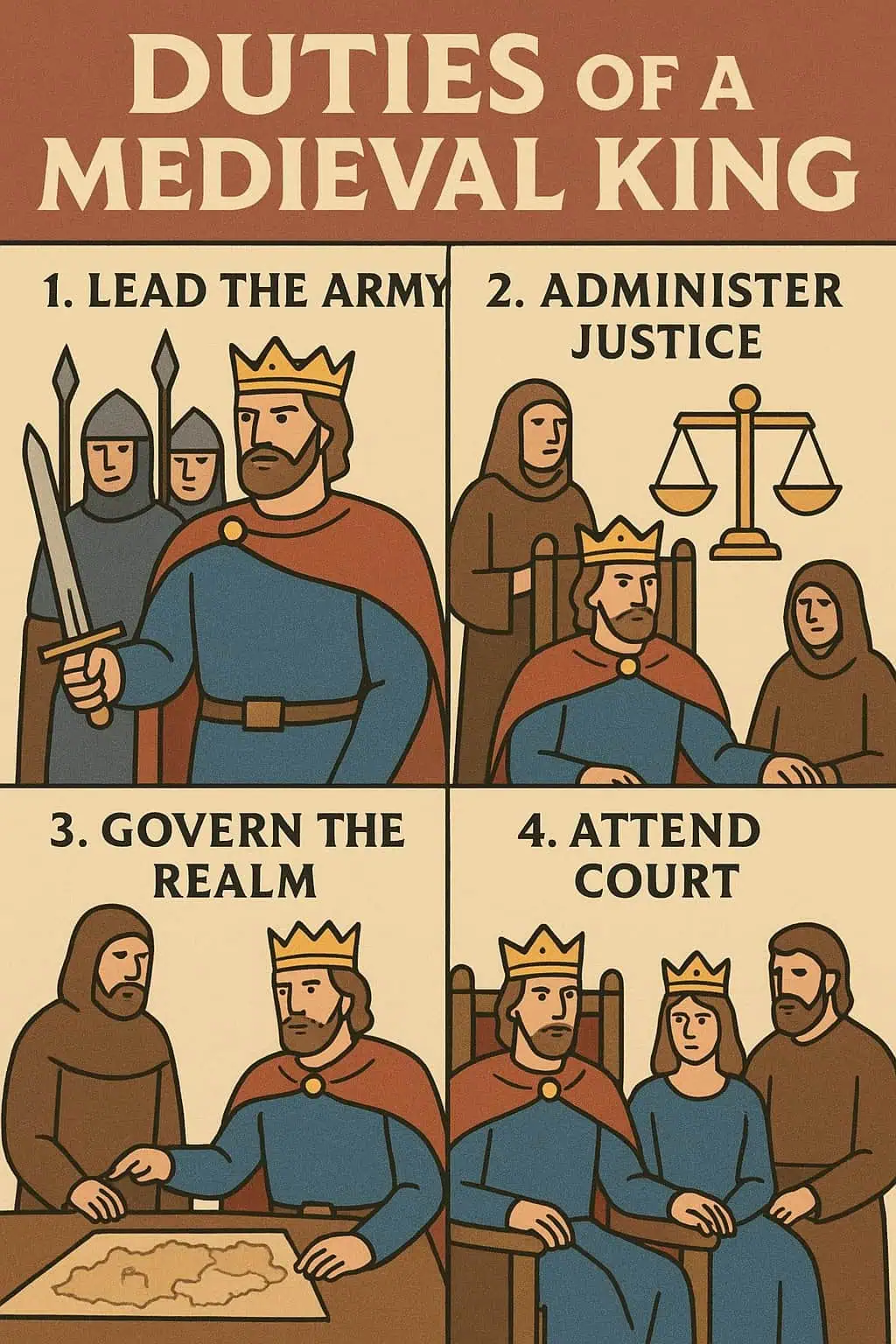
The daily routine of a medieval king was a balance of religious, administrative, and leisure activities:
🐎 Funny fact:
King Edward II of England was famously distracted by his favorite horse, reportedly letting it sleep in the royal bed chamber!
The responsibilities of a medieval king were numerous and often life-or-death:
🎯 Strange fact:
King Louis IX of France banned the use of chess at court because he believed it distracted knights from their duties!

Education was vital to prepare a king for leadership:
🦉 Interesting fact:
King Richard the Lionheart was fluent in French, English, Latin, and even spoke some Arabic due to his Crusades experience.
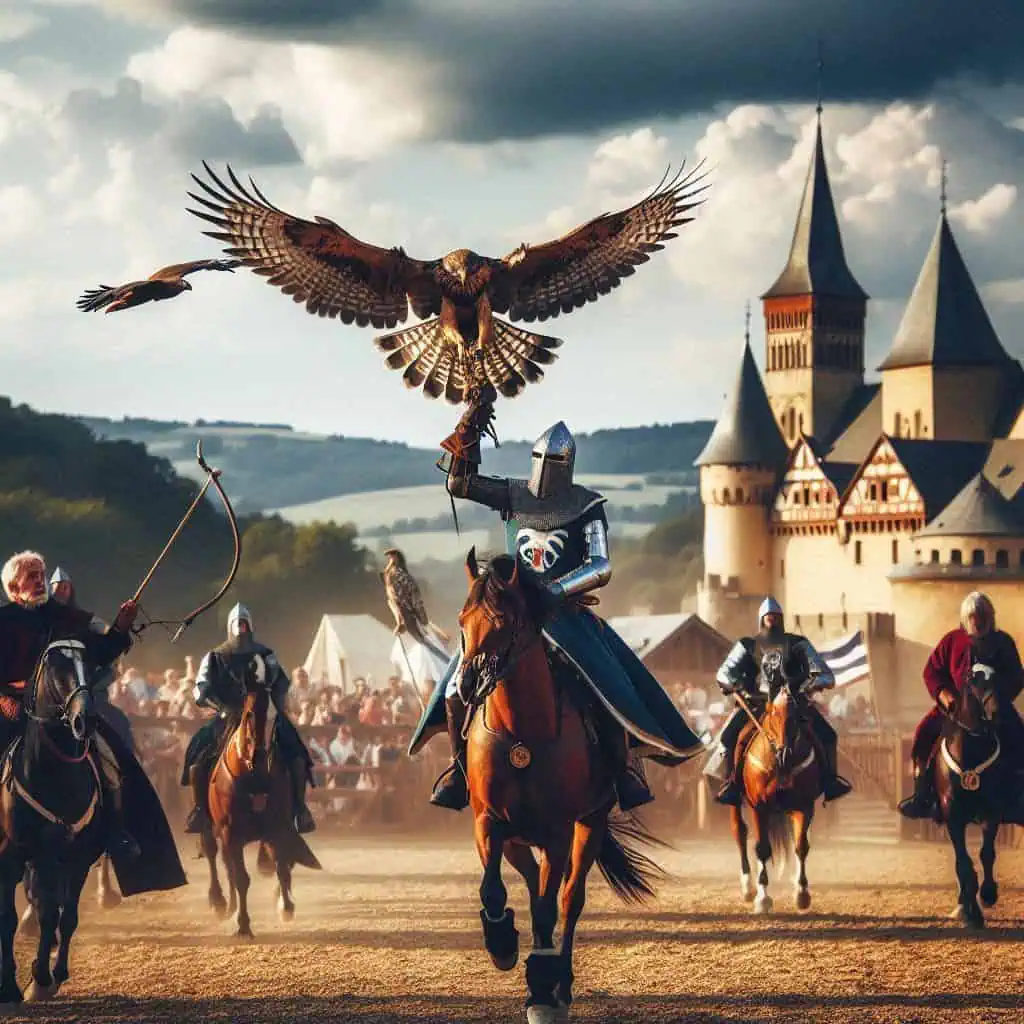
Medieval kings had diverse hobbies reflecting their status and skills:
🦅 Did you know?
King Henry VIII kept a collection of trained falcons and hawks for hunting and entertainment.
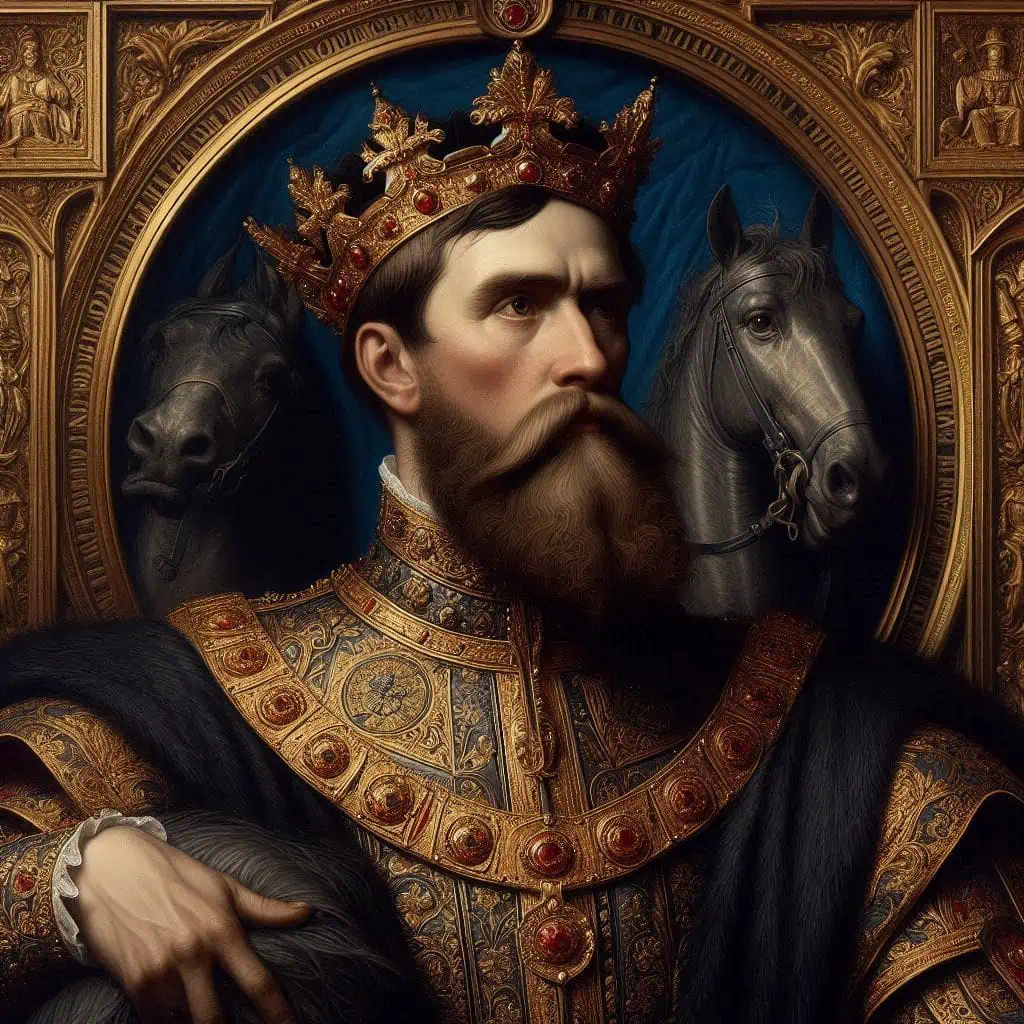
Royal fashion was a key symbol of status and power:
💎 Fun fact:
King Louis XIV of France popularized the wearing of red-heeled shoes as a symbol of royal privilege!
The medieval king was more than just a ruler — he was the embodiment of the kingdom’s strength and unity. Though often dependent on nobles and clergy, kings left a lasting legacy through:
The medieval king remains one of history’s most fascinating figures — a blend of warrior, ruler, and symbol of divine right.ved to distinguish him from other people.
The most powerful medieval king is often considered to be Charlemagne, who ruled the Holy Roman Empire and expanded his kingdom across much of Western Europe. His reign marked a golden age of military conquest, religious reform, and cultural revival.
A medieval king was responsible for defending the kingdom, enforcing laws, collecting taxes, and maintaining alliances with nobles and the Church. He also led the military in times of war and acted as the final authority in legal disputes.
Most medieval kings claimed power through hereditary succession, but they also reinforced their rule through military strength, alliances, and the concept of divine right—the belief that their authority came directly from God.
A medieval king’s clothing included rich fabrics like velvet, silk, and brocade, adorned with jewels, gold thread, and intricate embroidery. Their attire often featured long robes, crowns, and ornamental cloaks, symbolizing their status and authority.
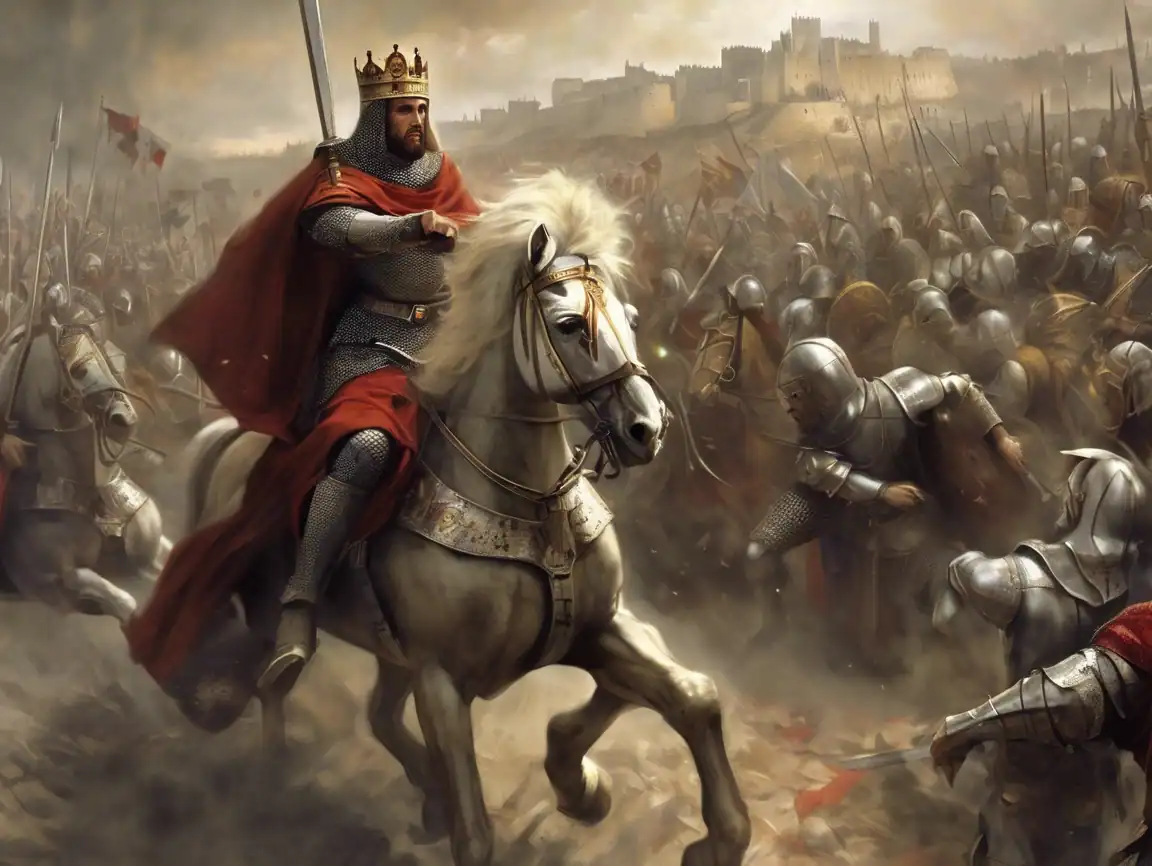
Yes, many medieval kings personally led their armies into battle or oversaw war efforts. War was a central part of medieval rule, and military leadership was considered a crucial trait for a successful king.
A medieval king was educated in Latin, history, religion, and the liberal arts, often by private tutors. He also trained in combat, horsemanship, hunting, and strategy to prepare for both governance and warfare.