In medieval times, when modern medicine was still in its infancy, people turned to nature for remedies to treat various ailments and promote well-being.
Herbs played a crucial role in medieval healthcare, offering a diverse array of healing properties and applications.
Let’s journey back in time to explore the top 10 herbs used in medieval times, their ingredients, and how they were used to address common health concerns.
1. Chamomile (Matricaria chamomilla)
Ingredients: Chamomile contains essential oils rich in anti-inflammatory and calming properties.
Uses: Chamomile was used to soothe digestive issues, alleviate anxiety, and promote relaxation. It was often consumed as a tea or applied topically in poultices to ease skin irritations and wounds.
2. Lavender (Lavandula angustifolia)
Ingredients: Lavender contains aromatic compounds with calming and antiseptic properties.
Uses: Lavender was prized for its ability to relieve headaches, promote sleep, and reduce stress. It was commonly used in sachets, oils, and teas for its aromatic and therapeutic benefits.
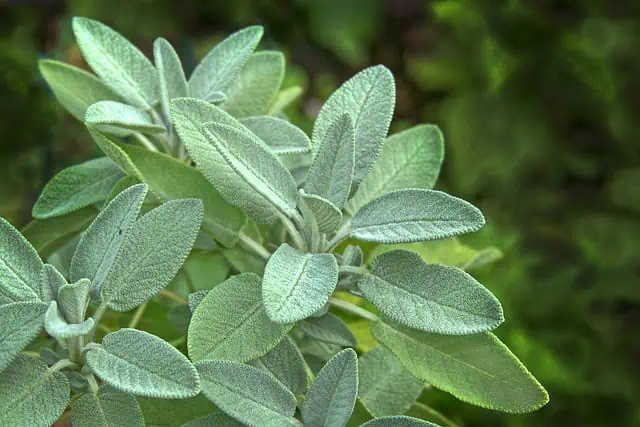
3. Sage (Salvia officinalis)
Ingredients: Sage contains compounds with antioxidant, anti-inflammatory, and antimicrobial properties.
Uses: Sage was utilized to treat sore throats, digestive issues, and respiratory ailments. It was often brewed into teas or used in gargles and mouthwashes for its antiseptic properties.
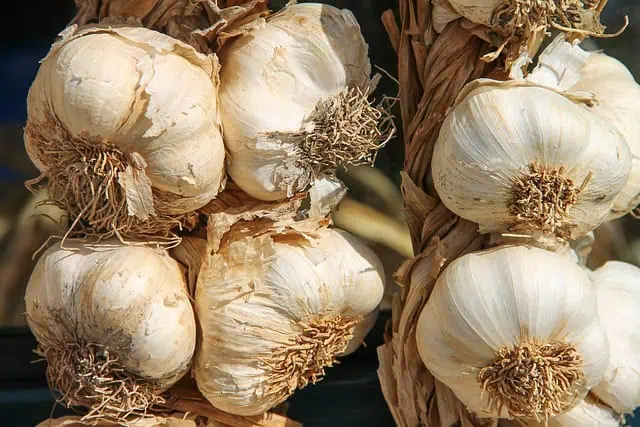
4. Garlic (Allium sativum)
Ingredients: Garlic is rich in allicin, a sulfur compound with potent antibacterial and antifungal properties.
Uses: Garlic was revered for its ability to boost the immune system, fight infections, and improve cardiovascular health. It was consumed raw, cooked, or incorporated into remedies to treat various infections and illnesses.
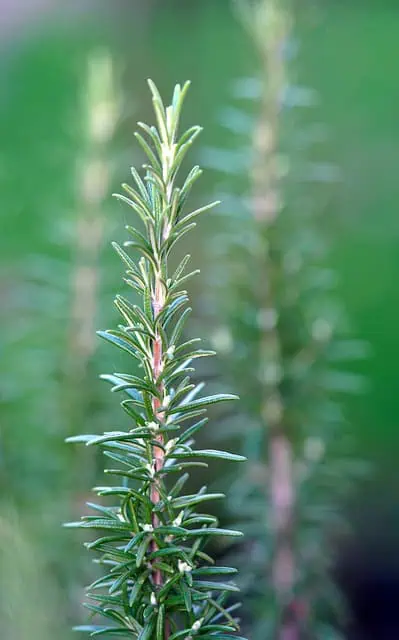
5. Rosemary (Rosmarinus officinalis)
Ingredients: Rosemary contains volatile oils with antimicrobial and antioxidant properties.
Uses: Rosemary was used to improve memory, stimulate circulation, and relieve muscle pain. It was often infused into oils, added to baths, or burned as incense for its aromatic and medicinal qualities.
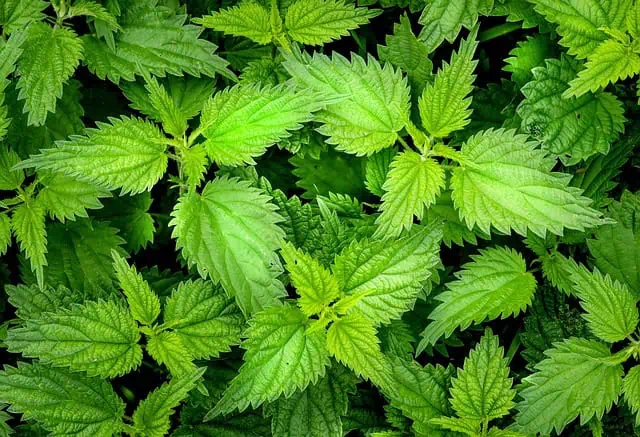
6. Nettle (Urtica dioica)
Ingredients: Nettle contains vitamins, minerals, and bioactive compounds with anti-inflammatory and diuretic properties.
Uses: Nettle was employed to treat arthritis, allergies, and urinary tract infections. It was brewed into teas, cooked as a vegetable, or used topically in poultices to alleviate joint pain and inflammation.
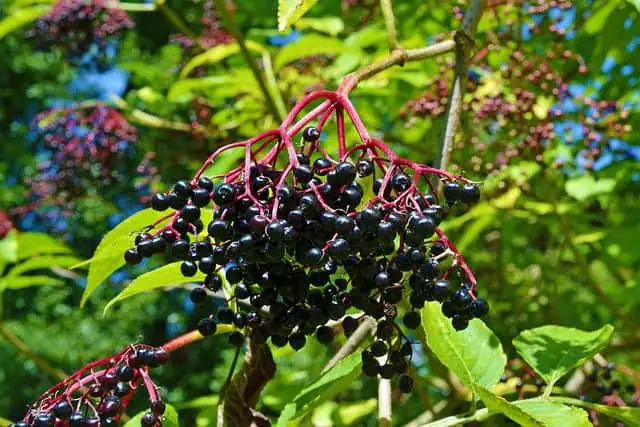
7. Elderberry (Sambucus nigra)
Ingredients: Elderberry is rich in antioxidants, vitamins, and flavonoids with immune-boosting properties.
Uses: Elderberry was valued for its ability to fight colds, flu, and respiratory infections. It was commonly consumed as a syrup, tea, or tonic to strengthen the immune system and alleviate symptoms of illness.
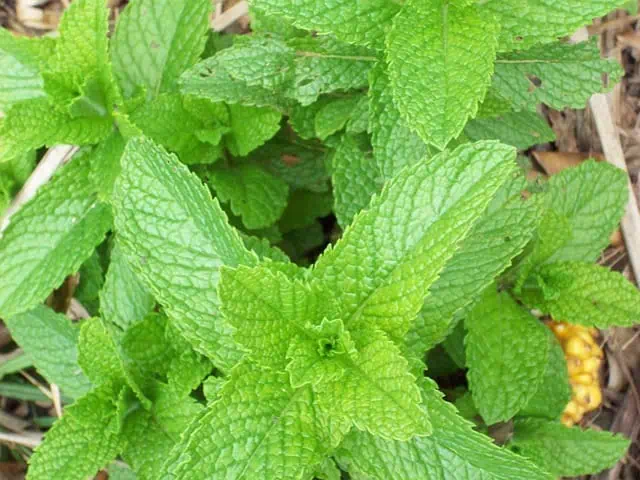
8. Mint (Mentha spp.)
Ingredients: Mint contains menthol and other volatile oils with digestive and analgesic properties.
Uses: Mint was used to relieve indigestion, nausea, and headaches. It was brewed into teas, added to foods, or applied topically in ointments and salves for its cooling and soothing effects.
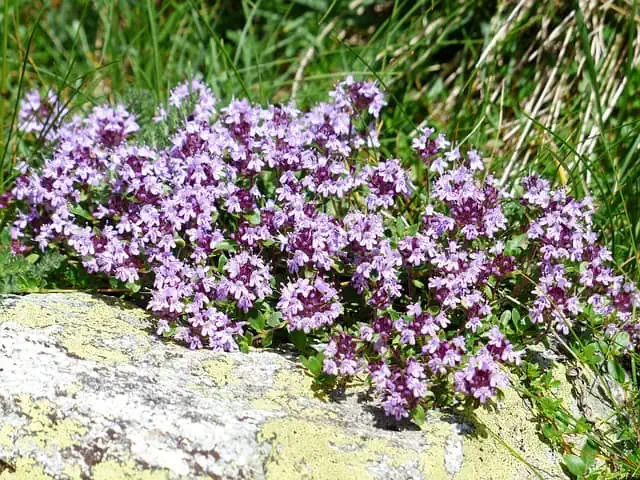
9. Thyme (Thymus vulgaris)
Ingredients: Thyme contains thymol, a compound with antiseptic and expectorant properties.
Uses: Thyme was employed to treat respiratory infections, coughs, and sore throats. It was infused into teas, used in steam inhalations, or added to baths to relieve congestion and promote respiratory health.
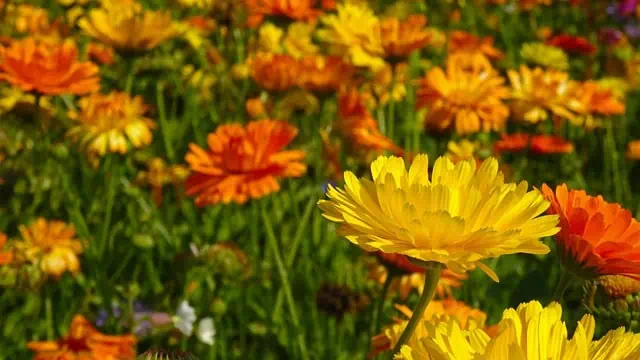
10. Marigold (Calendula officinalis)
Ingredients: Marigold contains flavonoids and volatile oils with anti-inflammatory and antimicrobial properties.
Uses: Marigold was used to heal wounds, soothe skin irritations, and reduce inflammation. It was applied topically in salves, ointments, and poultices to promote wound healing and skin health.
In medieval times, herbs were cherished for their healing properties and were integral to the practice of healthcare.
From soothing chamomile to immune-boosting elderberry, these top 10 herbs offered remedies for a wide range of ailments, providing comfort and relief to those in need.
While modern medicine has evolved, the legacy of these ancient remedies continues to inspire herbalists and health enthusiasts today.