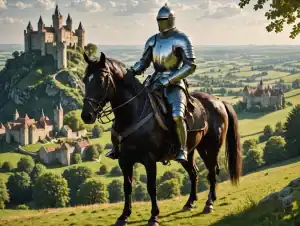
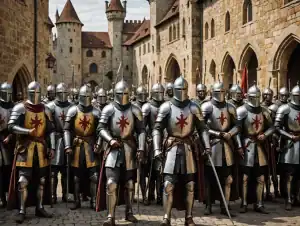
Knights were the backbone of medieval warfare and society. Beyond just riding into battle, they had a vast range of responsibilities — from serving their lords and kings, to defending the Church, to managing land and wealth. In this ultimate guide, we’ll explore the Top 30 duties and responsibilities of medieval knights, revealing that their lives were about much more than just fighting.
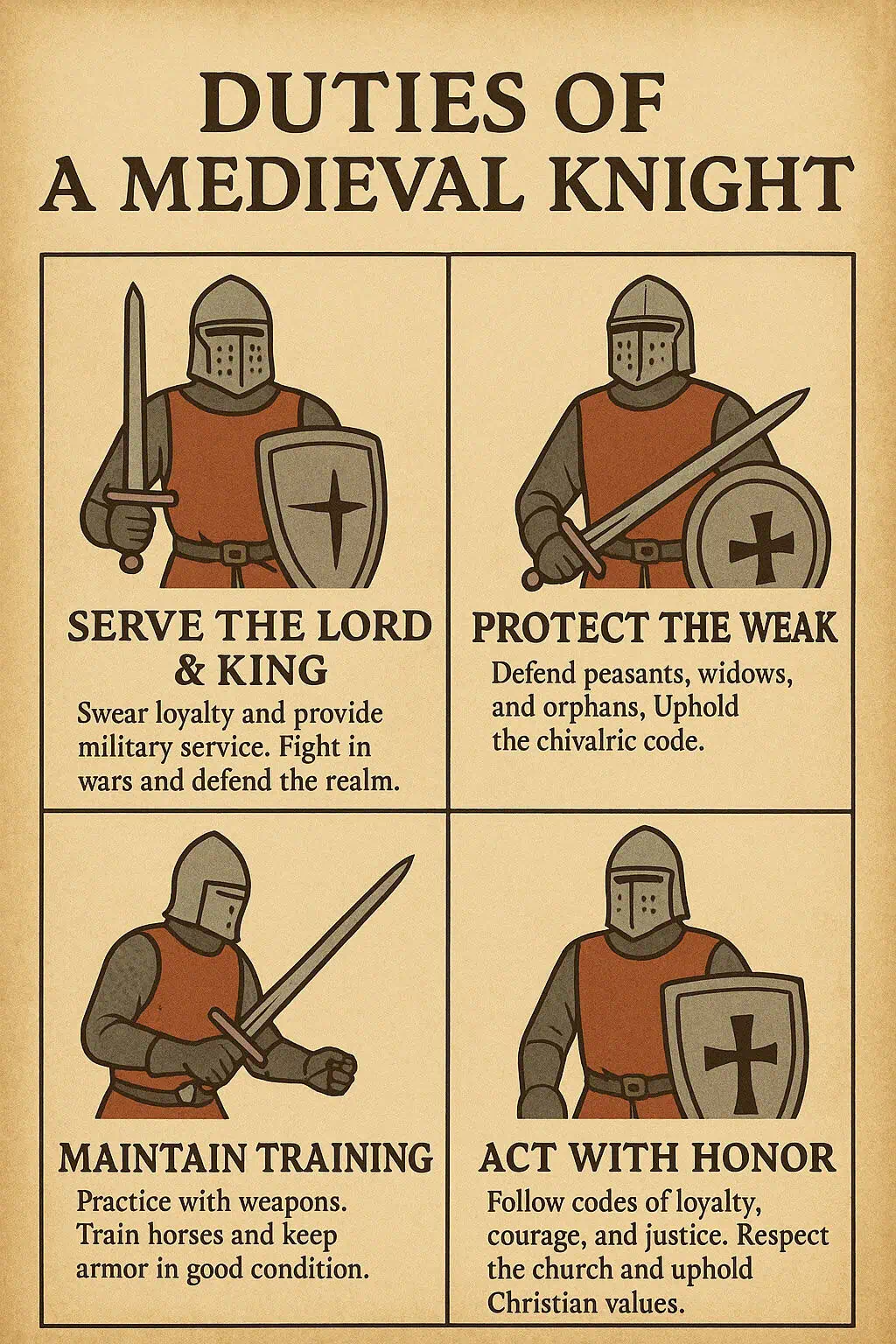
1. Military Service ⚔️
Knights pledged loyalty to their lords and were required to serve in wars, often leading cavalry charges.
2. Defending the Realm 🏰
They were the first line of defense against invasions, rebellions, and raiding armies.
3. Protecting the Church ✝️
Many knights swore oaths to defend Christianity and safeguard the clergy.
4. Enforcing Feudal Law 📜
Knights often helped lords enforce laws and maintain order on their estates.
5. Escorting Nobility 🚶♂️👑
They protected kings, queens, and nobles while traveling through dangerous lands.
6. Guarding Castles 🛡️
Knights defended fortresses, ensuring the security of their lord’s seat of power.
7. Managing Lands 🌾
Knights were sometimes granted estates and had to oversee farming and rent collection.
8. Collecting Taxes 💰
In service to their lords, knights ensured peasants paid dues and tributes.
9. Training for War 🐎
A knight’s life required constant training in horsemanship, weapons, and tactics.
10. Leading Men in Battle ⚔️👥
Knights commanded small groups of soldiers and were expected to inspire courage.
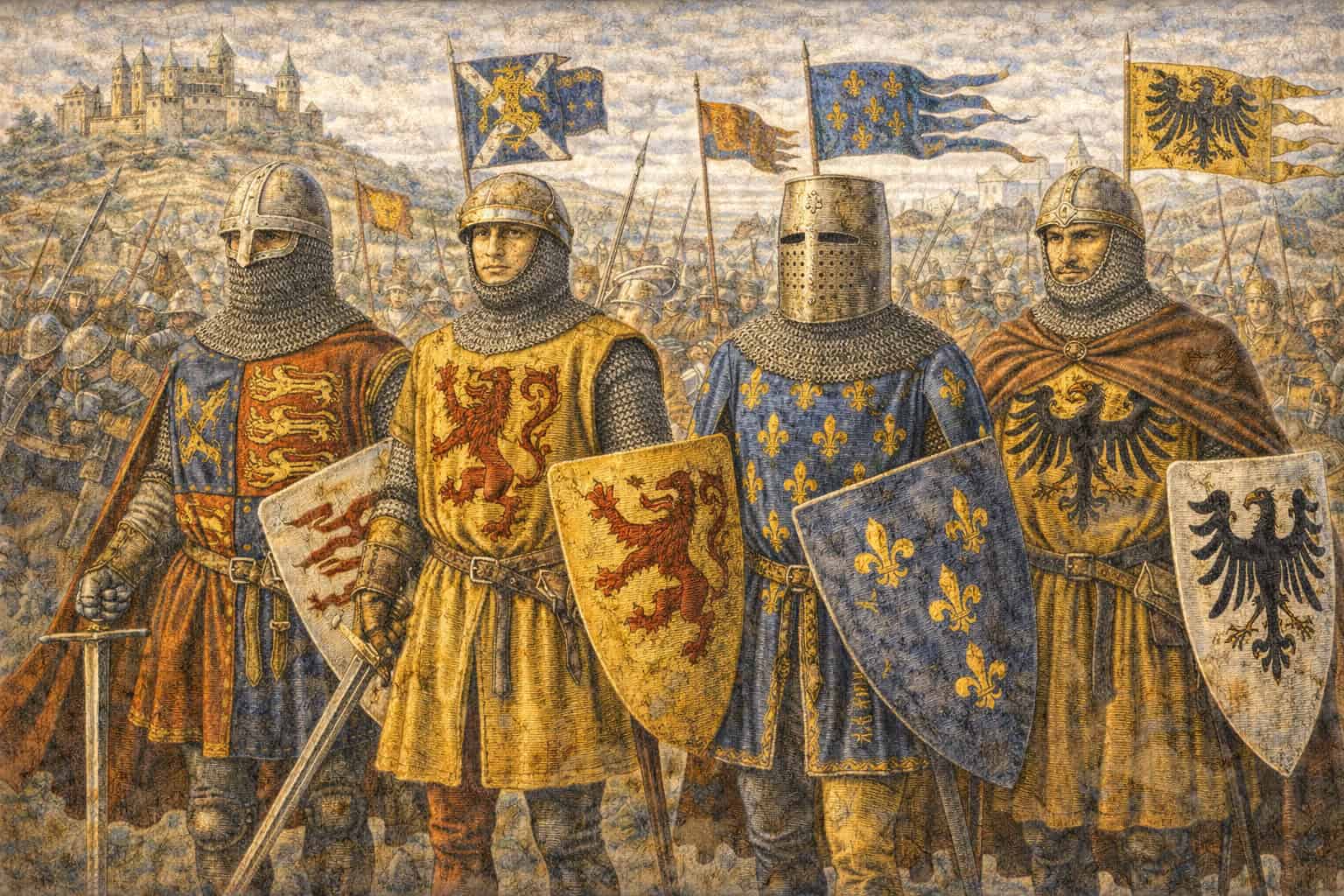
Did You Know? 🤔
Some knights had so many land duties they spent more time acting as managers than warriors!
11. Representing Lords in Councils 🏛️
Trusted knights could speak for their lord in local assemblies or royal courts.
12. Defending the Weak 🙏
Knighthood was tied to chivalry, which emphasized protecting widows, orphans, and the poor.
13. Upholding Chivalry ✨
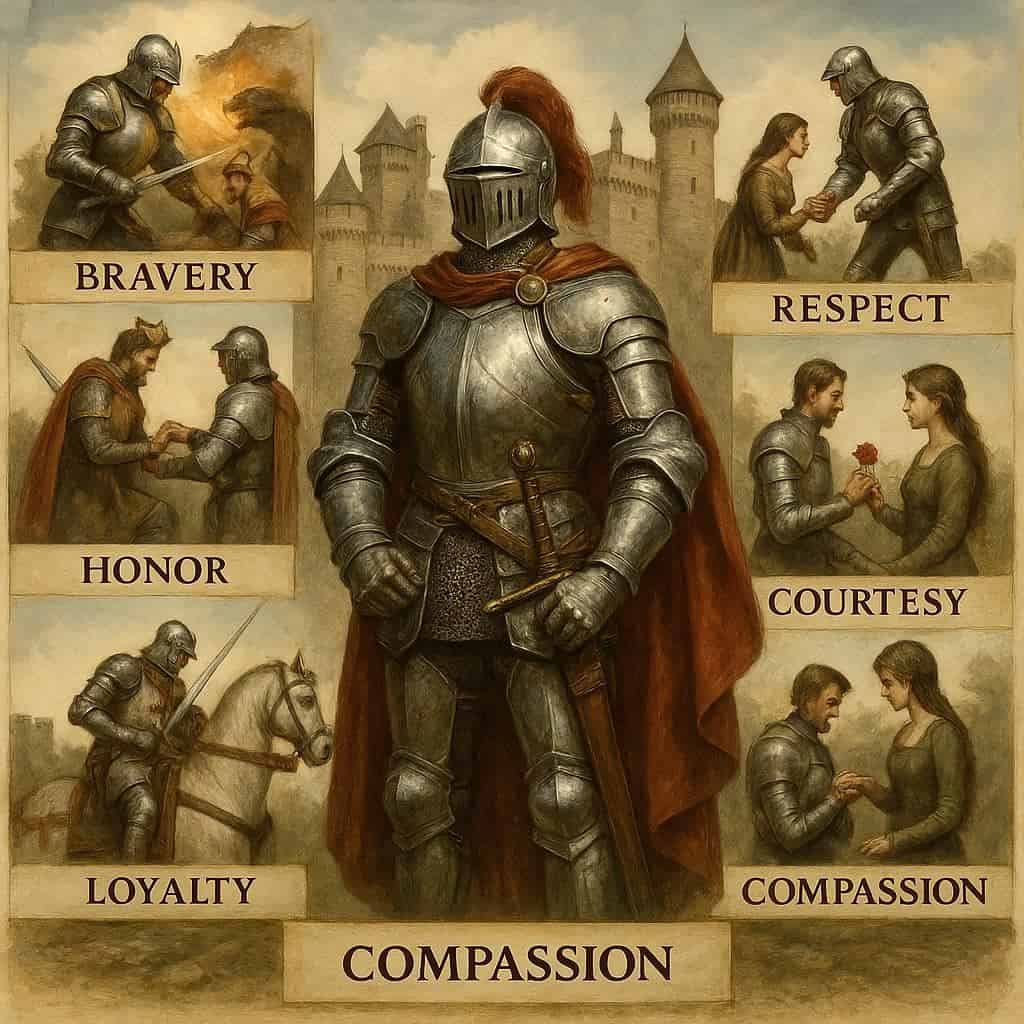
Knights were bound by codes of honor, truthfulness, and loyalty.
14. Acting as Messengers 🕊️
In times of war, knights carried important communications between lords and armies.
15. Tournament Combat ⚔️🎉
Knights displayed skill and earned prestige (and sometimes wealth) through jousts and melee games.
16. Marriage Alliances 💍
Knights could be married strategically to strengthen alliances between noble families.
17. Fealty to the King 👑
All knights ultimately swore loyalty to the crown, even if their immediate lord was a vassal.
18. Punishing Lawbreakers ⚖️
As enforcers, knights captured and punished criminals on their lord’s lands.
19. Guarding Pilgrims 🚶♂️✝️
Some knights, especially in religious orders, escorted pilgrims to holy sites.
20. Crusading 🌍✝️
Many knights fought in the Crusades, believing it was their sacred duty.
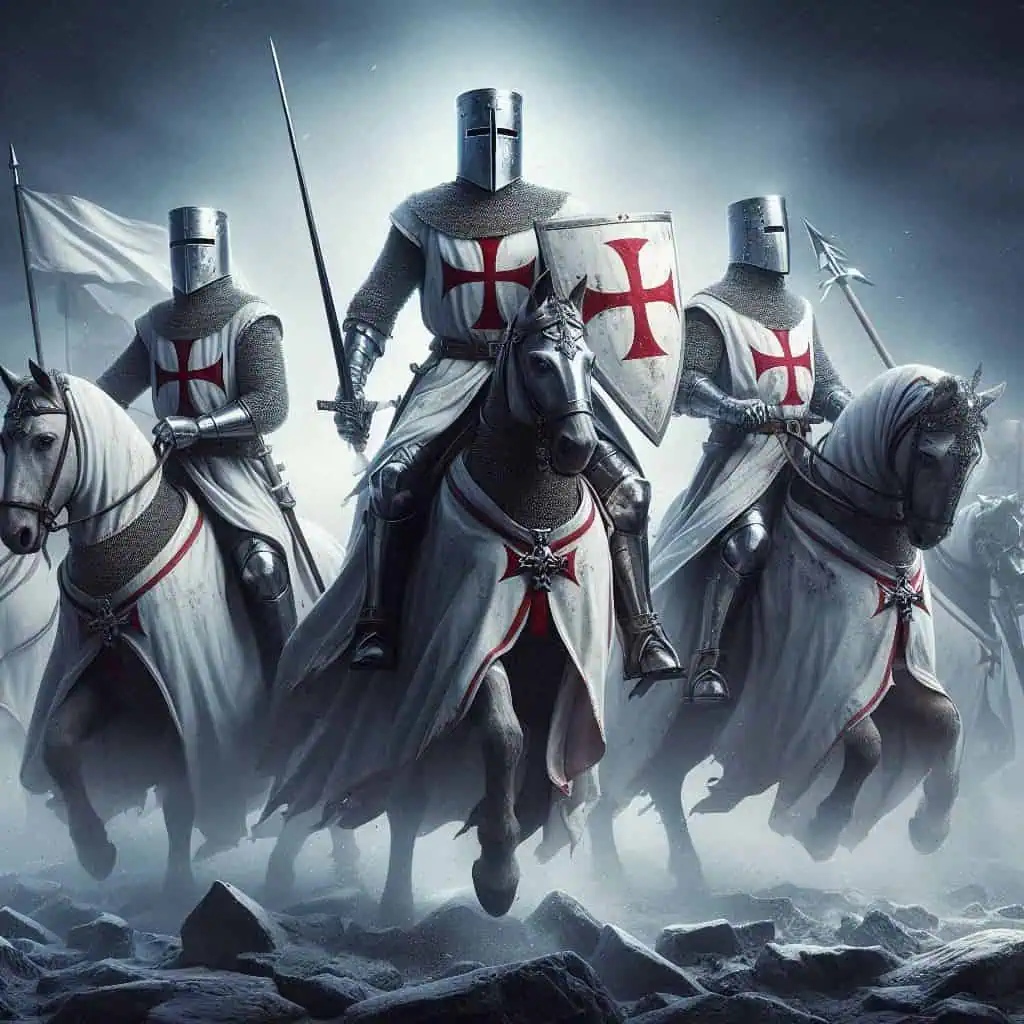
Did You Know? ⚔️
A knight’s armor could weigh over 60 pounds, making long campaigns exhausting.
21. Hunting for Food and Sport 🦌
Knights provided game for feasts and trained through hunting.
22. Serving as Judges 🧾
On their lord’s estate, knights sometimes presided over disputes among peasants.
23. Patronizing the Arts 🎶
Wealthy knights sponsored troubadours, poets, and even illuminated manuscripts.
24. Religious Devotion ⛪
Knights prayed daily and made donations to churches and monasteries.
25. Protecting Trade Routes 🛤️
Knights guarded merchants and caravans against bandits.
26. Diplomacy ✍️
Some knights acted as envoys, negotiating with rival lords.
27. Charity 💒
Knights gave alms and supported monasteries, demonstrating piety.
28. Maintaining Weapons and Armor 🔧
Keeping arms in top condition was an ongoing responsibility.
29. Mentoring Squires 🧑🎓
Knights trained young squires who would one day become knights themselves.
30. Legacy and Honor 🌟
Above all, knights lived to defend their honor and family name, ensuring their deeds outlived them.
Beyond the Sword: The Legacy of Knights 🏰
The duties and responsibilities of medieval knights extended far beyond the battlefield. They were warriors, land managers, diplomats, and defenders of faith and justice. Their lives were shaped by loyalty, service, and chivalry, making them iconic figures of the Middle Ages whose influence is still felt in legends and culture today.
Medieval Knights FAQ
What was the main role of a knight?
The primary duty of a knight was to serve as a mounted warrior. Knights fought in wars, defended their lord’s lands, and upheld the feudal system by providing military service in exchange for land or privileges.
Did knights protect their lord’s lands?
Yes. Knights were charged with defending their lord’s estates, castles, villages, and farmland. They provided security against raiders, rival nobles, and invading armies.
Were knights expected to fight in wars?
Absolutely. A knight’s central obligation was to serve in battle whenever called upon. This included local conflicts between nobles, larger feudal wars, and campaigns ordered by the king.
Did knights protect the weak?
According to the code of chivalry, knights were expected to protect peasants, women, widows, and members of the clergy. While not all knights lived up to this ideal, it remained a central expectation of their role.
Did knights serve their lords directly?
Yes. Knights swore an oath of fealty to their lord, promising loyalty, service, and military support. In return, the lord provided land (a fief), money, or resources to maintain the knight’s equipment and lifestyle.
Were knights responsible for training?
Yes. Experienced knights often trained pages (young boys learning manners and basics) and squires (teenagers learning combat and serving knights directly), preparing them for knighthood.
Were knights responsible for training?
Yes. Experienced knights often trained pages (young boys learning manners and basics) and squires (teenagers learning combat and serving knights directly), preparing them for knighthood.
Did knights take in tournaments?
Yes. Tournaments and jousts allowed knights to practice their skills in mock combat. These events were dangerous but also opportunities for knights to earn wealth, fame, and the favor of nobles.
Did knights need to own armor and weapons?
Yes. Knights were required to maintain expensive armor, swords, lances, and shields. A full suit of armor could cost as much as a small estate, which is why knighthood was limited to the wealthy.
Did knights take in tournaments?
Yes. Tournaments and jousts allowed knights to practice their skills in mock combat. These events were dangerous but also opportunities for knights to earn wealth, fame, and the favor of nobles.
Did knights need to own armor and weapons?
Yes. Knights were required to maintain expensive armor, swords, lances, and shields. A full suit of armor could cost as much as a small estate, which is why knighthood was limited to the wealthy.
Did knights need horses?
Yes. Knights fought as heavy cavalry, and their warhorses (destriers) were specially bred and trained for battle. Horses were as important as armor, often costing more than the knight’s weapons.
Did knights patrol lands?
Yes. Knights often rode patrols to guard roads, villages, and trade routes, ensuring their lord’s lands were safe from robbers, bandits, or rival forces.