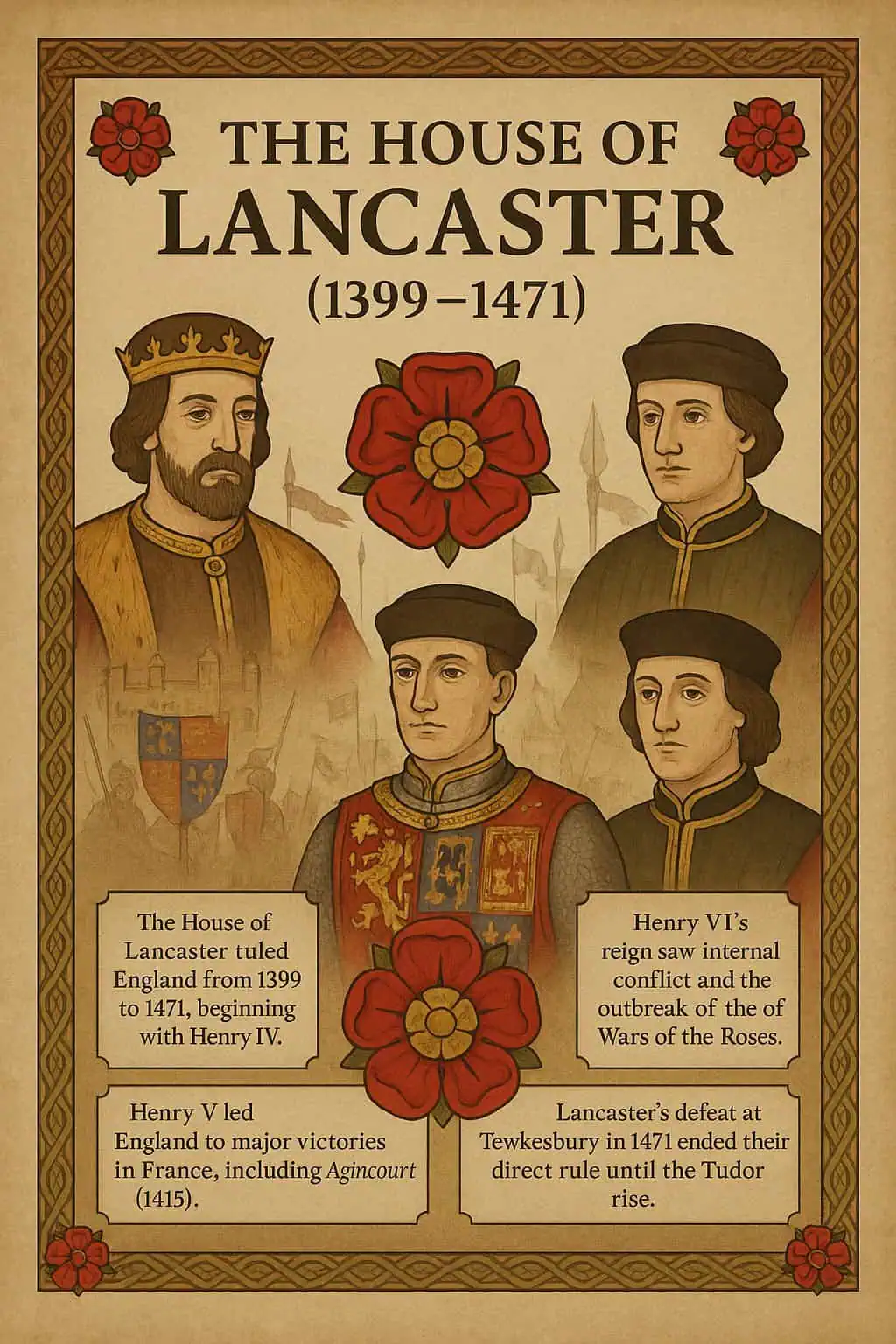
The Royal Houses of Lancaster and York were two powerful branches of the Plantagenet dynasty that dominated English politics, warfare, and royal succession between 1399 and 1485. Their rivalry shaped one of the most dramatic eras in English medieval history, culminating in the Wars of the Roses and the rise of the Tudor dynasty. This expanded guide explores their origins, kings, achievements, and legacy — offering a clear, engaging overview for students, history fans, and researchers alike.
💡 Did You Know? The famous term “Wars of the Roses” was not used during the medieval period. It was popularised centuries later by the novelist Walter Scott.
The House of Lancaster originated in 1267 when Henry III created the Earldom of Lancaster. The House of York later emerged from the descendants of Edmund of Langley, the first Duke of York. Though both branches were firmly Plantagenet, their competing claims to the throne eventually escalated into a dynastic conflict that transformed England’s political landscape.

⚔️ Click-to-Reveal: Lancaster & York Facts
Origins of the Rival Houses
Lancaster and York were cadet branches of the Plantagenets, both descended from the sons of Edward III—John of Gaunt for Lancaster and Edmund of Langley for York.
Why the Conflict Began
The Wars of the Roses erupted due to disputes over royal succession, weak kingship under Henry VI, and powerful nobles vying for control of the English crown.
Henry VI’s Troubled Reign
Henry VI’s bouts of mental illness and inability to manage political factionalism allowed the Duke of York to challenge his authority, igniting armed conflict.
Edward IV’s Rise to Power
Edward IV, the first Yorkist king, won major victories at Towton and Mortimer’s Cross, establishing the House of York as the ruling dynasty in 1461.
The Princes in the Tower
The disappearance of Edward V and his brother in the Tower of London remains a famous mystery, often tied to Richard III’s turbulent, short-lived reign.
The Tudor Victory
Henry Tudor’s triumph over Richard III at Bosworth Field in 1485 ended the Wars of the Roses and united the red rose of Lancaster with the white rose of York.
Timeline: The Royal Houses of Lancaster & York
The struggle for supremacy between the two houses took place over nearly a century. Below is a simplified, SEO-friendly timeline of when each dynasty held power:
- 1399–1461 — House of Lancaster rules continuously from Henry IV to Henry VI
- 1461–1470 — House of York seizes the throne under Edward IV
- 1470–1471 — House of Lancaster (Restored) briefly returns during the Readeption of Henry VI
- 1471–1485 — House of York regains power under Edward IV, Edward V, and Richard III
- 1485 — Tudor Dynasty begins after Henry Tudor defeats Richard III
💡 Did You Know? The Readeption of Henry VI (1470–1471) was one of the shortest royal restorations in history, lasting less than six months.
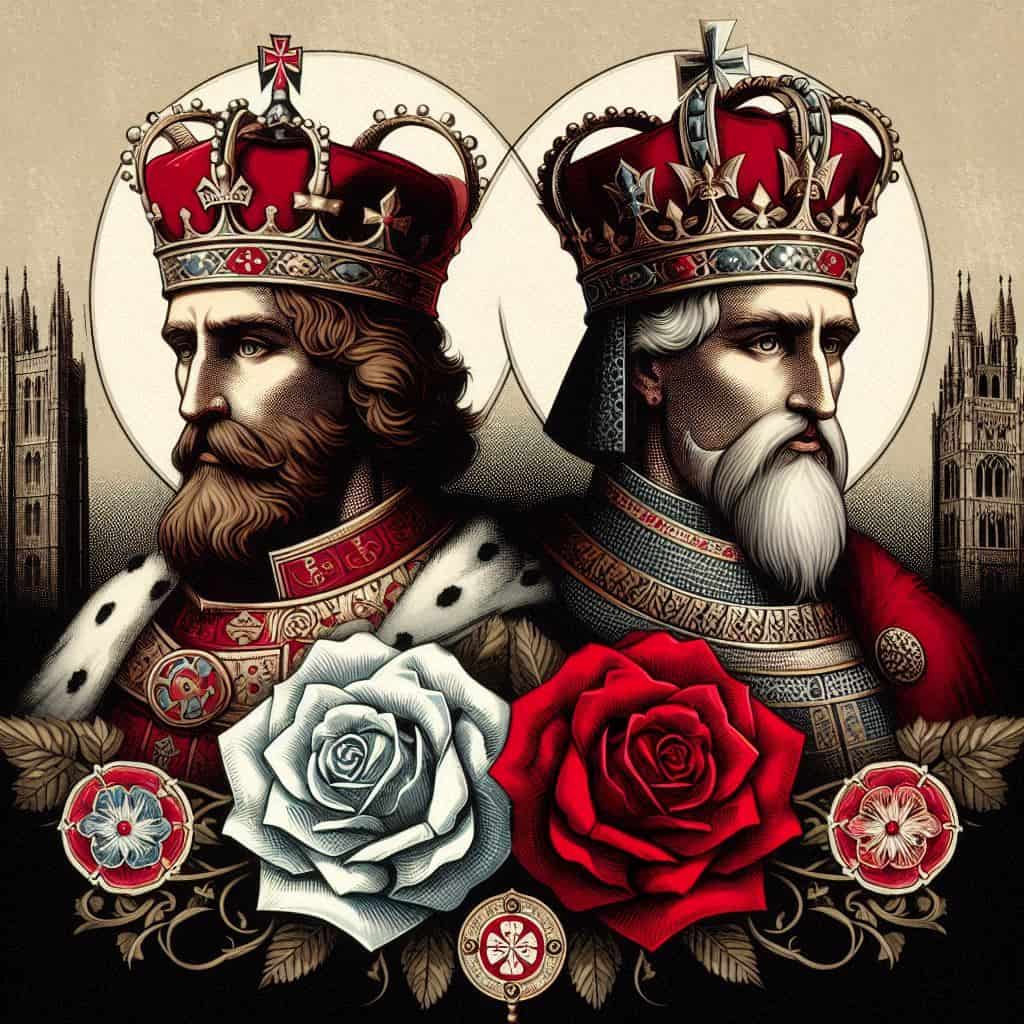
Kings of the House of Lancaster
Henry IV seized the throne from Richard II, establishing the Lancastrian dynasty. His reign was marked by rebellions, financial strain, and diplomatic challenges, but his political resilience laid the groundwork for Lancaster’s future power.
Henry V is widely regarded as the greatest Lancastrian king. A brilliant military commander, he achieved legendary status with his victory at the Battle of Agincourt (1415). His leadership restored national pride and expanded English influence in France.
Henry VI inherited the crown as an infant and grew into a gentle but weak ruler. His mental illness, political indecision, and military failures helped ignite the Wars of the Roses. His periods of kingship reflect some of the most unstable years in medieval England.
🔥 Key Fact: Henry VI was the only English monarch to be crowned King of England and King of France — though his claim to France was largely symbolic.
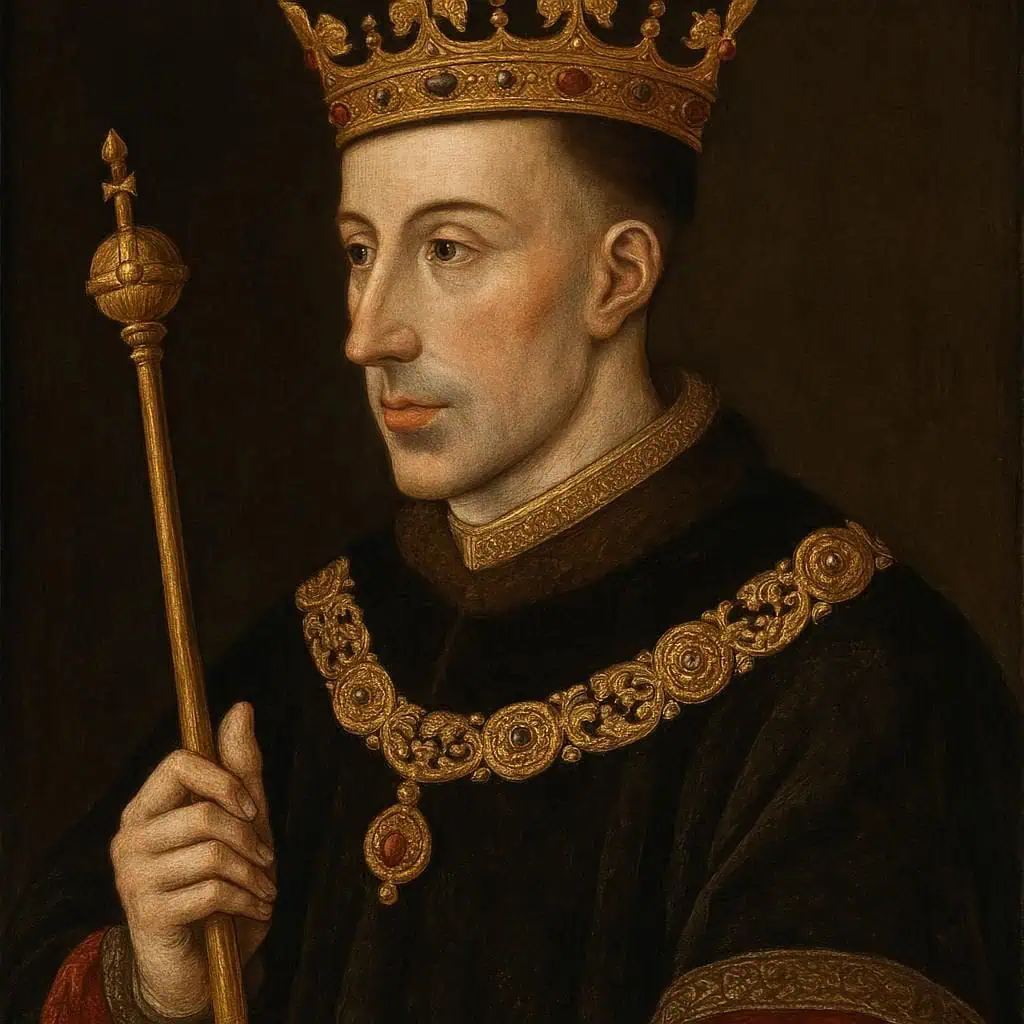
Famous Kings: Who Stands Out?
Among all rulers from the Houses of Lancaster and York, Henry V stands as the most celebrated. His victory at Agincourt and his portrayal in Shakespeare’s Henry V turned him into an icon of medieval kingship.
- Brilliant military strategist
- Charismatic leader
- Expanded England’s influence in France
- Elevated the English language in government documents
Worst King: Richard III
Richard III is commonly judged the most notorious monarch of the era. His short reign was overshadowed by accusations surrounding the disappearance of the Princes in the Tower and growing resentment among the nobility.
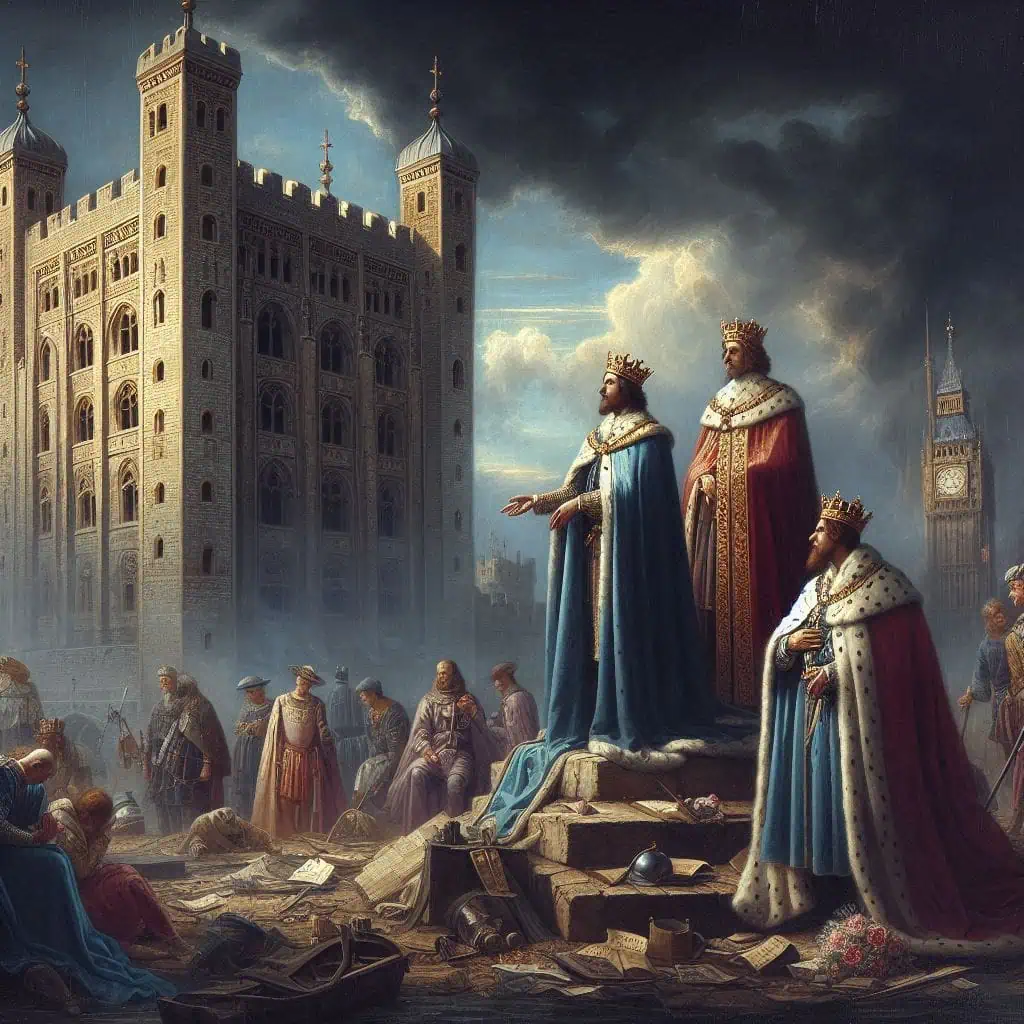
Achievements of the Lancaster & York Dynasties
- Expansion of education — foundations of Eton College and King’s College
- Growth in Gothic architecture and royal building projects
- Development of early English literature, including Chaucer
- Strengthening of English identity and language
Summary: Why These Dynasties Matter
The Royal Houses of Lancaster and York ruled England during one of its most turbulent and transformative centuries. Their rivalry produced civil war, military innovation, architectural achievement, and political change. The struggle ended only with the rise of the Tudor dynasty in 1485, which united both houses and ushered in a new age of English monarchy.
❓ Lancaster & York Kings – Frequently Asked Questions
What were the Houses of Lancaster and York?
They were two rival branches of the Plantagenet dynasty, both descended from the sons of King Edward III. Each believed they had a stronger claim to the English crown, leading to decades of political struggle and civil war.
Why did the Wars of the Roses begin?
The conflict erupted due to weak royal leadership under Henry VI, disputes over succession, economic pressures, and powerful nobles seeking influence. The struggle quickly escalated into open warfare between the two houses.
Which kings belonged to the House of Lancaster?
Lancastrian kings included Henry IV, Henry V, and Henry VI. Their reigns covered military triumphs such as Agincourt, as well as political collapse during Henry VI’s mental illness.
Who were the kings of the House of York?
Yorkist kings were Edward IV, the short-reigned Edward V, and Richard III. Their rule brought military victories, political restoration, and later controversy, especially over the “Princes in the Tower.”
How did the Tudor dynasty end the conflict?
Henry Tudor defeated Richard III at the Battle of Bosworth in 1485. By marrying Elizabeth of York, he united the red and white roses, symbolically ending the feud and founding the Tudor dynasty.
Why is this period important in English history?
The conflict transformed the monarchy, weakened feudal power, reshaped the nobility, and paved the way for stronger central royal authority under the Tudors. It remains one of the most dramatic and influential eras of the Middle Ages.
🧠 Lancaster & York Kings Knowledge Quiz
🌹 Key Takeaways: Lancaster & York Kings
- The Houses of Lancaster and York were rival branches of the Plantagenet dynasty, each claiming the right to rule England.
- Their conflict—known as the Wars of the Roses—lasted from 1455 to 1485 and reshaped English politics and monarchy.
- Lancastrian kings Henry IV, Henry V, and Henry VI defined early phases of the conflict through military successes and political instability.
- Yorkist rulers Edward IV, Edward V, and Richard III brought periods of restoration, controversy, and decisive military campaigns.
- Weak kingship under Henry VI and noble rivalries accelerated the collapse of Plantagenet authority.
- The Battle of Towton and Battle of Barnet were major Yorkist victories that shifted the balance of power.
- The disappearance of the Princes in the Tower remains one of the most debated mysteries of medieval England.
- The Wars of the Roses ended with Henry Tudor’s victory in 1485, uniting the red rose and white rose and founding the Tudor dynasty.
📜 Glossary of Lancaster & York Royal Terms
Plantagenet Dynasty
The royal house that ruled England from 1154–1485, from which both Lancaster and York descended.
House of Lancaster
A branch of the Plantagenet family symbolised by the red rose, producing kings Henry IV, V, and VI.
House of York
A rival Plantagenet line symbolised by the white rose, producing rulers Edward IV, Edward V, and Richard III.
Wars of the Roses
A series of civil wars (1455–1485) over control of the English throne between the Houses of Lancaster and York.
Battle of Towton
The bloodiest battle fought on English soil (1461), securing the crown for Edward IV of York.
Battle of Bosworth Field
The final battle of the Wars of the Roses (1485), where Richard III was defeated by Henry Tudor.
Tudor Dynasty
The dynasty founded by Henry VII after uniting the roses through marriage to Elizabeth of York.
Claim to the Throne
A basis for royal legitimacy, often used by both Lancaster and York to justify their bids for kingship.
Lord Protector
A powerful position held by Richard, Duke of York, allowing him to rule during Henry VI’s incapacity.
Princes in the Tower
Edward V and his brother Richard, whose mysterious disappearance remains a major historical controversy.
📚 References & Further Reading
Lancaster and York Kings Historical Images