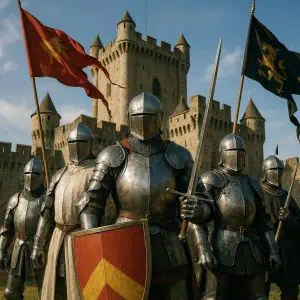
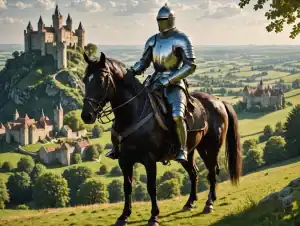
Castles were more than military fortresses—they were the homes, power centers, and defensive strongholds of medieval knights and nobles. Built to dominate landscapes and control territory, castles offered protection in times of war and displayed the wealth and influence of their lords. Knights stationed in castles were tasked with defending the realm, managing land, and enforcing a lord’s rule. From moats and drawbridges to thick stone walls, these imposing structures were central to the military and social lives of knights throughout the Middle Ages.
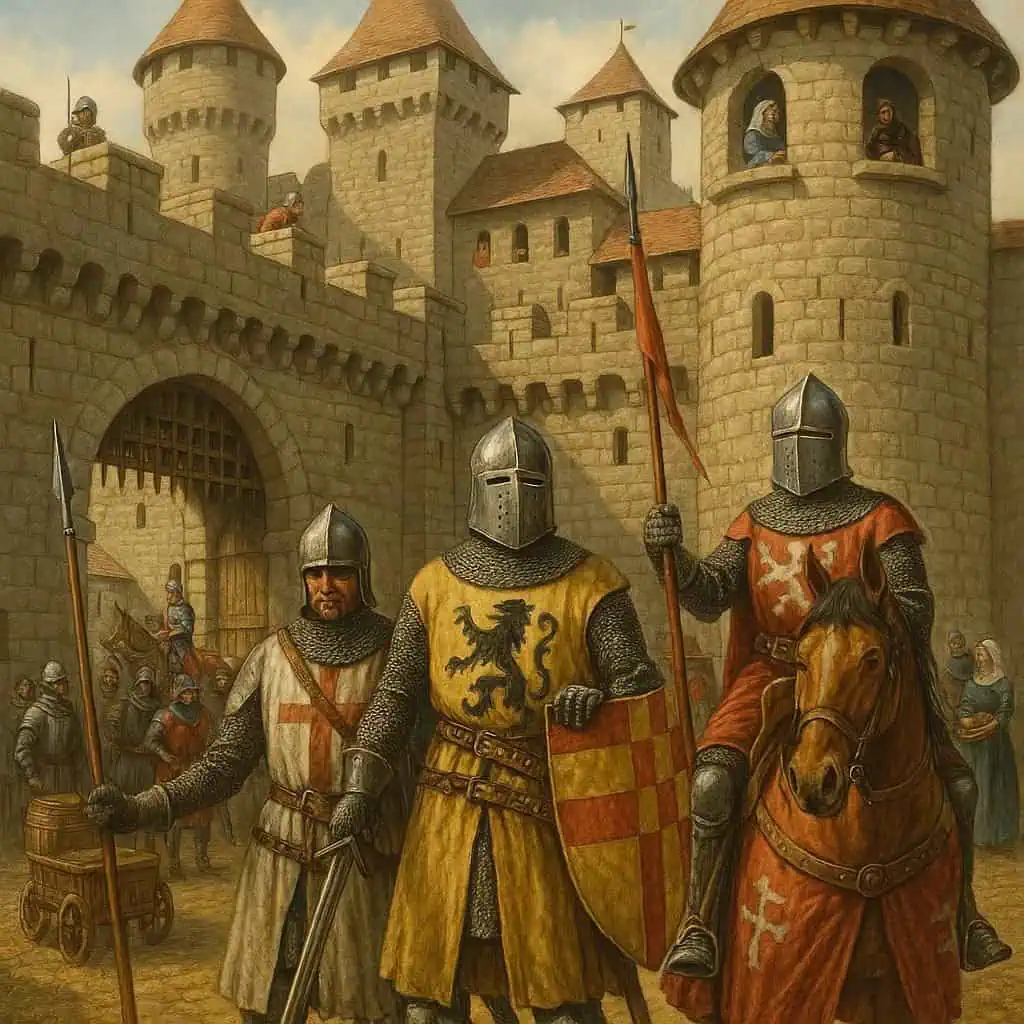
This was not only due to the fact that various orders of medieval knights built their own castles but also because medieval knights had certain duties and responsibilities that they carried out for the nobles in their castles.
Medieval Knights had clearly defined roles to play during times of war and peace.
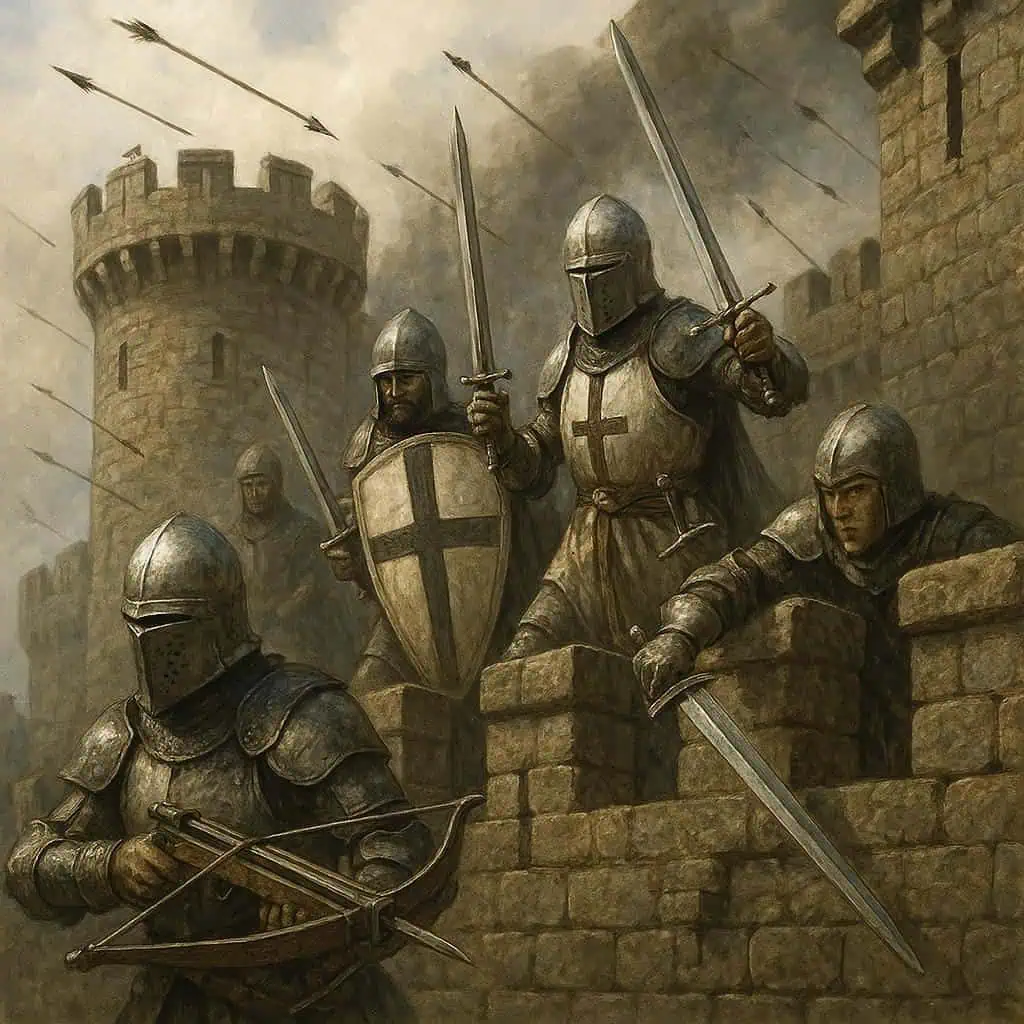
Knights & Castle History
Both the concepts of medieval knights and castles were not well-formed during the early medieval times. It was during the high and late medieval times that medieval knights and castles emerged throughout Europe and started to become more of a feature in medieval life.
This was particularly true after the Norman Conquest of England in 1066 in which feudalism was introduced to England and the concept of knights and castles became more dominant in everyday life because of this new system of Norman rule.
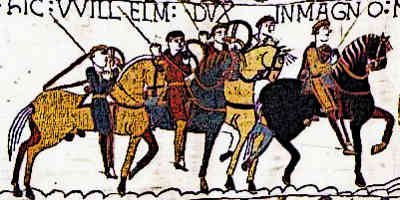
The prominence of the Medieval Knight and his connection to medieval castles in people’s minds also gained more momentum during and after the Crusades.

Knights’ Role in a Medieval Castle
There were various important roles that medieval knights were expected to perform in the castle. Most importantly, medieval knights were expected to serve their lord and fight for him as stipulated in the Knights Code of Chivalry.

Medieval knights and castles also have an important relationship in that various orders of the medieval knights made their own castles during the late medieval times.

One of the best examples of such castles is Malbork Castle in Germany built by the Teutonic Knights.

Knights Duties Castle Duties
The duties of medieval knights mainly had to do with defense. Knights would be entrusted with the defense of the medieval castle and were expected to fight with bravery and courage to defend the castle whenever required.
Similarly, it was a medieval knight’s duty to serve their lord and come to his assistance in the event of a war.
During times of peacetime, a knight could be given the duty of looking after the land and the people. Thus medieval knights and castles were closely linked with each other.

Did Knights live in Castles?
Medieval knights would sometimes be granted castles for their services but this did not happen very often. Commonly, knights lived with lords in their castles. Medieval Knights received lodgings, weapons, food, and other privileges in exchange for their military services and protection.
Knights who were granted fiefdom by the king or high-ranking nobles were known as Vassals. The medieval orders of knights who had built their own castles also lived in the castles. However, sometimes knights would also live in small cottages in a village.
Knights & Castles Summary
Medieval knights and castles and their connection are some of the fascinating aspects of medieval times and they bear a close relationship. The defense of the castle and its inhabitants was the responsibility of medieval knights residing in the castle.
Other than this duty, the knights were also expected to accompany their lord to war and fight with courage.

During peacetime, medieval knights looked after the land of the lord and the inhabitants of the village, in addition to fighting during events that were arranged during the year such as medieval tournaments.

Frequently Asked Questions About Lesser-Known Medieval Knights
Who were the lesser-known medieval knights?
Lesser-known knights were brave warriors who served their lords and kingdoms but did not achieve widespread fame or legendary status.
Why are some knights less famous than others?
Historical records often focused on major figures, leaving many skilled and courageous knights unrecognized in popular history.
Did lesser-known knights participate in major battles?
Yes, many fought bravely in battles and sieges, supporting their lords and contributing significantly to military campaigns.
Were these knights recognized in their own time?
Some received local recognition, awards, or minor titles, but they were rarely immortalized in chronicles or legends.
Did lesser-known knights have unique armor or weapons?
Their armor and weapons were often similar to other knights of the period, though some adapted equipment for personal skill or local needs.
How were these knights trained?
Training was similar to other knights, starting as pages and squires, learning combat, horsemanship, and strategy under experienced mentors.
Did lesser-known knights follow the code of chivalry?
Yes, most adhered to the principles of honor, loyalty, and courage, even if they never gained fame for it.
Are there historical records of their achievements?
Some deeds are recorded in local chronicles, military records, or noble family histories, but they are not widely known today.
Did lesser-known knights inspire later generations?
Yes, their courage and dedication contributed to the broader legacy of knighthood and inspired local legends and tales.
What can we learn from hidden medieval knights?
The stories of hidden heroes remind us that courage and honor are not limited to the famous; every warrior had a role in shaping history.